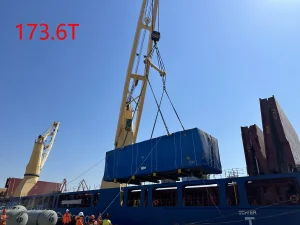
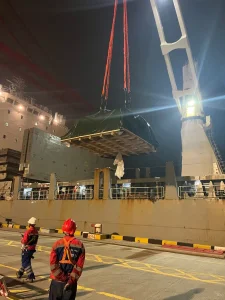
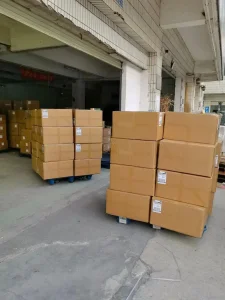
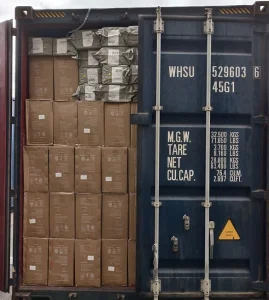
Premium air, sea, and land logistical lines connecting manufacturing clusters directly to international distribution hubs.
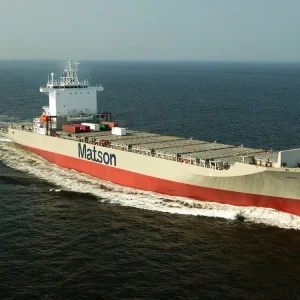

The expansion of global e-commerce has redefined traditional logistics frameworks, transitioning them from simple bulk transport models into highly dynamic, responsive, and complex multi-modal supply chains. Today's global cross-border e-commerce market demands unparalleled speed, agility, and absolute transparency. This transformation is driven by shifting consumer expectations, rising fuel costs, volatile customs regulations, and the critical need for localized warehouse integration.
To address these challenges, enterprise shippers require custom logistics solutions designed to bypass traditional customs bottlenecks. Specialized lanes such as China to Jamaica Logistics, China to Saint Vincent & Grenadines Logistics, and Ensenada Mexico E-Commerce Delivery Services demonstrate that modern fulfillment requires deep local expertise rather than generalized routing.
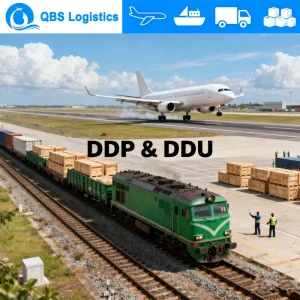
Delivered Duty Paid (DDP) arrangements have become the baseline standard for successful cross-border retailers. By shifting tax calculation, clearing procedures, and administrative duties onto the freight provider, brands can guarantee friction-free end-customer experiences. Developing structured corridors like the DDP Cross-Border E-Commerce Global Logistics to USA, EU, and Australia ensures compliance at point-of-entry, minimizing delivery delays.
Established in 2018, Guangdong Changi Logistics Co., Ltd. is a premier, comprehensive logistics enterprise specializing in international freight forwarding and integrated supply chain engineering. We bridge the gap between Asian manufacturing clusters and global markets, providing efficient, reliable, and highly customized logistics services tailored specifically for global trade brands and e-commerce platforms.
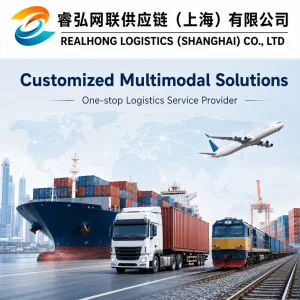
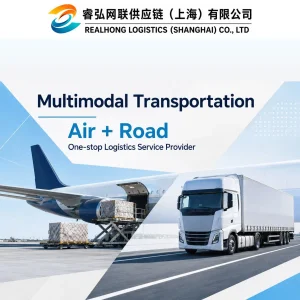
Our core capabilities span air freight forwarding, international ocean freight, transcontinental rail lines, multimodal transport, bonded warehousing, secure customs brokerage, and holistic supply chain visibility solutions. Leveraging a robust global agent network and cloud-driven digital logistics software, we deliver cost-effective and time-efficient transportation plans across multiple industrial sectors.
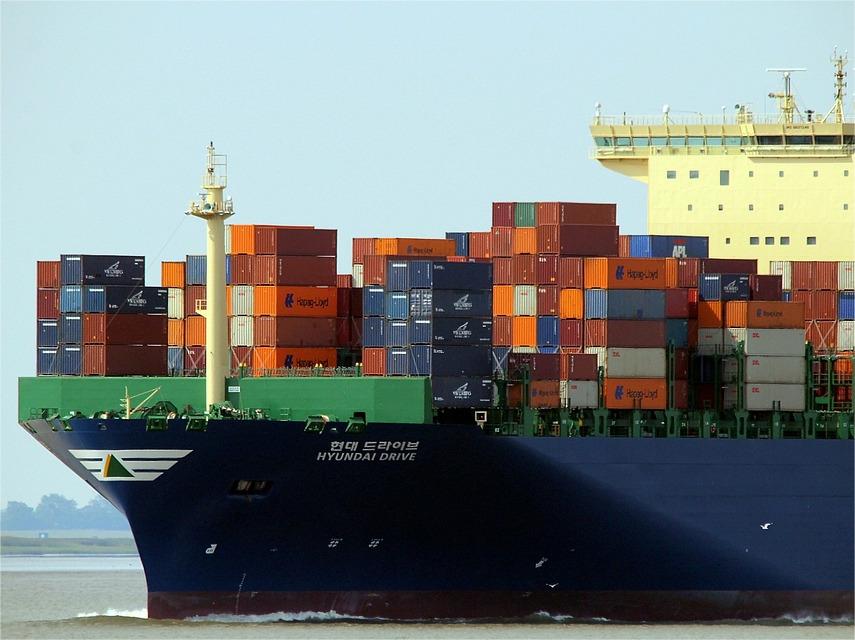
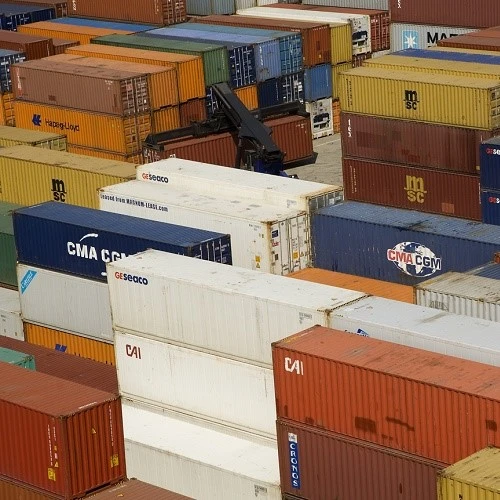
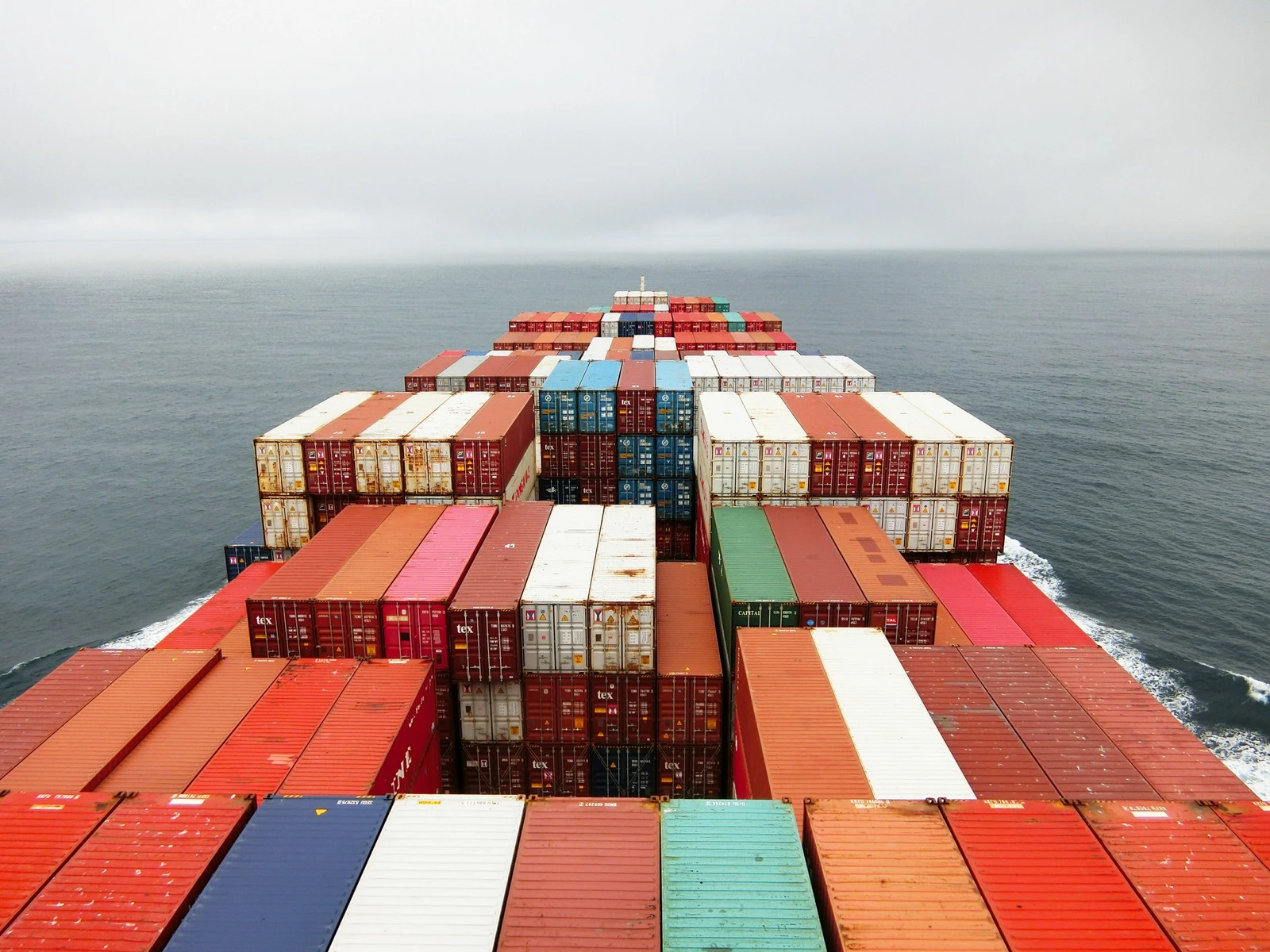
Since our founding in 2018, Guangdong Changi Logistics Co., Ltd. has grown rapidly alongside the expansion of digital cross-border trade. Initially focused on traditional freight forwarding, we recognized early on that digital logistics systems and global trade intelligence were critical. Over the years, we integrated smart warehouses and real-time package tracking systems, transitioning into a full-scale digital logistics architect.
To become a leading global logistics and supply chain partner, driven by digital innovation and technology. We aim to construct a smarter, greener, and highly connected international logistics network that empowers sustainable growth for global commerce.
Committed to delivering long-term value through operational stability, optimizing global supply chains to reduce overhead costs, driving transparency, and maintaining long-term partnerships with enterprise sellers worldwide.
A reliable logistics ecosystem requires both digital systems and physical assets. We invest heavily in our supply chain infrastructure, using advanced manufacturing technology to produce durable cargo containers, secure parcel racks, and automated sorting units.

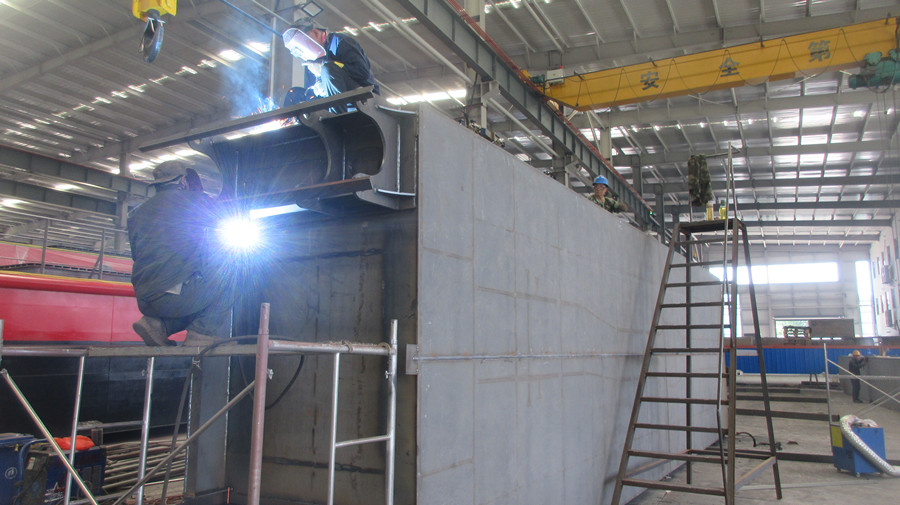
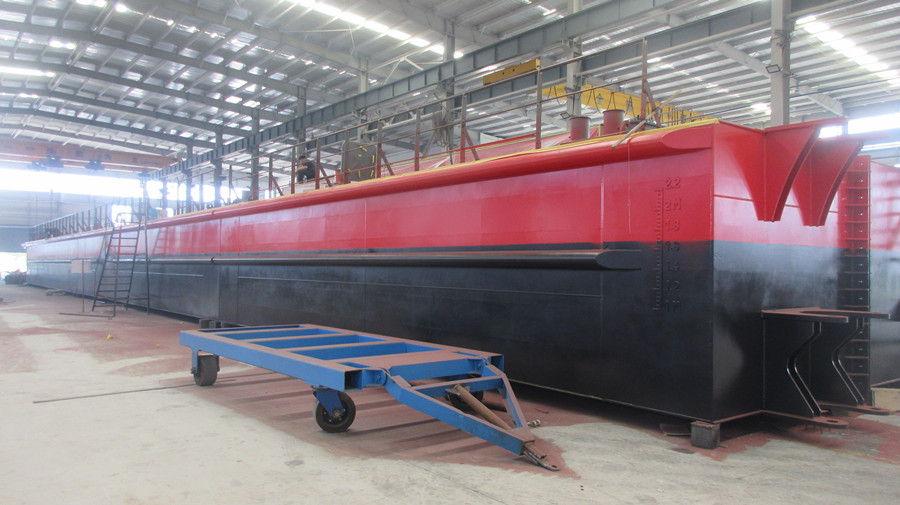




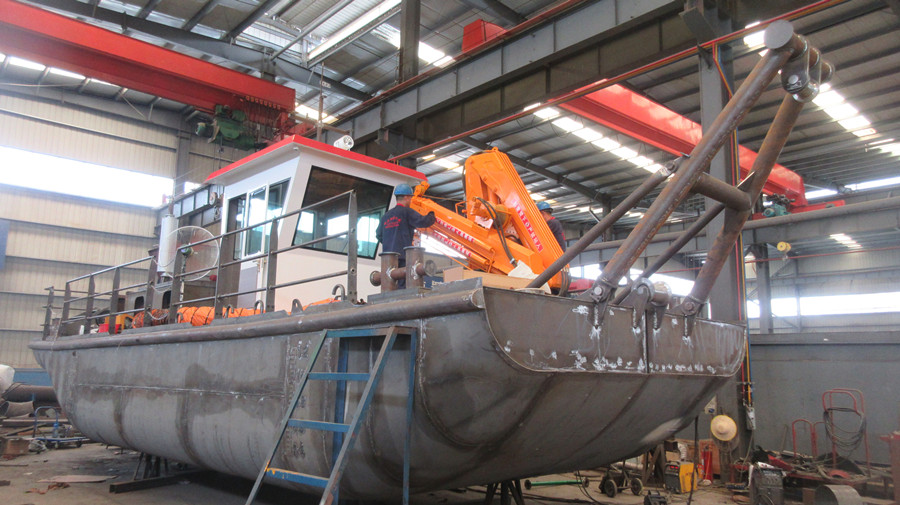

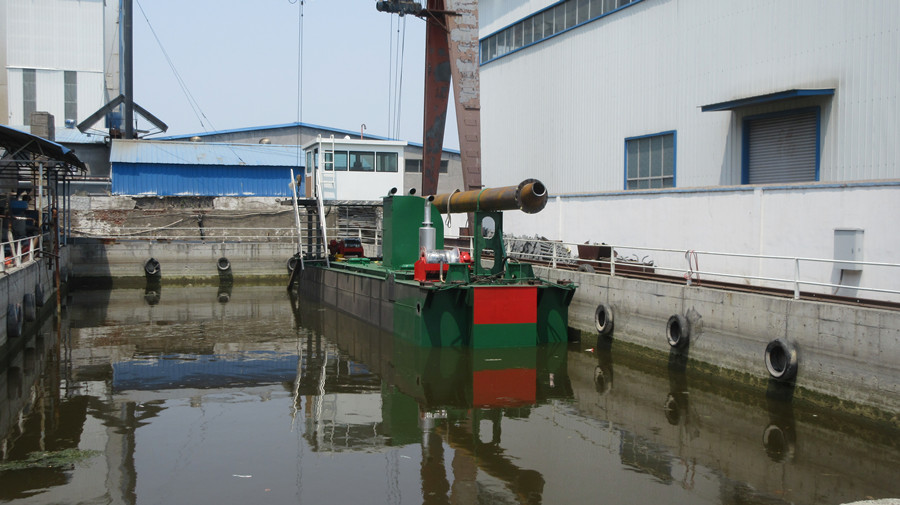



Ensures high-precision fabrication of structural components for custom container shipping units and logistics machinery.
Regulatory frameworks present the most significant operational hurdle in modern cross-border e-commerce logistics. Navigating international regulatory environments requires specialized customs management systems, localized trade bonds, and dedicated DDP clearance solutions. Our teams manage this complexity, keeping transit times predictable and customs clearance rates near 100%.
Shipping to North America requires strict adherence to U.S. Customs and Border Protection (CBP) policies, Section 321 de minimis regulations, and Mexican Servicio de Administración Tributaria (SAT) rules. Specialized lanes like the Ensenada Mexico E-Commerce Delivery and China to USA Logistics allow brands to leverage Nearshoring and Entry Type 86 clearances, reducing tariff impacts while accelerating distribution times to Western ports.
Following the removal of the VAT exemption on low-value imports into the European Union, cross-border shippers must use either Import One-Stop Shop (IOSS) registration or comprehensive DDP freight channels. We manage IOSS verification, duty pre-calculations, and final-mile carrier handover, preventing shipping delays and unexpected fees at destination borders.
Emerging markets like Jamaica, Saint Vincent and the Grenadines, and St. Lucia present unique logistics challenges, including limited air freight capacity and complex local tax laws. We establish direct partnerships with local regional carriers to ensure smooth clearances, reliable local transport, and complete tracking visibility throughout the Caribbean region.
The future of logistics is digital. Our technological roadmap focuses on building a fully digitalized, transparent, and resilient supply chain. Over the next five years, we are expanding our systems with three core technologies:
Professional insights and answers to common questions about cross-border e-commerce supply chains and customs processes.
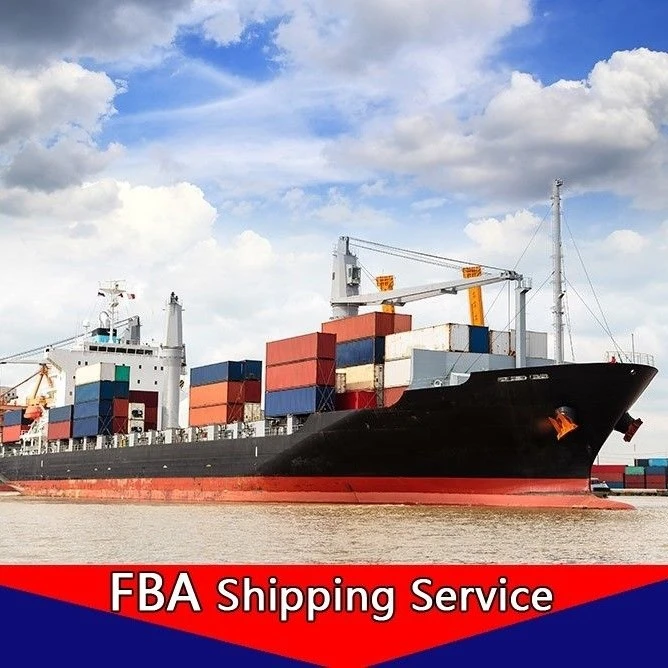
Premium air freight, sea cargo, and FBA solutions designed to optimize delivery speed, security, and cost efficiency.
 Changi Logistics