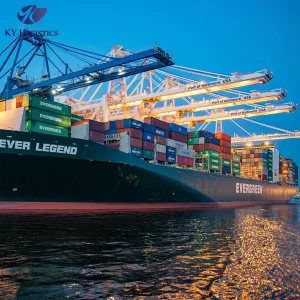
Deploy global logistics infrastructure integrated with professional import-export custom clearance agents.
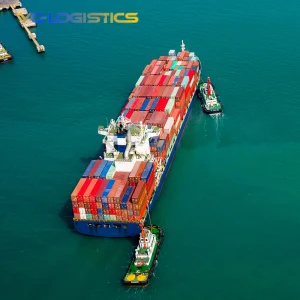
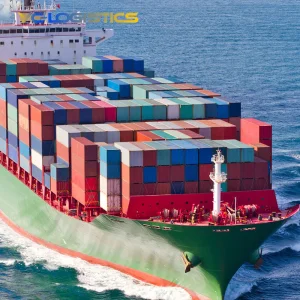
Established in 2018, Guangdong Changi Logistics Co., Ltd. is a premier, comprehensive logistics enterprise specializing in international freight forwarding, custom clearance agency operations, and integrated supply chain management solutions. We deliver highly optimized, legally compliant, and cost-effective end-to-end transport systems connecting China's manufacturing core to the global consumer hubs.
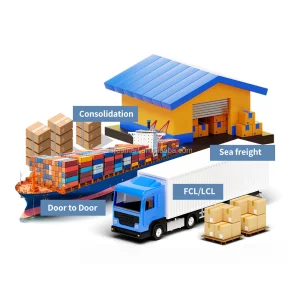
Our operational framework spans ocean freight, air transport, rail freight routes across the Eurasian corridor, multi-modal transport lines, and smart warehousing infrastructure. Backed by proprietary cloud-based tracking systems, we ensure complete cargo visibility and proactive custom document processing, eliminating costly bottlenecks at international ports of entry.
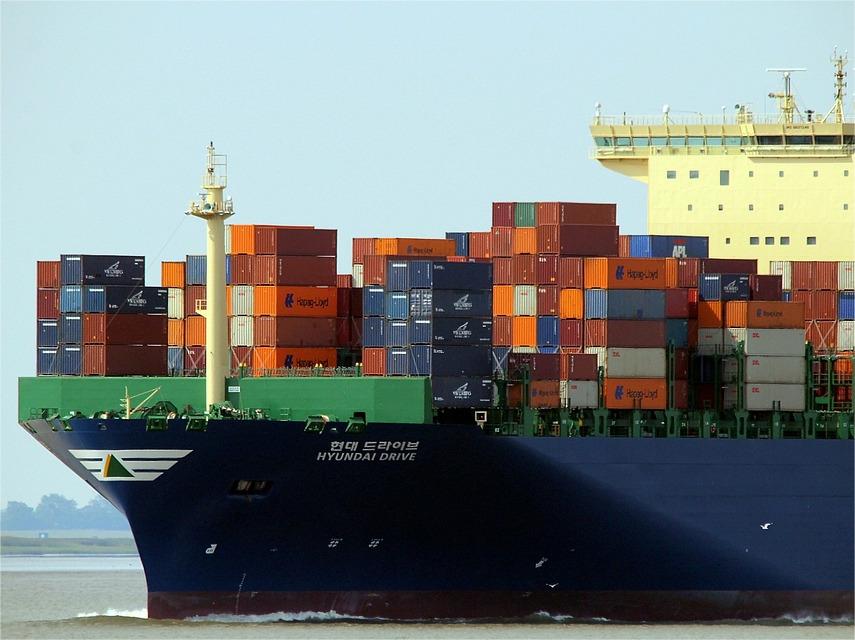
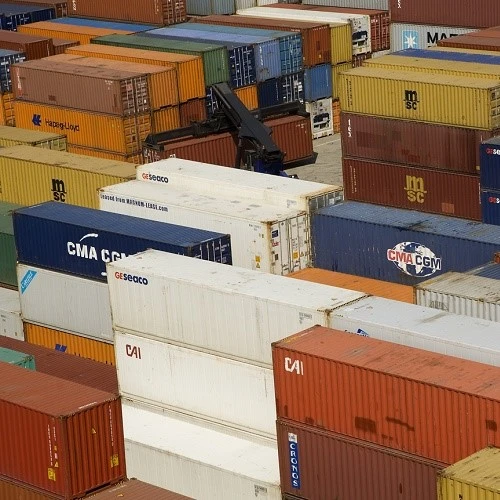
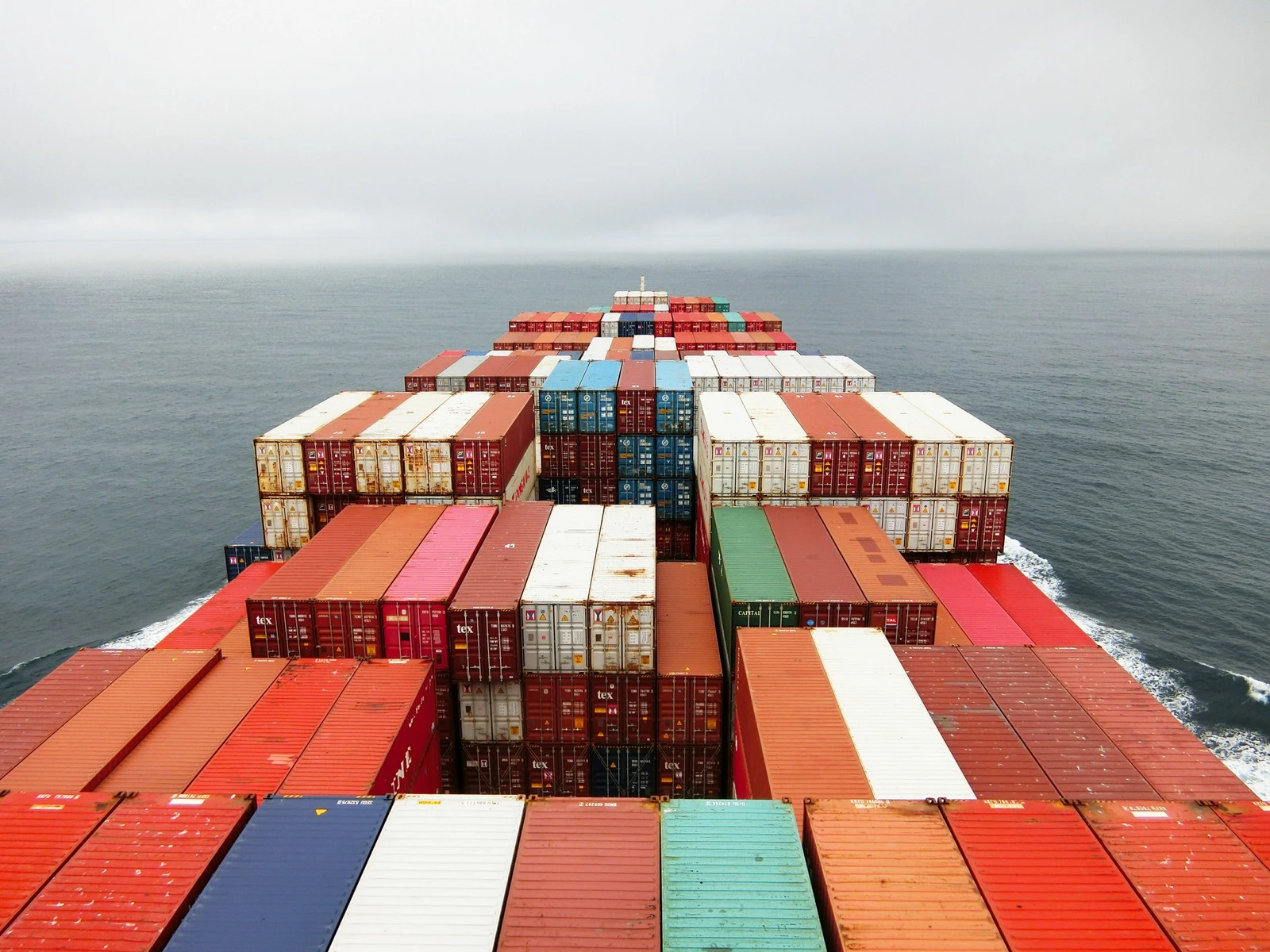
The landscape of global trade compliance is undergoing tectonic shifts driven by digitalization, regulatory adjustments, and trade localization.
Integrating Artificial Intelligence and machine learning into Automated Broker Interfaces (ABI) enables real-time Harmonized System (HS) code assignment, reducing compliance errors and avoiding heavy customs penalties.
Rapid modifications in tariff laws, such as Section 301 tariffs, new EU Import Control System 2 (ICS2) updates, and regional free trade agreements (RCEP, USMCA) demand hyper-localized, agile customs brokers who understand border updates instantly.
Customs departments globally are strengthening inspections on B2C parcels. Regulatory adjustments to the "de minimis" thresholds in North America and VAT regulations in Europe dictate new paradigms for international dropshipping.
Modern enterprises no longer view customs brokerage as an isolated transactional task. To maintain margin health, buyers demand structured, predictive clearance channels that optimize total landed costs. Importers require direct visibility into duty estimations, tariff mitigation strategies (like bonded warehousing or duty drawback programs), and rapid port turnaround times.
Guangdong Changi Logistics Co., Ltd. satisfies these strict procurement metrics. By deploying DDP (Delivered Duty Paid) shipping services and managing complex import documents (such as Certificates of Origin, Bill of Lading, and custom bonds), we insulate buyers from hidden storage fees, customs detention, and unexpected tax burdens.
Under the Factory 4.0 directive, manufacturing capabilities are directly coupled with specialized logistics networks. High-precision industrial processes rely on synchronized customs clearance and shipping execution to maintain global output.
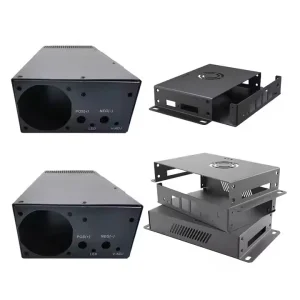
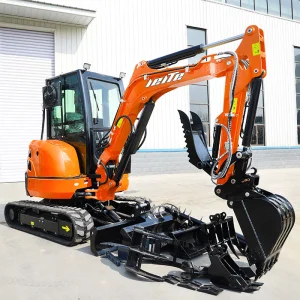
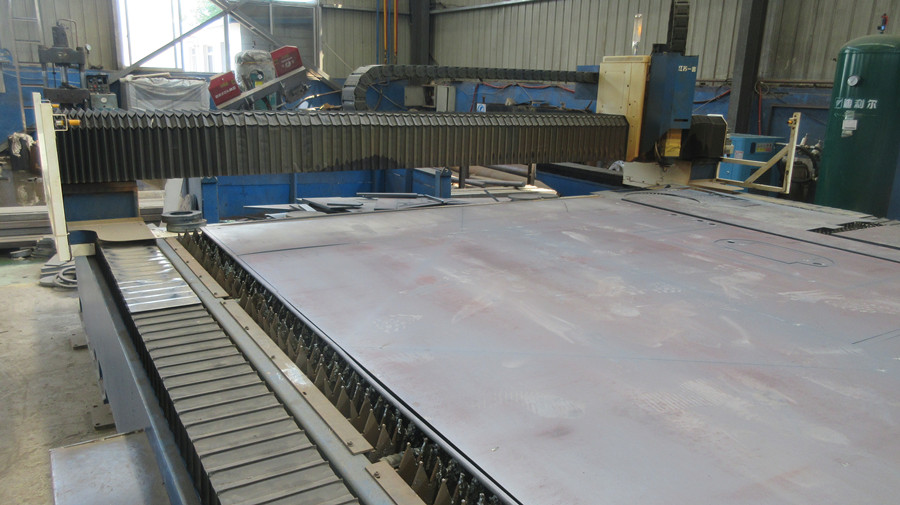
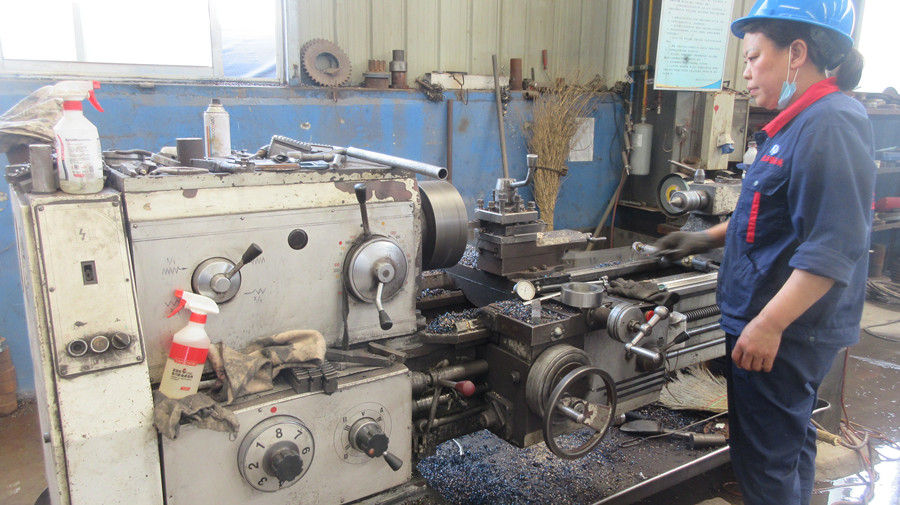
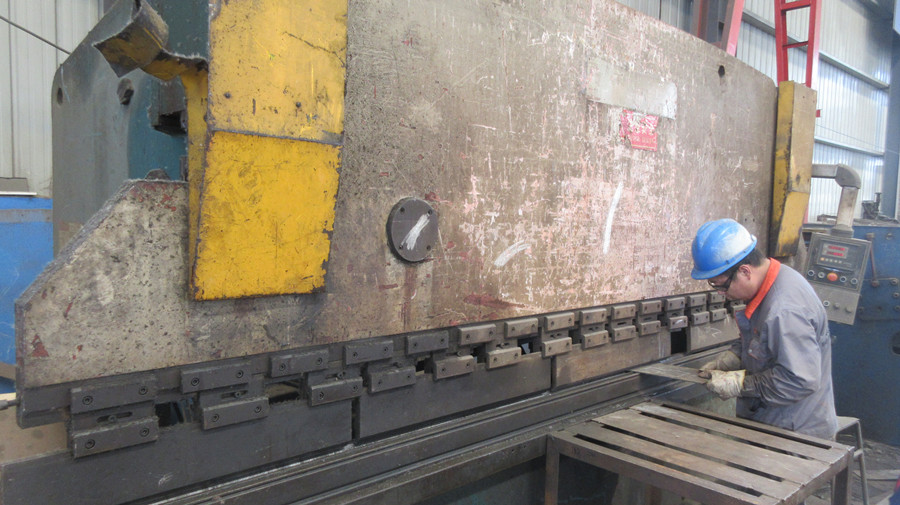
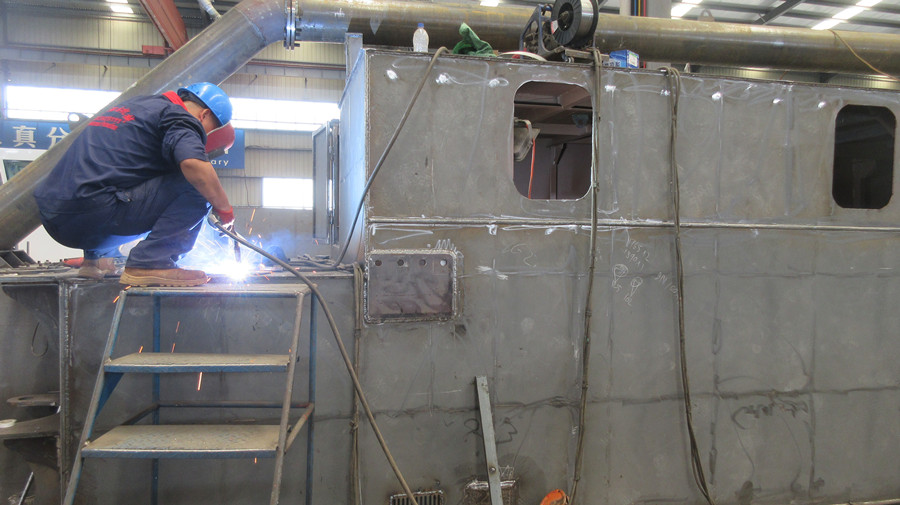
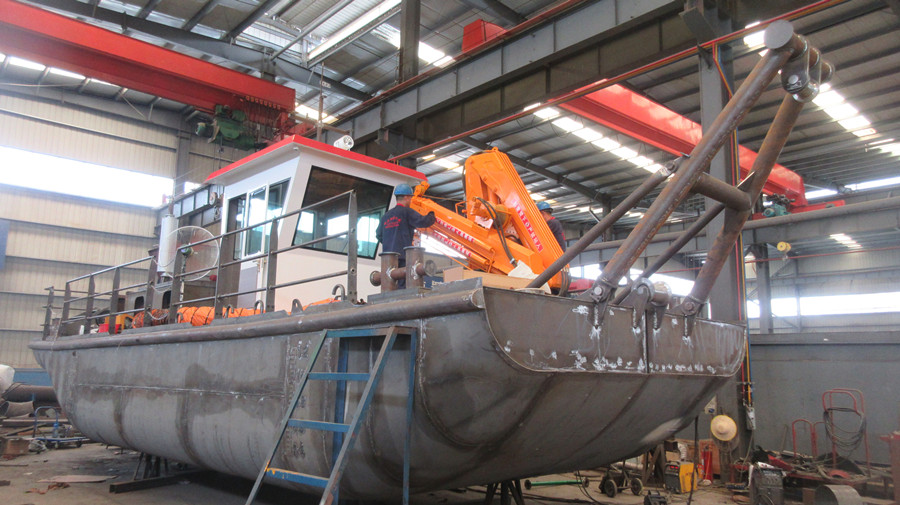
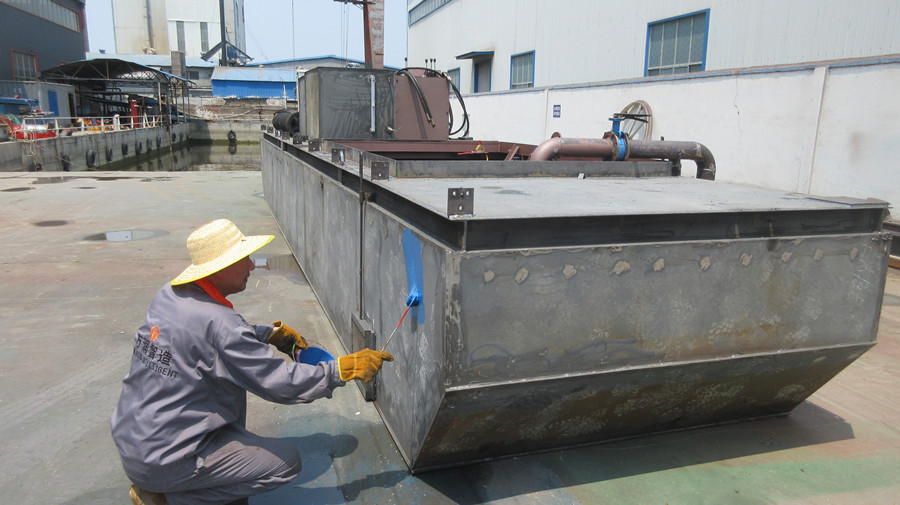
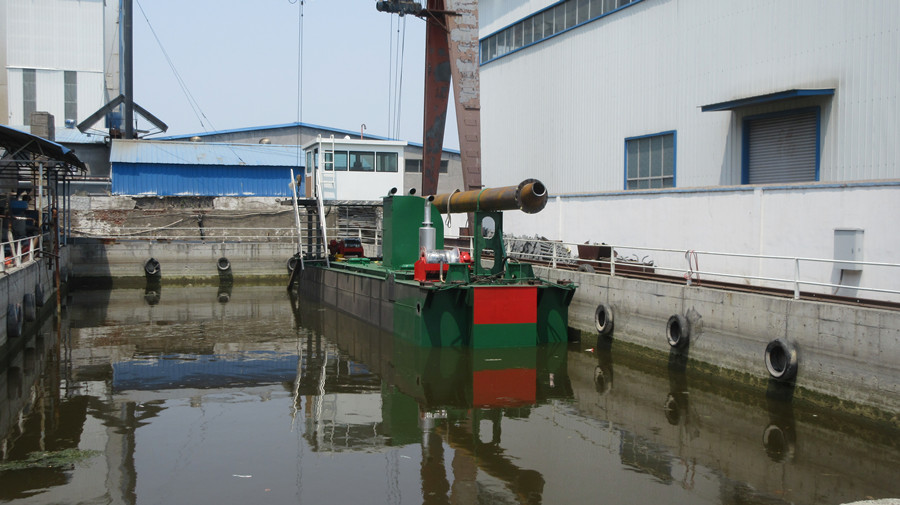
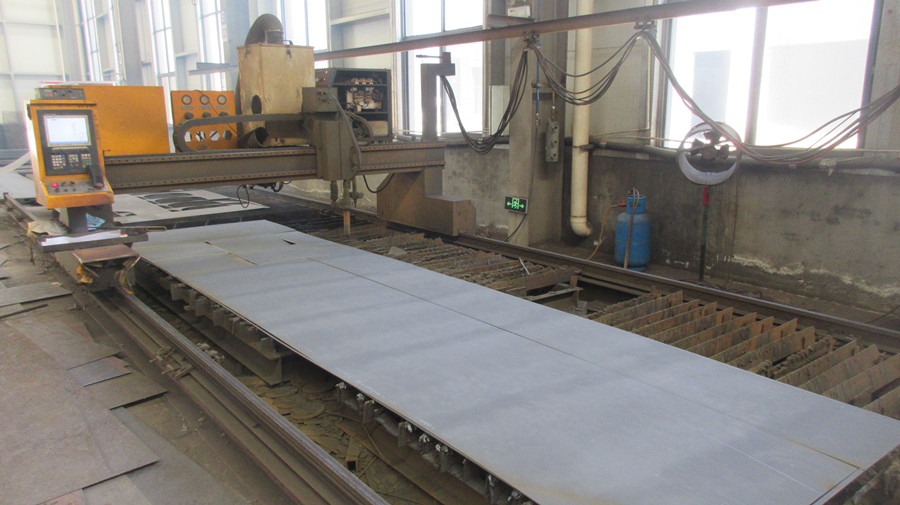
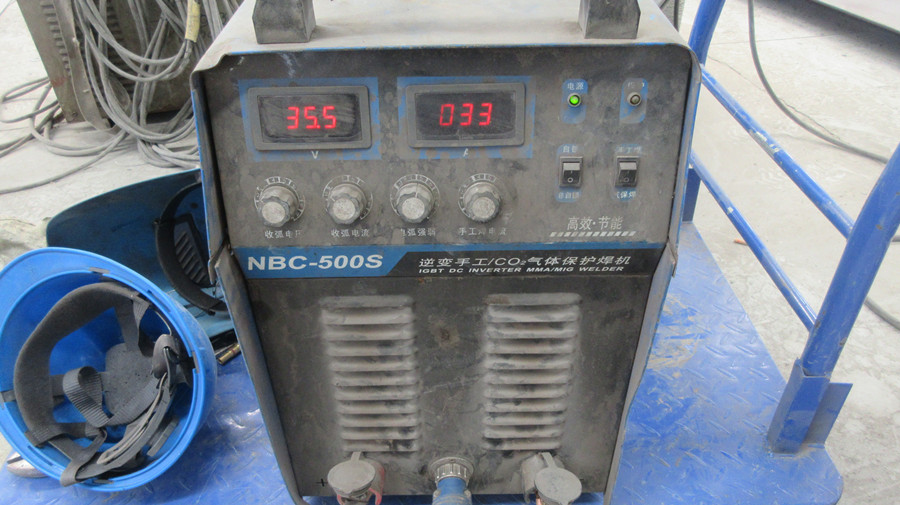
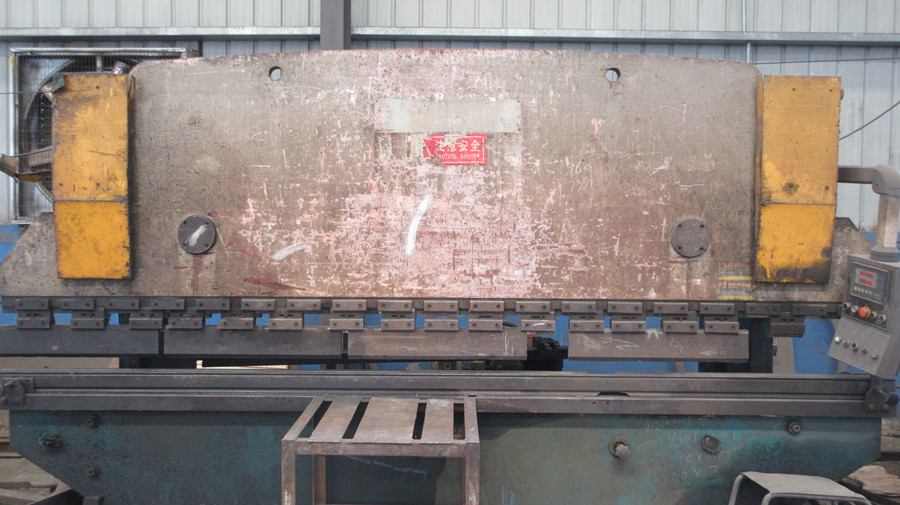
In China's modern manufacturing zones, the production line does not end at the factory gate; it extends to the container terminal. Advanced industrial components, structural fabrications, custom stainless steel sheet metal, and heavy machinery (such as 3.5-ton mini-excavators) require custom-engineered shipping fixtures, specialized packaging, and complex customs documentation to cross maritime borders. Our logistics workflow is engineered to match the rapid cycles of computerized sheet metal fabrication, precision welding, and robotic assembly lines.
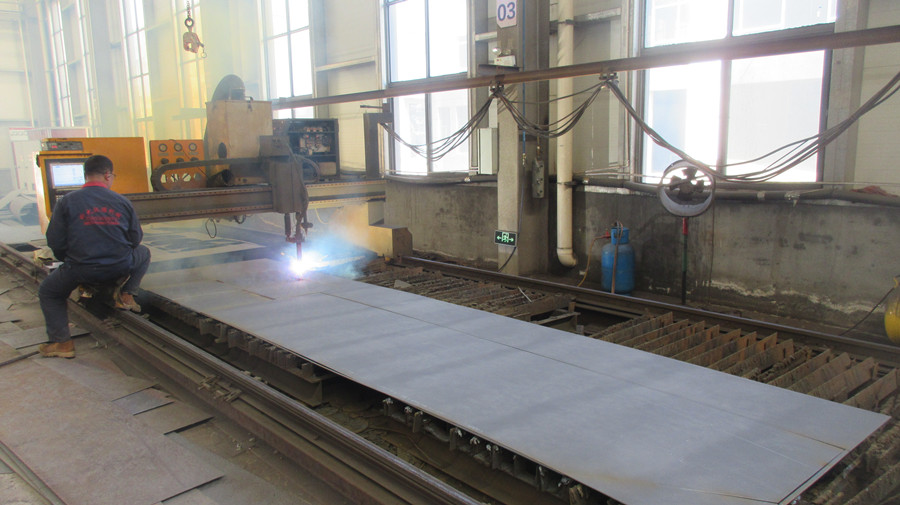
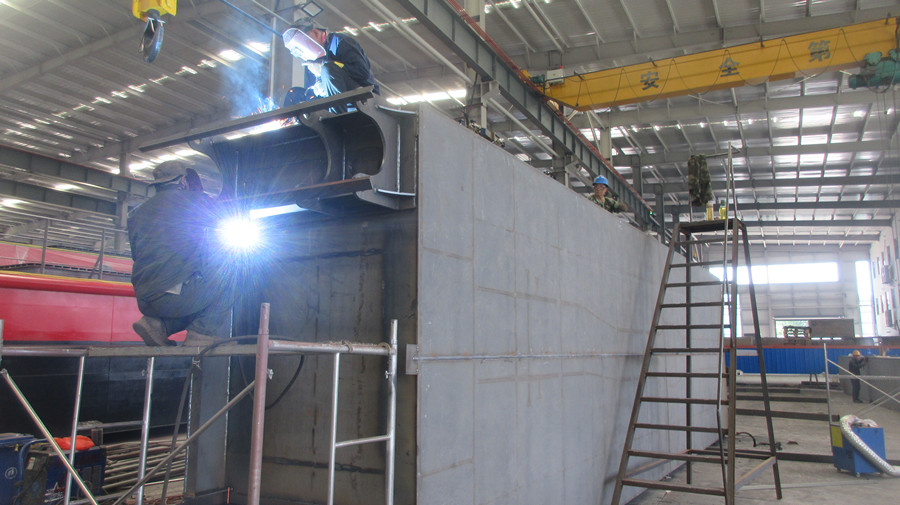
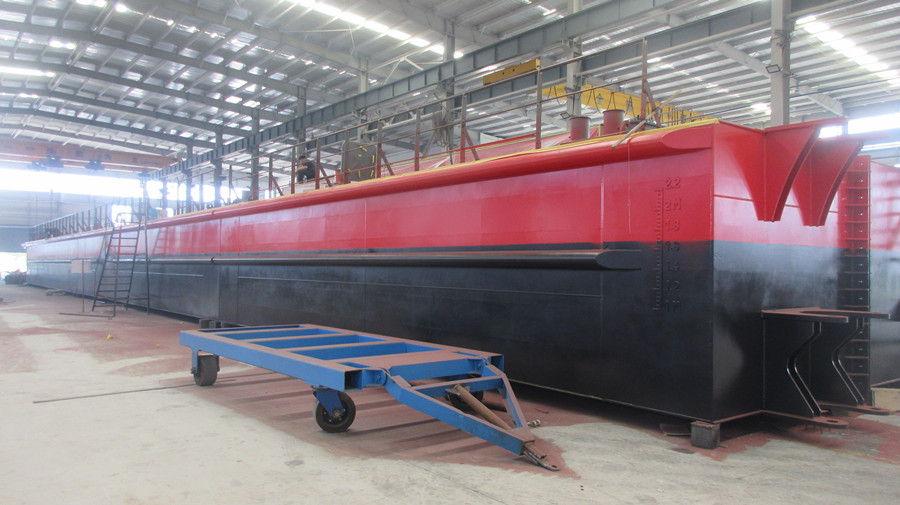
Tailoring shipping methodologies and customs clearance protocols to align with local market frameworks.
Processing ISF filings, managing US Customs and Border Protection (CBP) entries, resolving bond liabilities, and utilizing Section 321 de minimis options for fast cross-border dropshipping.
Fulfilling Union Customs Code (UCC) mandates, securing EORI numbers, executing Import One-Stop Shop (IOSS) declarations, and navigating complex VAT filings for multi-national supply networks.
Structuring specialized DDP shipping routes to high-growth markets including Saudi Arabia, the UAE, Morocco, and Zambia. We handle import permits, local compliance checks, and final-mile distribution.
Expert technical answers addressing major bottlenecks, legal procedures, and strategic choices in global customs clearance.
Browse our complete spectrum of supply chain infrastructure, precision manufacturing components, and custom cargo logistics options.

 Changi Logistics