Explore our top-tier engineering solutions designed for optimal temperature regulation, from high-cube shipping containers to thermal carton enclosures.
An expert analysis of thermal dynamics, mechanical refrigeration, and material science in contemporary temperature-controlled transportation.
In the globalized economy, the distribution of temperature-sensitive commodities—ranging from life-saving biopharmaceuticals to delicate tropical fruits—requires absolute thermal consistency. The structural evolution of reefer shipping containers and specialized insulated packaging has become a cornerstone of supply chain security. As a leading logistics and container manufacturing intelligence coordinator, Guangdong Changi Logistics Co., Ltd. presents this comprehensive industrial breakdown.
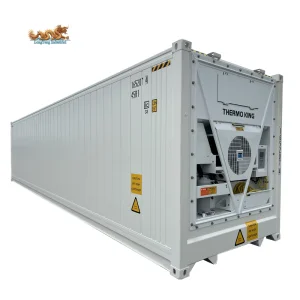
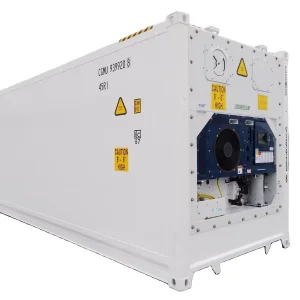
Modern temperature-controlled shipping operates at the intersection of thermodynamics, material engineering, and real-time telemetry. Unlike standard dry vans, a refrigerated shipping unit (reefer) must combat solar radiation, ambient temperature spikes up to 50°C, and structural stresses from sea and land transit. To achieve this, manufacturers leverage advanced high-density Polyurethane (PU) foaming technologies and structural elements like SPA-H Corten steel and high-tensile stainless steel. The thermal efficiency of a container is determined by its overall heat leakage coefficient (U-value). By keeping U-values exceptionally low through automated foam injection and precision gasket seals, factories drastically reduce the energy requirements of the integrated refrigeration systems.
Behind every reliable reefer unit lies a complex system of components designed to operate continuously under harsh marine environments. Key structural elements include:
Utilization of 50-70mm high-density cyclopentane-blown polyurethane foam. This eco-friendly material ensures a highly effective thermal barrier and minimum structural thermal bridging.
Integration of IoT sensors tracking real-time temperature, relative humidity, door status, and gas composition (O2/CO2 levels) for active atmosphere management.
Advanced Copeland scroll compressors and electronic expansion valves allow partition-based temperature profiles from deeply frozen (-40°C) to chilled (+30°C).
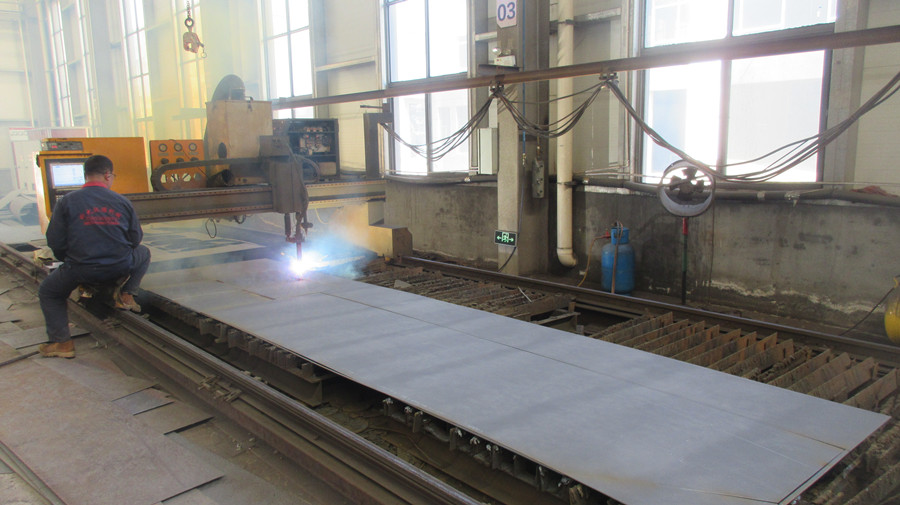
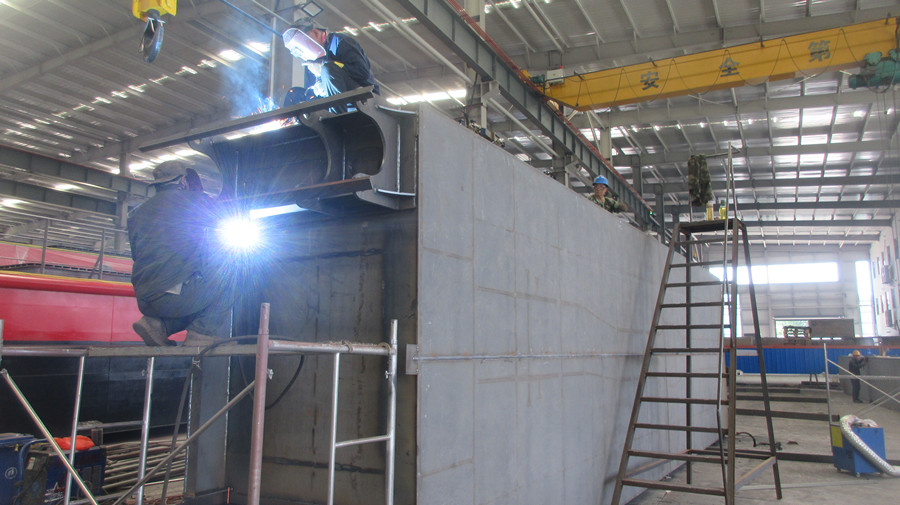
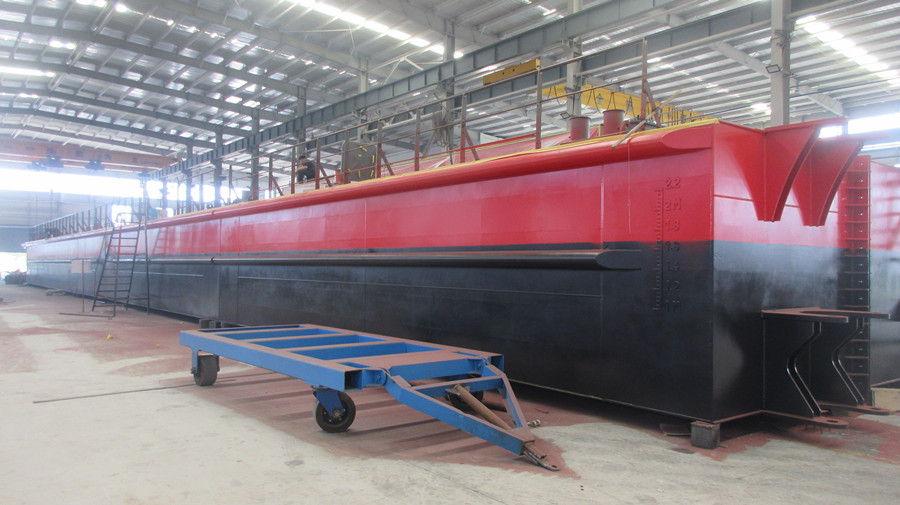
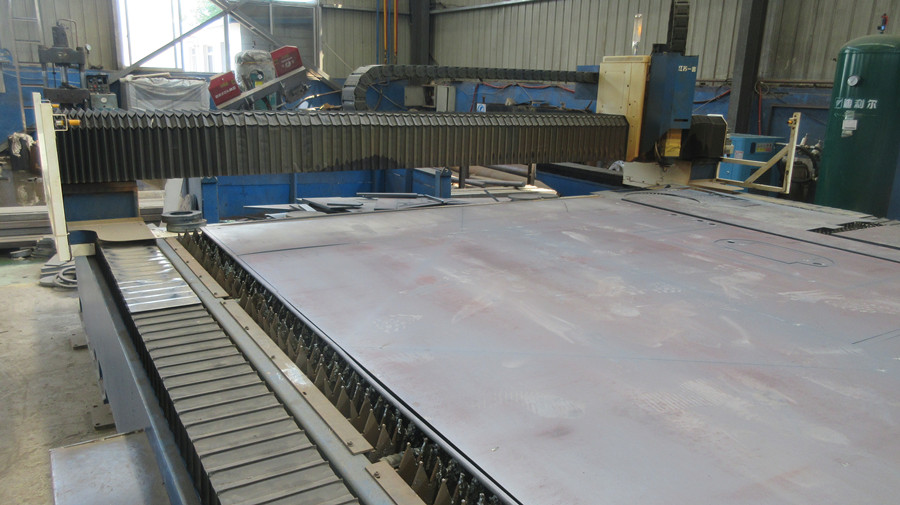
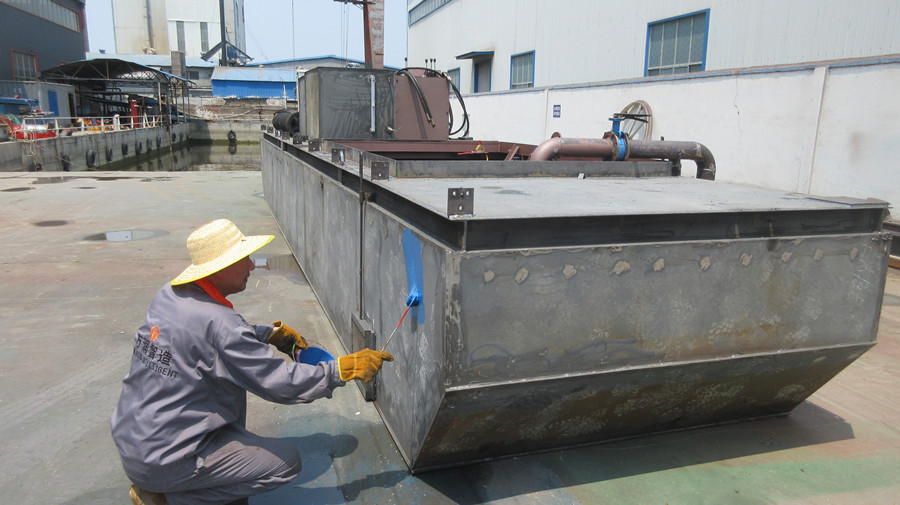
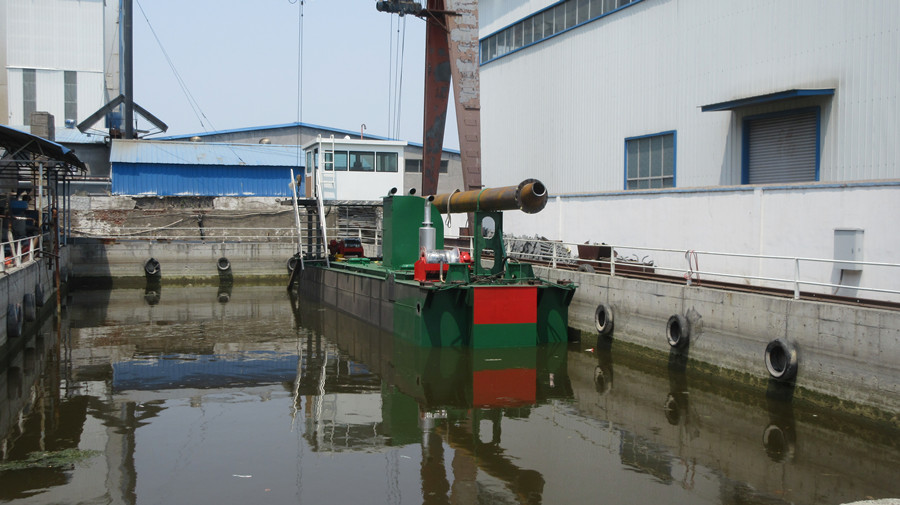
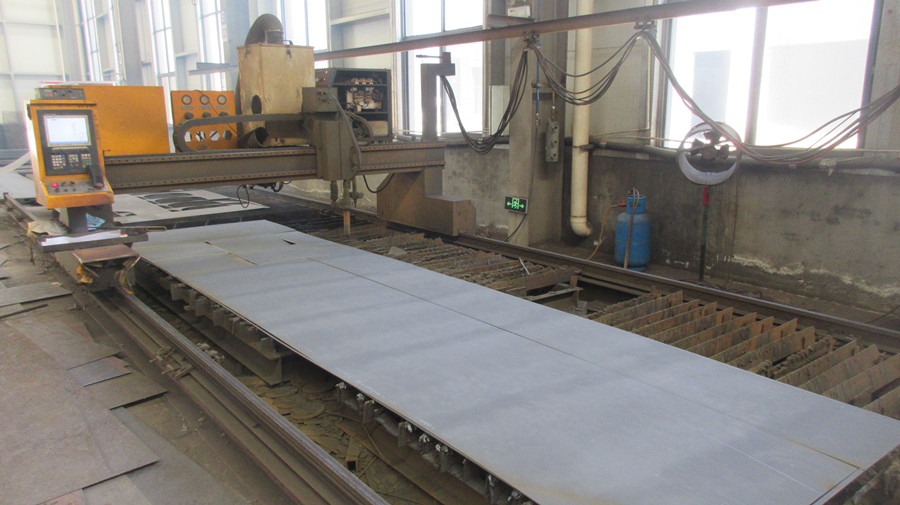
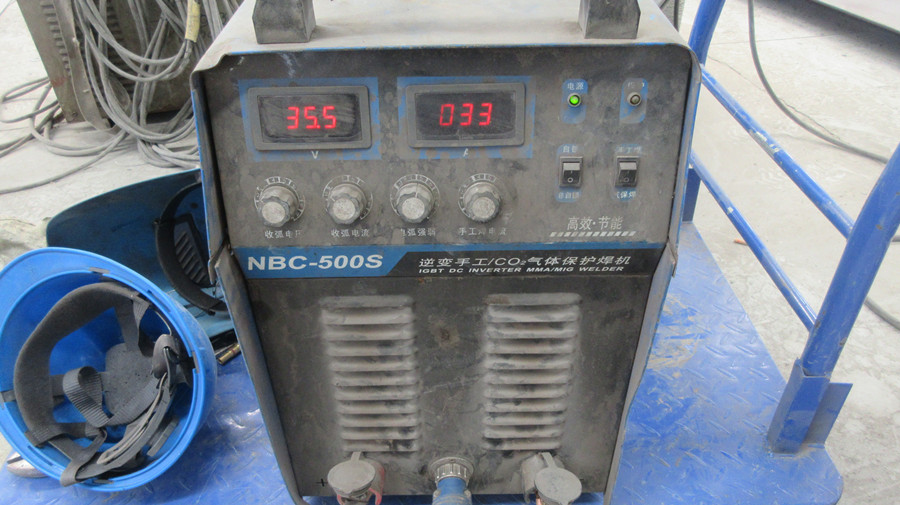
Take a look inside the manufacturing floors where industrial engineering meets strict international standards. Precision, quality control, and testing at every stage.
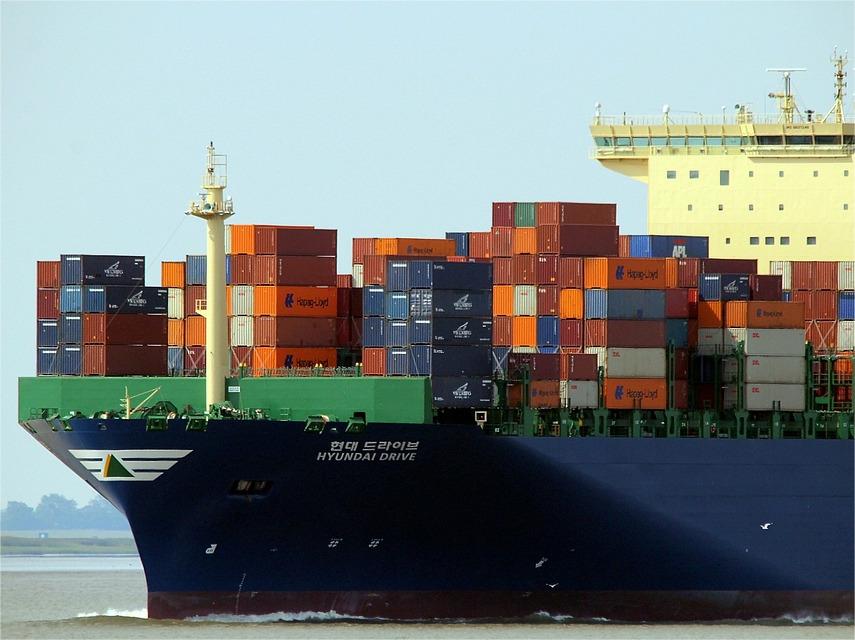
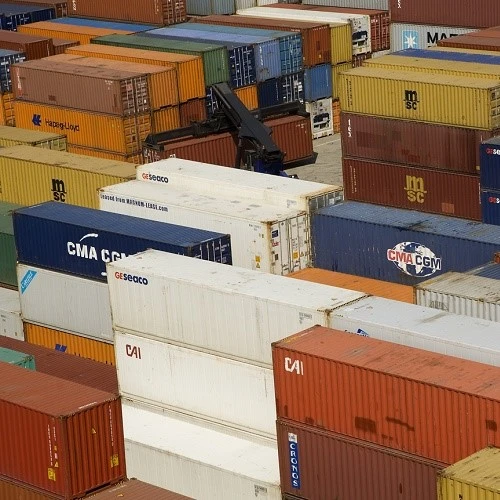
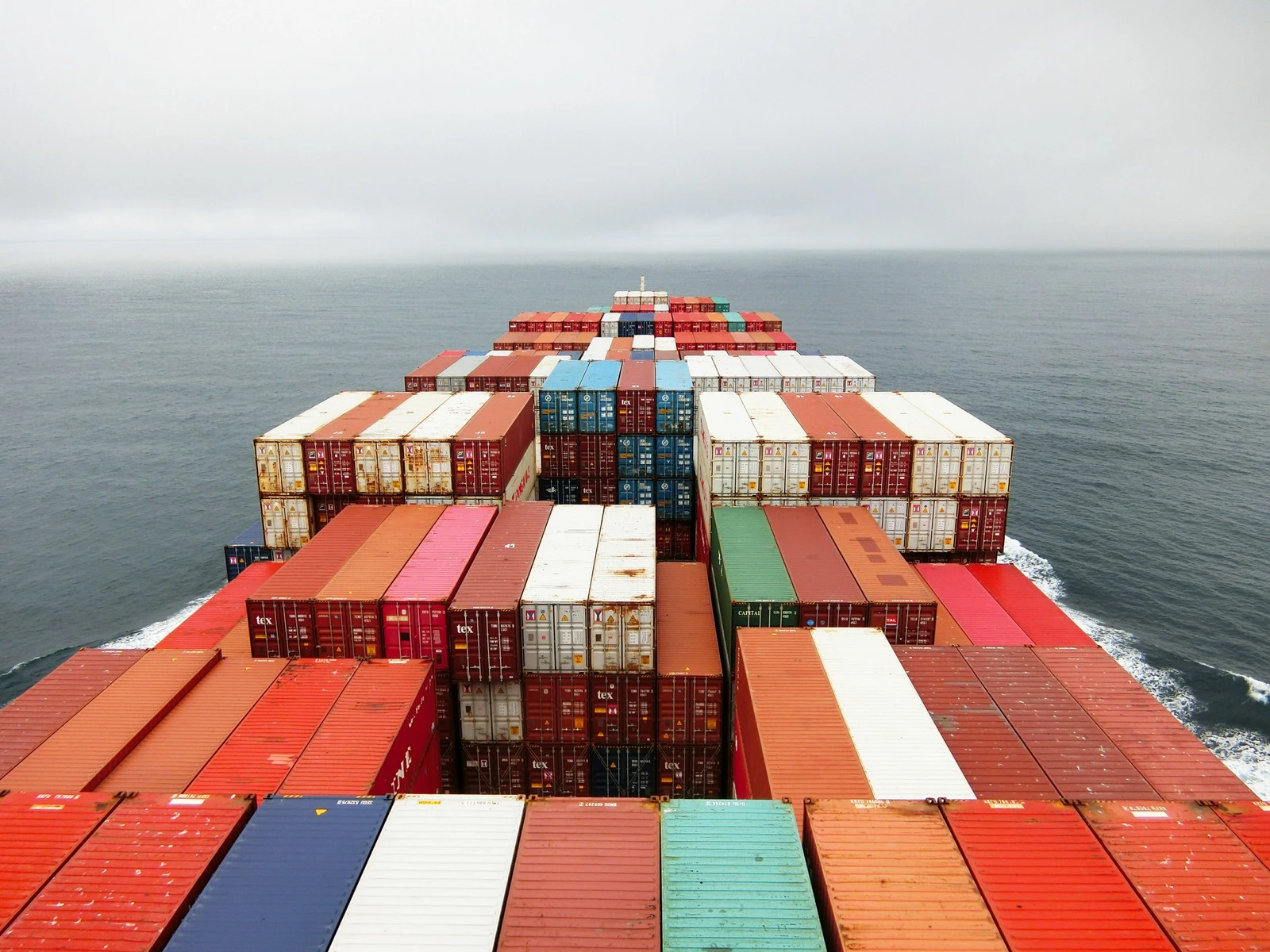
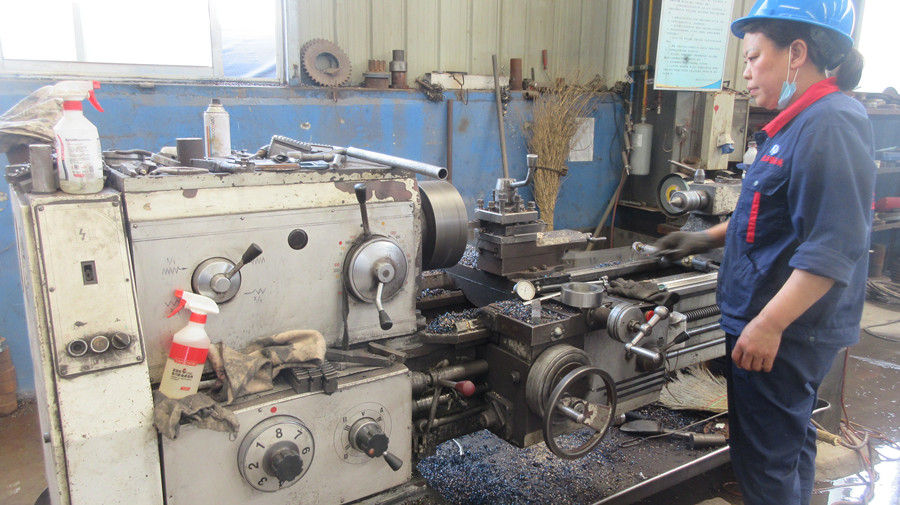
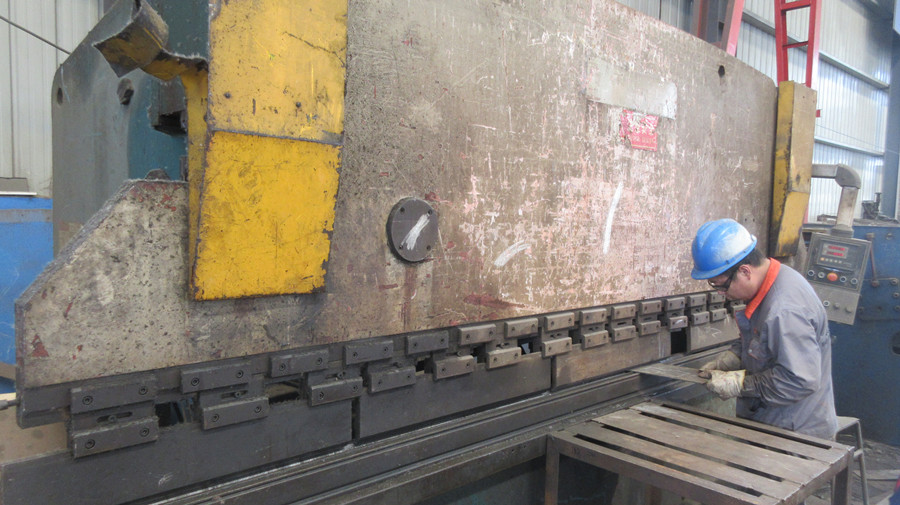
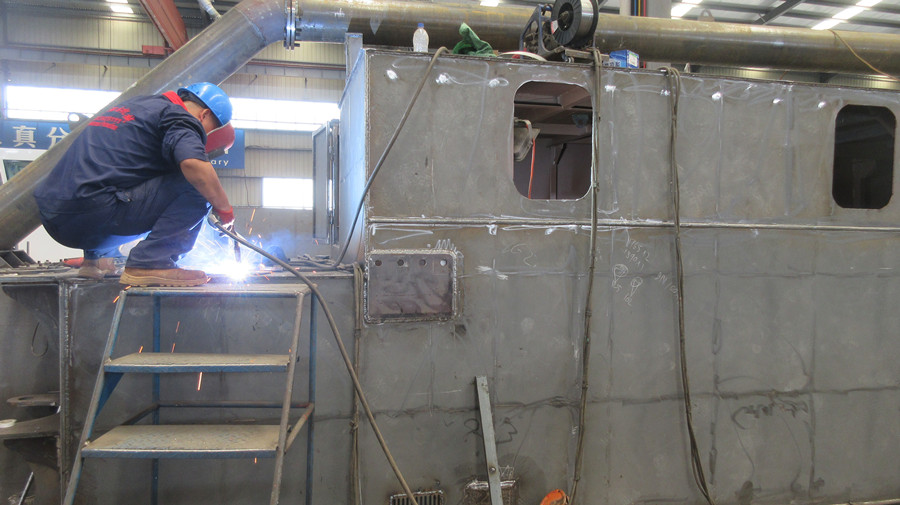
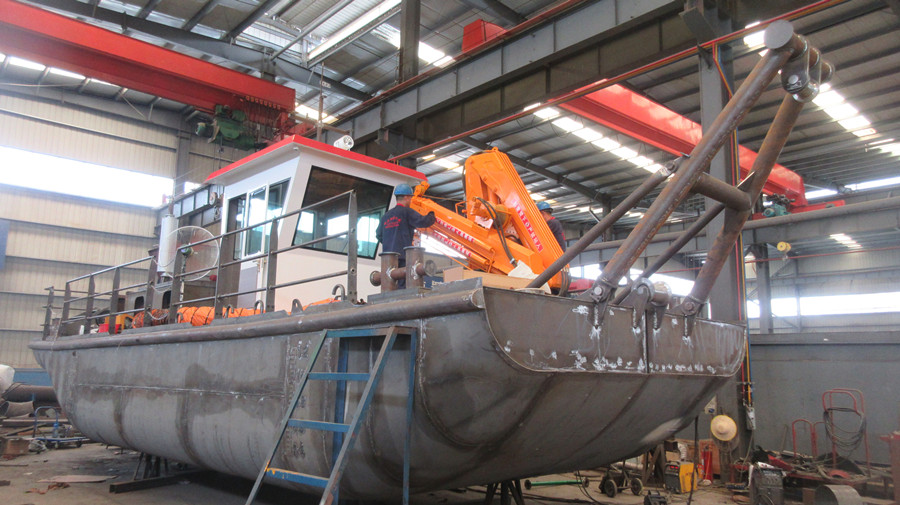
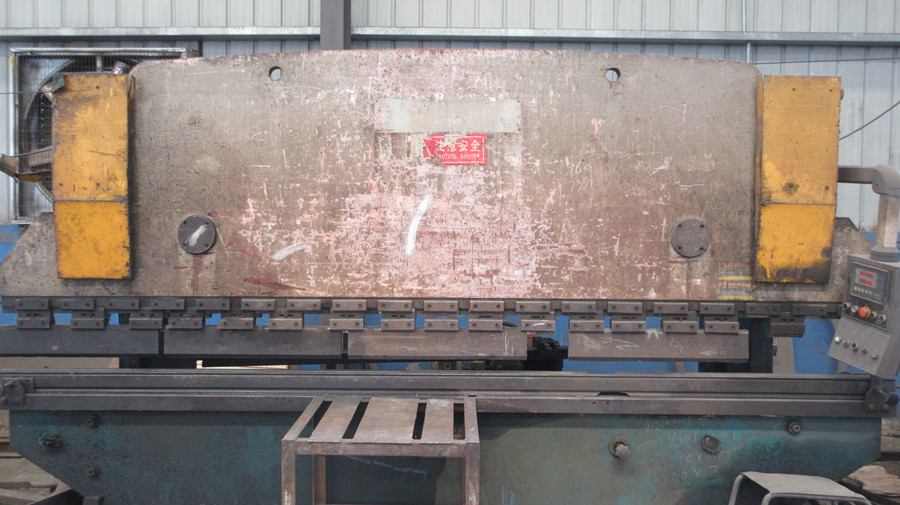
An overview of how China's integrated supply chain, material volume, and engineering capacity support global cold chain logistics.
China accounts for over 85% of the global manufacturing output of ISO shipping containers, including high-tech refrigerated and controlled-atmosphere units. This concentration provides significant advantages to international procurers:
Chinese factories operate within dense industrial clusters in regions like the Pearl River Delta (Guangdong) and the Yangtze River Delta (Shanghai/Qingdao). This proximity minimizes logistics overheads for crucial raw materials: SPA-H Corten steel, premium grade stainless steel, and high-performance sealing plastics. Moreover, global HVAC compressor leaders (Copeland, Daikin, Carrier) have established advanced production bases nearby, ensuring seamless, cost-effective integration of cooling units.
As seen in our production facility, Chinese manufacturers deploy robotic arm welding, high-tonnage CNC bending, and computerized polyurethane foam pouring. This level of automation ensures highly repeatable tolerances. Panel-to-panel joints are welded using high-frequency automated systems to ensure hermetic tightness, which is critical for gas-controlled (CA) environments and thermal energy retention.
Chinese manufacturing bases operate under strict oversight from major classification societies, including ABS, Lloyd's Register (LR), Bureau Veritas (BV), and China Classification Society (CCS). Every reefer unit leaves the factory with CSC certification, ISO 1496-2 compliance, and, when needed, ATP approval (Accord Transport Périssable) for European cross-border perishables transportation.
Integrating premium manufacturing assets with global multimodal logistics solutions since 2018.
Guangdong Changi Logistics Co., Ltd. is a comprehensive logistics enterprise established in 2018, specializing in international freight forwarding and integrated supply chain solutions. The company is committed to providing efficient, reliable, and customized logistics services for global trade and cross-border e-commerce clients.
Our core services include international sea freight, air freight, rail transportation, multimodal transport, warehousing, customs clearance, and end-to-end supply chain management. With a strong global agency network and advanced digital logistics systems, we deliver cost-effective and time-efficient solutions to customers across various industries.
Founded in 2018, Guangdong Changi Logistics Co., Ltd. has grown alongside the rapid expansion of global trade and the rise of cross-border e-commerce. Starting as a traditional freight forwarding service provider, the company has evolved into a full-service logistics and supply chain solutions provider.
Over the years, we have continuously enhanced our operational capabilities by integrating intelligent logistics management systems and real-time tracking technologies. These improvements have significantly increased service efficiency, transparency, and customer satisfaction, enabling us to become a competitive independent logistics provider in the industry.
Our vision is to become a leading global logistics and supply chain partner, driven by innovation and powered by technology. We aim to build a smarter, greener, and more efficient global logistics network that enables seamless international trade and sustainable business growth for our clients.
We believe logistics is more than transportation—it is the foundation that connects global commerce and drives business success. By combining container hardware supply with strategic ocean freight lanes, we close the loop for global buyers.
From sensitive biopharmaceuticals to intercontinental agricultural logistics: how our hardware and logistics network secure delicate cargos.
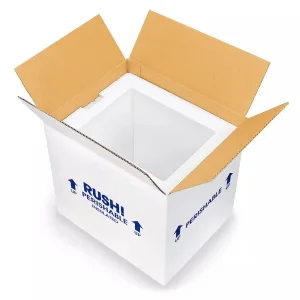
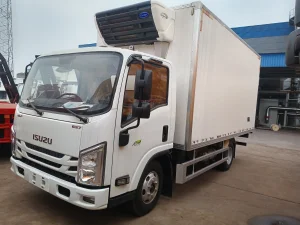
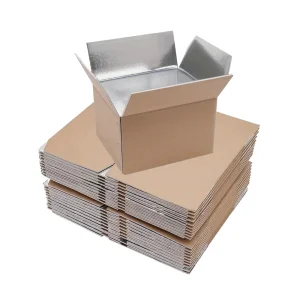
Pharmaceutical shipments require strict temperature adherence. Our Isuzu Refrigerated Vans and specialized insulated liner boxes maintain narrow temperature ranges (2°C to 8°C or deep frozen). This setup protects active ingredients and satisfies Good Distribution Practice (GDP) standards.
Perishables like Durian, Bananas, and Avocados continue to breathe after harvest. Our Smart CA Durian Reefer Containers manage oxygen, carbon dioxide, and humidity levels. This delays ripening, prevents spoilage, and extends product shelf life for trans-oceanic routes.
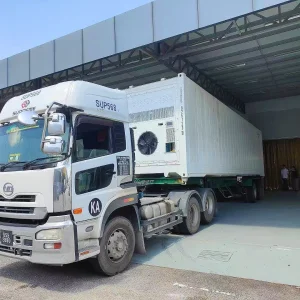
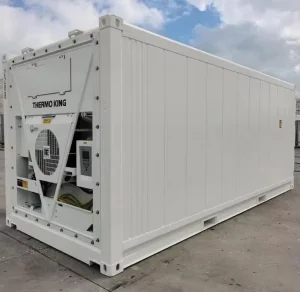
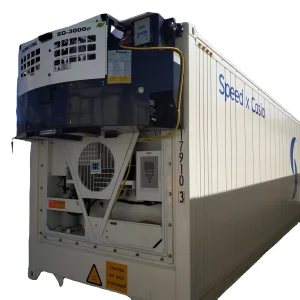
Combining road, rail, and sea logistics requires robust equipment. Our 40ft High Cube Reefers, fitted with reliable Thermo King or Copeland diesel generators, run continuously. They keep temperatures stable during rail transfers and cross-border customs clearances.
What global procurement officers should evaluate when sourcing reefer shipping equipment and logistics services.
When investing in cold-chain logistics assets or container fleets, procurement teams must look beyond the initial purchase price. Long-term reliability is determined by structural integrity, thermal efficiency, and mechanical warranty programs. Below are the essential checkpoints:
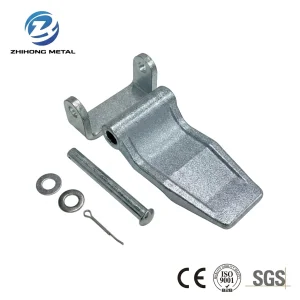
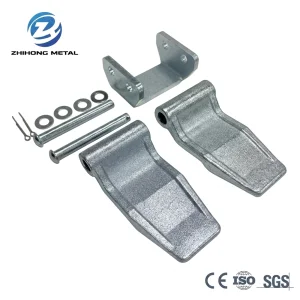
Reefers face highly corrosive marine environments. Ensure the structural container frame is built from SPA-H Corten steel. Hardware like door hinges, locking bars, and pins must be made of high-grade stainless steel to prevent rust and lock failures over time.
Inspect the polyurethane foaming process. Inconsistencies or air pockets inside the walls create thermal bridges that force the cooling unit to run constantly. Reliable factories use high-pressure, single-shot foaming systems to ensure uniform density and low U-values.
Containers must carry valid CSC (Container Safety Convention) plates and comply with ISO 9001, ISO 14001, and ATP standards. Refrigerants must also meet modern eco-regulations, utilizing low-GWP (Global Warming Potential) options like R-134a or R-452A.
Industrial answers to key technical questions on cold chain operations, container management, and procurement.
A standard reefer controls temperature and humidity. A Controlled Atmosphere (CA) container also manages the oxygen (O2) and carbon dioxide (CO2) balance. By lowering oxygen levels, the container slows down the respiration rate of fresh produce, extending shelf life for long-distance transport.
Corten steel (specifically SPA-H grade) features excellent atmospheric corrosion resistance. When exposed to maritime environments, it forms a protective oxide layer that slows down rust. This structural durability makes it ideal for handling heavy intermodal transit loads.
Multi-temp reefers use internal insulated bulkheads and separate evaporators. This design allows operators to set different temperature zones within a single container, making it possible to carry both frozen items (like ice cream) and chilled products (like fresh vegetables) in one shipment.
Pharmaceutical shipping requires GDP (Good Distribution Practice) compliance. Additionally, containers and vehicles must be validated under active temperature-control certifications, featuring calibrated digital logging devices and redundant power generators.
Founded in 2018, Guangdong Changi Logistics integrates equipment sourcing with ocean, air, and rail forwarding. We utilize real-time telemetry to track temperatures, humidity, and location, providing clients with full visibility from factory pickup to final delivery.
Examine our specialized equipment list, featuring heavy-duty structural parts, generators, and customized containers built for extreme transport demands.
 Changi Logistics