Basic Info.
Type
International Aviation Service
Multimodal Transport Connection
Rail + Sea/Road/Air Transport, Achieving "Door-to-
Standard Runtime
Western Corridor: 12-15 Days, Eastern Corridor: 10
Transportation Costs
30% Higher Than Sea Freight, 60%-70% Lower Than Ai
Product Category
New Energy Vehicles (18%), Photovoltaic Modules (1
Belt and Road Positioning
a Core Carrier of "Hard Connectivity" in Internati
Transport Package
Case/Crate/Wooden Crate etc. Regular
Specification
Various large item sizes
Trademark
China-Europe Railway Express (CRE)
Production Capacity
80000PCS/Week
Product Description
China-Europe Railway Express: A Strategic Lifeline of Eurasian Connectivity
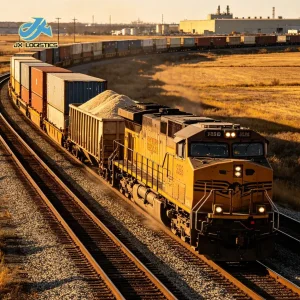
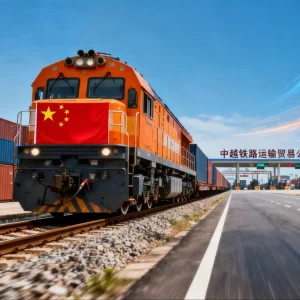
The China-Europe Railway Express (CRE, also known as CR Express), launched in March 2011 with the inaugural journey from Chongqing to Duisburg, Germany, has evolved into a cornerstone of transcontinental logistics under China's Belt and Road Initiative (BRI). Operated by the China State Railway Group, this rail network bridges Asia and Europe through three strategic corridors, revolutionizing international freight transport with its unparalleled efficiency and sustainability.
Key Features & Achievements
1. Operational Framework
-
Three Main Corridors:
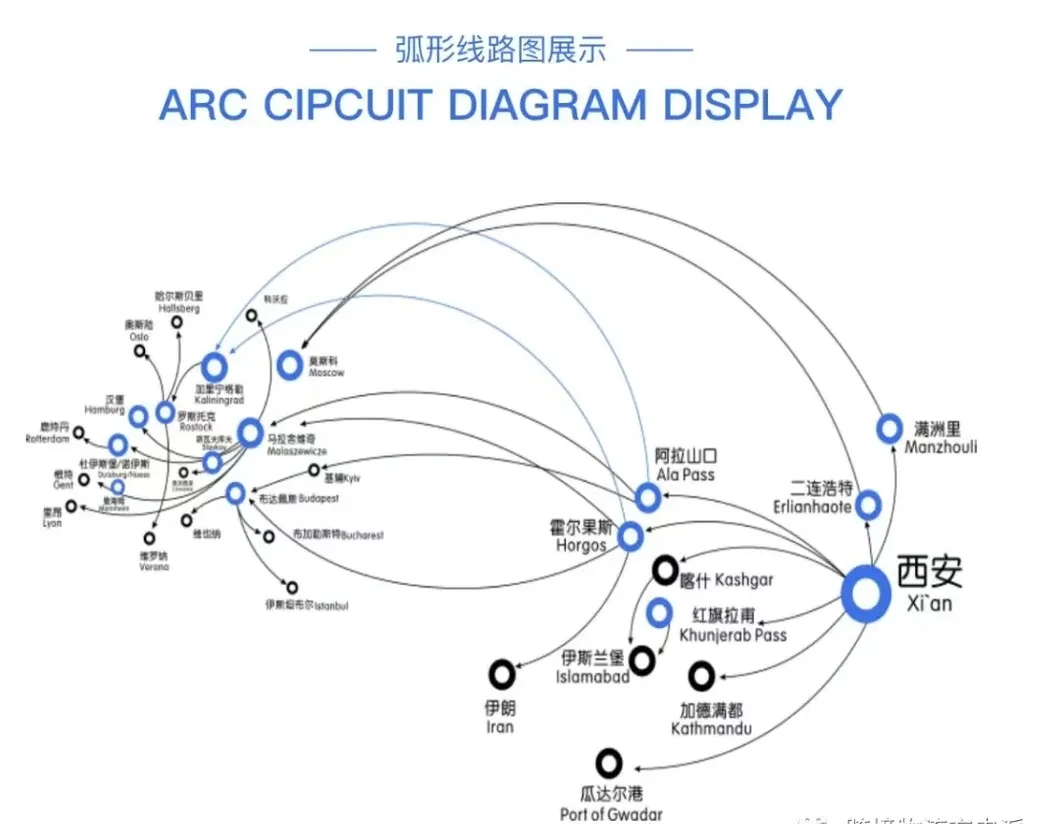
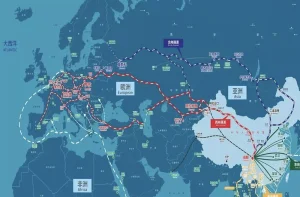
- Western Corridor: Exits via Alashankou (Kazakhstan) or Horgos (China-Kazakhstan border), traversing Central Asia and Russia with ease and precision.
- Central Corridor: Passes through Erenhot (Inner Mongolia), seamlessly linking Mongolia and Russia.
- Eastern Corridor: Connects via Manzhouli/Suifenhe (Northeast China) into Russia, enhancing trade routes.
- Fixed Schedule: Operates with standardized timetables, ensuring reliability for time-sensitive cargo, perfect for businesses requiring punctual delivery.
2. Global Reach & Growth
- As of June 2025, CRE has operated an impressive fleet of over 110,000 trains, delivering an astounding 11 million TEUs (20-foot equivalent units) and generating $420 billion+ in trade value, a testament to its robust capacity and trust in global trade.
- Covers 22 European countries (e.g., Germany, Poland, France) and reaches 60+ destinations, including non-European hubs like Astana (Kazakhstan) and Tashkent (Uzbekistan), expanding its footprint across continents.
3. Competitive Advantages
- Speed: Reduces transit time dramatically to 12-18 days (vs. 30-45 days by sea), offering a perfect balance between the swiftness of air freight and the cost efficiency of maritime transport.
- Cost-Effectiveness: Only 1/5 the cost of air freight and 1/4 the time of sea routes, making it an attractive option for electronics, automotive parts, and perishables.
- Green Logistics: Achieves an impressive reduction of 70% less CO2 emissions than air freight, aligning perfectly with EU carbon neutrality goals and fostering a sustainable future.
4. Economic & Geopolitical Impact
- Trade Diversification: A pivotal player in facilitating China-EU bilateral trade, projected to reach an impressive $850 billion by 2024. Services support vital industries, from electronics—such as the burgeoning IT exports from Chongqing—to agriculture, exemplified by the flourishing tea shipments from Henan.
- Supply Chain Resilience: In the face of potential disruptions in the Red Sea region from 2023 to 2025, operations stand ready to absorb 30% of rerouted containers, ensuring the stabilization of EU manufacturing operations and maintaining the seamless flow of goods.
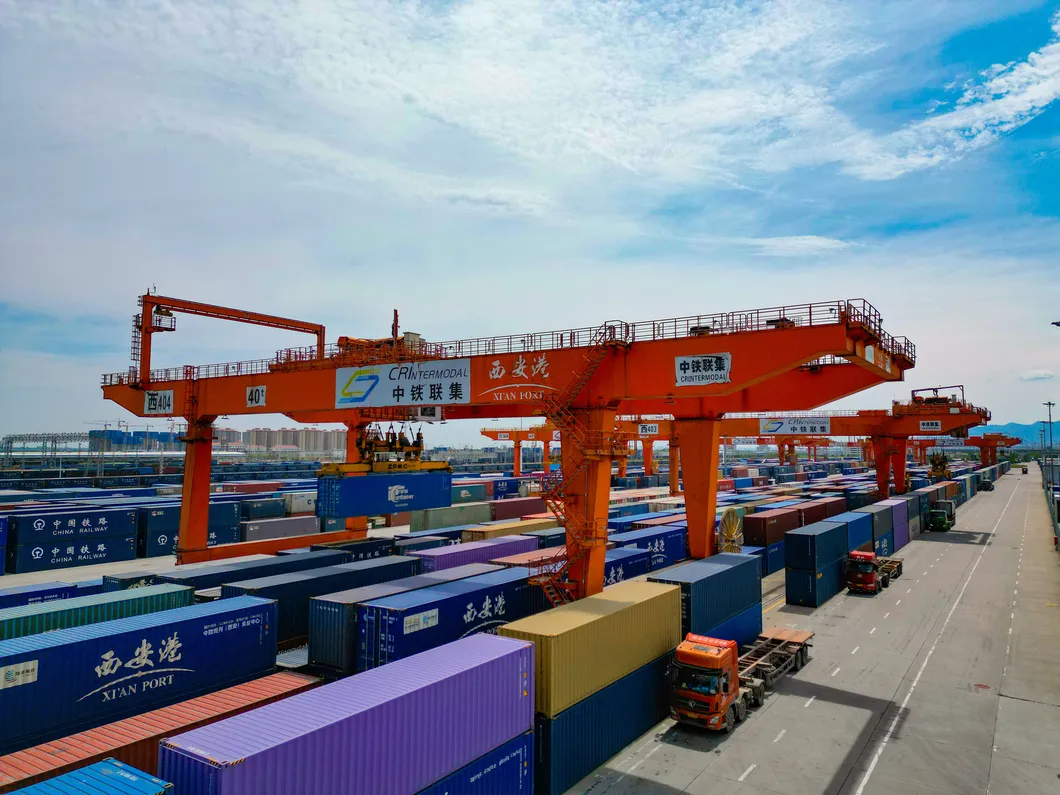
- Regional Development: Strategic operations have revitalized key cities, transforming Xi'an into a top CRE hub with over 3,300 planned departures by 2025 and enhancing Leipzig's status as Germany's largest inland port.
Strategic Significance
CRE embodies the visionary goals of the Belt and Road Initiative by promoting "hard connectivity", which fosters deeper Eurasian integration. By 2030, ambitious plans include expanding reach to 150+ destinations, with pioneering innovations such as block trains (dedicated cargo services) and rail-air intermodal solutions.
This crucial rail artery not only fuels economic synergies but also challenges traditional maritime-centric trade monopolies, revolutionizing the global logistics landscape.
Frequently Asked Questions
What is the China-Europe Railway Express (CRE)?
The China-Europe Railway Express (CRE, also known as CR Express) is a transcontinental rail network bridging Asia and Europe through three strategic corridors, operating under China's Belt and Road Initiative (BRI).
What are the three main corridors of the CRE?
The three corridors are:
• Western Corridor: Exits via Alashankou or Horgos, traversing Central Asia and Russia.
• Central Corridor: Passes through Erenhot, linking Mongolia and Russia.
• Eastern Corridor: Connects via Manzhouli/Suifenhe into Russia.
How does the transit time of CRE compare to sea freight?
CRE reduces transit time dramatically to 12-18 days, which is significantly faster than the 30-45 days typically required by traditional sea freight.
Is the China-Europe Railway Express cost-effective and green?
Yes, it costs only 1/5 of air freight while being 4 times faster than sea routes. Environmentally, it generates 70% less CO2 emissions compared to air transport, supporting global green logistics goals.
How does the CRE support supply chain resilience?
During global shipping disruptions, the rail express acts as a vital buffer capable of absorbing rerouted cargo containers, ensuring the stabilization of manufacturing operations and the seamless flow of goods between continents.
What packaging and specifications are supported for transport?
The transport packages support standard cases, crates, and wooden crates. It accommodates various large item sizes and handles high-capacity goods like new energy vehicles and photovoltaic modules.
 Changi Logistics