Changi Logistics

1 / 5

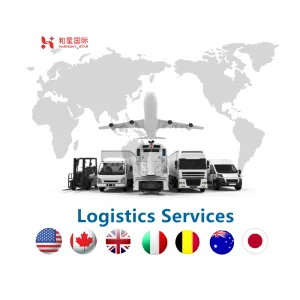
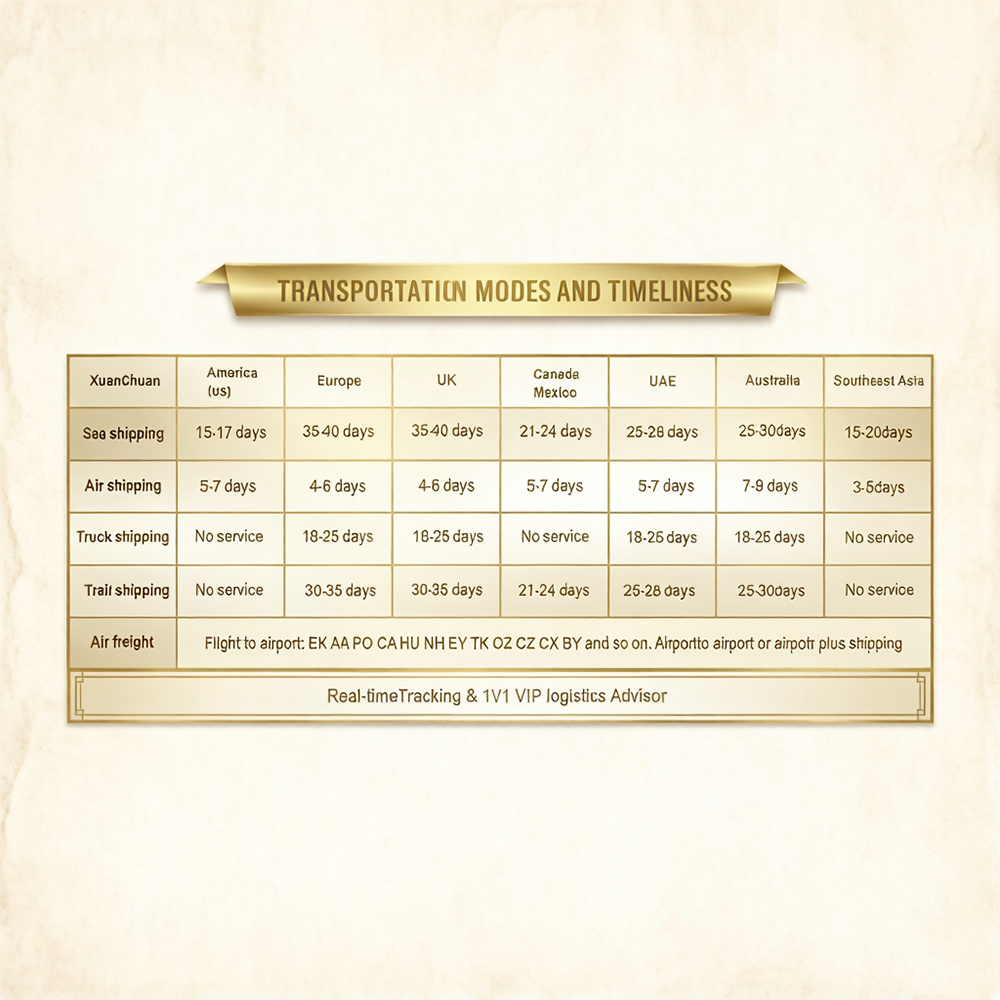
International cargo is mainly transported via ocean freight (ideal for large, heavy shipments), air freight (best for time-sensitive goods), rail freight (efficient overland transit), and road transport (essential for door-to-door delivery).
FCL (Full Container Load) means your cargo occupies an entire container exclusively. LCL (Less than Container Load) allows multiple shippers to share space within a single container, which is more cost-effective for smaller volumes of goods.
Standard customs clearance typically requires a Commercial Invoice, a detailed Packing List, a Bill of Lading (for sea freight) or Air Waybill (for air freight), and any specific import/export licenses or certificates of origin required by the destination country.
Rates are determined by several factors, including the gross weight or dimensional volume of the cargo, the chosen transportation mode, the origin and destination distance, current fuel surcharges, and any additional services like warehousing, packing, or customs brokerage.
Transit times for ocean shipping vary greatly depending on the route. Generally, port-to-port shipping can take anywhere from 15 to 45 days. Factors such as weather, customs processing, and port congestion can also impact the final delivery timeline.
Freight insurance protects your investment against unforeseen risks during transit, such as damage, theft, loss, or accidents. Standard carrier liability is often limited, making cargo insurance essential for comprehensive financial protection.