Pre-engineered solutions ready for deployment across Ohi Container Terminal, Toyosu Fish Port, and regional Kanto distribution points.
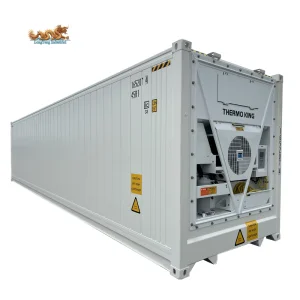
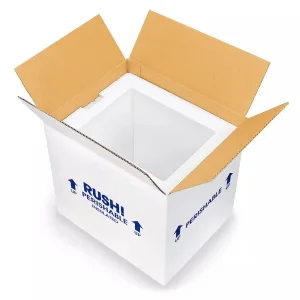
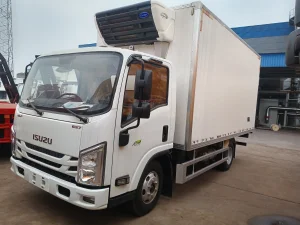
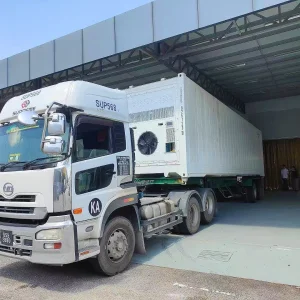
The Tokyo metropolitan area constitutes the largest consumer hub in the world, with over 37 million people demanding an uninterrupted supply of perishable foods, high-value seafood, and critical biopharmaceuticals. Meeting this demand requires an advanced, reliable cold chain infrastructure. Historically, cold-chain transport relied on standard cooling systems. Today, the convergence of ultra-precise temperature controls, Internet-of-Things (IoT) monitoring, and eco-friendly refrigerants is reshaping the industrial landscape of Tokyo's logistics.
In accordance with Japan’s strict Ministry of Agriculture, Forestry and Fisheries (MAFF) guidelines and the Ministry of Health, Labour and Welfare (MHLW) medical standards, cold-chain systems must operate within razor-thin tolerances. Variations of even 0.5°C can result in container rejections, particularly for pharmaceutical shipments and ultra-frozen marine products headed to Toyosu Market. This whitepaper analyzes how advanced multi-temperature reefer units and integrated logistics workflows from exporters like Guangdong Changi Logistics Co., Ltd. address these requirements.
Tokyo's industrial shipping is centered around major maritime gateways: the Port of Tokyo (including Ohi and Aomi terminals) and the Port of Yokohama. These ports handle massive volumes of import-export reefers annually. In recent years, several key factors have driven change in the Tokyo market:
Modern reefer container fleets serving Tokyo must deploy a set of redundant technologies to safeguard cargo and satisfy local environmental regulations:
Our systems use a multi-tiered monitoring architecture designed for Japanese regulatory approval:
Tier 1: Hardware Sensors
Duplicated PT100 temperature sensors measure air supply and return temperatures within ±0.1°C accuracy.
Tier 2: Real-time Cloud Uplink
IoT Gateway using 4G/5G with satellite fallback transmits core data during ocean transit.
Tier 3: Kanto Control Center
Continuous automated alert routing to identify and resolve temperature deviations quickly.
Established in 2018, delivering integrated supply chain solutions and high-quality equipment to international freight networks.
Guangdong Changi Logistics Co., Ltd. is a comprehensive logistics enterprise specializing in international freight forwarding and integrated supply chain solutions. The company is committed to providing efficient, reliable, and customized logistics services for global trade and cross-border e-commerce clients.
Our core services include international sea freight, air freight, rail transportation, multimodal transport, warehousing, customs clearance, and end-to-end supply chain management. With a strong global agency network and advanced digital logistics systems, we deliver cost-effective and time-efficient solutions to customers across various industries.
Our vision is to become a leading global logistics and supply chain partner, driven by innovation and powered by technology. We aim to build a smarter, greener, and more efficient global logistics network that enables seamless international trade and sustainable business growth for our clients. We believe logistics is more than transportation—it is the foundation that connects global commerce and drives business success.
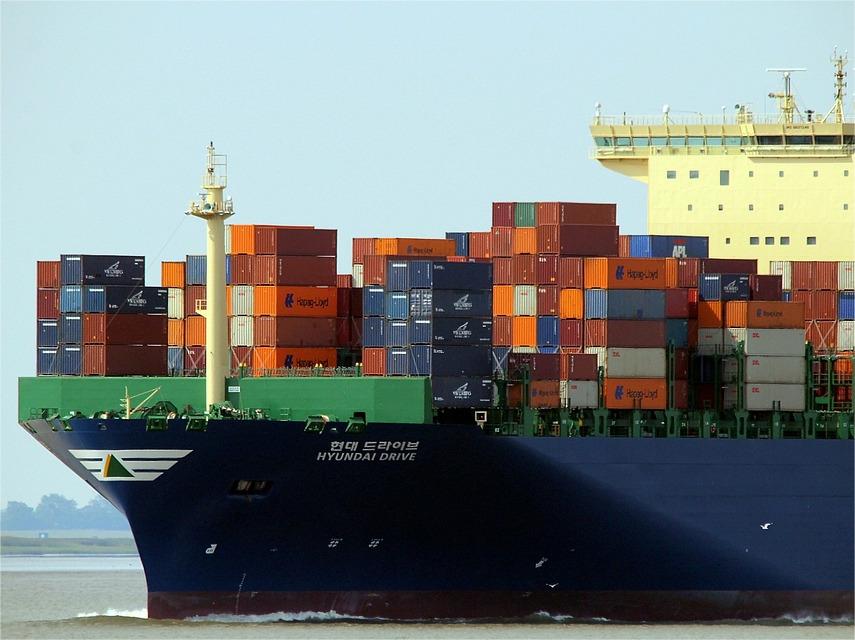
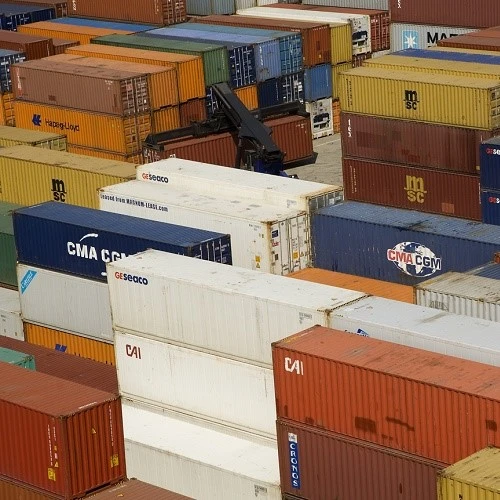

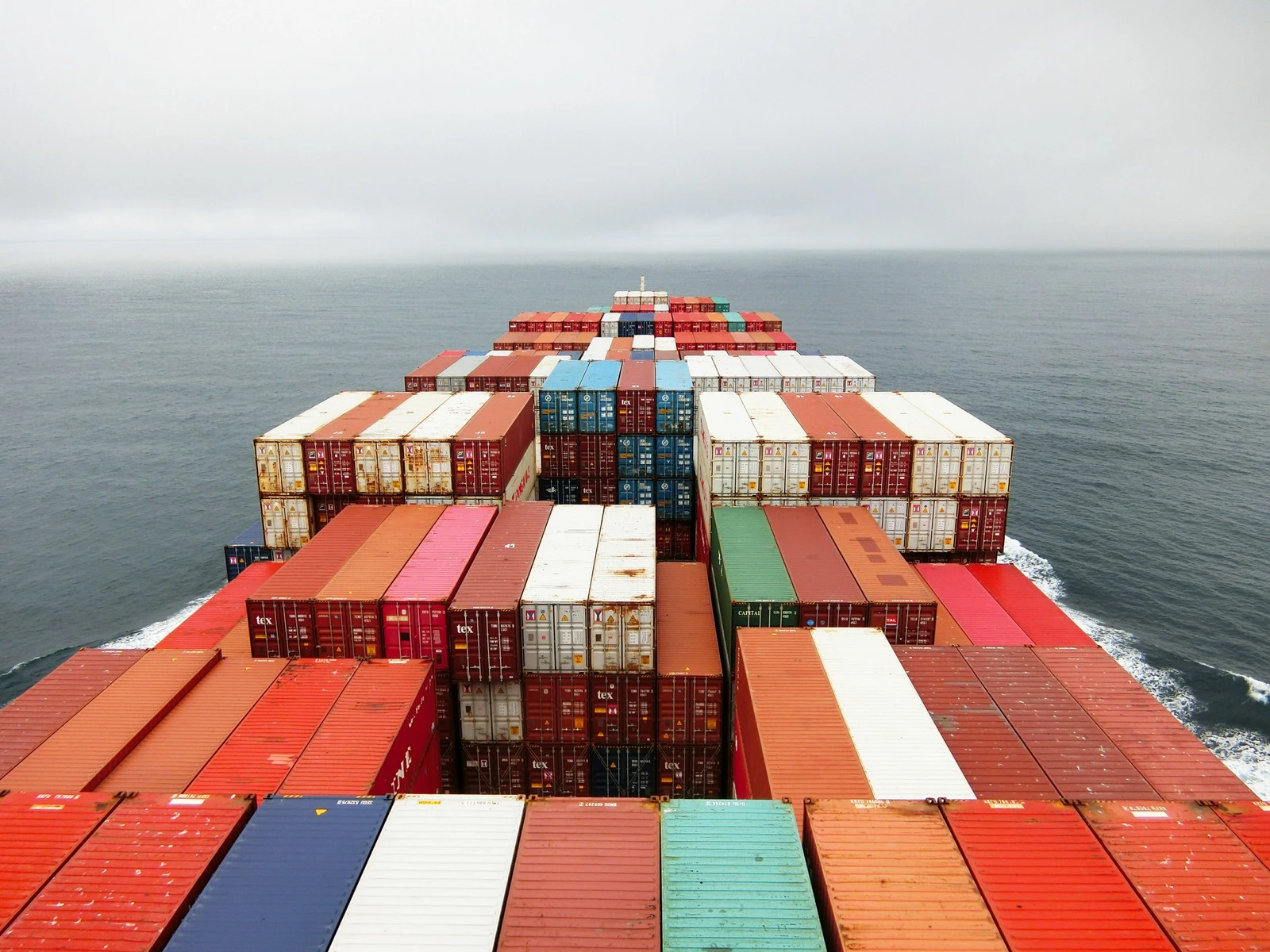
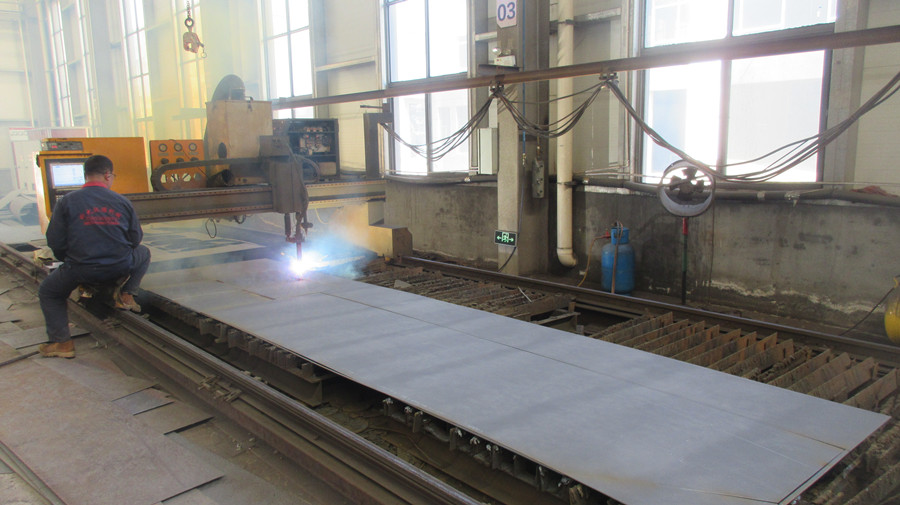
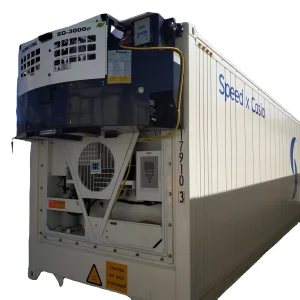
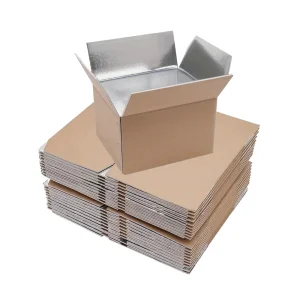
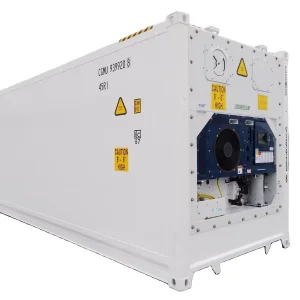
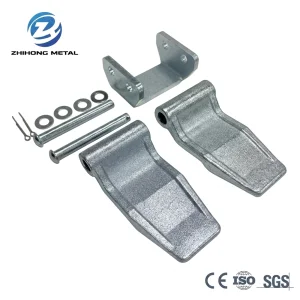
Every cold-chain container and mechanical module undergoes a strict fabrication flow to guarantee structural integrity and thermal performance under harsh marine conditions.
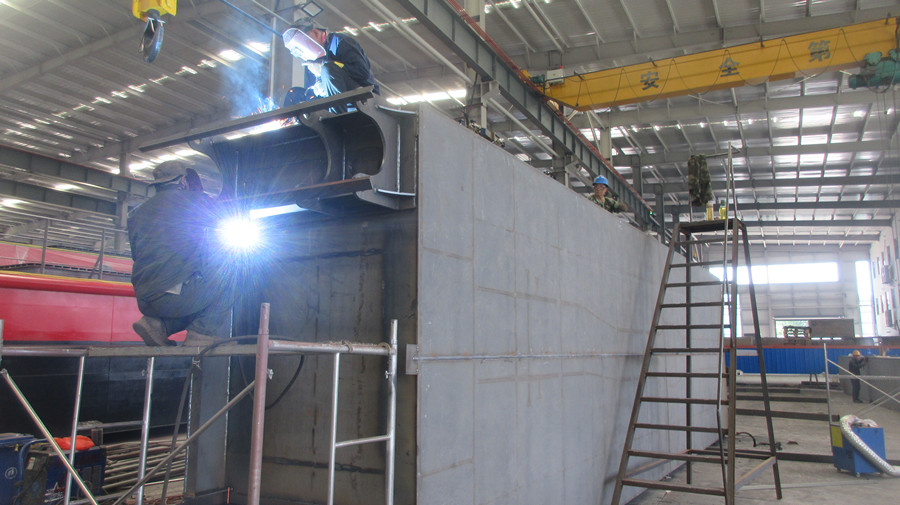
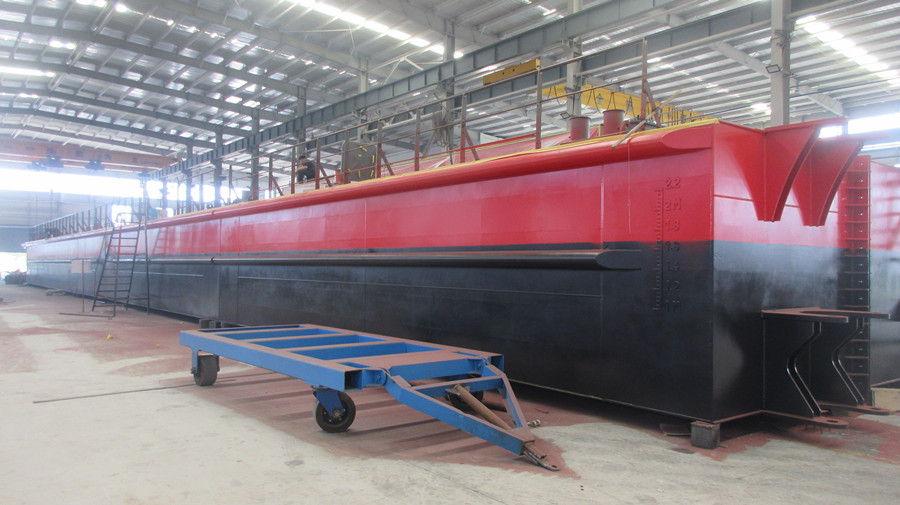
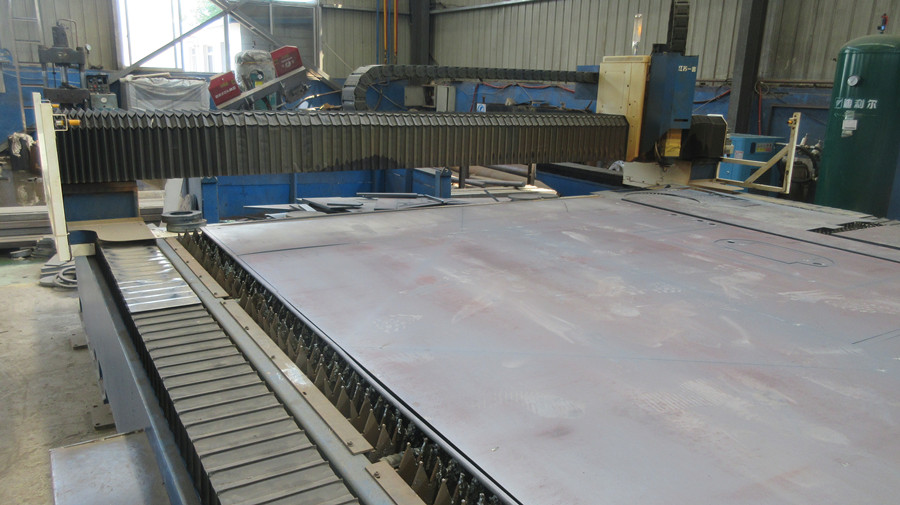
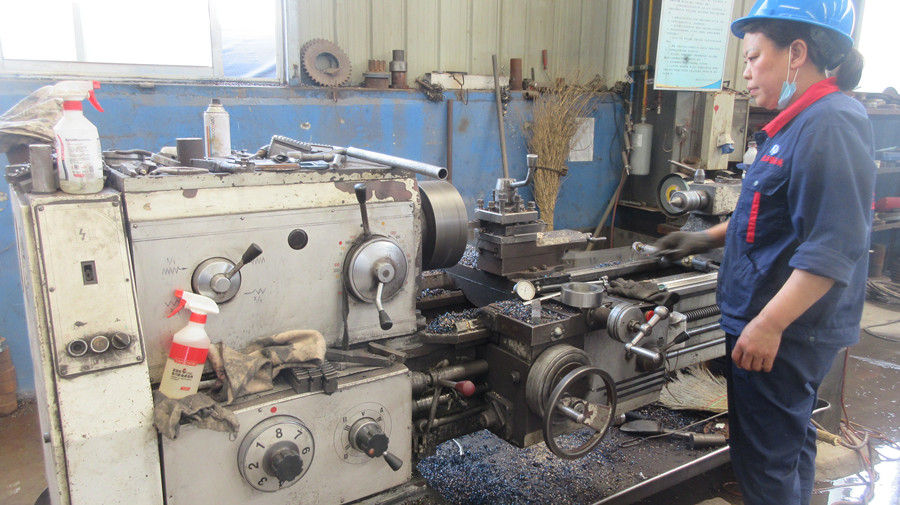
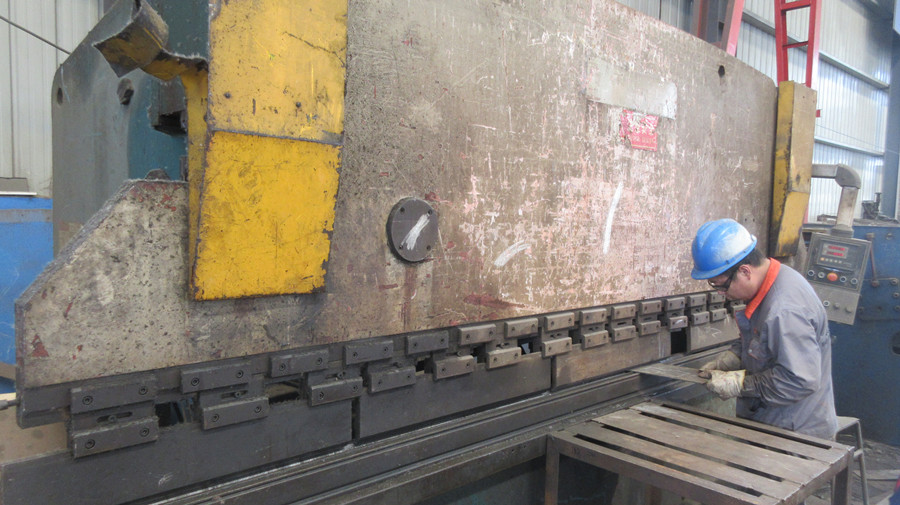
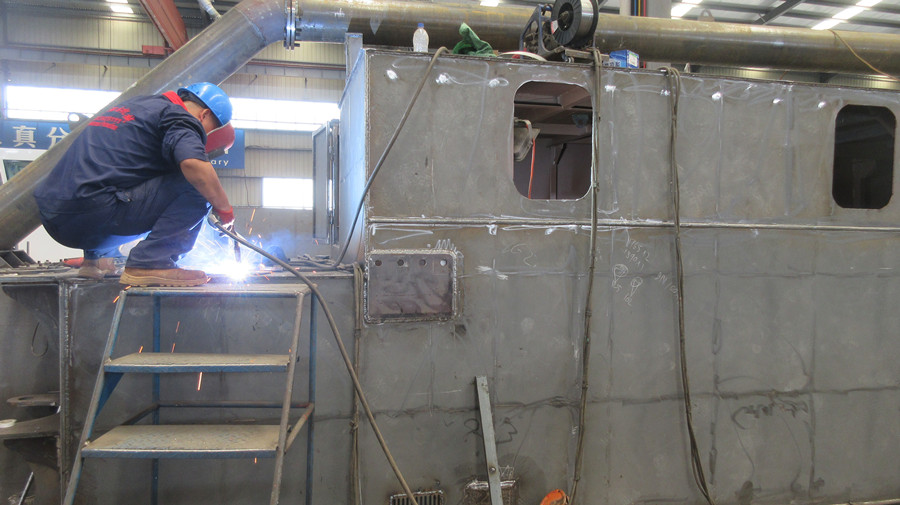
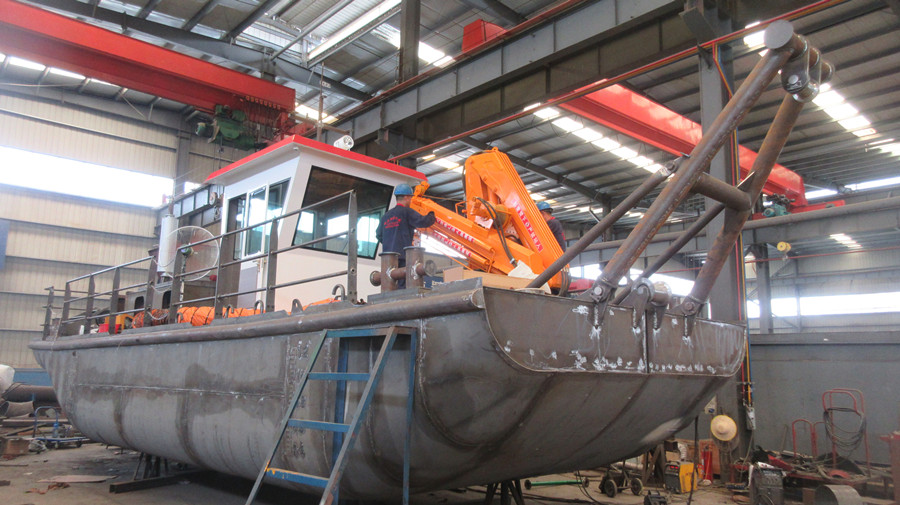
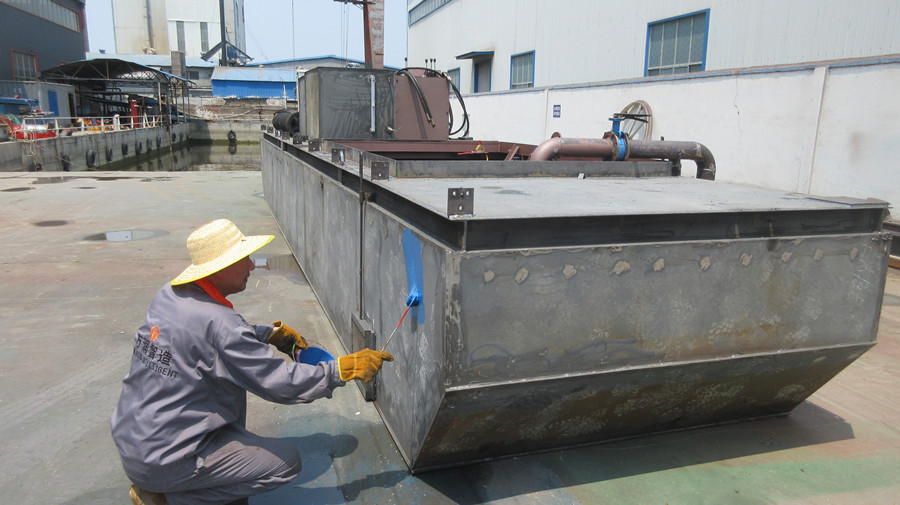
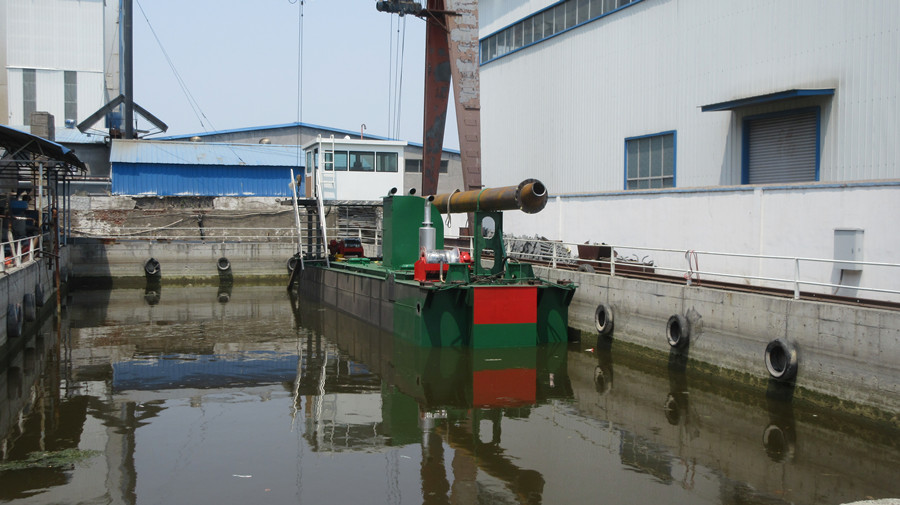
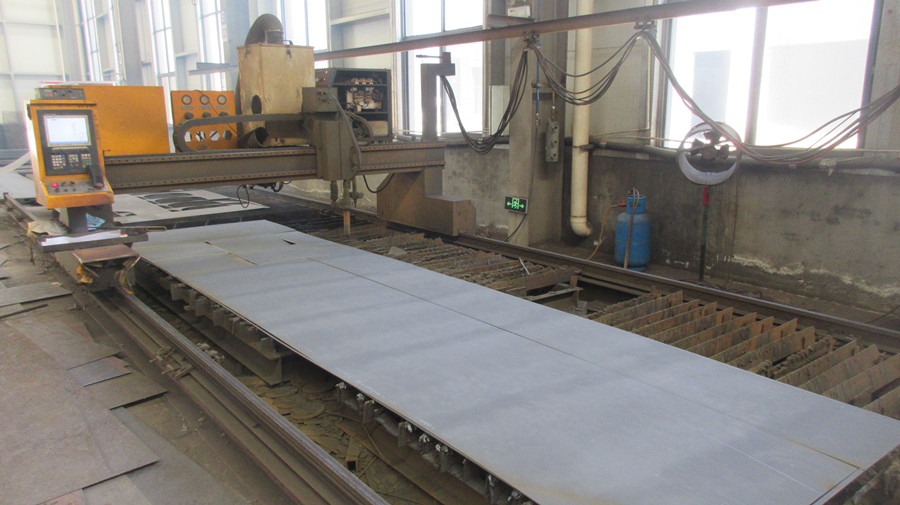
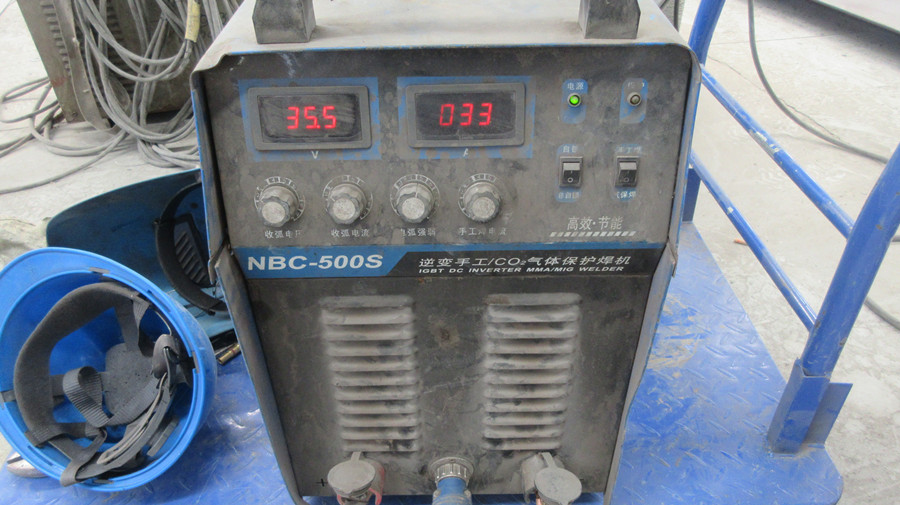
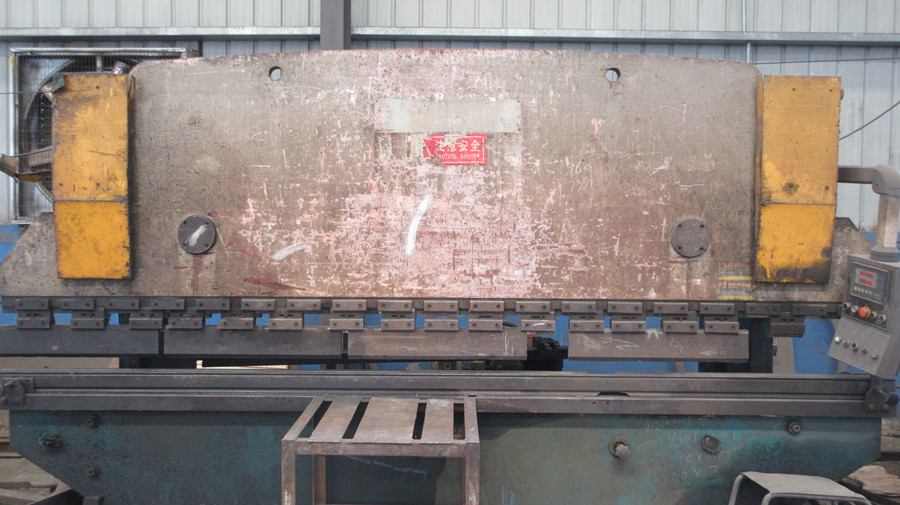
Premium ISO-certified equipment engineered to maintain optimal temperature ranges across regional Japanese distribution systems.
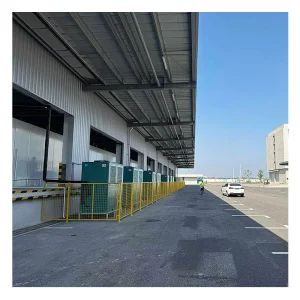
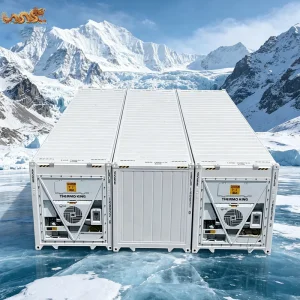
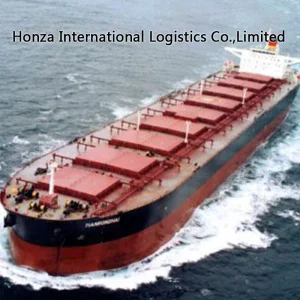
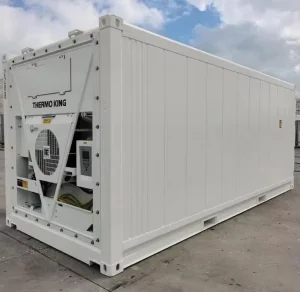
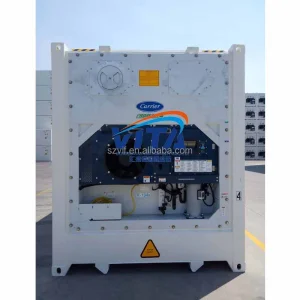
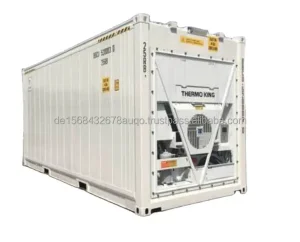
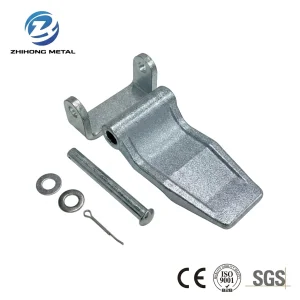
Ensure uninterrupted operation during long-haul sea freight transits to Tokyo with heavy-duty gensets and foil thermal insulation.
Securing port entry and customs clearance in Japan involves navigating unique operational steps. Containers entering the Port of Tokyo must conform to strict JAS (Japanese Agricultural Standards) and food contact sanitary provisions under the Food Sanitation Act. Here is our localized support methodology:
Deconsolidation and Pre-Inspection: We coordinate with import customs brokers in Tokyo to ensure all phytosanitary certifications for fresh commodities are processed ahead of arrival. Our smart telemetry systems provide data logs to customs officers to demonstrate temperature stability during transit.
Maintenance and Terminal Compliance: Reefer machinery must comply with local safety requirements. We perform pre-trip inspections (PTI) at departure, certifying electrical component compliance with Japanese standards before containers are delivered to Kanto terminal yards.
Intermodal Operations: We configure chassis mounting interfaces to align with Japanese weight limits. This keeps high-cube reefer cargo fully compliant with local transport regulations for domestic road freight.
Key information regarding shipping regulations, equipment selection, and transit monitoring for the Tokyo metropolitan market.
 Changi Logistics