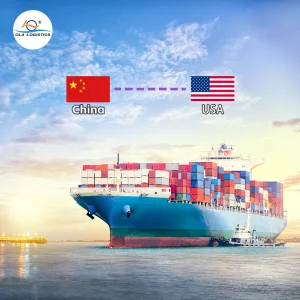
Specially engineered consolidation solutions connecting high-intensity production sectors in China directly to Klang Valley distributors.
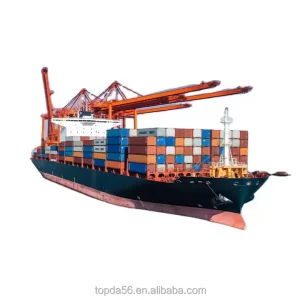
Kuala Lumpur, the commercial hub of Malaysia, acts as a primary entry node for import cargo distributed throughout the Klang Valley, Shah Alam, Puchong, and Balakong. The local logistics ecosystem depends highly on Port Klang (comprising Westports and Northports) to supply critical raw materials, finished electronics, mechanical equipment, and consumer products.
With volatile consumer markets demanding shorter inventory cycles, Less than Container Load (LCL) ocean freight has transitioned from a basic transportation service to a strategic inventory management tool. Businesses can avoid high capital expenditure in full container loads (FCL) while avoiding the prohibitive costs associated with international air freight.
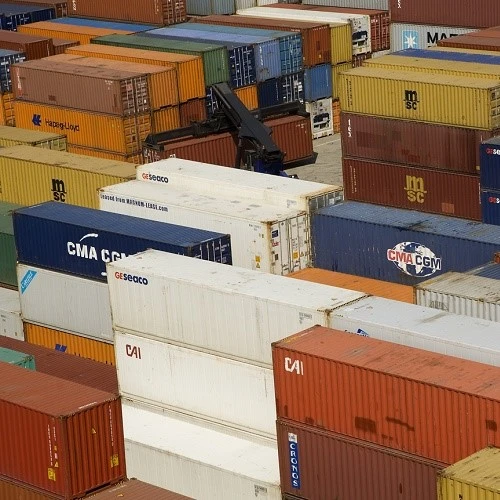
Leveraging China's manufacturing ecosystems gives Kuala Lumpur importers a distinct price and lead-time advantage. Direct container consolidations initiated from the Pearl River Delta (Shenzhen, Nansha, Guangzhou) and Yangtze River Delta (Ningbo, Shanghai) enable highly synchronized cargo flows.
By using Guangdong Changi Logistics' owned and operated origin warehouses, shipments from various suppliers are aggregated into single LCL containers. This significantly minimizes physical handling, reduces transshipment damage risks, and drives down per-CBM transit rates.
Optimized logistics channels catering to retail, multi-supplier projects, and e-commerce platforms requiring secure handling.
Ensuring cargo integrity through data-driven loading algorithms, robust packaging services, and advanced tracking solutions.
Our warehouses leverage automated load planning systems. By simulating weight distribution and cargo sizes, we optimize container space usage to prevent load shifting and transit damage.
We handle all documentation, including local HS classification, customs entry declarations in Malaysia, SST evaluations, and processing of Form E for zero-tariff benefits.
Track your LCL shipments from origin warehouse dispatch, container loading, ocean voyage, arrival at Port Klang, through to final customs clearance and warehouse delivery.
Guangdong Changi Logistics Co., Ltd. is a comprehensive logistics enterprise established in 2018, specializing in international freight forwarding and integrated supply chain solutions. The company is committed to providing efficient, reliable, and customized logistics services for global trade and cross-border e-commerce clients.
Our core services include international sea freight, air freight, rail transportation, multimodal transport, warehousing, customs clearance, and end-to-end supply chain management. With a strong global agency network and advanced digital logistics systems, we deliver cost-effective and time-efficient solutions to customers across various industries.
Founded alongside the rapid expansion of global trade and the rise of cross-border e-commerce, the company has evolved into a full-service logistics and supply chain solutions provider. Over the years, we have continuously enhanced our operational capabilities by integrating intelligent logistics management systems and real-time tracking technologies. These improvements have significantly increased service efficiency, transparency, and customer satisfaction, enabling us to become a highly competitive logistics partner.
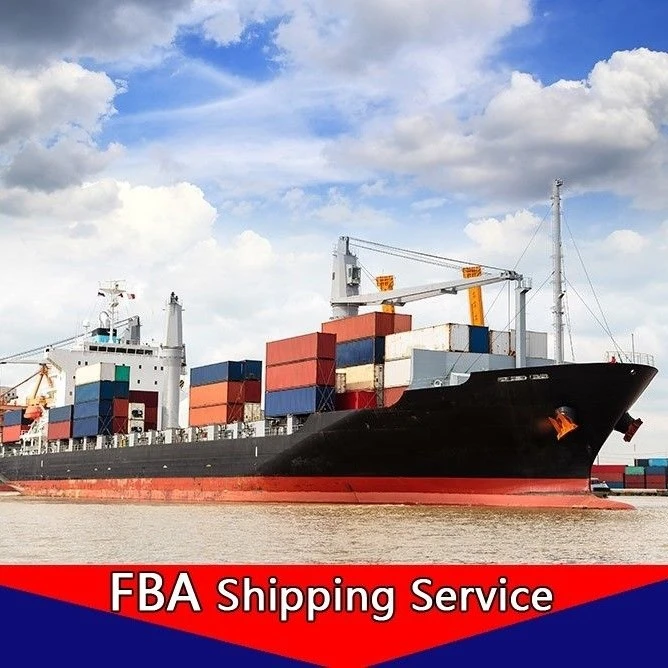
To become a leading global logistics and supply chain partner, driven by innovation and powered by technology. We aim to build a smarter, greener, and more efficient global logistics network that enables seamless international trade and sustainable business growth for our clients.
We are committed to delivering long-term value to our clients through innovative logistics solutions and professional service excellence by providing safe, stable, and efficient international logistics, optimizing global supply chain structures to reduce overall costs, and enhancing digitalization and visibility across the entire shipping process.
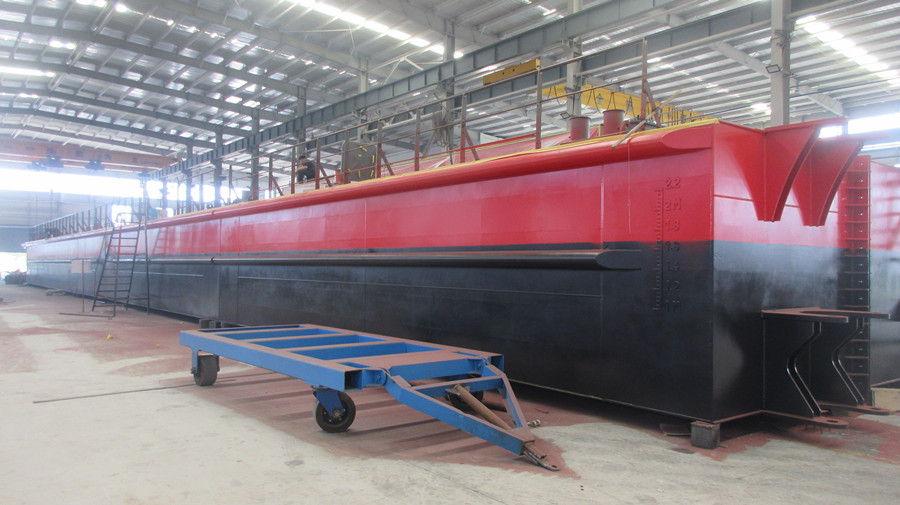
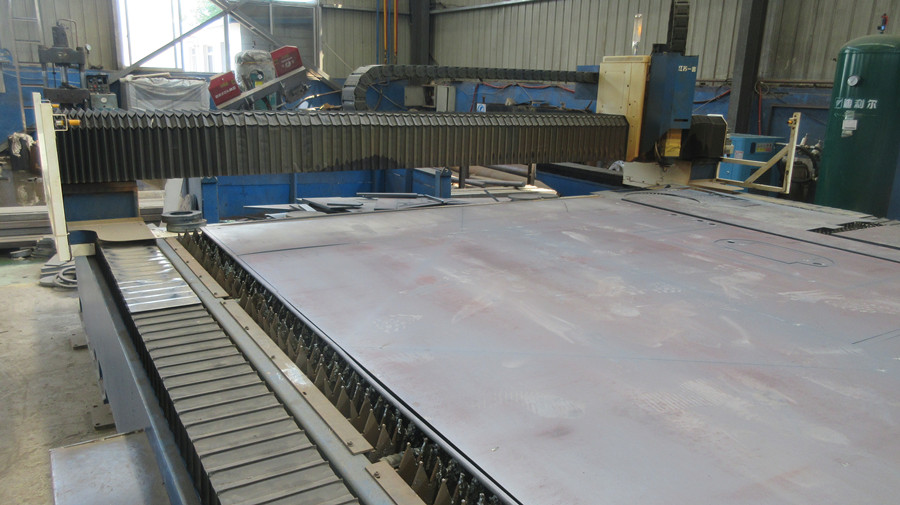
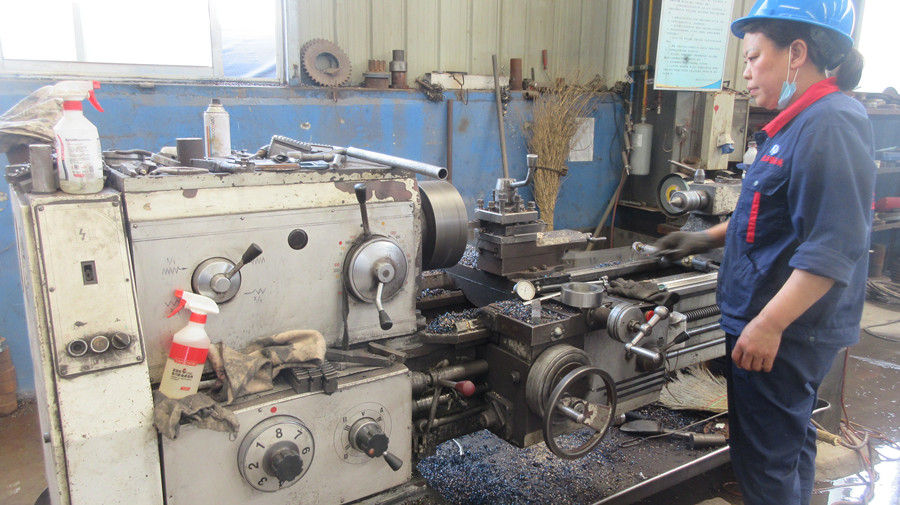
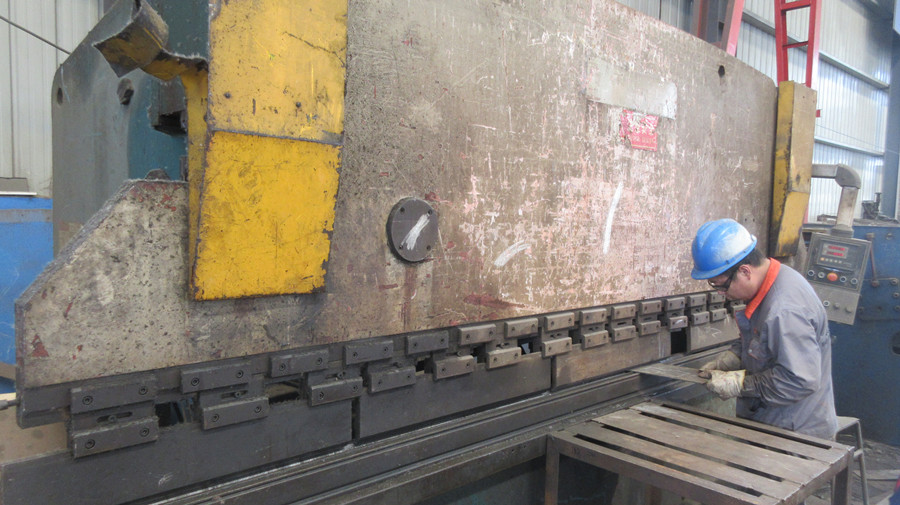
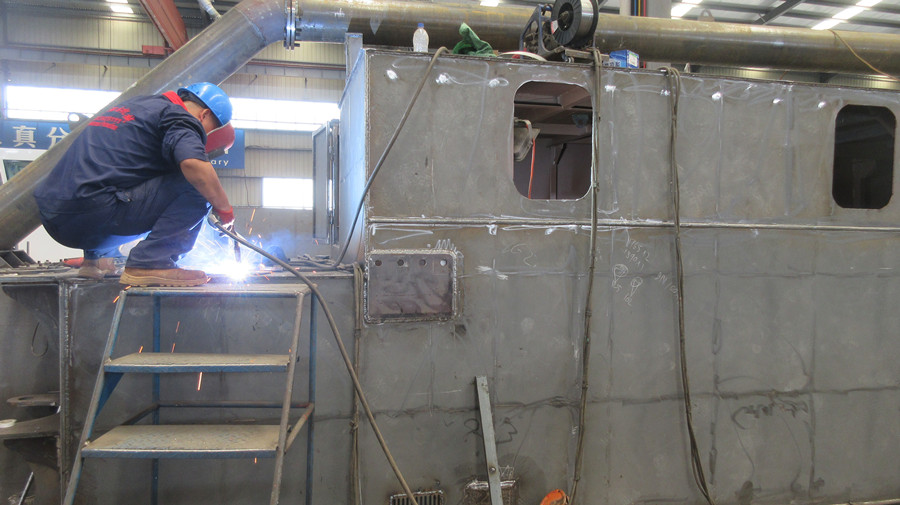
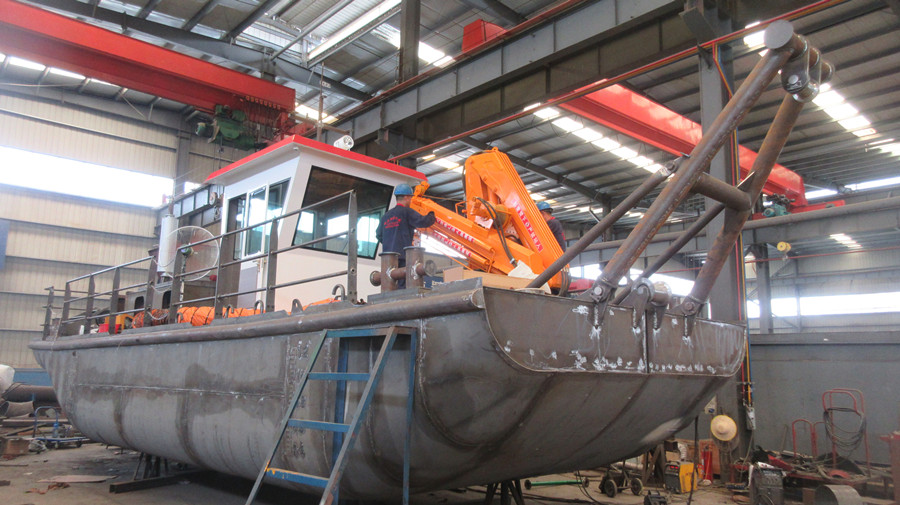
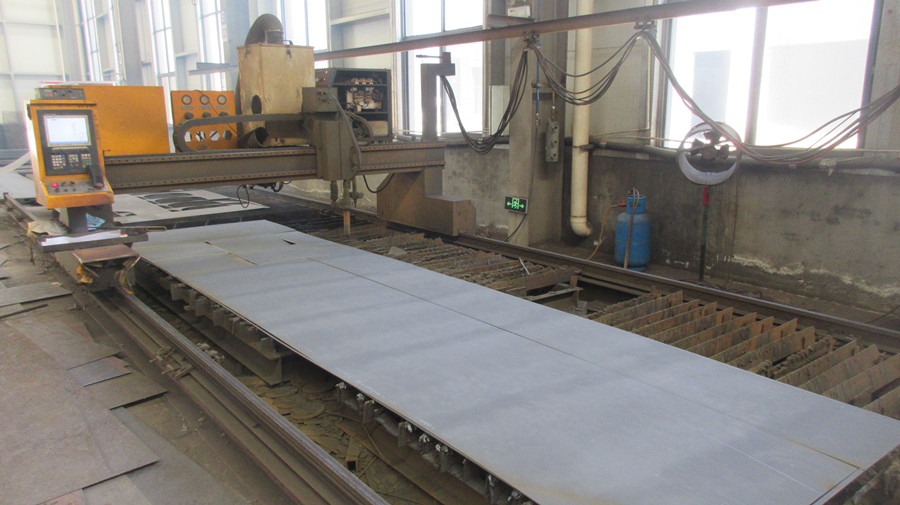
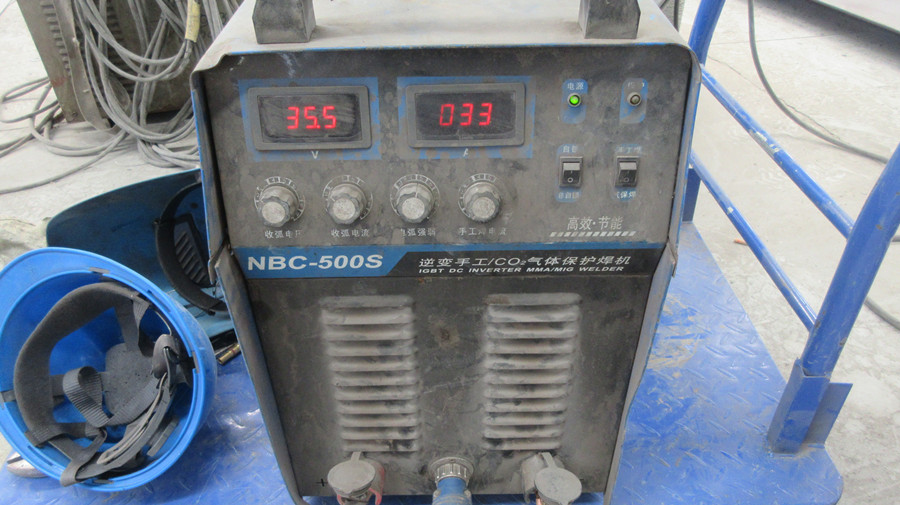
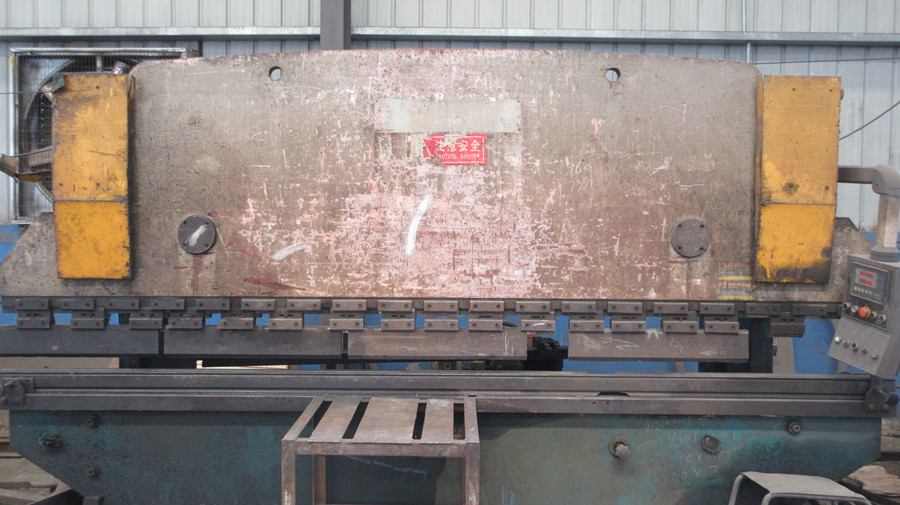
High-security crating, heavy machinery handling, and specialized export preparations require advanced processing capabilities.
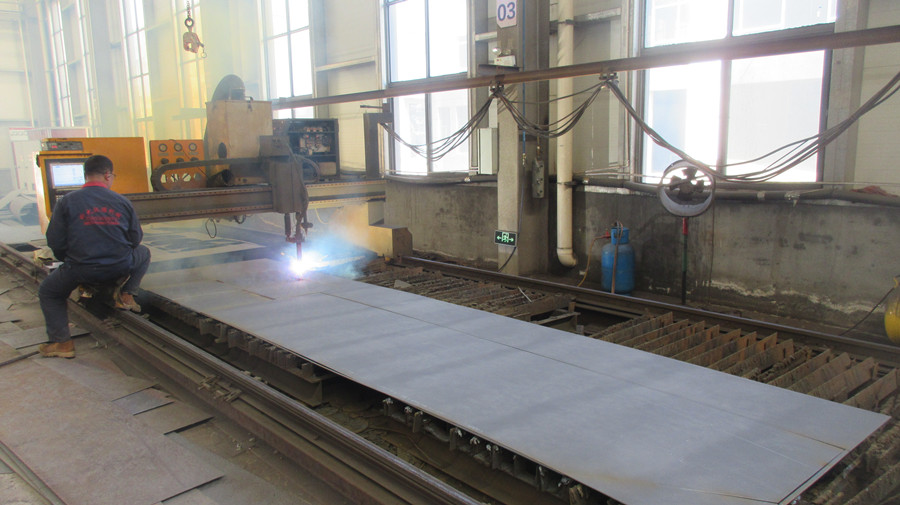
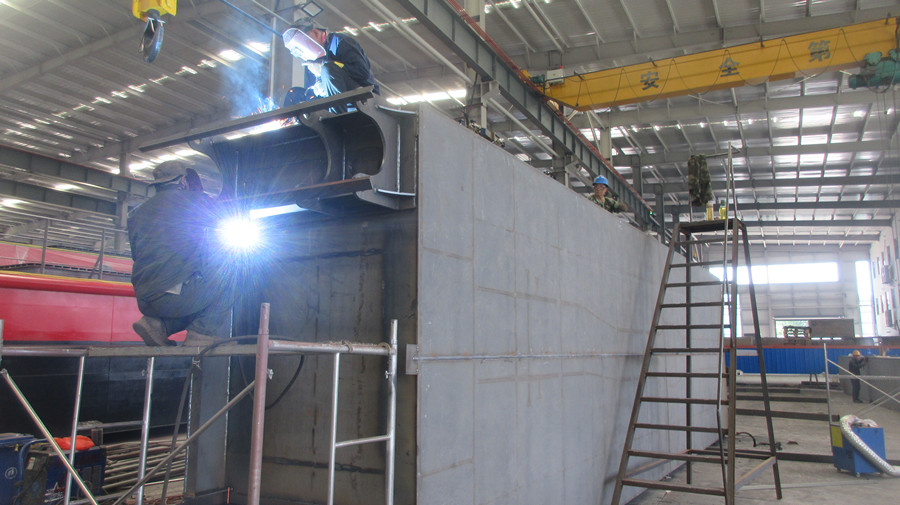
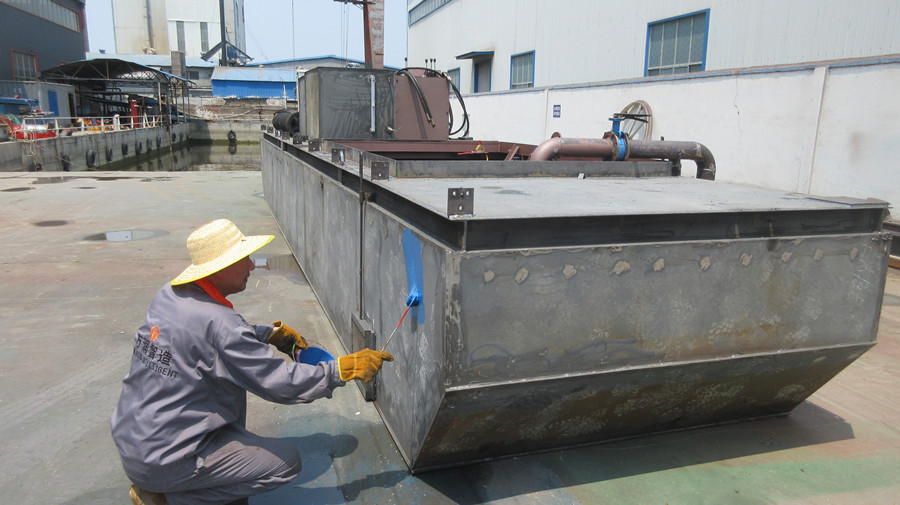
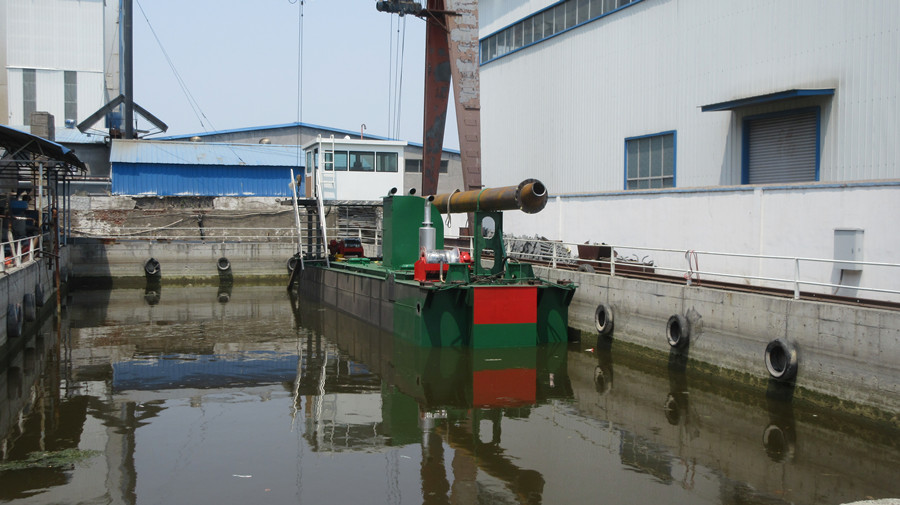
To facilitate complex industrial shipments, out-of-gauge parts, and custom-crated heavy machinery destined for Kuala Lumpur's industrial districts, our warehouse centers are equipped with on-site metal fabrication and wooden packing facilities. We manufacture structural metal reinforcements and security packaging frames using advanced production tools to secure goods prior to LCL container stuffing.
Comprehensive ocean logistics pathways linking South China to Southeast Asia, Europe, the Americas, and global hubs.
Critical information for procurement directors, logistics managers, and supply chain operators trading in Malaysia.
LCL freight rates are primarily billed on a W/M (Weight or Measurement) basis. Whichever is greater between the actual gross weight (in metric tons) and the total volume (in Cubic Meters / CBM) determines the chargeable unit. A standard ratio of 1 CBM = 1,000 kg applies to standard sea routes. Origin warehouse handling, consolidation fees, export documents, ocean freight, destination terminal handling charges (DTHC), and customs clearance fees are rolled into the final quote.
For direct maritime routes originating from South China ports (such as Shenzhen Shekou, Guangzhou Nansha, or Yantian), the port-to-port ocean transit time to Port Klang (Westports or Northports) is typically 6 to 9 days. For North China ports like Ningbo, Shanghai, or Qingdao, ocean transit spans 10 to 14 days. Importers should factor in an additional 3 to 5 working days for consolidation prep at origin, and 2 to 4 days for destination stripping and local customs clearance.
Importers can benefit from the ASEAN-China Free Trade Agreement (ACFTA). To qualify for preferential tariff rates (often 0% duty on eligible HS codes), the Chinese exporter must obtain and provide a Certificate of Origin Form E. Guangdong Changi Logistics works with origin suppliers to verify the alignment of the HS codes on the invoice, Bill of Lading, and Form E, ensuring smooth custom verification in Port Klang.
Yes. We offer complete DDP (Delivered Duty Paid) services. This means our regional networks handle export clearance in China, ocean transit, local customs clearance at Port Klang, payment of Malaysian Sales and Service Tax (SST), duties, and direct trucking to warehouses in Klang Valley business centers like Petaling Jaya, Shah Alam, Cheras, or Seri Kembangan.
To initiate a consolidation booking, you need to provide a Commercial Invoice, a detailed Packing List specifying weight, dimensions, and cargo descriptions per package, and a Shipping Order (SO). Additionally, you'll need the Harmonized System (HS) codes for both China export customs and Malaysia import declarations. For specific goods, specialized import licenses (such as SIRIM approvals or agricultural permits) may be required.
Cargo protection starts at our sorting facilities. We enforce strict guidelines prohibiting hazardous or incompatible goods from sharing the same container. We offer optional professional crating, heavy-duty palletization, and custom strapping inside the container. We also advise cargo owners to pack their items using double-wall cardboard boxes or secure wooden crates designed for international transit.
 Changi Logistics