High-capacity ocean transport configurations providing uninterrupted supply chains between Asian manufacturing bases and Central European industrial centers.
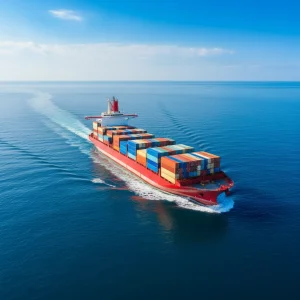
An authoritative analysis of current ocean freight structures, regulatory requirements, and local logistical capabilities serving Northern Europe's leading gateway.
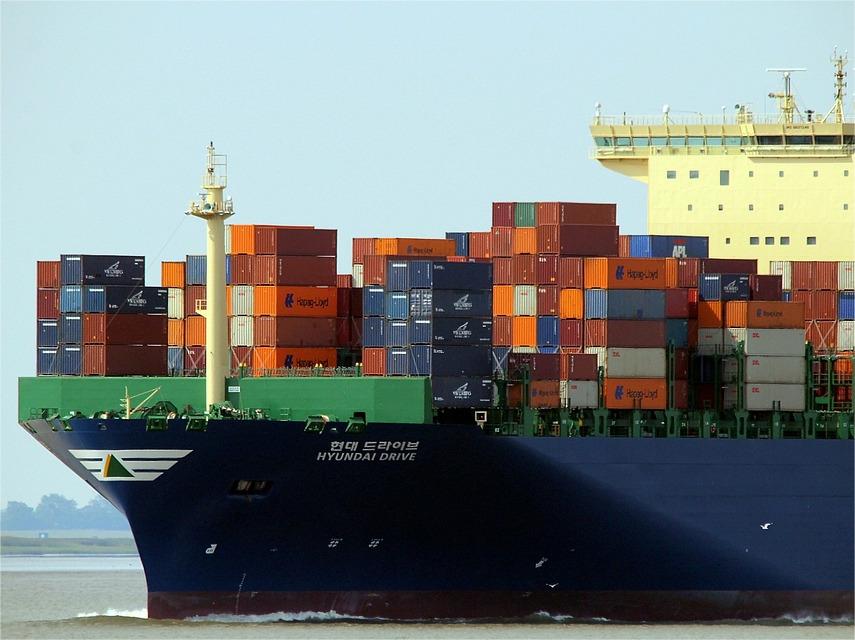
The Port of Hamburg, designated as Germany's "Tor zur Welt" (Gateway to the World), is the core maritime hub of Central Europe. Processing over 8 million TEUs (Twenty-foot Equivalent Units) annually, it serves as the ultimate logistics crossroad connecting oceanic transport from East Asia with continental industrial clusters. Crucial industrial regions in Bavaria, Baden-Württemberg, Saxony, and Central/Eastern Europe rely on the seamless flow of Full Container Load (FCL) shipping routes landing at Hamburg's state-of-the-art container terminals: Burchardkai (CTB), Altenwerder (CTA), Tollerort (CTT), and Steinweg.
In today's macroeconomic landscape, Hamburg's local industrial ecosystem demands absolute precision in logistics. The regional manufacturing base—encompassing high-end automotive production, heavy machinery, chemical plants, and the rapidly growing renewable energy sector—runs on highly synchronized supply chains. FCL ocean freight represents the most critical shipping method for these sectors. Unlike Less than Container Load (LCL), FCL provides direct transit from origin factories to German distributors without mid-route devanning, minimizing handling risks, lowering packaging overhead, and accelerating transit speed. For suppliers servicing the Hamburg metropolitan region, aligning with a logistics partner that understands the specialized container infrastructure at the port is paramount.
Global trade is navigating unprecedented structural volatility. From fluctuating carrier alliances (such as 2M, Ocean Alliance, and THE Alliance) to geopolitical disruptions requiring rerouting via the Cape of Good Hope, importers in Germany must establish highly resilient logistics pipelines. Rerouting around Africa adds roughly 10 to 14 days to typical East Asia-to-Europe transits, making vessel schedule reliability, equipment availability (particularly 40ft High Cube containers), and pre-allocated vessel space absolute necessities.
To address these macro challenges, our strategic partnerships with tier-1 ocean carriers allow us to offer guaranteed space allocations (BSA - Block Space Agreements). This ensures that even during peak seasons or periods of severe container shortages, factories exporting to Hamburg can secure empty equipment at inland depots in China and obtain vessel bookings. By leveraging dual-hub shipping routes and alternative German ports like Wilhelmshaven (Eurogate Container Terminal) and Bremerhaven, we create fail-safe routing options that prevent costly line-down situations at German manufacturing plants.
Guangdong Changi Logistics Co., Ltd., established in 2018, stands at the forefront of digitalized international freight forwarding and integrated supply chain management. We specialize in tailoring complex door-to-door FCL projects for global manufacturers. As an independent logistics operator with deep roots in global trade corridors, we have developed a specialized division dedicated entirely to Northern European trade lanes, prioritizing the China-Hamburg shipping corridor.
Our operational model is built around end-to-end cargo visibility. By integrating intelligent ERP tracking platforms, we allow importers to monitor container locations, vessel ETAs, and customs clearance status in real-time. Our mission is to bridge the gap between traditional freight forwarding and high-tech supply chain consulting. By offering advanced cargo consolidation, customs declaration support (in compliance with Zade and ATLAS requirements), and seamless multi-modal rail dispatching from Hamburg to internal German dry ports (such as Munich, Nuremberg, and Stuttgart), Changi Logistics optimizes total cost of ownership (TCO) for global supply chains.
Unlike standard freight brokers who only act as paper intermediaries, Guangdong Changi Logistics works in close integration with modern industrial suppliers. We maintain physical cross-docking warehouses, container loading yards, and structural packaging facilities. When shipping heavy industrial machinery, automotive sub-assemblies, or precision metal goods, the shipping container is only as safe as its internal cargo securing (lashing and dunnage).
Our associated fabrication and loading centers employ skilled technicians specializing in structural steel frame construction, custom heavy-duty wood packing, and specialized container loading. Our processes include:
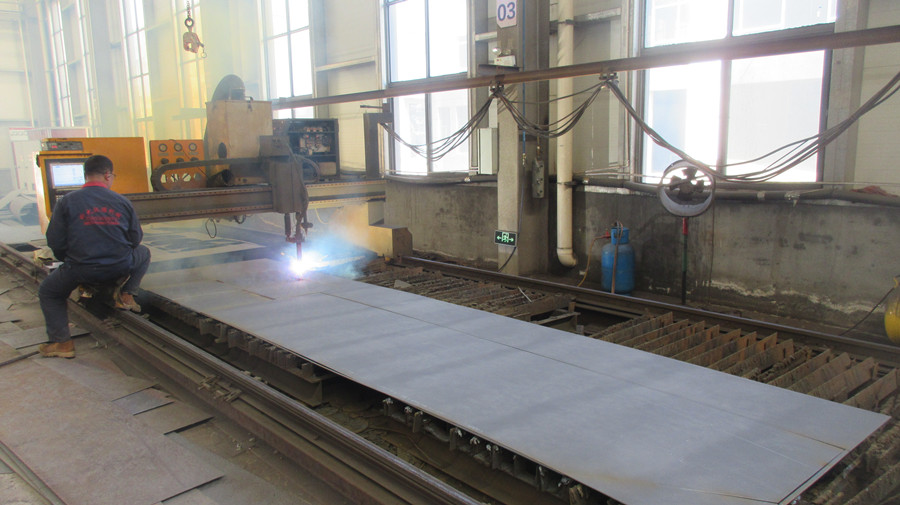
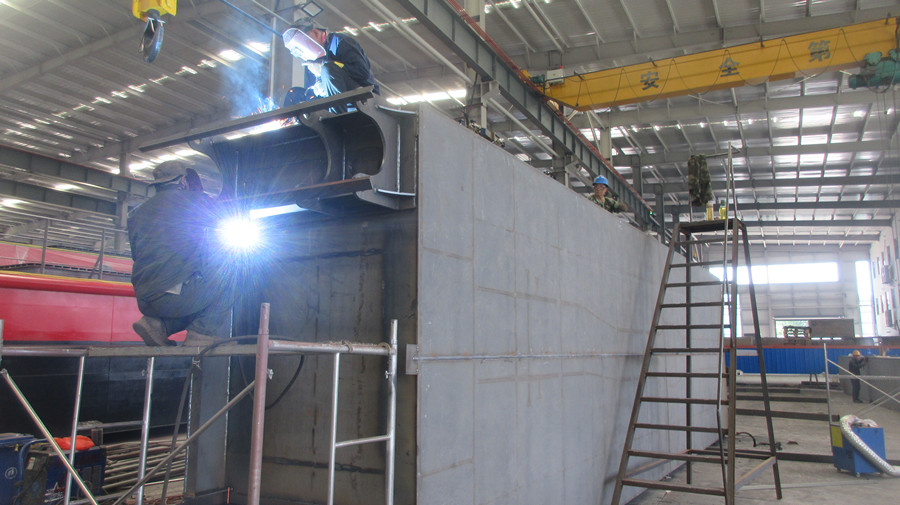
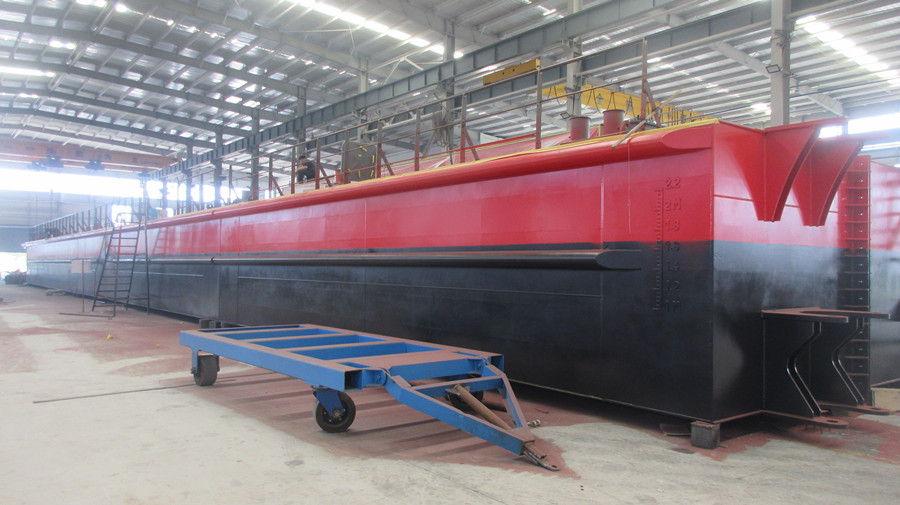
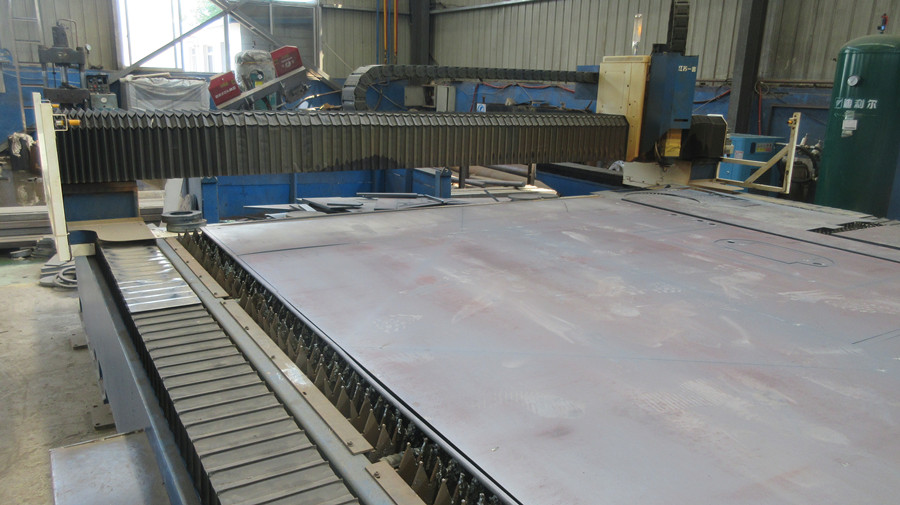
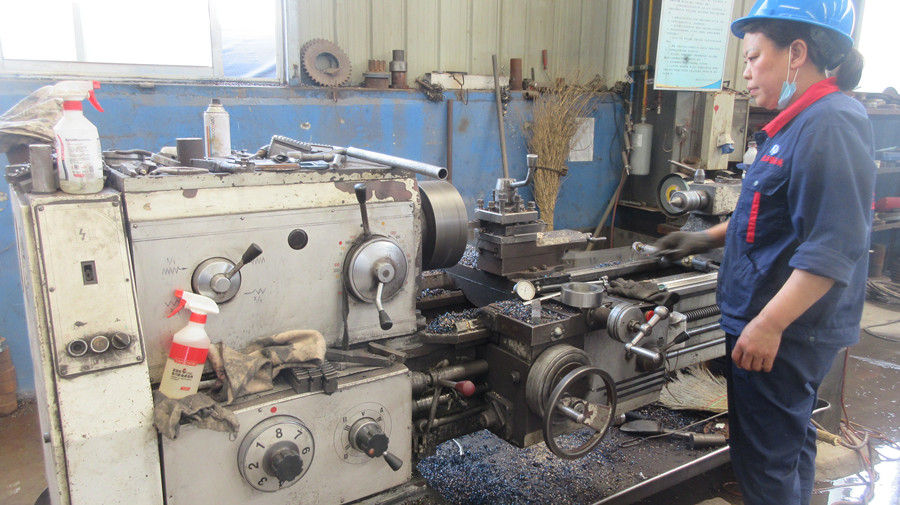
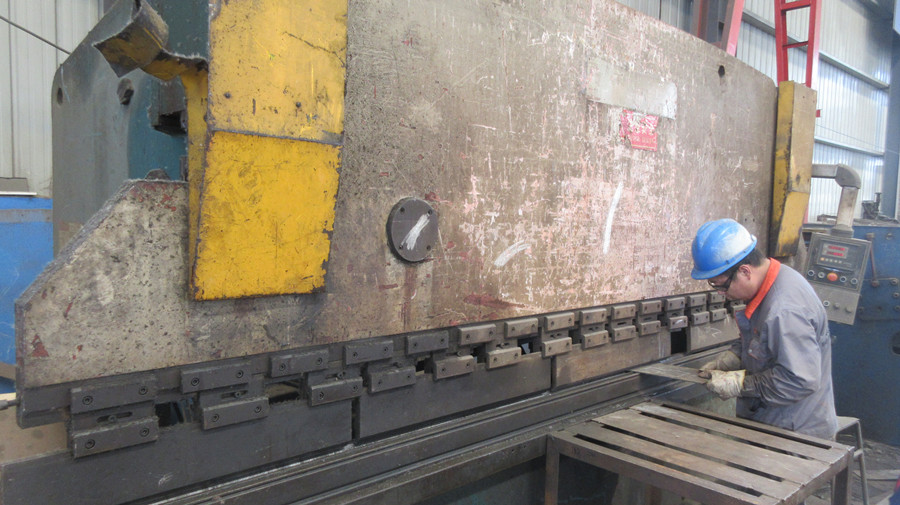
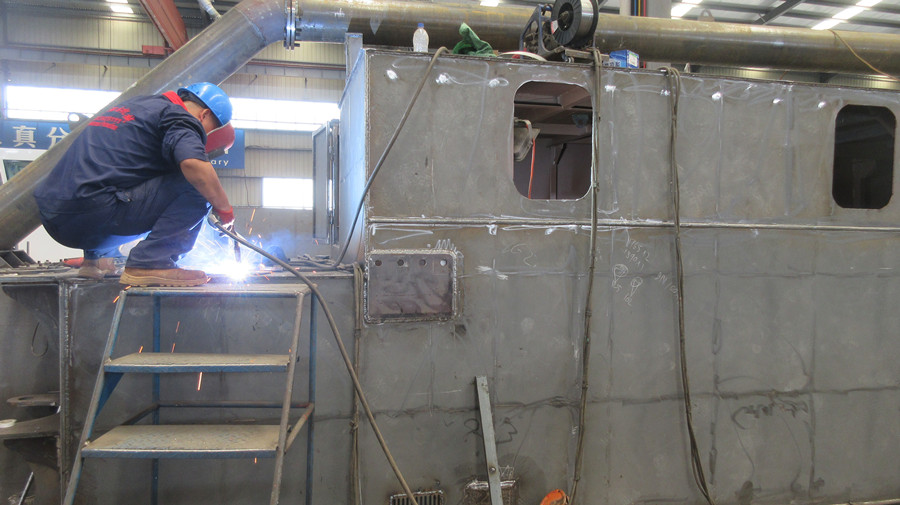
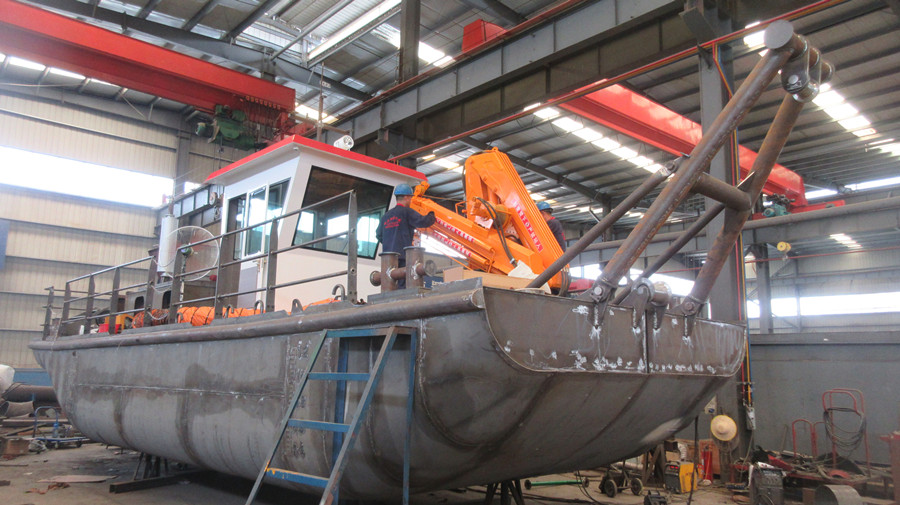
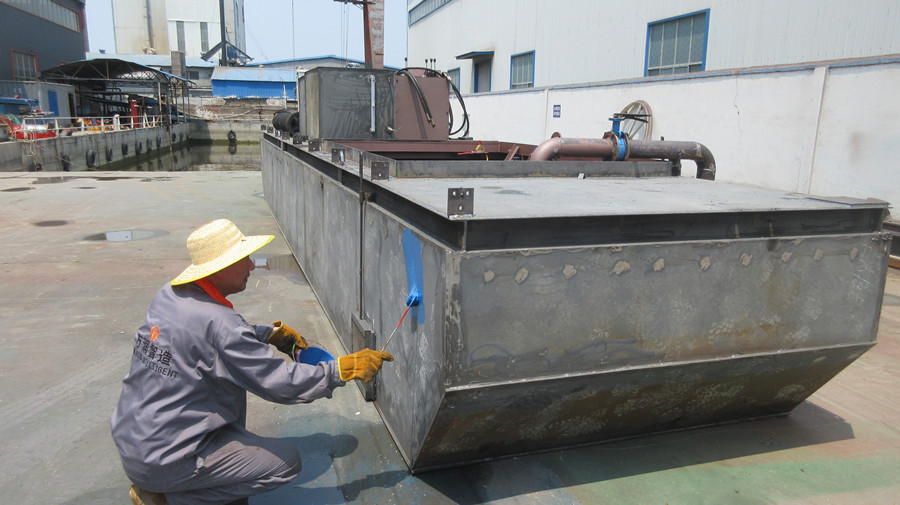
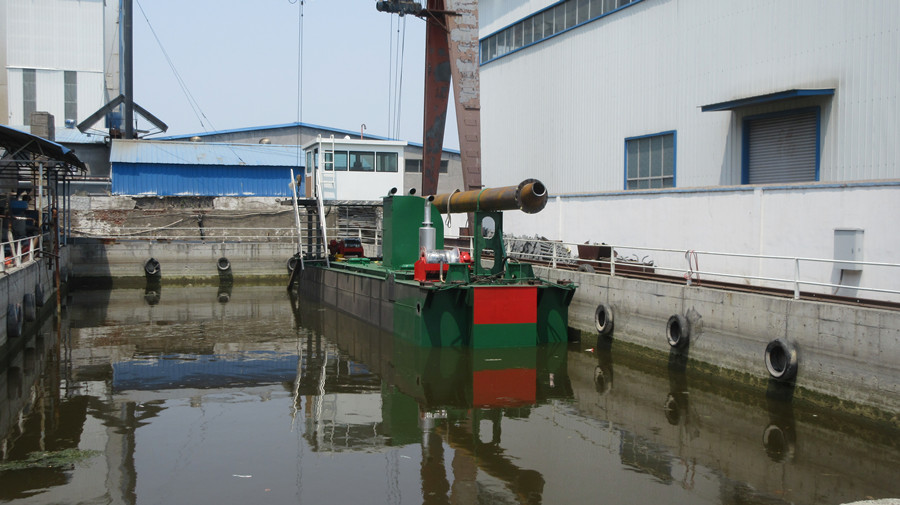
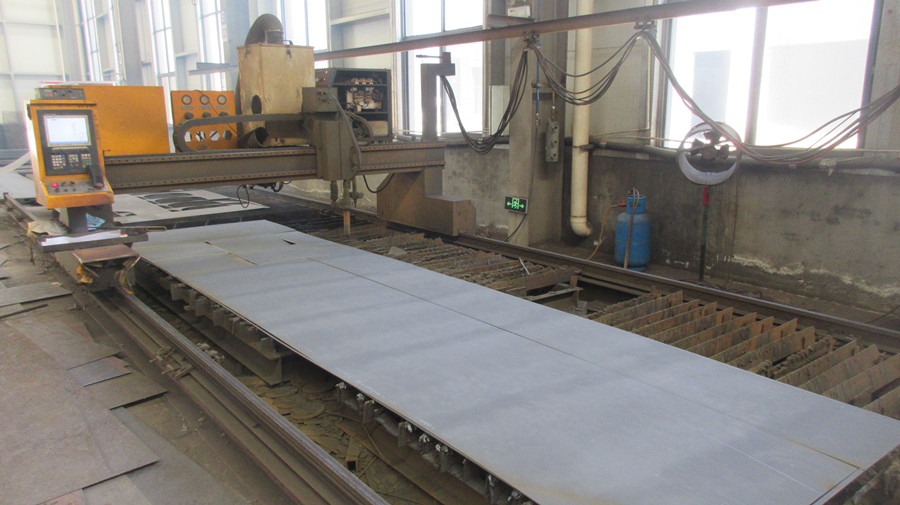
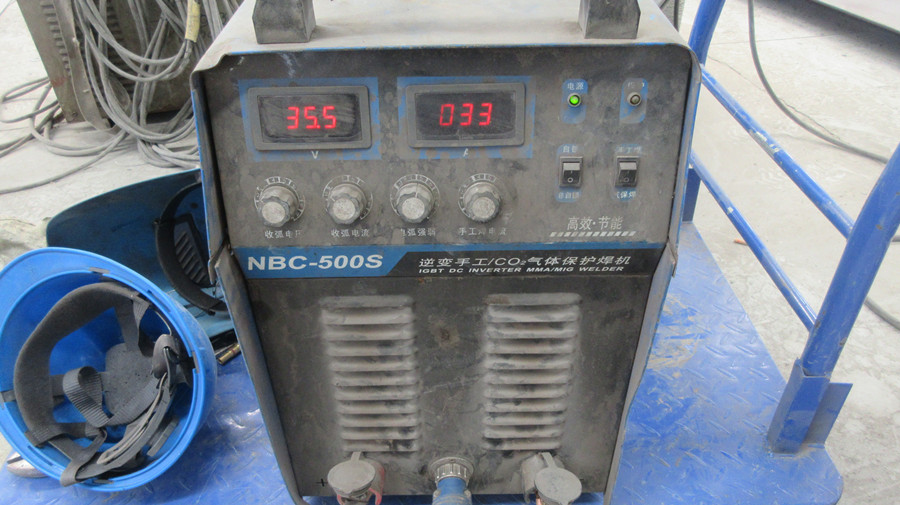
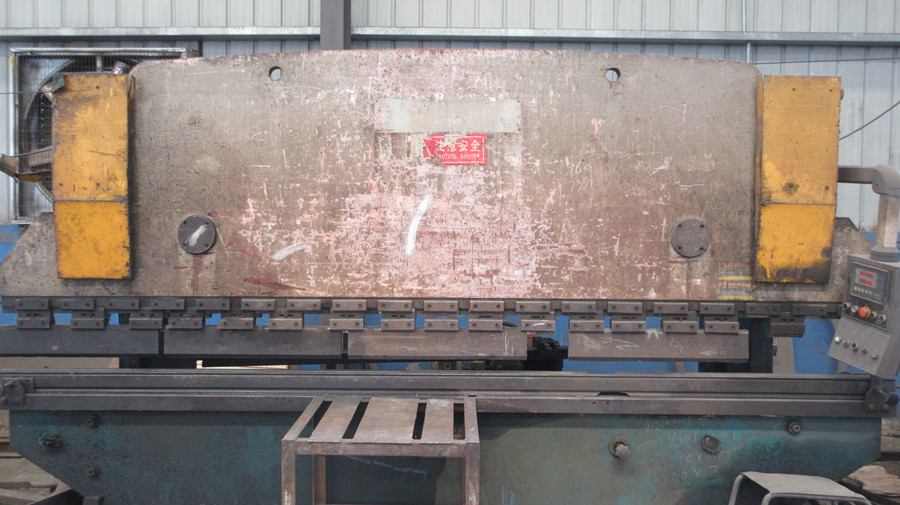
By carrying out these structural preparations prior to ocean export, we guarantee that heavy or oversized cargo conforms perfectly with German transportation safety guidelines (VDI 2700 Load Securing on Road Vehicles). This proactive mitigation prevents container holds at the port of Hamburg, ensuring immediate customs release and safe inland transport.
Exporting to Germany involves navigating some of the world's most detailed import compliance frameworks. At the Port of Hamburg, imports must undergo Customs Clearance under the ATLAS system, managed by the German Federal Customs Administration (Bundeszollverwaltung). All FCL containers must carry a properly registered Entry Summary Declaration (ENS) to satisfy the Import Control System (ICS2).
Furthermore, our specialized customs brokerage teams handle targeted compliance fields:
Maritime shipping is in the midst of a green revolution. The International Maritime Organization (IMO) has implemented rigorous decarbonization mandates (CII - Carbon Intensity Indicator and EEXI - Energy Efficiency Existing Ship Index), alongside the EU's integration of shipping into the Emissions Trading System (EU ETS) starting January 2024. For European companies importing via Hamburg, green logistics is no longer a corporate choice; it is a financial and regulatory imperative.
Guangdong Changi Logistics is developing direct pathways to optimize the environmental footprints of ocean supply chains. Through our carrier networks, we help clients prioritize modern Eco-Vessels running on dual-fuel liquefied natural gas (LNG), green methanol, or bio-fuels. Moreover, we actively consult on routing optimization—combining deep-sea container services with carbon-efficient barge and electric block rail networks in the German hinterland. This reduces total CO2 equivalent emissions per TEU-kilometer, allowing our clients to report superior environmental performance metrics in their annual ESG statements.
Explore our full selection of optimized container freight contracts, customs clearance services, and multimodal door-to-door forwarding options.
Technical logistics inquiries addressed by our expert operations directors.
Need immediate FCL ocean freight rates, customs advice for ATLAS, or container space guarantees? Connect directly with our Northern European operations desk.
Guangdong Changi Logistics Co., Ltd. • Professional Supply Chain Solutions Since 2018
 Changi Logistics