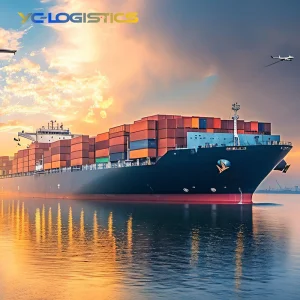
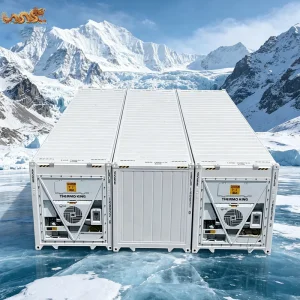
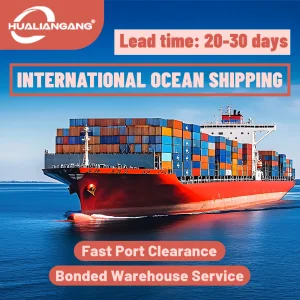
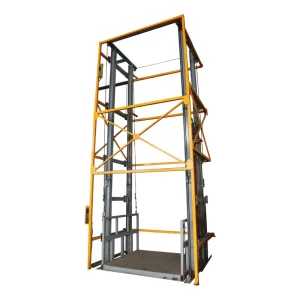
Explore our core selection of heavy-duty cargo platforms, secure transport lines, and global LCL/FCL distribution nodes.
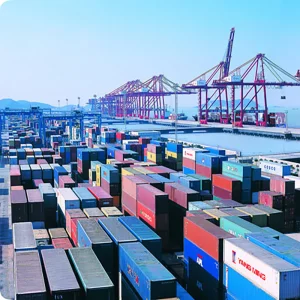
How multinational corporations leverage standardized container management systems and heavy-load engineering to mitigate logistics disruptions.
Large-scale enterprises looking for Container Management Factories prioritize structural durability and standardization. Modern procurement workflows demand strict adherence to ISO container specifications, high-strength Corten-A steel formulations, and marine-grade anticorrosion coatings. Ensuring these parameters protects high-value supply lines across intercontinental trade routes.
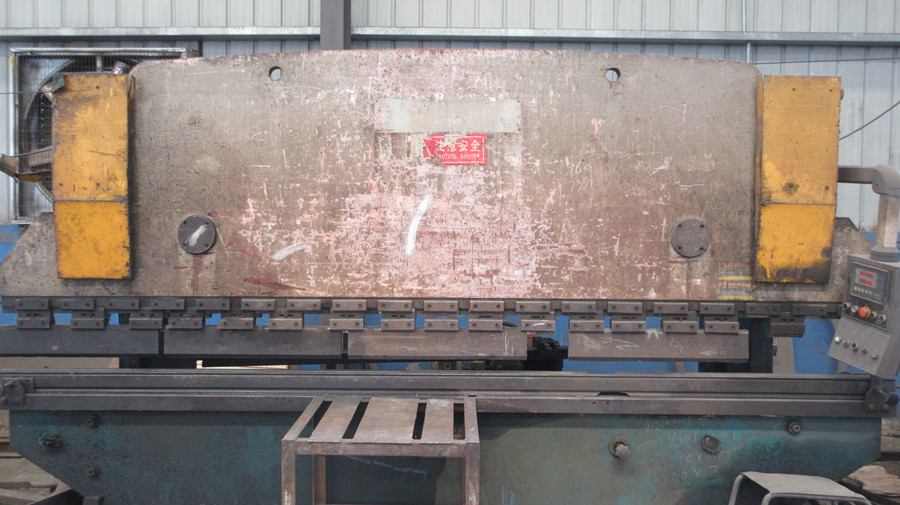
In the global commercial landscape, container failure translates directly to financial loss. Industrial-grade container manufacturing relies heavily on advanced non-destructive testing (NDT), precise hydraulic bending, and automated welding matrices to guarantee container integrity during rough ocean transits, rail movements, and heavy stacking setups.
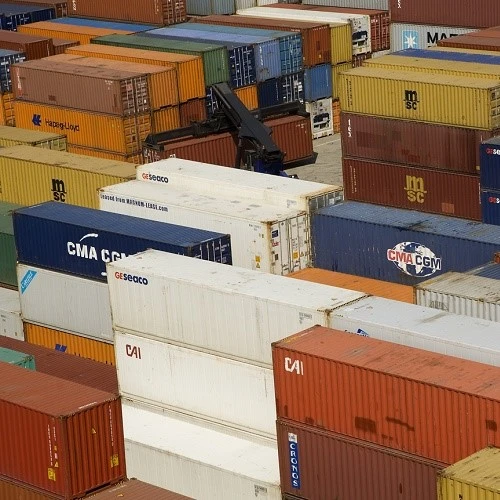
Modern intermodal container units must seamlessly transition between maritime cellular container ships, flatbed trailers, and double-stack rail systems. A professional container factory ensures millimetric precision across corner castings, twist-lock interfaces, and forklift pockets, securing universal compatibility with global terminal equipment.
A look into the structural processes and heavy equipment machinery deployed inside our container factories.
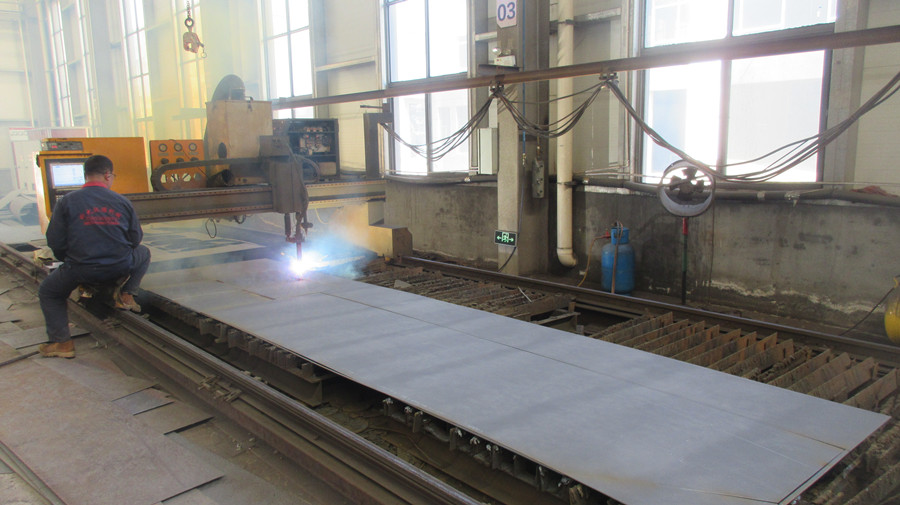
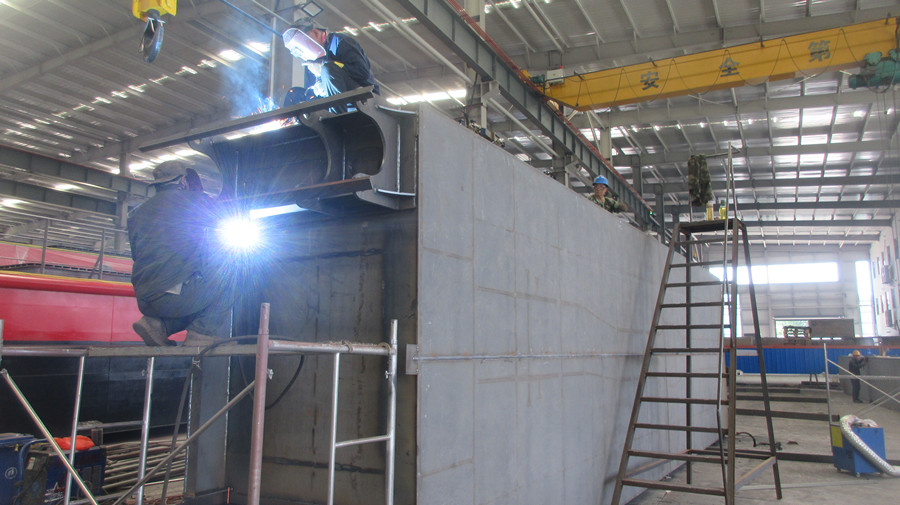
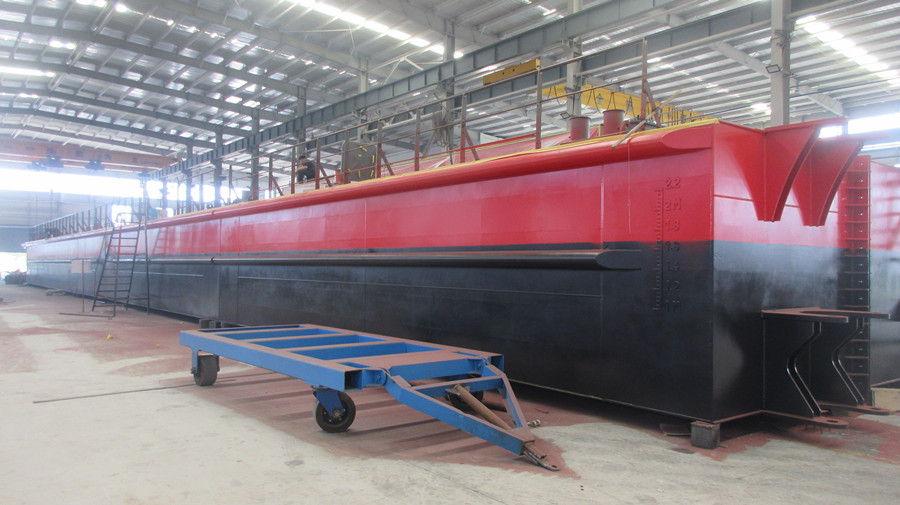
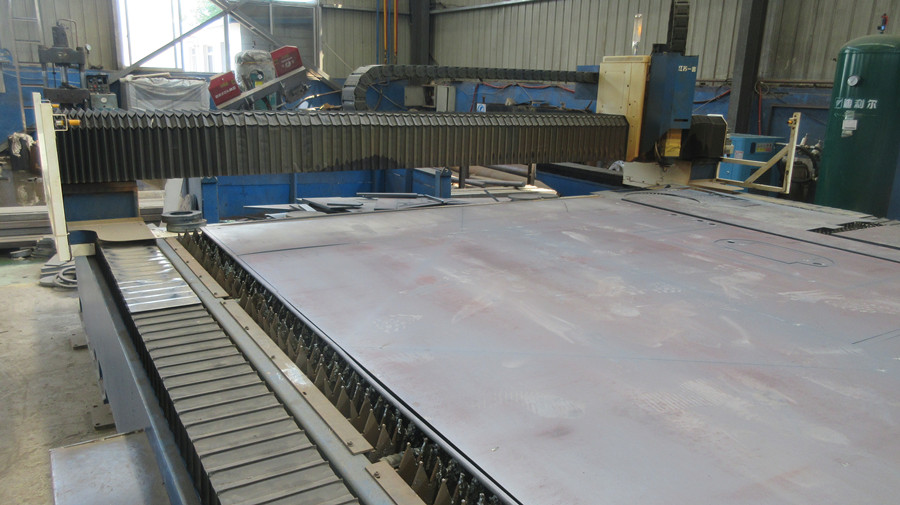
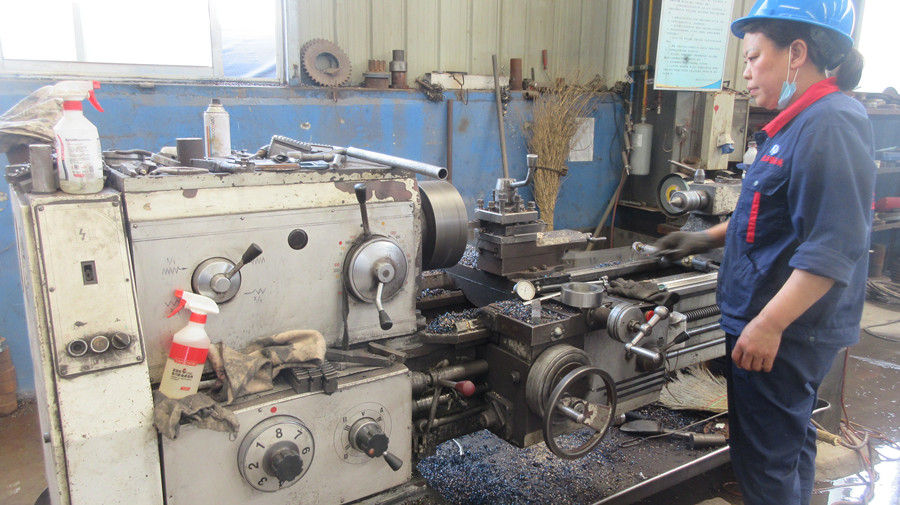
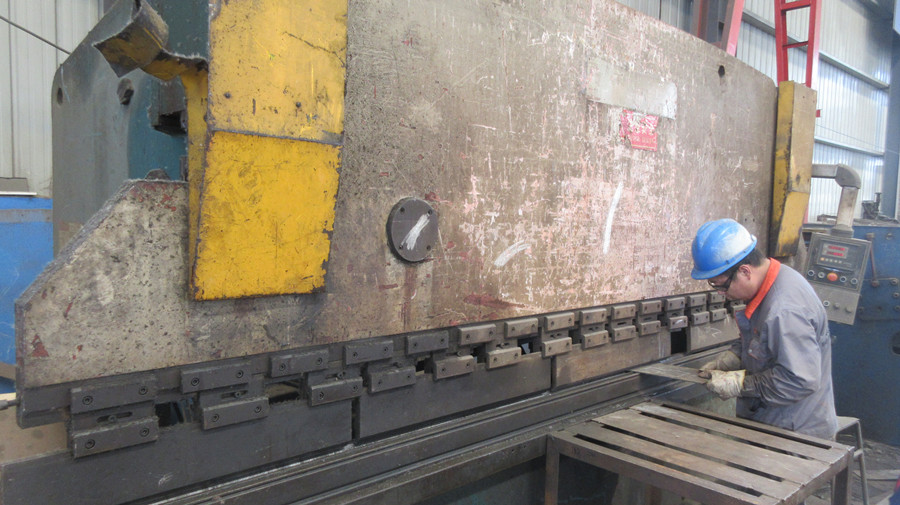
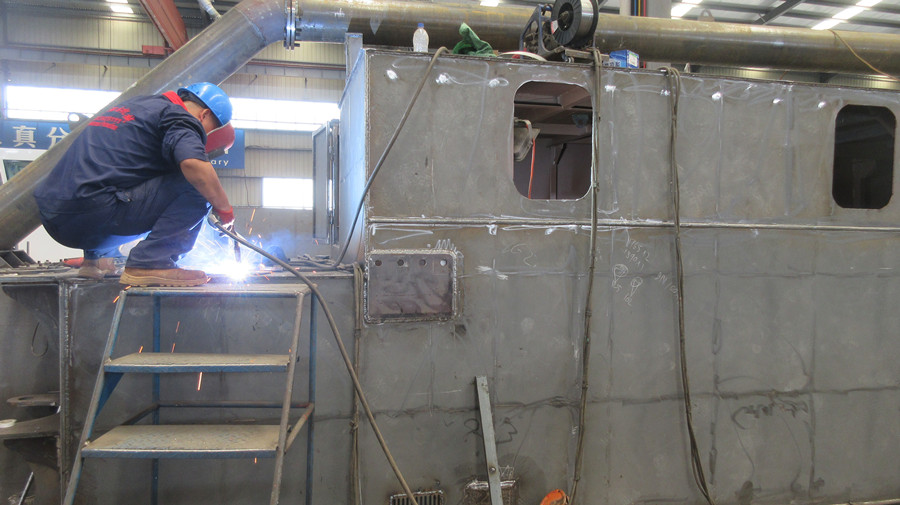
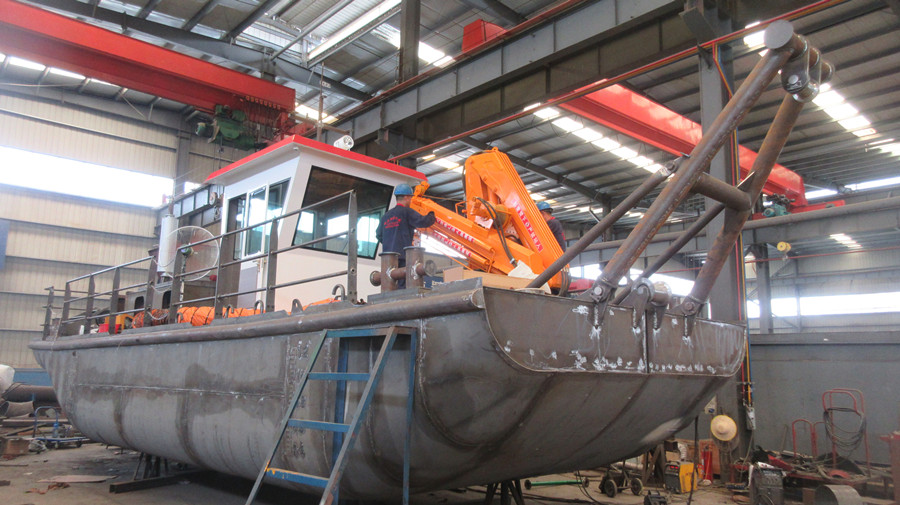
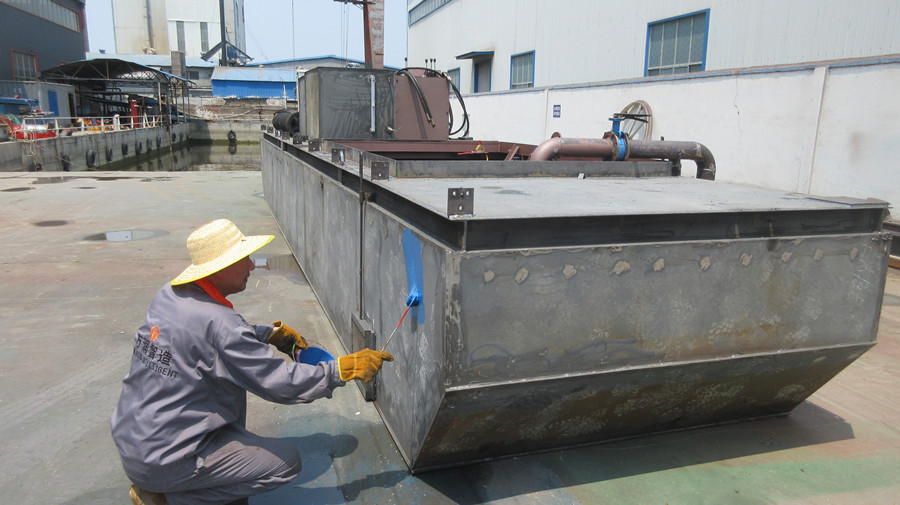
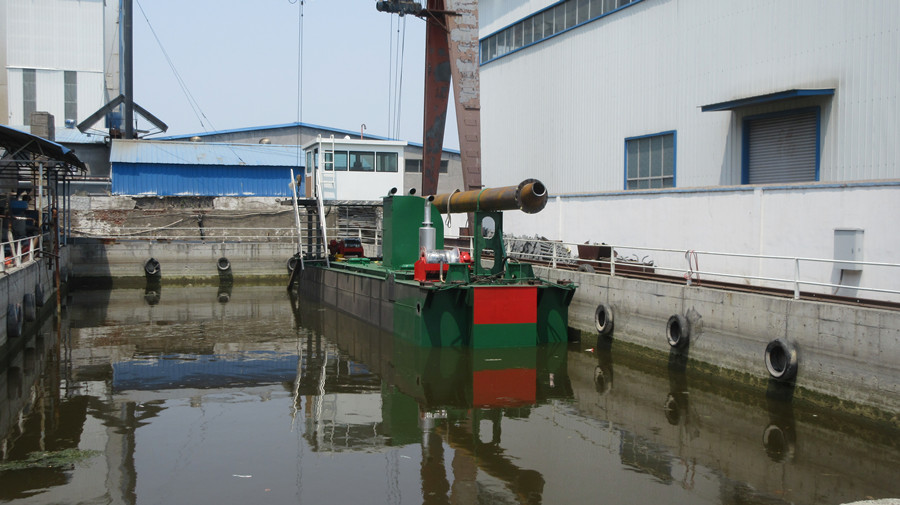
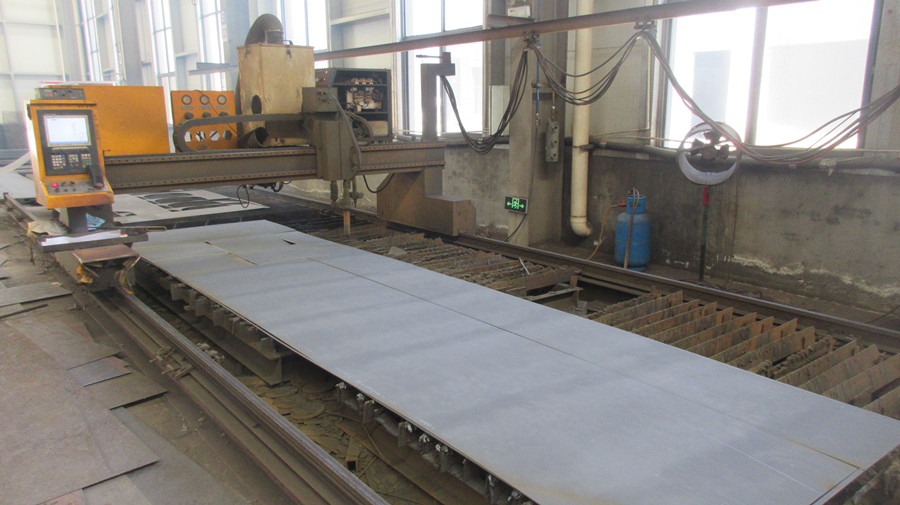
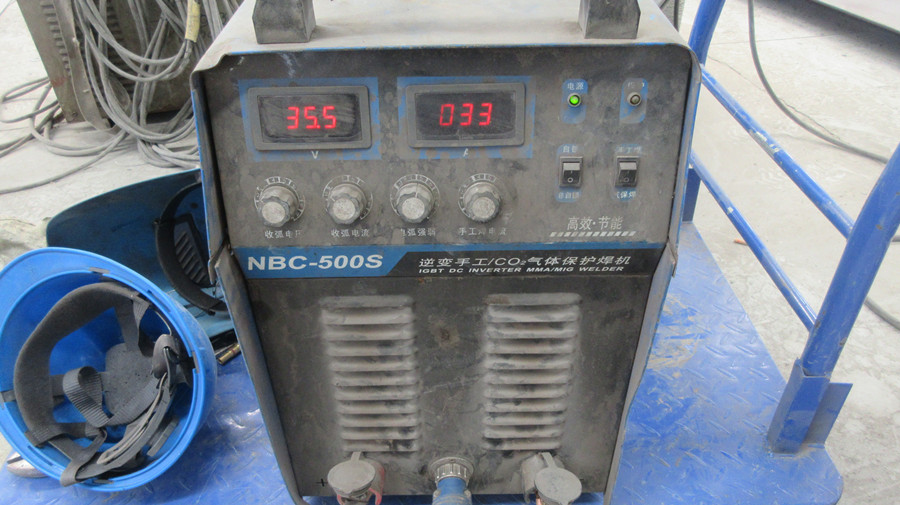
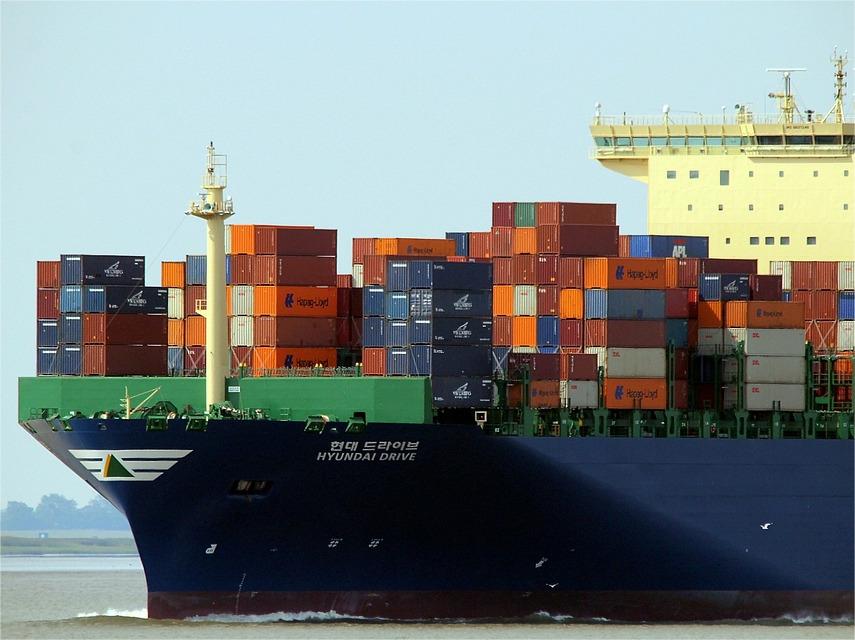
Global commerce rests on integrated logistics structures. Our macro industry solution connects fabrication plants with 3PL supply centers, container depots, and deepwater terminals.
By designing transport solutions that account for route optimization, intermodal transfer times, and customs clearance protocols, we reduce door-to-door transit times. This integration is crucial for complex movements like over-dimensional industrial systems, platform barges, and lithium-ion batteries requiring specialized handling.
The future of container management points toward digitization and decarbonization. Over the next decade, container manufacturing is transitioning toward "smart containers" equipped with integrated IoT sensors.
These devices monitor environmental conditions inside the unit, track transit velocity, and alert operators to structural anomalies. Concurrently, new alloy designs and structural coatings are decreasing tare weight, helping cargo operations lower fuel usage and carbon output per TEU.
Guangdong Changi Logistics Co., Ltd. - Integrating advanced manufacturing pipelines with dynamic third-party logistics.
Guangdong Changi Logistics Co., Ltd. is a comprehensive logistics enterprise established in 2018, specializing in international freight forwarding and integrated supply chain solutions. The company is committed to providing efficient, reliable, and customized logistics services for global trade and cross-border e-commerce clients.
Our core services include international sea freight, air freight, rail transportation, multimodal transport, warehousing, customs clearance, and end-to-end supply chain management. With a strong global agency network and advanced digital logistics systems, we deliver cost-effective and time-efficient solutions to customers across various industries.
Founded in 2018, Guangdong Changi Logistics Co., Ltd. has grown alongside the rapid expansion of global trade and the rise of cross-border e-commerce. Starting as a traditional freight forwarding service provider, the company has evolved into a full-service logistics and supply chain solutions provider.
Over the years, we have continuously enhanced our operational capabilities by integrating intelligent logistics management systems and real-time tracking technologies. These improvements have significantly increased service efficiency, transparency, and customer satisfaction, enabling us to become a competitive independent logistics provider in the industry.
Our vision is to become a leading global logistics and supply chain partner, driven by innovation and powered by technology. We aim to build a smarter, greener, and more efficient global logistics network that enables seamless international trade and sustainable business growth for our clients.
At Guangdong Changi Logistics Co., Ltd., we are committed to delivering long-term value to our clients through innovative logistics solutions and professional service excellence. Our mission is to:
We believe logistics is more than transportation—it is the foundation that connects global commerce and drives business success.
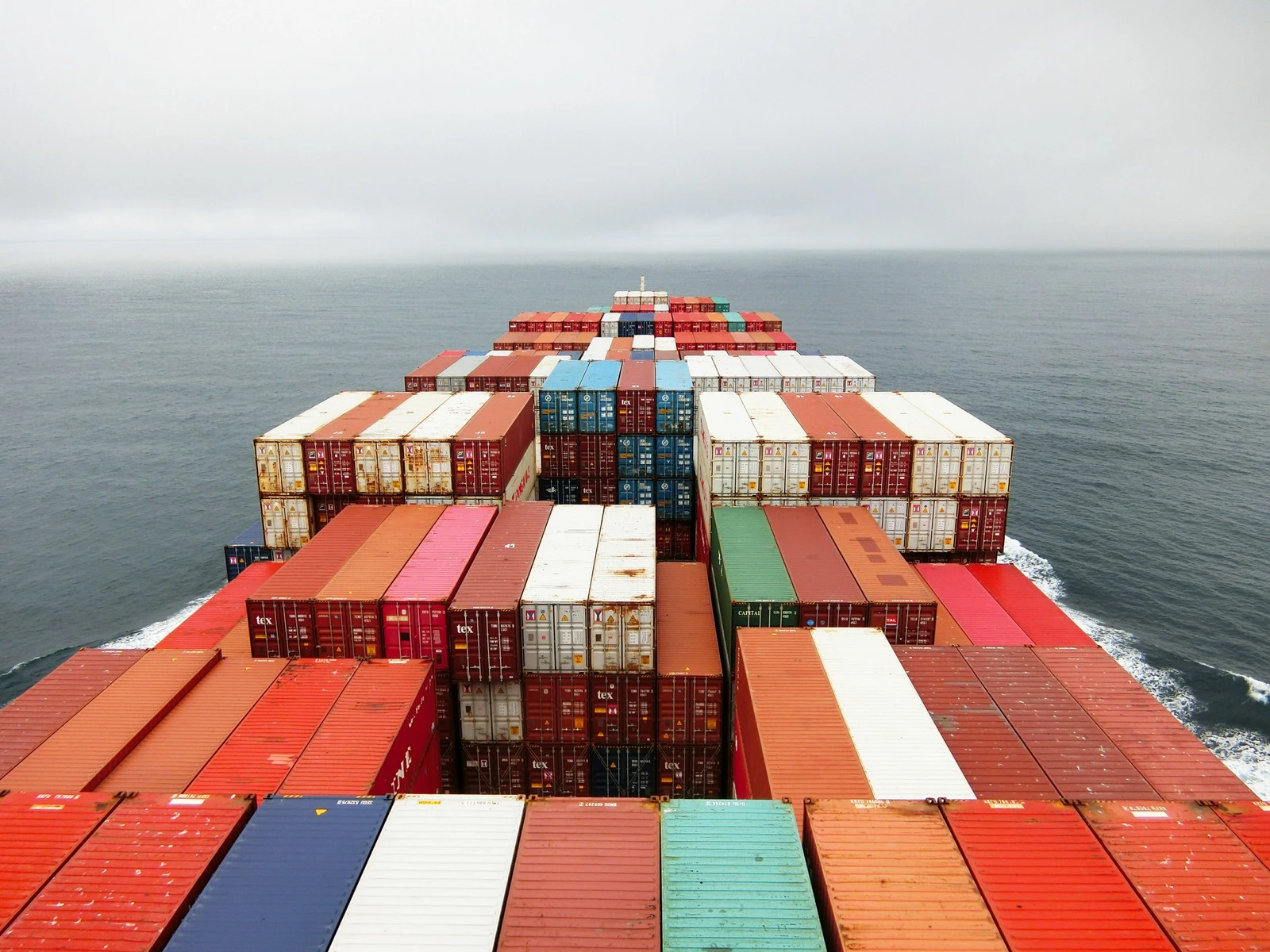
Navigating localized customs codes, border regulations, and hazardous material protocols across the globe.
Different regions handle customs clearances with varying complexity. Our localized logistics setups navigate these intricacies. By offering both DDP (Delivered Duty Paid) and DDU (Delivered Duty Unpaid) options, we help clients choose the exact point where risk and cost transfer. For North American and European sectors, our DDP arrangements include customs filing, bond setups, and final-mile deliveries to limit transit delays.
This setup is especially beneficial for cross-border e-commerce brands utilizing 3PL dropshipping warehouses in Mexico or Canada. It allows imports to enter without localized business registry complications.
Transporting hazardous goods like lithium-ion batteries or over-dimensional machinery requires compliance with specific safety standards. Standard dry vans are not suitable for specialized lithium components, which must follow IMDG codes and Class 9 transport protocols.
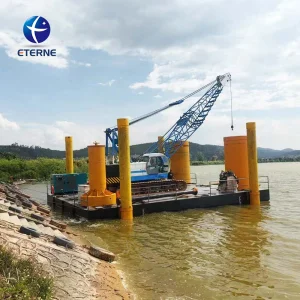
Similarly, heavy platform units, working barges, and hydraulic elevators must comply with local axle load restrictions, transport permits, and safety certifications. Our engineering teams design and inspect these systems to align with both domestic transport rules and international maritime standards.
Insights on freight forwarding, container manufacturing processes, and import regulations.
Container manufacturing primarily utilizes Corten steel (often designated as SPA-H or Corten-A). This atmospheric corrosion-resistant steel is selected for its ability to form a protective rust layer when exposed to maritime conditions, preventing deeper oxidation and structural degradation.
Under DDP (Delivered Duty Paid) terms, the seller handles all transport steps, customs clearance, duties, taxes, and import fees. With DDU (Delivered Duty Unpaid) terms, the buyer is responsible for importing the goods and paying all local duties and taxes upon arrival. We support both options to match the importer's logistical experience.
Lithium-ion batteries are classified as Class 9 Dangerous Goods. Their transport requires UN38.3 certification, specialized packaging designed to manage thermal hazards, and proper labeling. We offer secure shipping agents experienced in these protocols to ensure safe transit through global customs.
FCL (Full Container Load) reserves an entire container for a single shipper, making it ideal for large cargo volumes. LCL (Less than Container Load) pools shipments from multiple clients into a shared container, offering a cost-effective solution for smaller consignments.
Containers undergo several tests before leaving the factory. These include CSC certification testing, corner post lifting tests, sidewall strength evaluations, floor load assessments, and weather tightness inspections (such as high-pressure water spray tests) to confirm the unit is secure for transit.
Explore our heavy lift platforms, cold-storage containers, and regional logistics solutions.
 Changi Logistics