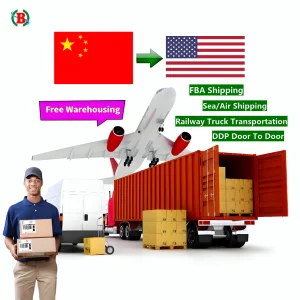
In today's highly dynamic global economy, transparency in freight rates has evolved from a convenience to a critical operational priority. Supply chain disruption, fuel price fluctuations, and geopolitical realignments require procurement teams to implement rigorous comparative analytics. A structured Freight Rate Comparison process goes far beyond finding the absolute cheapest quote; it addresses total landed cost, route reliability, carbon footprint metrics, and dynamic slot availability.
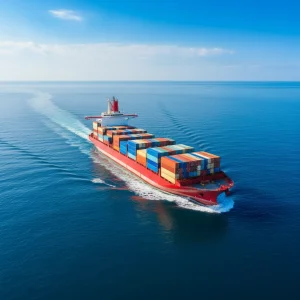
Global supply chains are navigating intense pressure points. Port congestion, equipment imbalances, and unpredictable custom protocols compel manufacturers to employ data-driven rate optimization platforms. By comparing air, ocean, and rail freight tariffs in real-time, global enterprises reduce overheads, avoid detention fees, and guarantee consistent product supply lines.
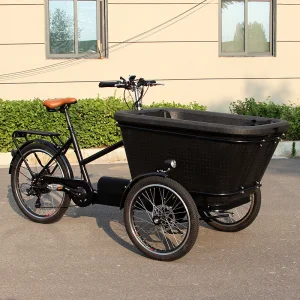
Furthermore, the physical infrastructure supporting freight forwarding—such as 3PL warehouse facilities, advanced networking hardware like the Xg3165n Ethernet Switch, and micro-mobility transport units like the NEW 3 Wheel Electric Cargo Bicycle—plays a vital role in executing the cost efficiencies identified during the rate comparison process.
Established Year
On-Time Delivery Rate
Countries Serviced
Logistics Operations Support
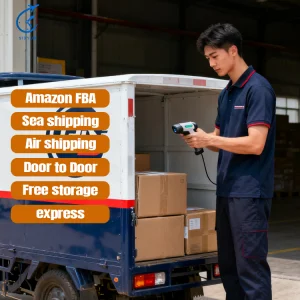
Guangdong Changi Logistics Co., Ltd. is a comprehensive logistics enterprise established in 2018, specializing in international freight forwarding and integrated supply chain solutions. The company is committed to providing efficient, reliable, and customized logistics services for global trade and cross-border e-commerce clients.
Our core services include international sea freight, air freight, rail transportation, multimodal transport, warehousing, customs clearance, and end-to-end supply chain management. With a strong global agency network and advanced digital logistics systems, we deliver cost-effective and time-efficient solutions to customers across various industries. We believe logistics is more than transportation—it is the foundation that connects global commerce and drives business success.
To deliver long-term value to our clients through innovative logistics solutions and professional service excellence. We optimize global supply chain structures to reduce overall logistics costs while enhancing digitalization and visibility across the entire shipping lifecycle.
To become a leading global logistics and supply chain partner, driven by innovation and powered by technology. We aim to build a smarter, greener, and more efficient global logistics network that enables seamless international trade and sustainable business growth.
Integrity, accountability, and customer-centric design. We build trusted, long-term partnerships with global stakeholders. By focusing on compliance, safety, and technological agility, we guarantee operational resilience at every step.
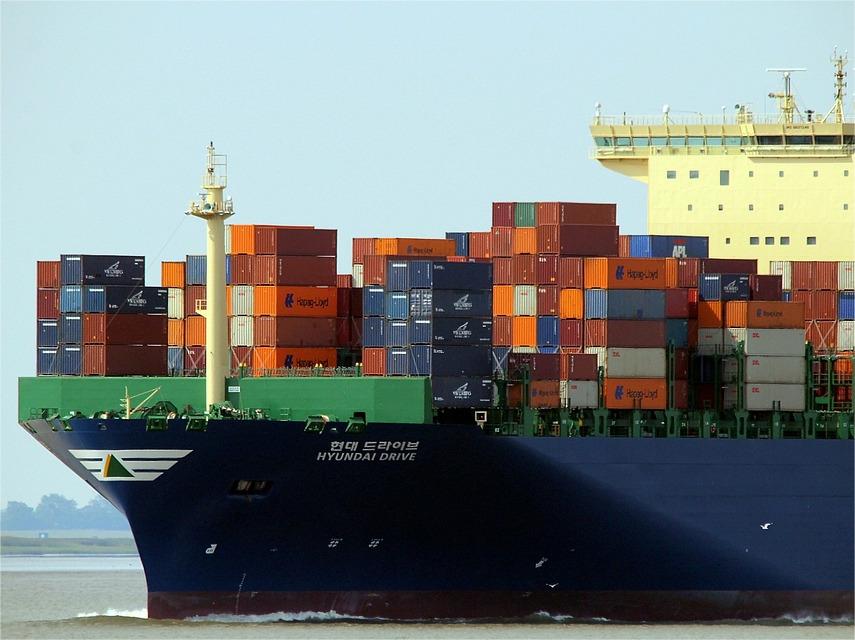
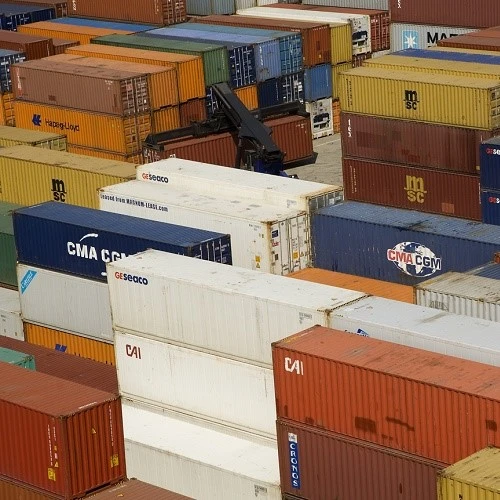
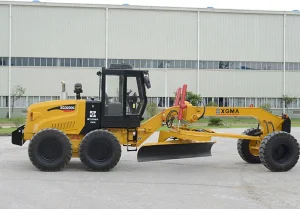
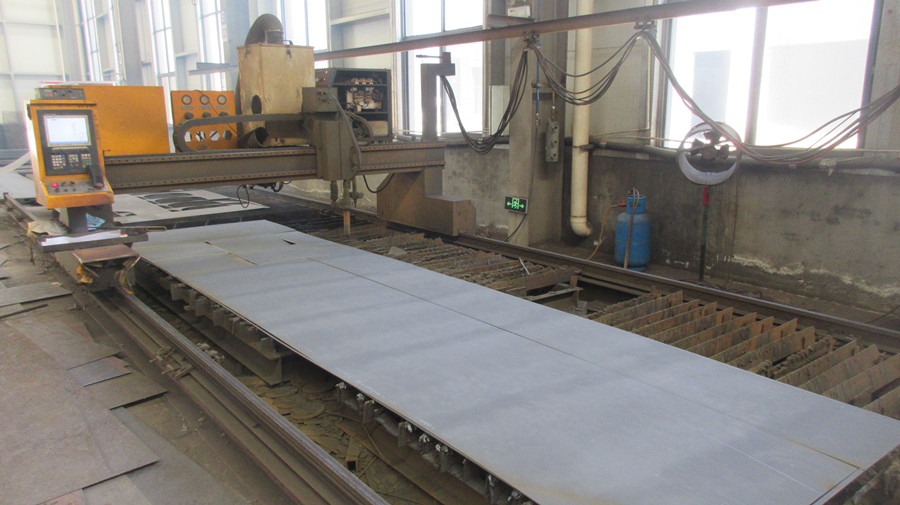
Unlike standard freight forwarders, Guangdong Changi Logistics Co., Ltd. maintains advanced in-house manufacturing divisions. This unique structural advantage enables us to produce specialized shipping accessories, storage container frames, last-mile delivery components, and smart transport vehicles. This direct integration guarantees container safety, optimizes physical packing density, and lowers localized delivery costs.
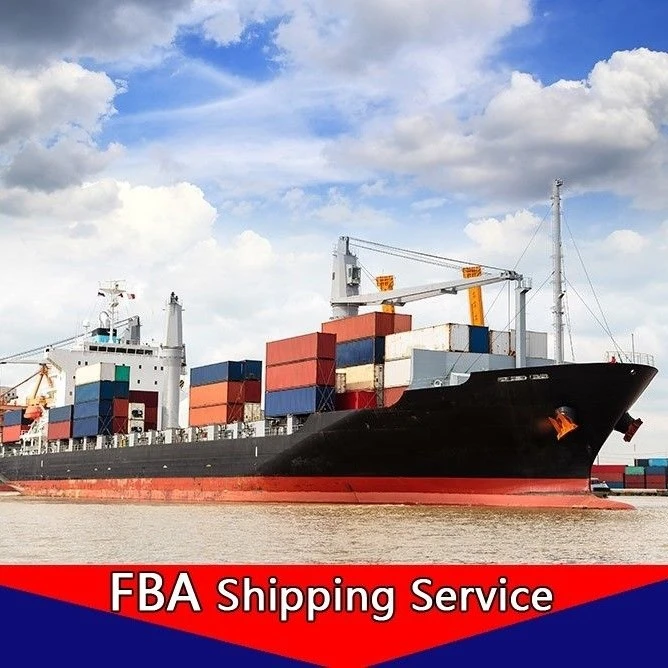
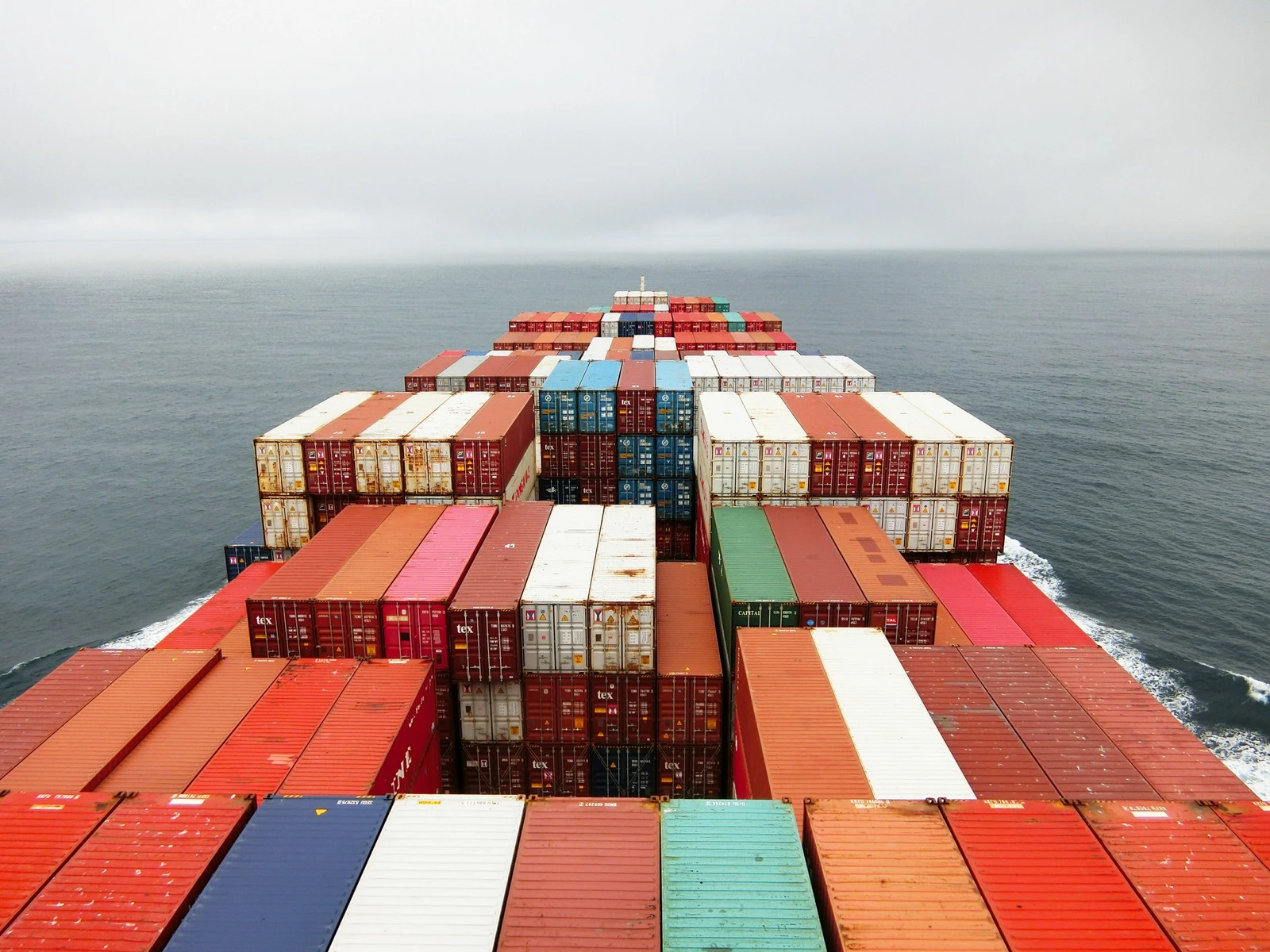
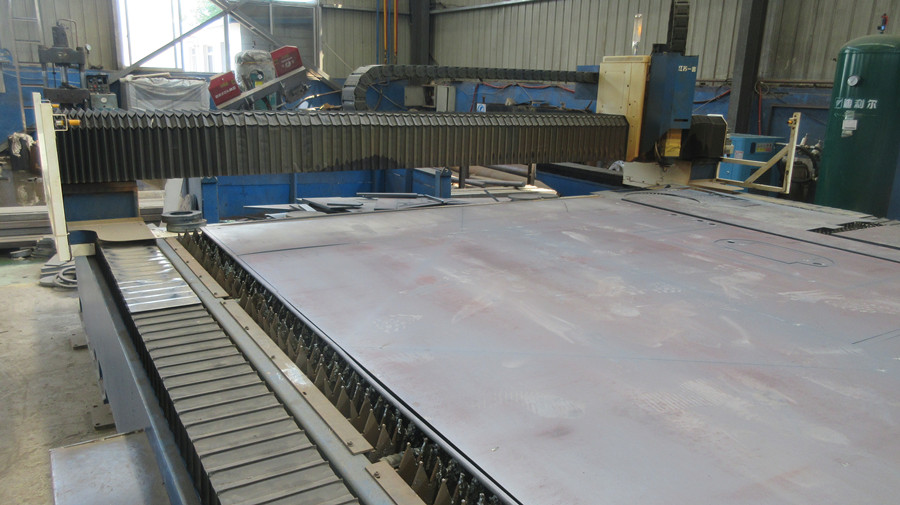
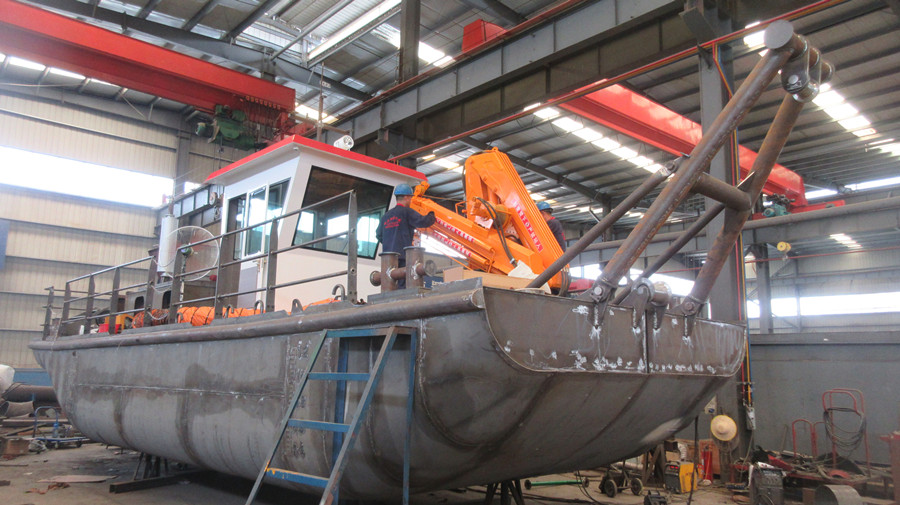
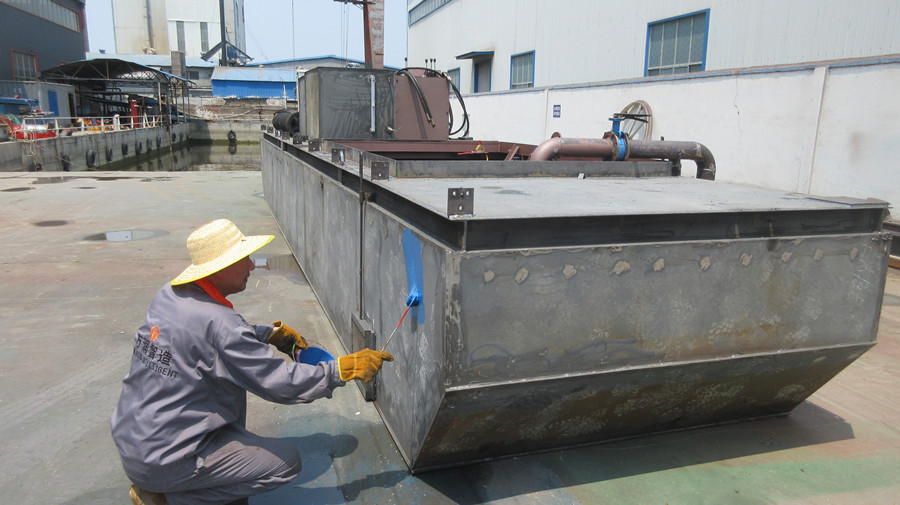
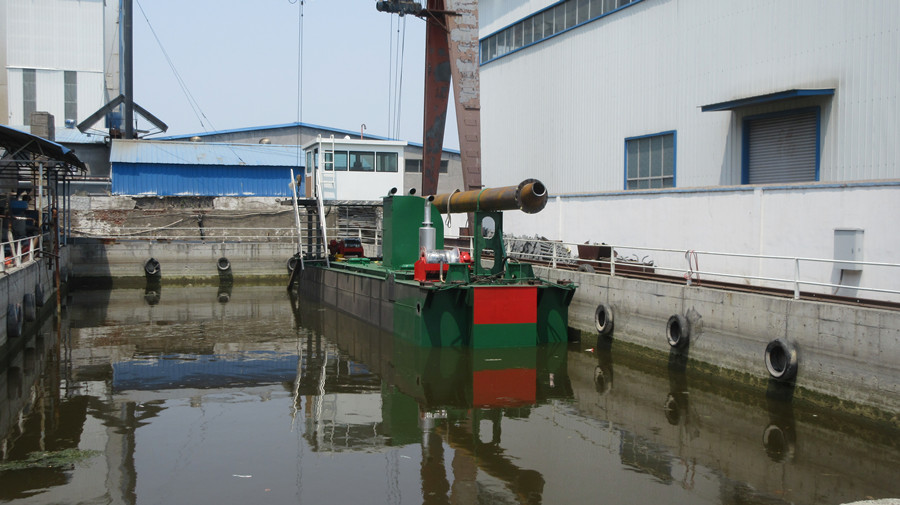
Our production facilities utilize modern machinery and automated fabrication methods to maintain strict quality standards. Explore our process line details below:
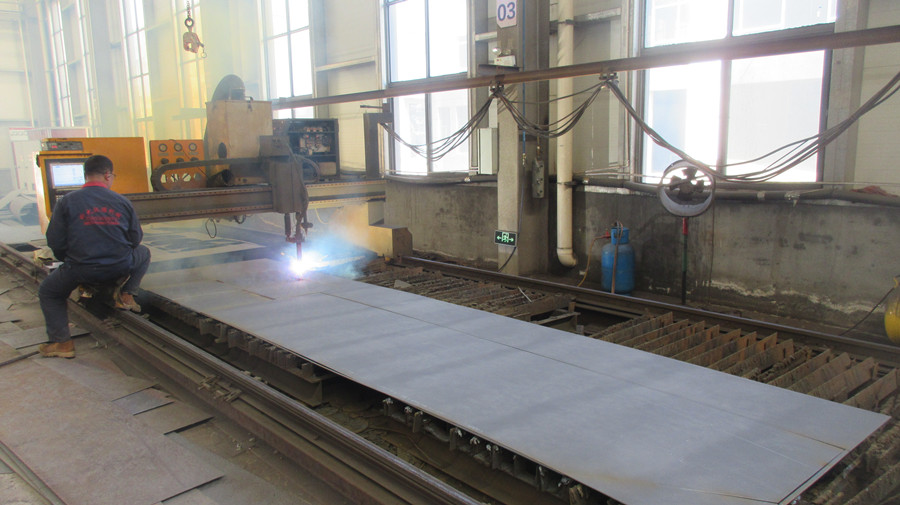
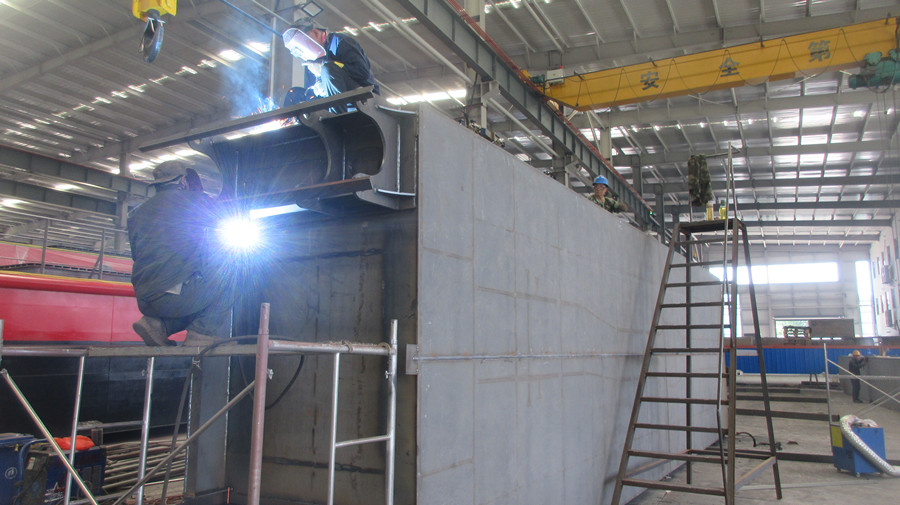
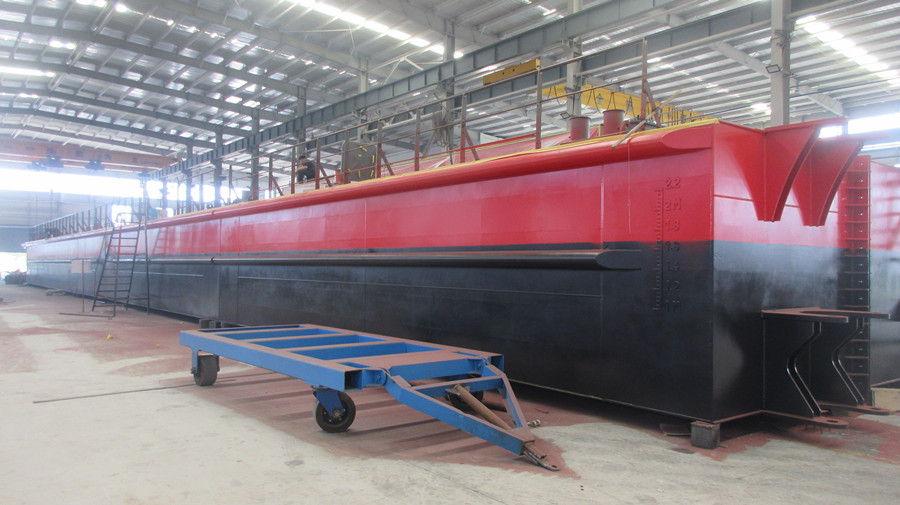





Comparing freight rates is highly dependent on geographical pathways, regulatory demands, and infrastructure quality. We break down the four most common operational scenarios where comparing rates and auditing carriers delivers maximum ROI:
Navigating short ocean transits requires highly integrated customs management. By contrasting DDP (Delivered Duty Paid) tariffs, businesses bypass complex import declarations in Japanese ports, avoiding costly warehouse delays. For specialized industries, selecting carriers verified for LCL dangerous goods shipping is critical for risk reduction.
High-volume lanes demand comparison across multiple intermodal configurations: FCL sea freight vs. rapid express air forwarding (DHL/FedEx). Combining ocean transport with cross-border trucking services into Mexican distribution centers delivers a balanced combination of transit speed and cost control.
Reaching Zeebrugge and major inland cities (in Poland, Germany, UK, Netherlands) requires reliable booking contracts with top ocean alliances (like CMA CGM). Continuous rate comparison helps identify optimal transshipment schedules, avoiding expensive port congestion fees.
For dropshipping and retail companies, the final mile often represents up to 50% of total logistics costs. Deploying optimized local solutions—including heavy-duty last-mile vehicles such as 3-wheel electric cargo bikes—directly lowers cost-per-package and improves sustainability metrics.
Importers and supply chain directors must evaluate logistics partners based on structural capabilities, compliance records, and technological systems rather than price alone. A comprehensive comparison framework should include:
Evaluate if the partner provides real-time API integrations, EDI connections, and digital portals. Fast data exchange via tools like advanced Ethernet switches ensures uninterrupted logistics tracking.
Customs delays can quickly erase any savings gained from cheap shipping rates. Working with partners who maintain in-house customs brokerage teams prevents demurrage charges.
A resilient partner can dynamically transition between air, ocean, rail, and trucking networks depending on market conditions, ensuring cargo keeps moving during disruptions.
FCL (Full Container Load) means your shipment occupies an entire ocean container (typically 20ft or 40ft). LCL (Less than Container Load) pools multiple shipments from different shippers into a single container. FCL is generally faster and cheaper per unit volume, whereas LCL is cost-effective for smaller cargo volumes.
DDP (Delivered Duty Paid) places all responsibility, risks, and transport costs—including import taxes and local clearance fees—on the logistics provider. This prevents shipments from being held at customs, protecting sellers from unpredictable local expenses and ensuring smooth delivery to consumer or FBA warehouses.
Advanced ethernet hardware, such as the Xg3165n switch, facilitates high-speed data transmission between barcode scanners, AGVs, inventory control software, and ERP systems. This real-time visibility minimizes sorting errors and accelerates warehouse processing times.
3-wheel electric cargo bikes are crucial for cost-effective last-mile deliveries in congested urban areas. They bypass city traffic, allow delivery access to restricted areas, significantly reduce delivery emissions, and lower average cost-per-drop compared to traditional diesel delivery vans.
Ocean spot rates can change weekly or even daily, heavily influenced by seasonal demand, route capacity, fuel surcharges (BAF), and port congestions. Securing long-term contract rates protects shippers from these sudden spikes, though comparing spot prices is still valuable during market downturns.

 Changi Logistics