Combining high-capacity IoT storage lockers, specialized vaccine reefers, and top-tier cross-border air/sea freight forwarding capabilities.
The geopolitical and regulatory forces shaping cross-border logistics in the era of digital trade.
Modern international trade operations depend significantly on fast, compliant, and cost-effective clearance frameworks. Under the pressure of tariff restructuring, protectionist trade barriers, and volatile consumer demand, customs brokerage has transformed from a paper-based administrative process into a highly analytical, technology-driven sector. Today, manufacturers and suppliers must adopt advanced OEM/ODM customs brokerage and clearance models to ensure logistics continuity, reduce duty overheads, and guarantee compliance across borders.
The rise of micro-freight, cross-border e-commerce, and high-frequency, low-value shipping has forced customs administrations worldwide to enforce strict electronic filing systems. Programs like the United States Automated Commercial Environment (ACE), the European Union Import Control System 2 (ICS2), and China's Single Window System require immediate, error-free data submissions. Consequently, using traditional, fragmented freight forwarders often leads to delayed shipments and unexpected penalties. Real operational advantage lies in partnering with integrated OEM/ODM supply chain players who control both the physical shipping assets (e.g., reefer containers, intelligent logistics bikes, automated luggage parcel delivery systems) and the digital regulatory structures required for immediate clearance.
Unlike standard brokers, an OEM/ODM customs clearance manufacturer and supplier manages the physical supply chain hardware together with compliance data. By controling the manufacturing of transit containers, monitoring devices, and delivery systems, we ensure that every single unit is designed to meet strict security standards (such as C-TPAT and AEO). This integration minimizes physical inspection times at port borders and streamlines clearance workflows.
Several key macro trends are driving the future of international trade compliance, requiring operators to upgrade their processes from manual workflows to AI-assisted execution:
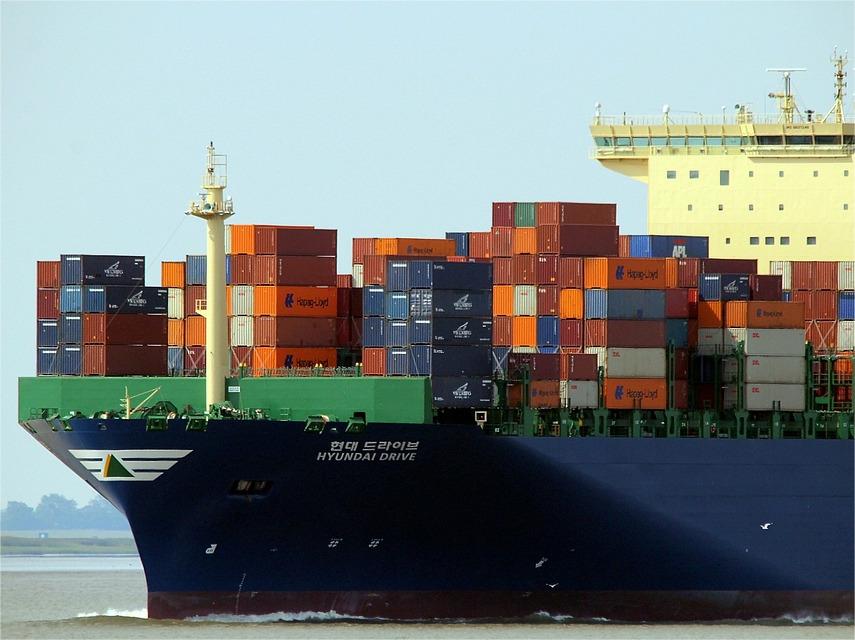
Integrating digital forwarding expertise with physical supply chain hardware manufacturing.
Guangdong Changi Logistics Co., Ltd. is a comprehensive logistics enterprise established in 2018, specializing in international freight forwarding and integrated supply chain solutions. The company is committed to providing efficient, reliable, and customized logistics services for global trade and cross-border e-commerce clients.
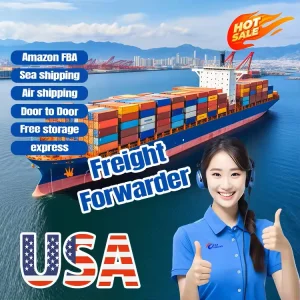
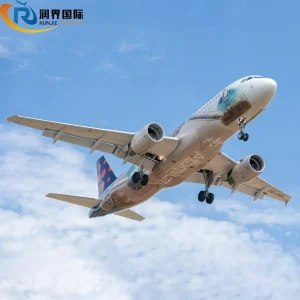
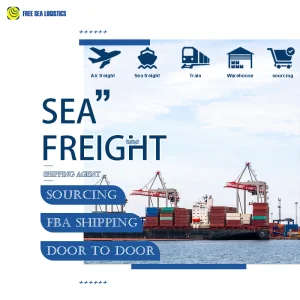
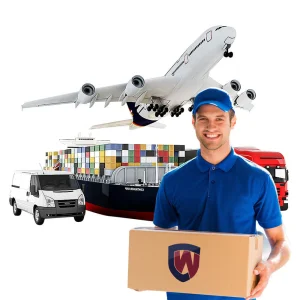
Our core services include international sea freight, air freight, rail transportation, multimodal transport, warehousing, customs clearance, and end-to-end supply chain management. With a strong global agency network and advanced digital logistics systems, we deliver cost-effective and time-efficient solutions to customers across various industries.
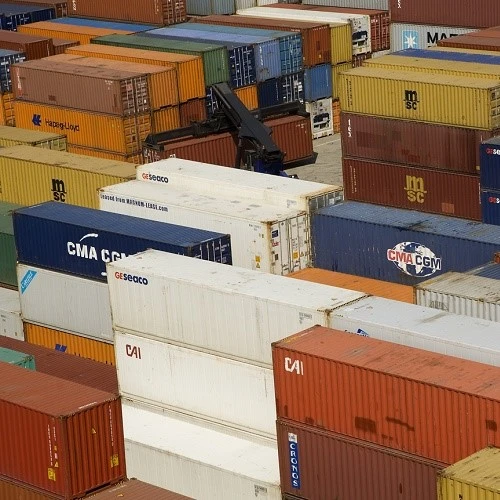
Founded in 2018, Guangdong Changi Logistics Co., Ltd. has grown alongside the rapid expansion of global trade and the rise of cross-border e-commerce. Starting as a traditional freight forwarding service provider, the company has evolved into a full-service logistics and supply chain solutions provider.
Over the years, we have continuously enhanced our operational capabilities by integrating intelligent logistics management systems and real-time tracking technologies. These improvements have significantly increased service efficiency, transparency, and customer satisfaction, enabling us to become a competitive independent logistics provider in the industry.
Our Vision: Our vision is to become a leading global logistics and supply chain partner, driven by innovation and powered by technology. We aim to build a smarter, greener, and more efficient global logistics network that enables seamless international trade and sustainable business growth for our clients.
Our Mission: At Guangdong Changi Logistics Co., Ltd., we are committed to delivering long-term value to our clients through innovative logistics solutions and professional service excellence. Our mission is to:
We believe logistics is more than transportation—it is the foundation that connects global commerce and drives business success.
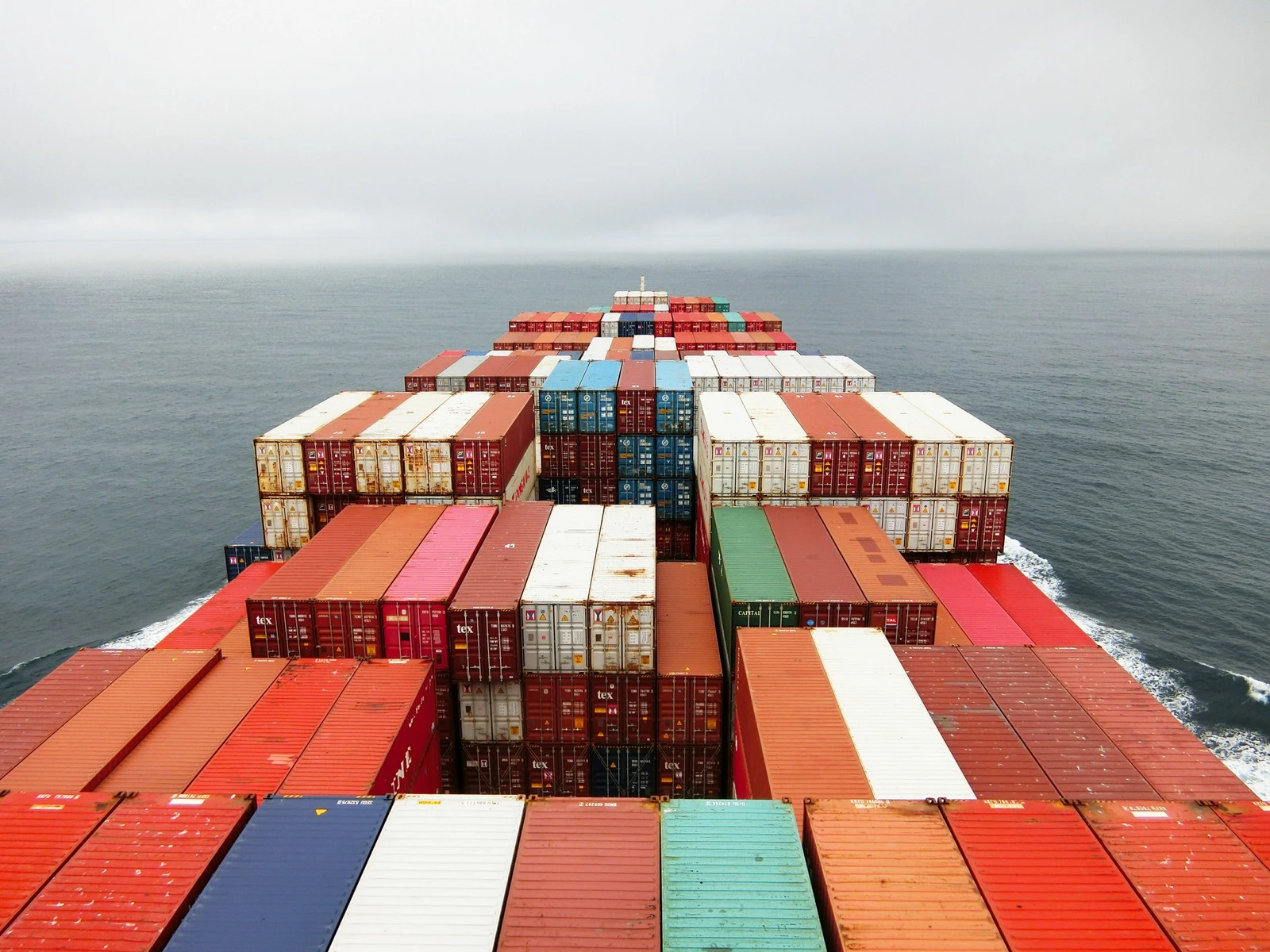
Advancing compliance infrastructure through automation and intelligence.
Deploying Optical Character Recognition (OCR) systems and automated databases to extract details from invoices and pack lists. This reduces manual entry errors and speeds up customs declarations.
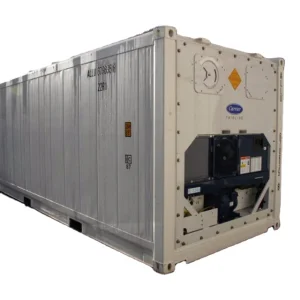
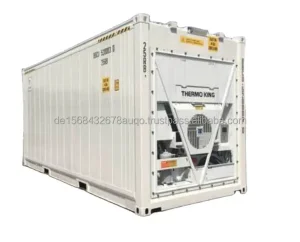
Using smart locks and real-time environment monitors inside 40ft reefer containers. These IoT devices send location and temperature data directly to customs portals to expedite green-channel clearances.
Building secure, decentralized ledgers for certificates of origin and commercial documents. This provides verified audits for customs, reducing inspection times and paperwork delays.
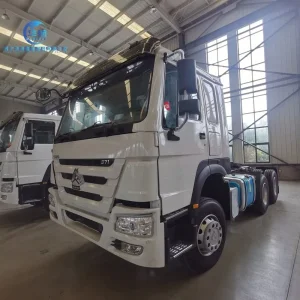
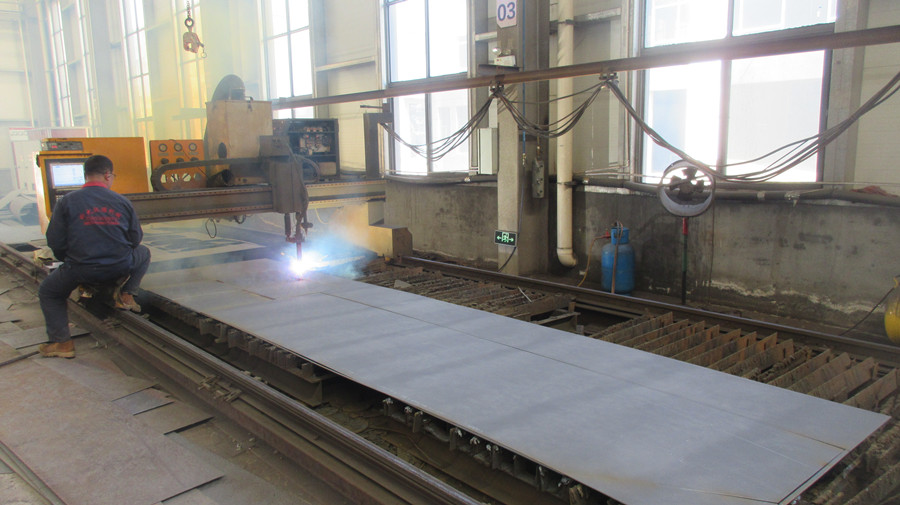
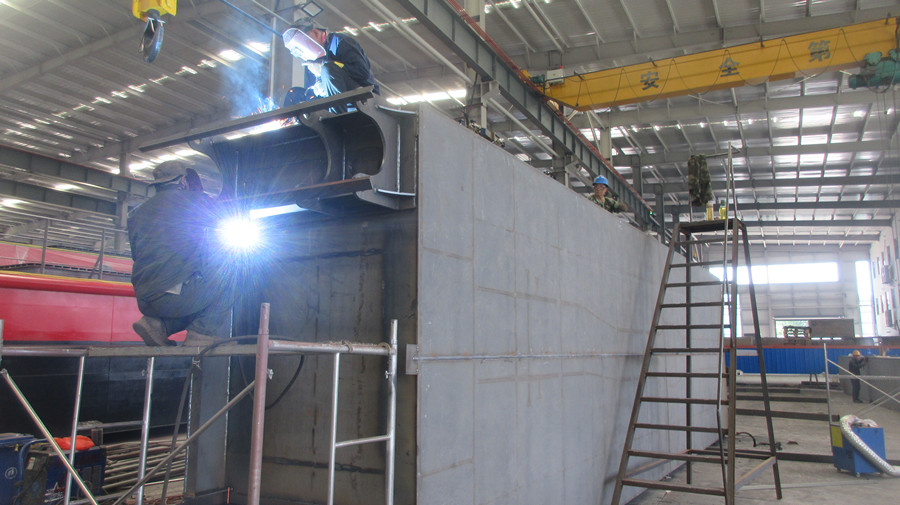
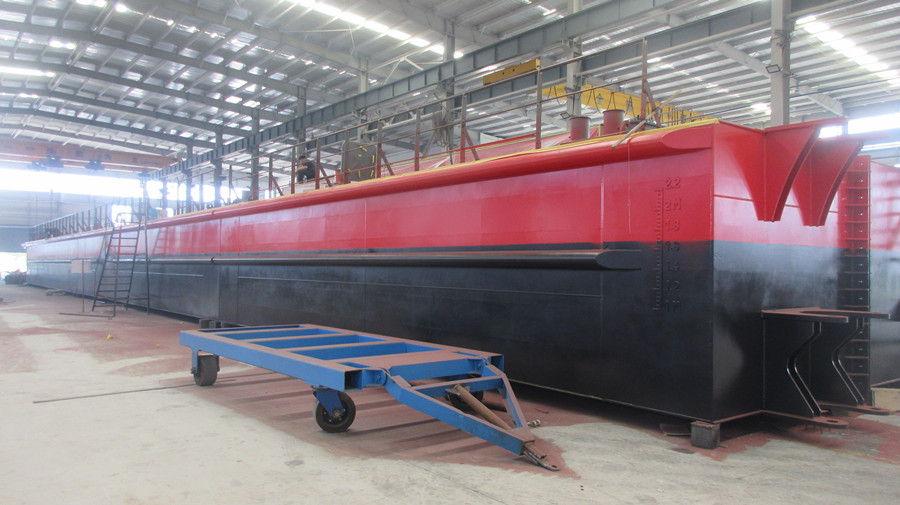
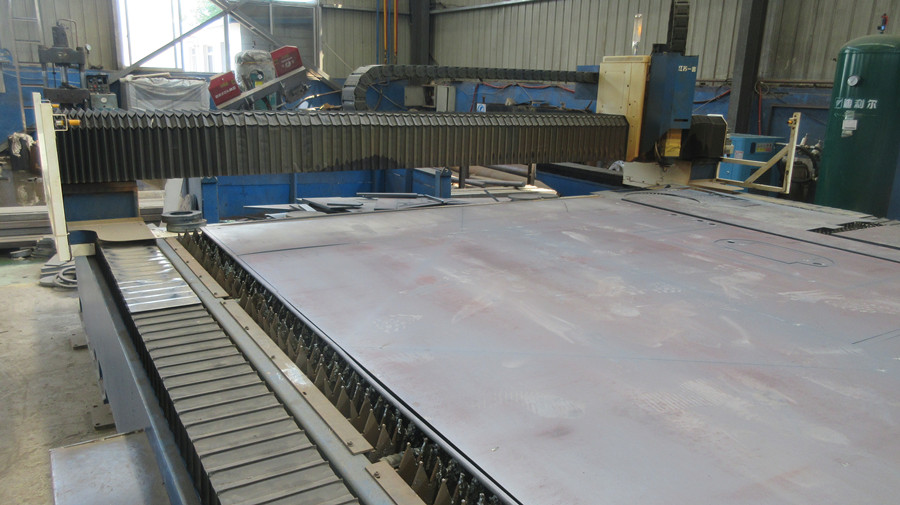
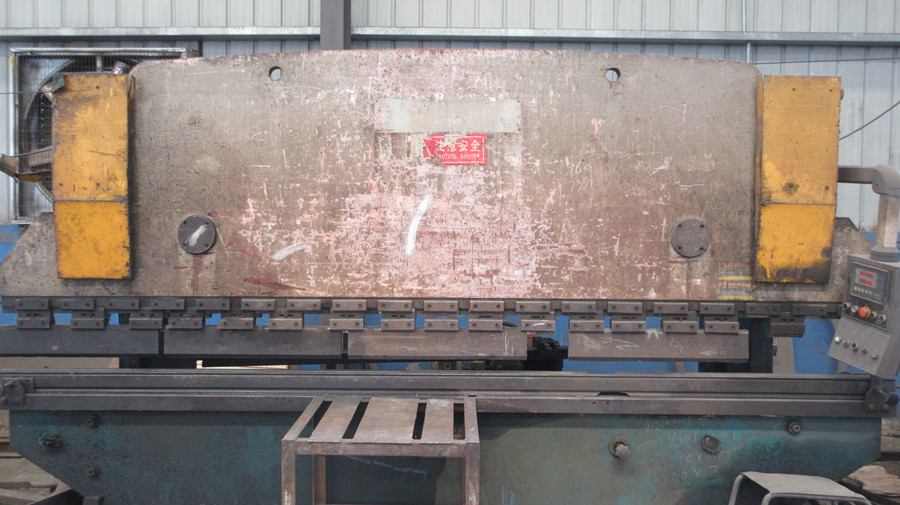
Inside our advanced production plants: Fabricating heavy logistics hardware, certified containers, and steel structures.
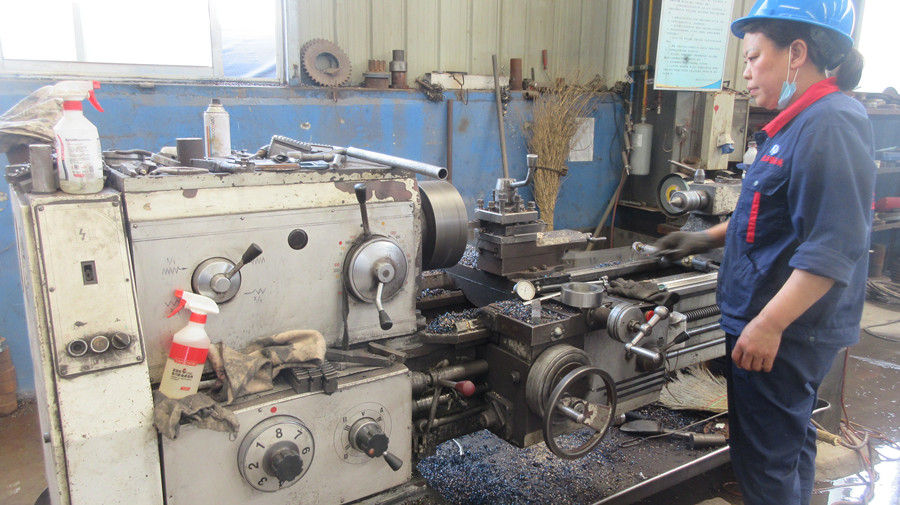
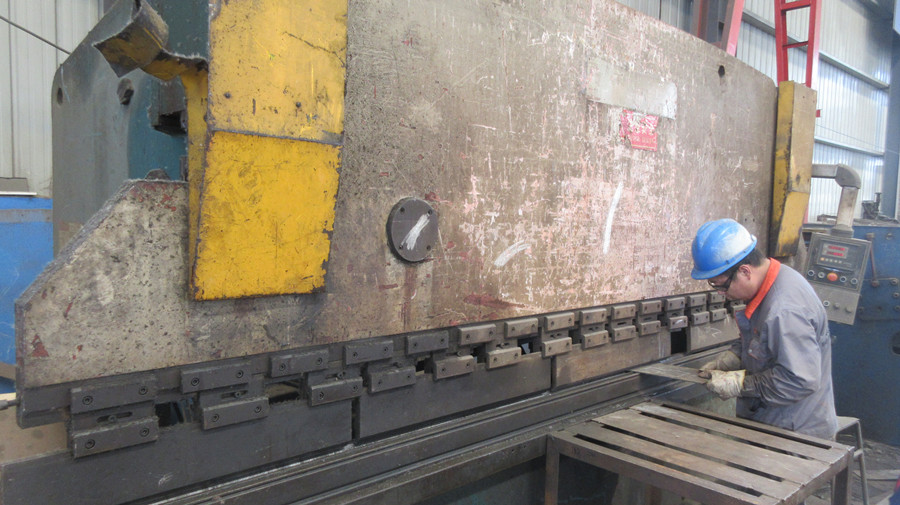
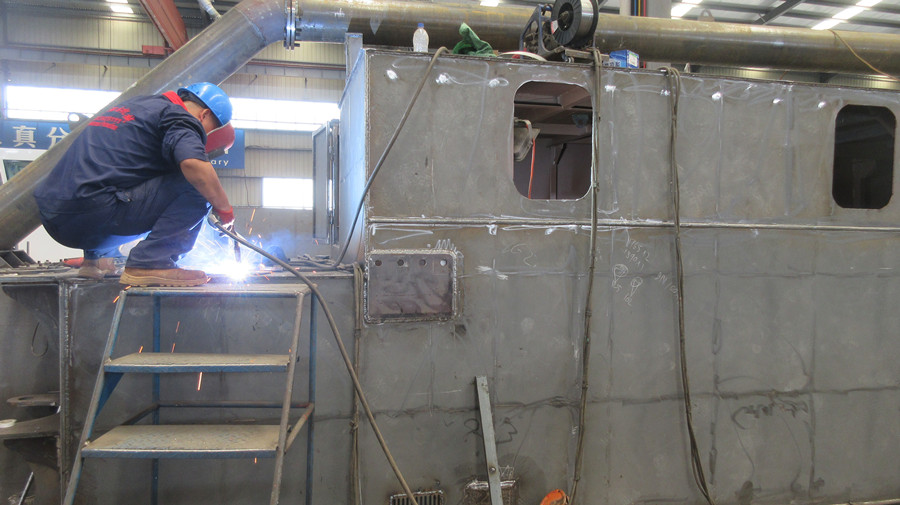
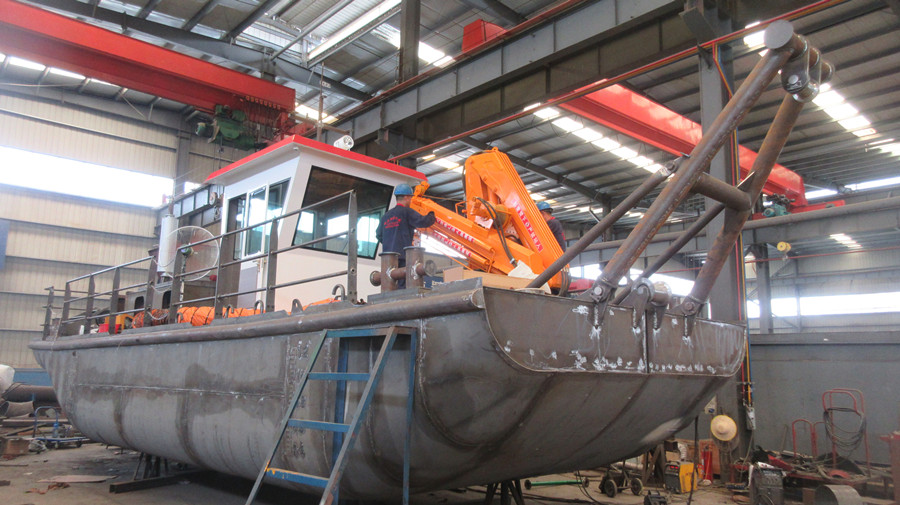
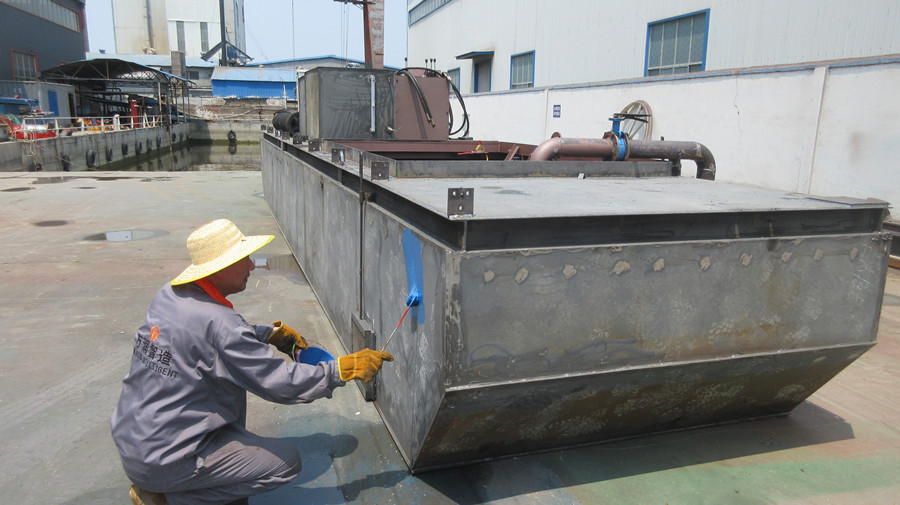
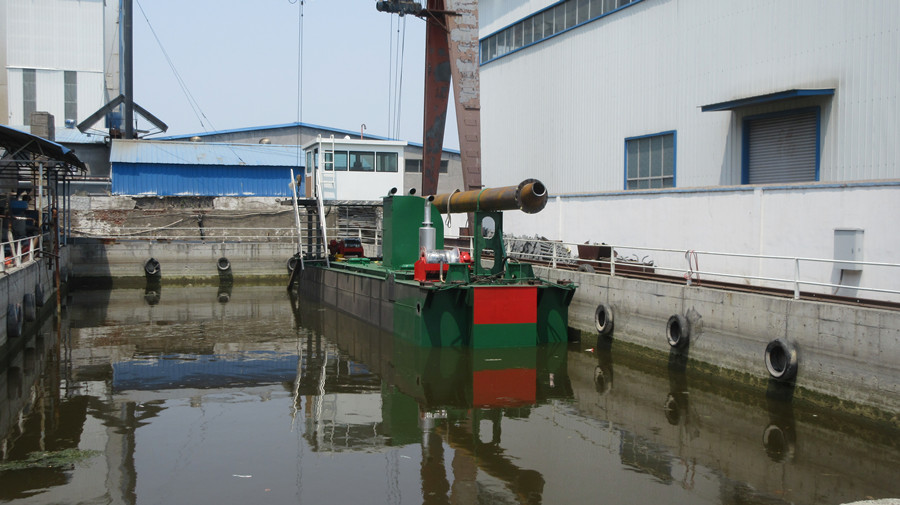
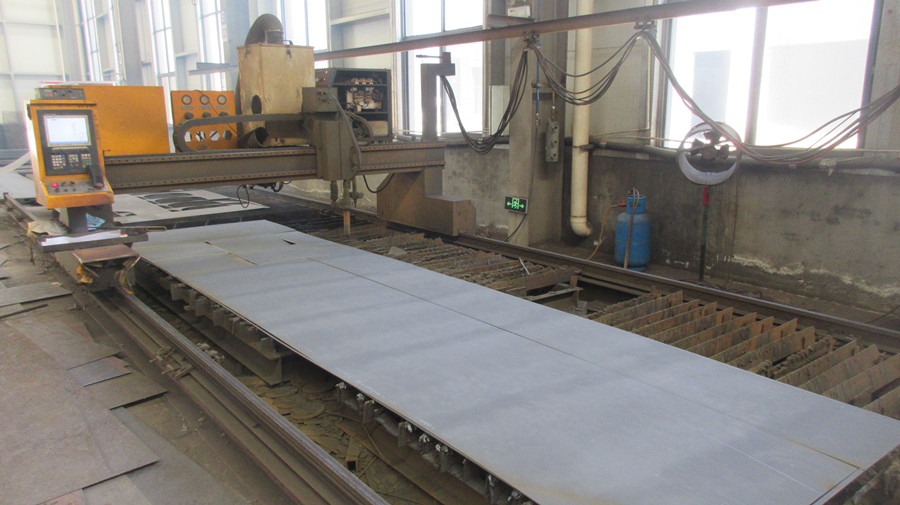
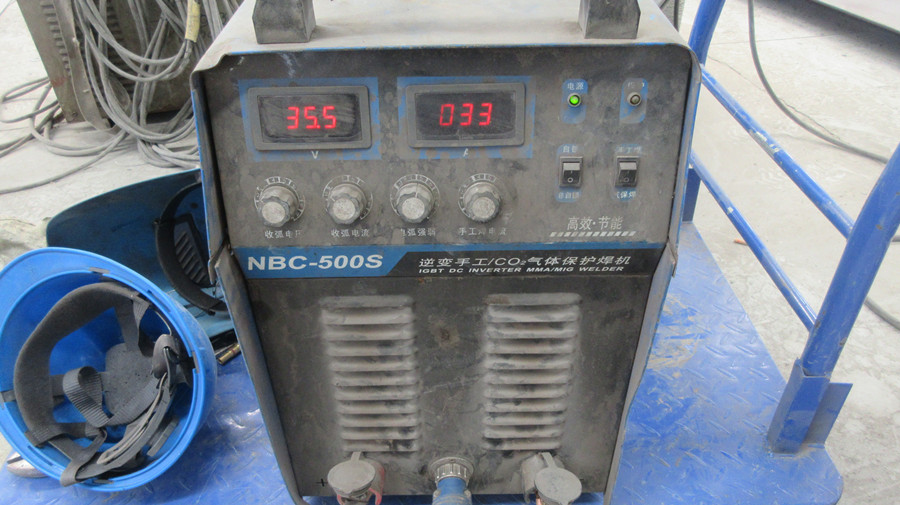
Tailored import/export clearance methods for critical global trade corridors.
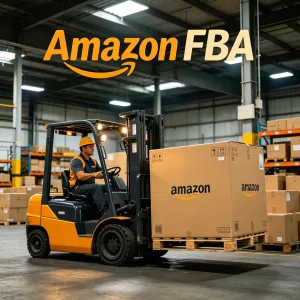
For cross-border e-commerce brands utilizing Amazon FBA or direct warehouse networks, navigating the U.S. Customs and Border Protection (CBP) and Canada Border Services Agency (CBSA) requires extensive bond structures. Our DDP solutions use automated systems to manage bonds, clear customs before arrival, and optimize last-mile ground operations using heavy diesel tractors.
Under the Post-Brexit trade framework, shipments passing between the UK and the EU must go through separate import/export filings. We provide unified DDP and LCL console solutions that process customs clearances at key ports (such as Rotterdam, Hamburg, and Felixstowe) using automated networks, helping to prevent transport delays at the border.
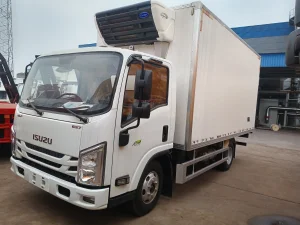
Vaccines and perishable foods require reliable cold-chain setups. By combining specialized refrigerated vans and refrigerated containers with priority customs clearance, we maintain a secure, temperature-controlled path from pickup through final delivery.
Direct insights from our compliance managers on managing global tariffs, documentation, and delivery operations.
Traditional brokers act as third-party intermediaries without asset ownership. OEM/ODM compliance manufacturers integrate physical transport assets (like smart lockers, refrigerated containers, and trucks) with automated compliance systems. This setup provides unified data tracking and helps minimize inspect times and customs clearance delays.
Importers can use DDP (Delivered Duty Paid) structures to consolidate all clearance costs, duties, and local terminal handling fees into one upfront rate. Utilizing exact HS-code classification systems and Free Trade Agreements (FTAs) helps lower final landing fees and protects businesses from unexpected compliance costs.
Biomedical logistics requires ISO 9001 and GDP (Good Distribution Practice) standards. Specialized reefers and refrigerated vans must be calibrated, inspected, and paired with remote IoT devices to send real-time temperature logs directly to health and customs agencies for priority clearance.
Authorized Economic Operator (AEO) status is a recognized mark of supply chain security. Businesses working with AEO-certified partners benefit from streamlined customs processing, fewer physical checks, and priority clearance during port delays.
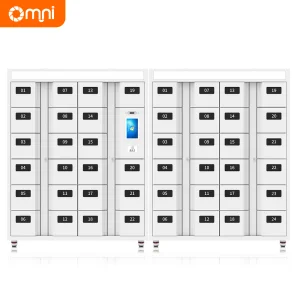
Smart parcel cabinets provide secure, 24/7 automated delivery access points. Integrating these systems with local electric cargo bikes helps lower last-mile delivery costs, reduces fuel emissions, and provides reliable cargo tracking in busy urban centers.
High-performance shipping containers, heavy tractor units, and specialized customs agents for secure global trade.

 Changi Logistics