In an era defined by macro-economic volatility, geopolitical realignments, and the rapid rise of cross-border e-commerce, the global B2B shipping sector is transitioning from traditional transactional transport models to integrated, asset-heavy, smart logistical systems. Commercial and industrial buyers are no longer searching merely for localized container handlers; they require end-to-end, tailor-made shipping equipment, high-density intermodal units, and intelligent hardware-software integrations to drive down the total cost of ownership (TCO) and eliminate supply chain friction.
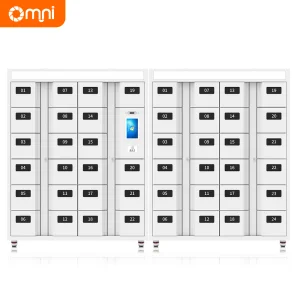
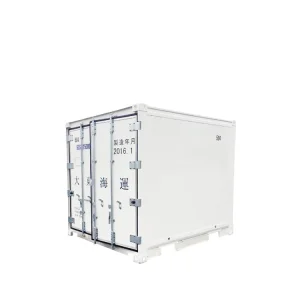
Industrial shipping solutions comprise a complex matrix of logistics equipment manufacturing (including custom container systems, robust freight trailers, and specialized reefer units) and digital networking elements (automated parcel lockers, switching fabrics, and real-time tracking agents). OEM/ODM production processes act as the bedrock of this industry. Manufacturers must accommodate design requirements that vary by trade lane, local highway laws, climate-controlled cargo preservation criteria, and port integration protocols. The ability to pivot quickly from custom engineering designs to high-rate assembly lines dictates a factory's global competency.
Year Established
Countries Connected
Real-Time Tracking & Support
Customs Clearance Success Rate
Guangdong Changi Logistics Co., Ltd. is a comprehensive logistics enterprise established in 2018, specializing in international freight forwarding and integrated supply chain solutions. The company is committed to providing efficient, reliable, and customized logistics services for global trade and cross-border e-commerce clients.
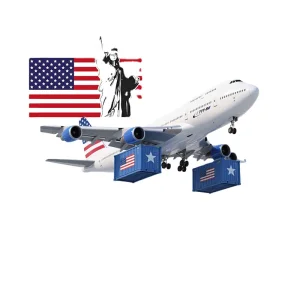
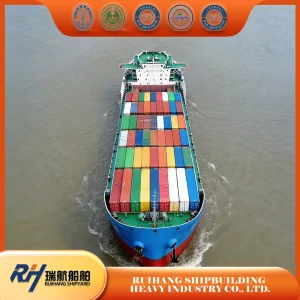
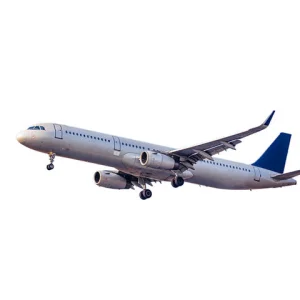
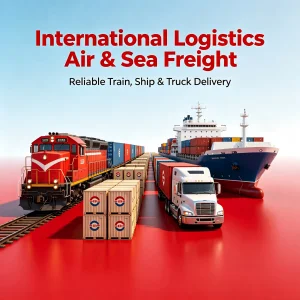
Our core services include international sea freight, air freight, rail transportation, multimodal transport, warehousing, customs clearance, and end-to-end supply chain management. With a strong global agency network and advanced digital logistics systems, we deliver cost-effective and time-efficient solutions to customers across various industries.
Founded in 2018, Guangdong Changi Logistics Co., Ltd. has grown alongside the rapid expansion of global trade and the rise of cross-border e-commerce. Starting as a traditional freight forwarding service provider, the company has evolved into a full-service logistics and supply chain solutions provider.
Over the years, we have continuously enhanced our operational capabilities by integrating intelligent logistics management systems and real-time tracking technologies. These improvements have significantly increased service efficiency, transparency, and customer satisfaction, enabling us to become a competitive independent logistics provider in the industry.
Our Vision: To become a leading global logistics and supply chain partner, driven by innovation and powered by technology. We build a smarter, greener, and more efficient global logistics network that enables seamless international trade and sustainable business growth.
Our Mission: We are committed to delivering long-term value to our clients through innovative logistics solutions and professional service excellence. Our core targets include:
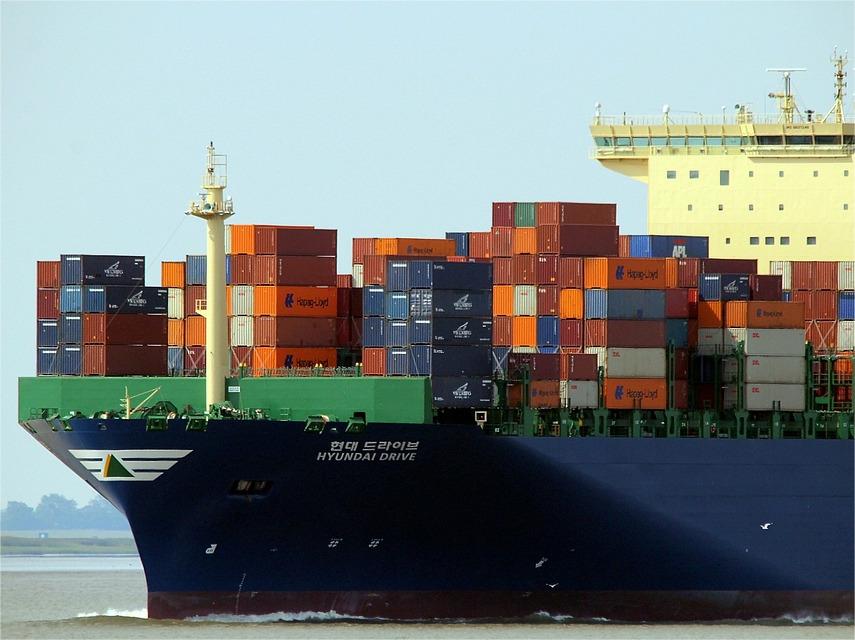
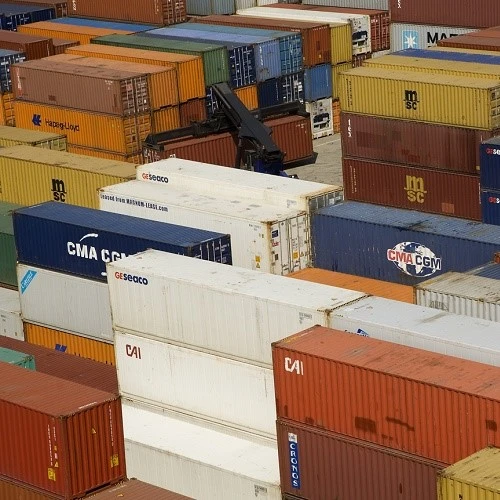
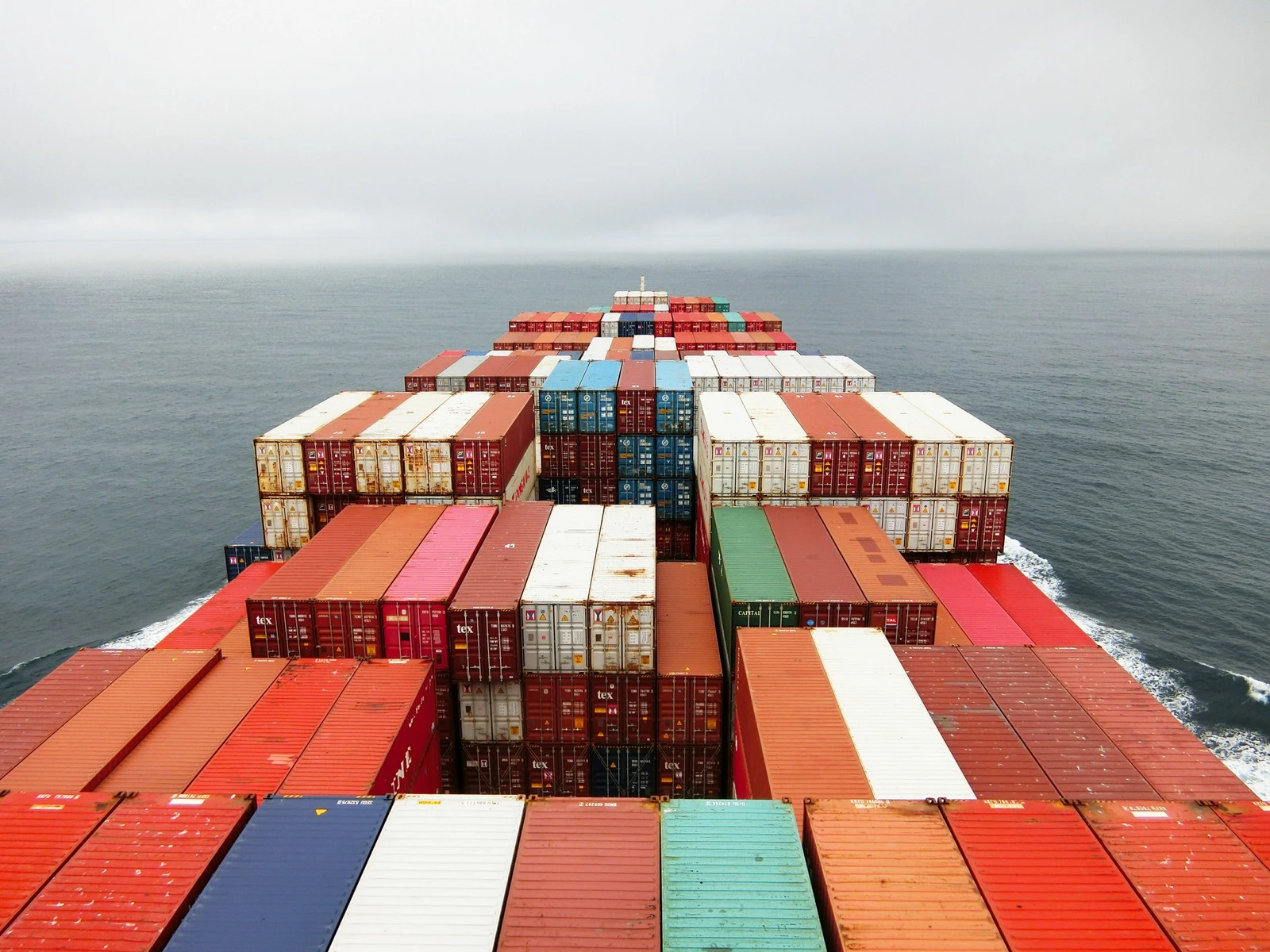
The preeminence of Chinese manufacturing in the global shipping equipment sector rests on integrated supply chains, precision engineering, and specialized industrial zones. Factories specializing in trailers, reefer containers, intelligent IoT cabinets, and distribution equipment benefit from raw material accessibility and a skilled labor pool. Guangdong, as a primary industrial node, links precision sheet metal cutting, advanced robotic welding, and dynamic structural assembly into single-region workflows.
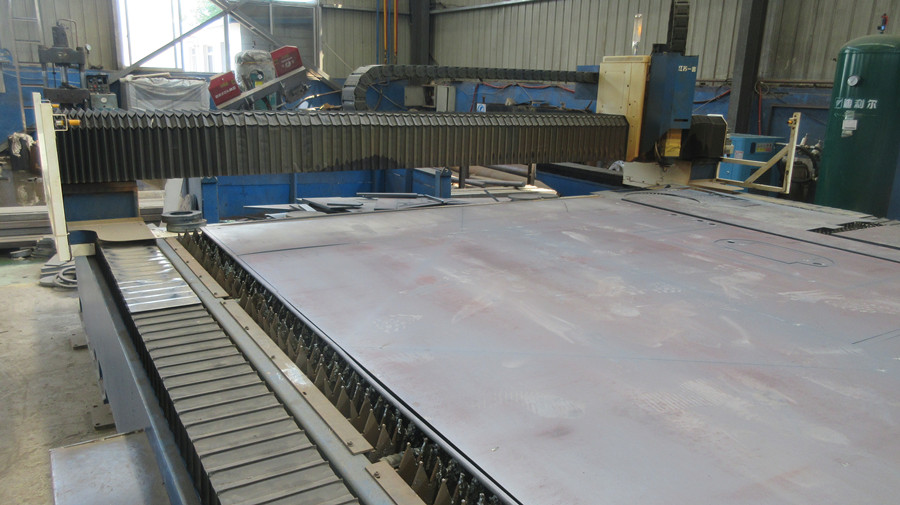
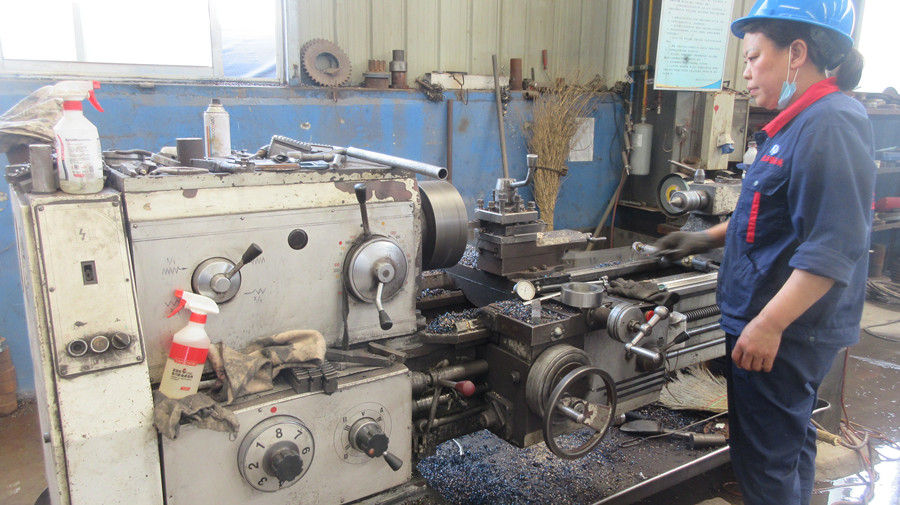
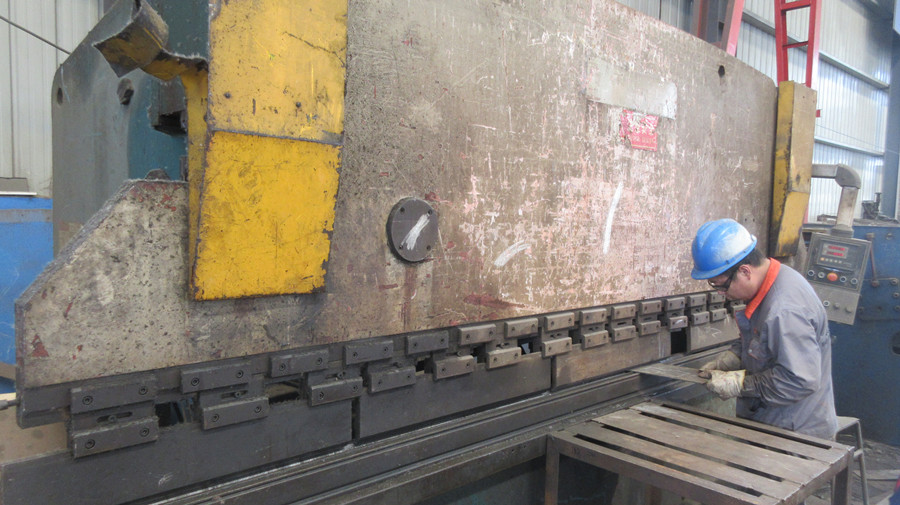
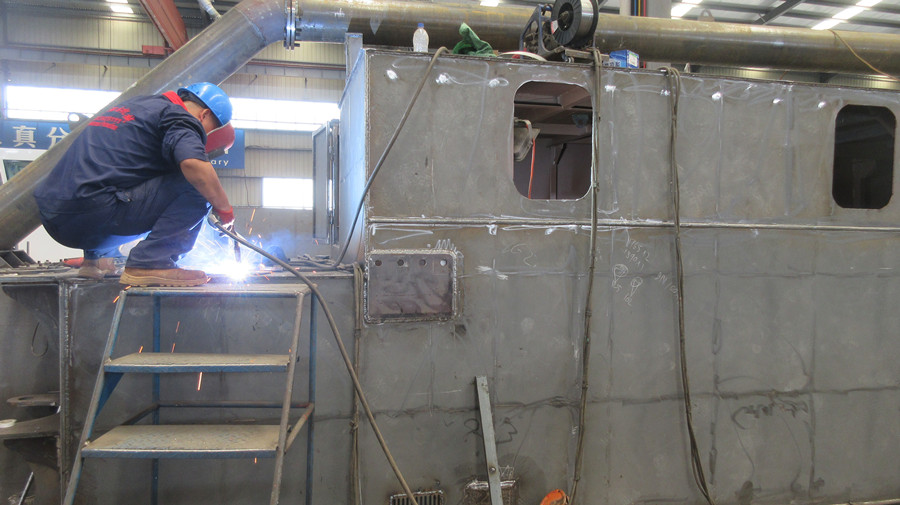
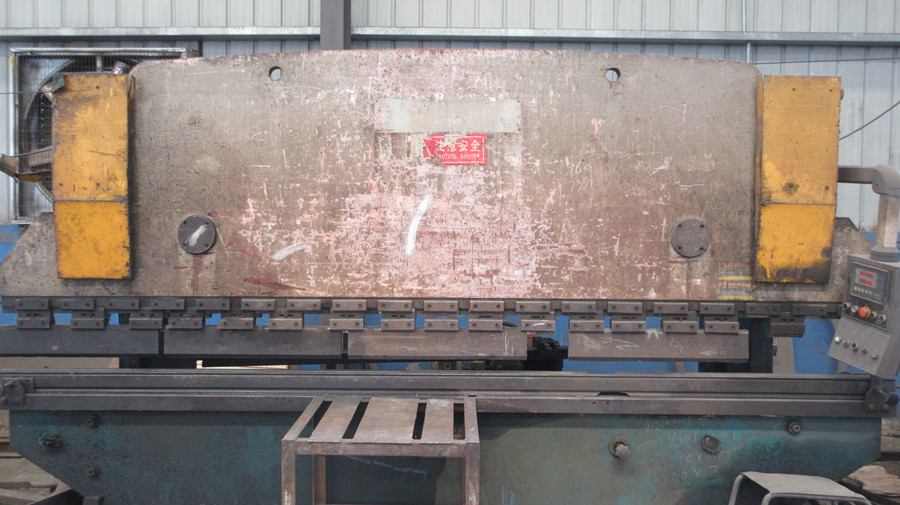
By utilizing computerized laser-cutting devices, multi-axis bending complexes, and robotic paint booths, production output meets standards set by the ISO, DOT, CE, and custom international shipping agencies. The integration of advanced testing, including structural load analysis and water-tight sealing checks, guarantees that every trailer chassis, custom cold container, or terminal locker system operates reliably under harsh sea and land conditions.
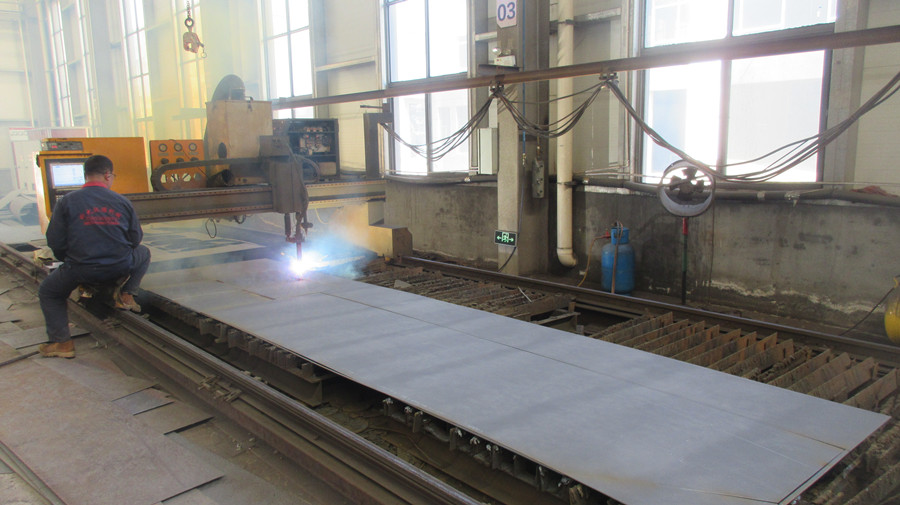
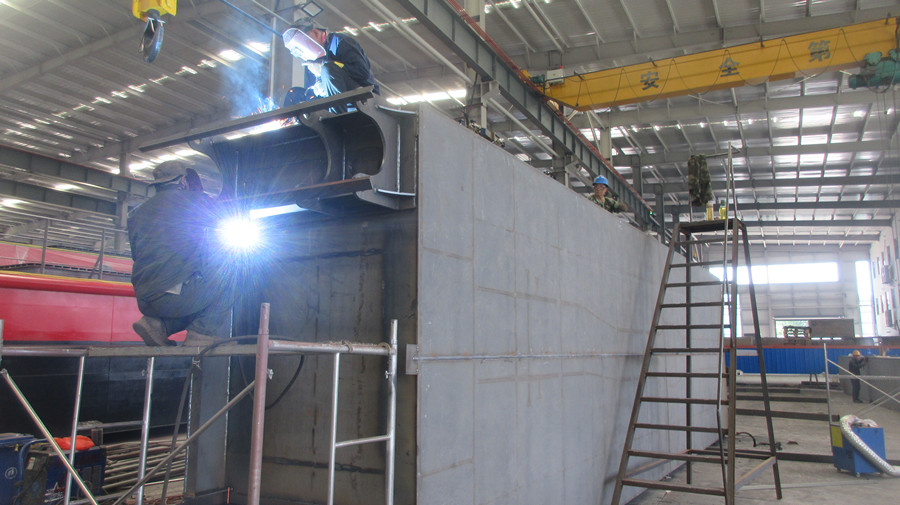
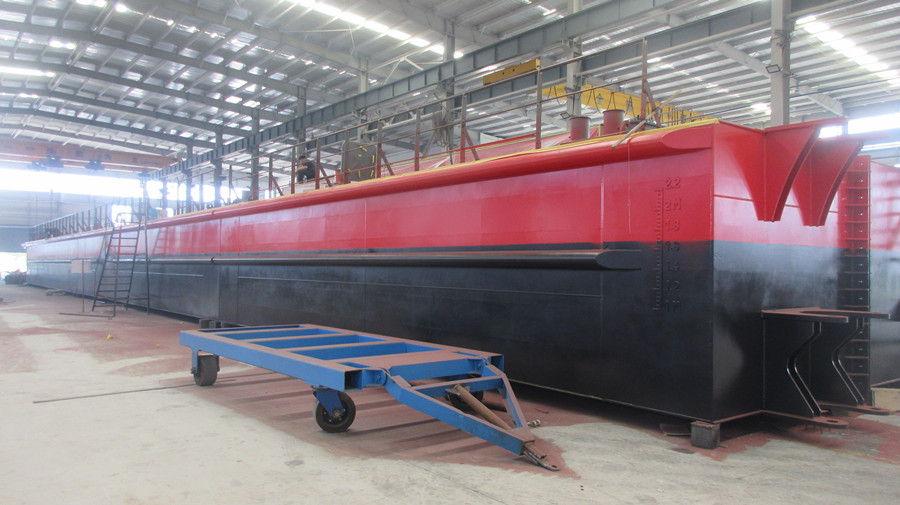
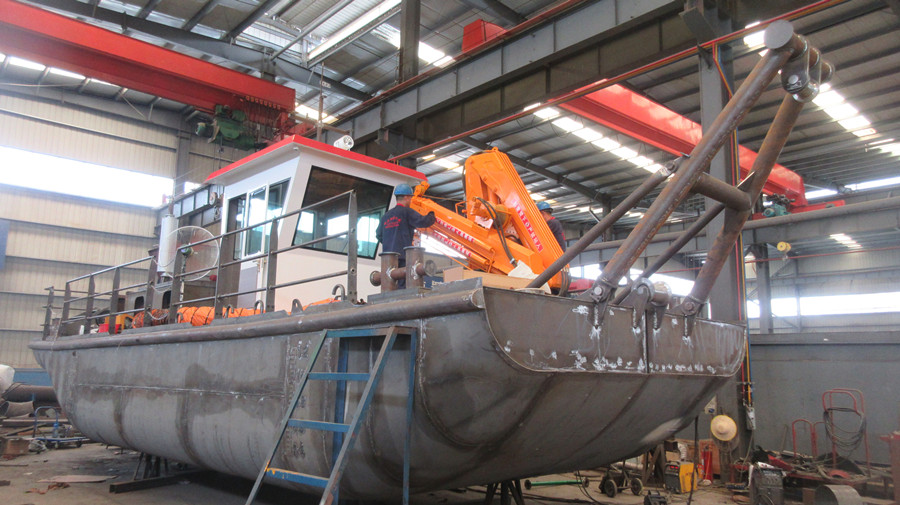

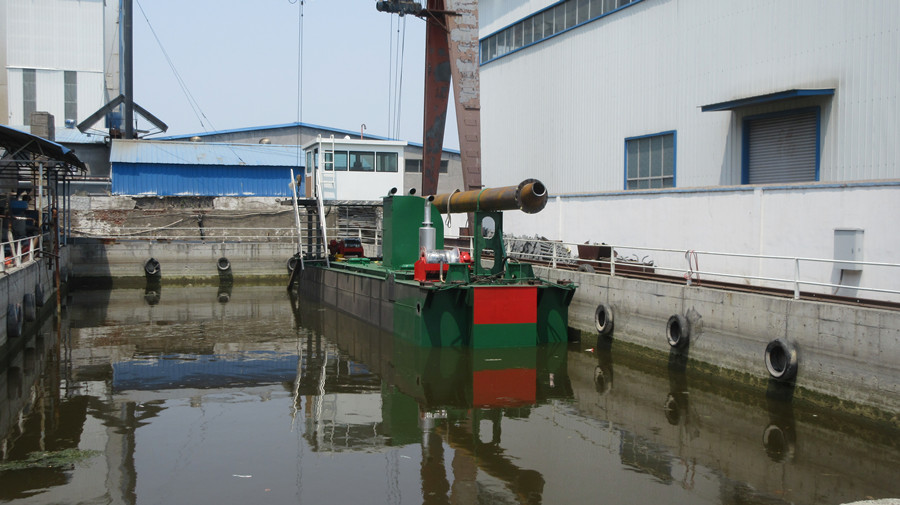
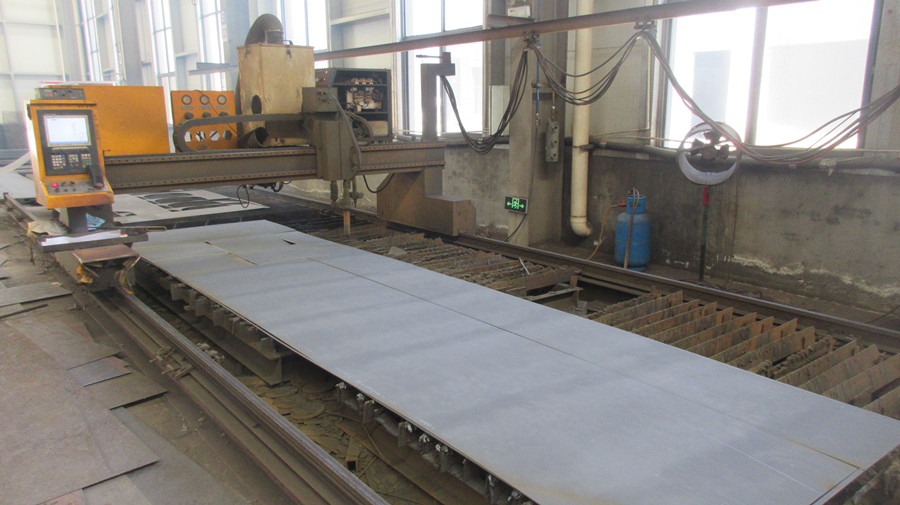
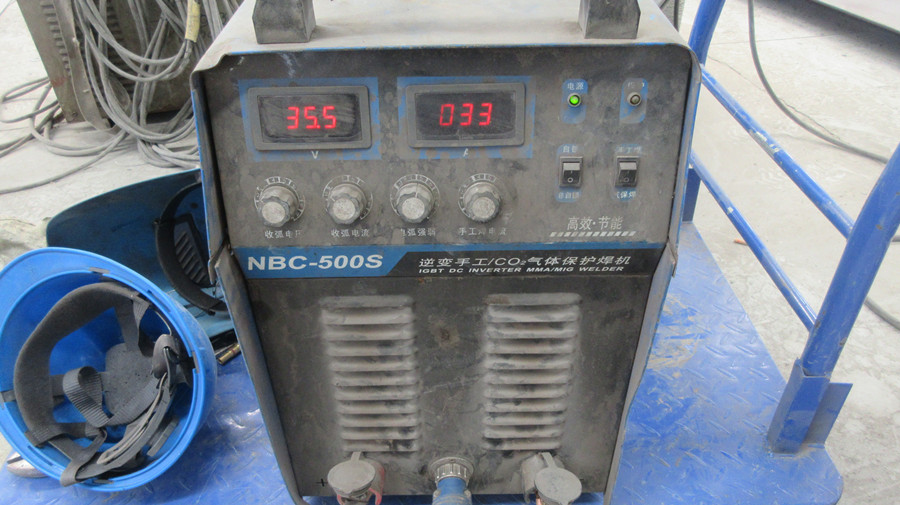
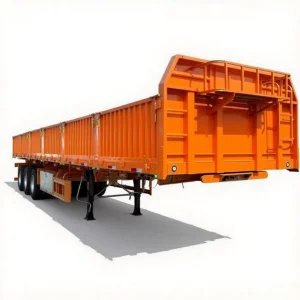
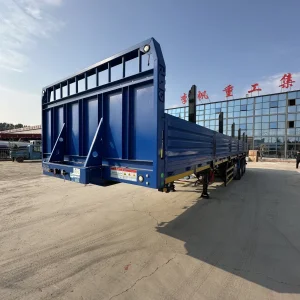
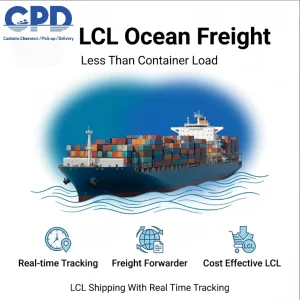
Operating in the US and Canada requires compliance with DOT and FHWA guidelines. Heavy industrial enterprises require customizable container lock transfer systems and heavy-duty flatbed trailers with detachable panels to move cargo from deep-water ports (such as LA, Long Beach, and Vancouver) to inland warehouses. Intermodal logistics networks are supplemented by DDP (Delivered Duty Paid) air freight charters and Less-than-Container Load (LCL) consolidation to bypass key seaport congestion points.
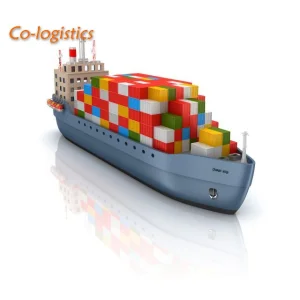
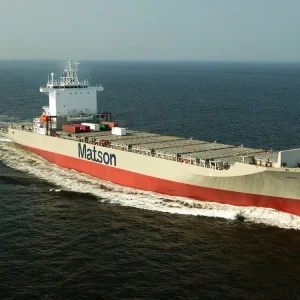
European distribution relies on strict environmental compliance (Euro 6 standards) and complex intermodal transfers. Integrated maritime container vessels transport custom equipment to Spain, Hamburg, and Rotterdam, linking to regional road networks via customized flatbed chassis. Smart switches and telemetry systems coordinate container transfers at busy cargo hubs, maintaining visibility for cross-border e-commerce networks.
The desert environments of Saudi Arabia require rugged transport equipment. Reefers must employ advanced thermal insulation and custom refrigeration systems to handle high ambient heat. Additionally, expanding economic centers depend on automated express lines, including DDP customs clearance and rapid parcel lockers, to service booming retail and consumer goods networks.
The global logistics sector is adopting three major trends: digital tracking, zero-emission last-mile logistics, and modular equipment designs. Shippers are upgrading legacy networks to utilize active tracking switch hardware, allowing them to monitor shipment coordinates, speed, and interior climate metrics in real-time.
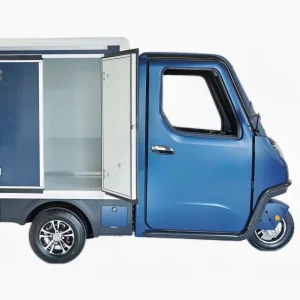
Simultaneously, environmental regulations are driving demand for electric commercial vans and specialized trikes with insulated boxes to manage zero-emission urban delivery. Global procurement teams prioritize OEM partners capable of engineering multi-use components, such as dual-purpose flatbed trailers designed for containers and loose cargo. Guangdong Changi Logistics integrates these assets with warehousing services to offer flexible, scalable supply chain frameworks.
 Changi Logistics