Explore our top global transport routes, DDP express lines, cargo consolidation options, and specialized freight management solutions tailored for global enterprises.
In the modern global trading paradigm, warehouse management has evolved from a passive storage utility into a dynamic engine of supply chain optimization. As companies scale their manufacturing pipelines out of industrial centers like the Pearl River Delta and Yangtze River Delta, the intersection of agile warehousing and seamless multimodal forwarding has become the key differentiator for high-growth enterprises.
For organizations importing from China, warehouse suppliers act as structural hubs. Efficient operations in these facilities minimize holding costs, accelerate cycle times, and maximize SKU visibility. Selecting a premium supplier entails evaluating more than just raw square footage; it requires analyzing a provider's digital orchestration architecture, localization capability, and technical infrastructure. This whitepaper analyzes how high-performance warehouse management systems (WMS) integrate with factory supply chains to secure a competitive advantage in the global market.
China's unparalleled manufacturing capability is driven by dedicated industrial clusters. Integrating a warehouse facility directly with these networks reduces transportation delays and optimizes logistics. For example, by centering operations near major hubs in Guangdong, suppliers gain direct access to fabricators of specialized industrial components, raw steel, electronics, and consumer retail products.
This geographic positioning creates several direct operational benefits:
International buyers face complex coordination issues when dealing with diverse product portfolios, varying lead times, and multiple delivery destinations. E-commerce sellers, industrial fabricators, and international distributors require a unified warehouse partner to simplify this complexity.
Key requirements for modern supply chain management include:
Cross-border shipping is heavily shaped by regional regulations, tariff classifications, and local customs requirements. Managing these logistics requires a supplier with deep regulatory knowledge in both the exporting and importing countries.
Our customs clearance and compliance services focus on key practices:
The warehouse management industry is shifting toward automated, data-driven systems. Implementing IoT tracking, real-time climate monitoring for reefer transport, and cloud-based shipping software has changed how companies track cargo status worldwide.
Additionally, green logistics and environmental compliance are increasingly important. Implementing energy-efficient warehouse lighting, using optimized packaging, and consolidating freight to reduce fuel consumption help global brands meet environmental targets while lowering operating costs.
To demonstrate the utility of integrated supply chains, here are common operational scenarios:
Guangdong Changi Logistics Co., Ltd. is a comprehensive logistics enterprise established in 2018, specializing in international freight forwarding and integrated supply chain solutions. The company is committed to providing efficient, reliable, and customized logistics services for global trade and cross-border e-commerce clients.
Our core services include international sea freight, air freight, rail transportation, multimodal transport, warehousing, customs clearance, and end-to-end supply chain management. With a strong global agency network and advanced digital logistics systems, we deliver cost-effective and time-efficient solutions to customers across various industries.
Founded in 2018, Guangdong Changi Logistics Co., Ltd. has grown alongside the rapid expansion of global trade and the rise of cross-border e-commerce. Starting as a traditional freight forwarding service provider, the company has evolved into a full-service logistics and supply chain solutions provider.
Over the years, we have continuously enhanced our operational capabilities by integrating intelligent logistics management systems and real-time tracking technologies. These improvements have significantly increased service efficiency, transparency, and customer satisfaction, enabling us to become a competitive independent logistics provider in the industry.
Our vision is to become a leading global logistics and supply chain partner, driven by innovation and powered by technology. We aim to build a smarter, greener, and more efficient global logistics network that enables seamless international trade and sustainable business growth for our clients.
At Guangdong Changi Logistics Co., Ltd., we are committed to delivering long-term value to our clients through innovative logistics solutions and professional service excellence. Our mission is to:
We believe logistics is more than transportation—it is the foundation that connects global commerce and drives business success.
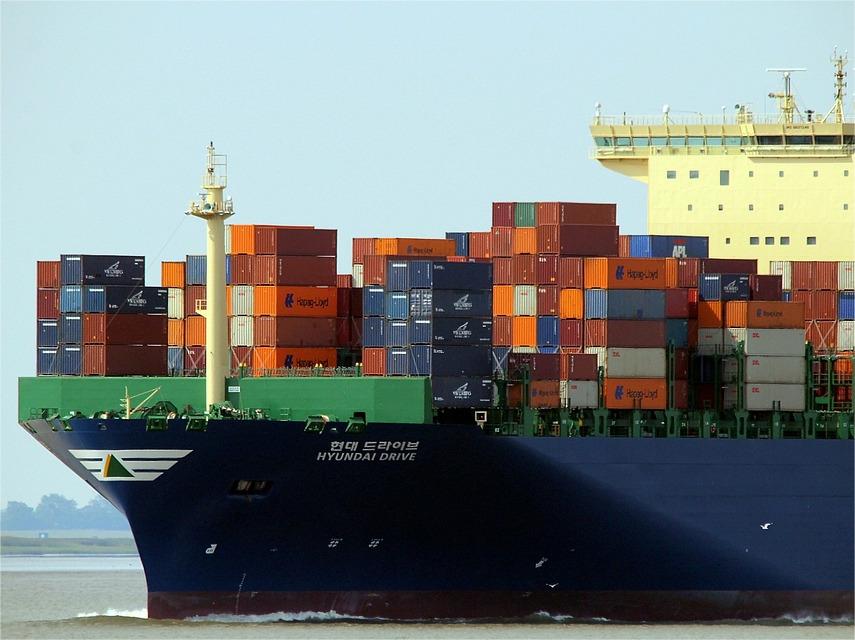
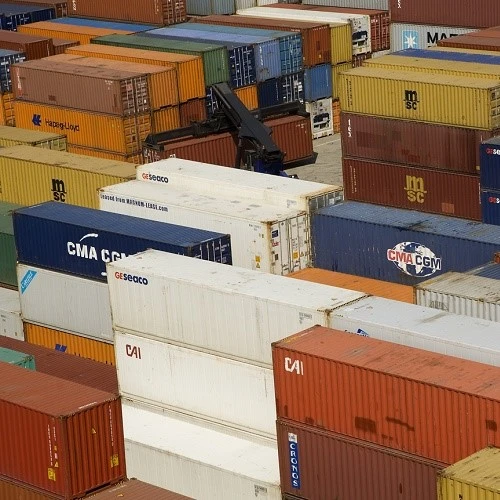

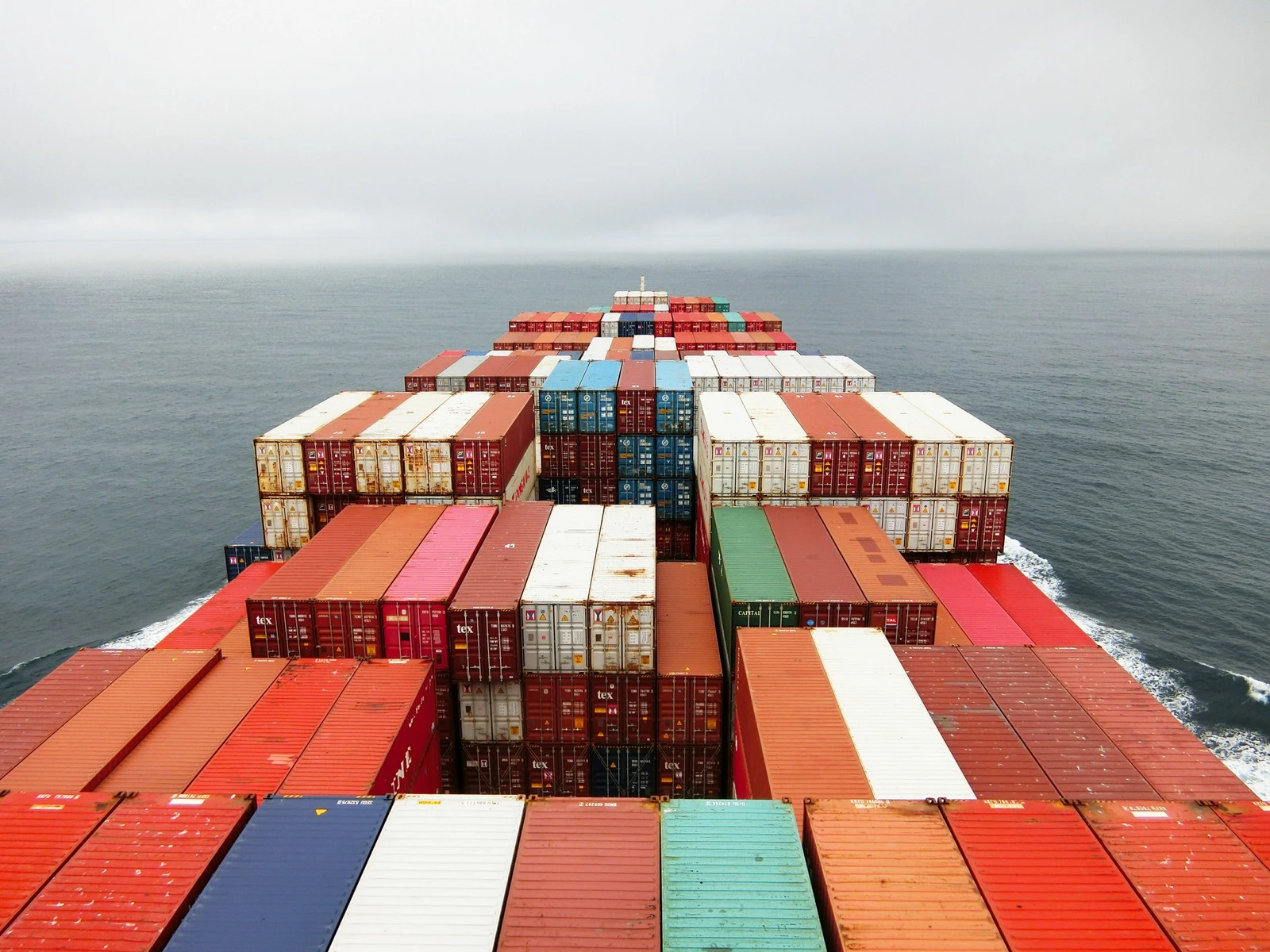
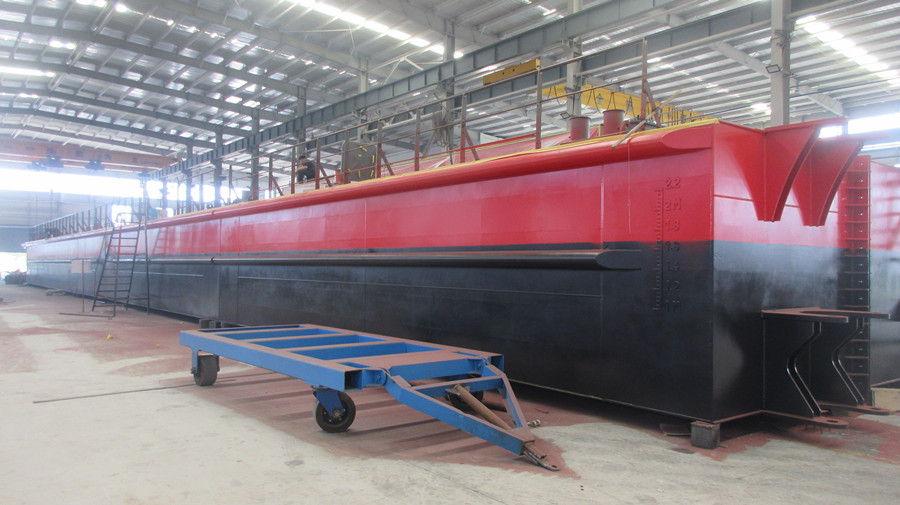
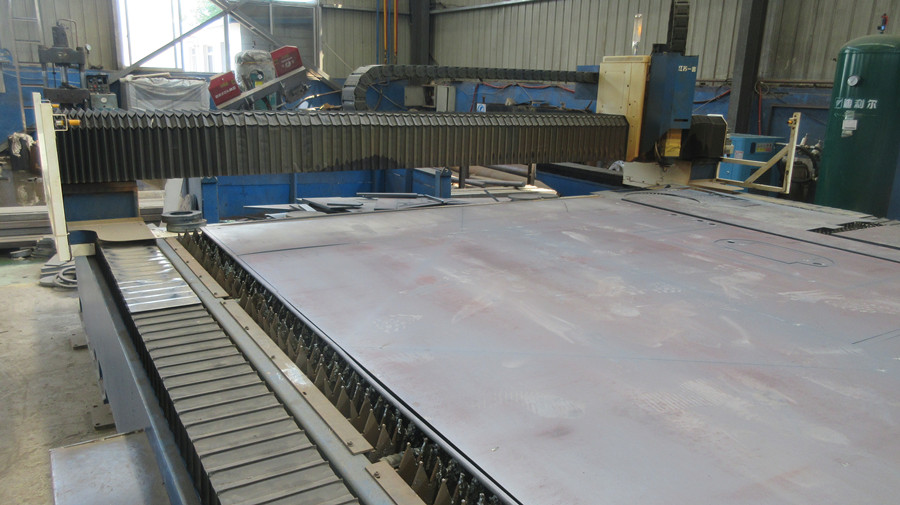
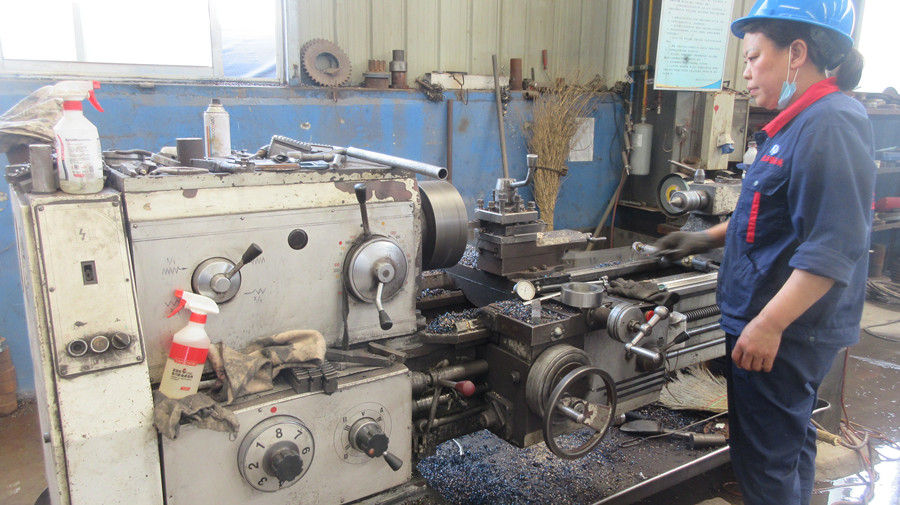
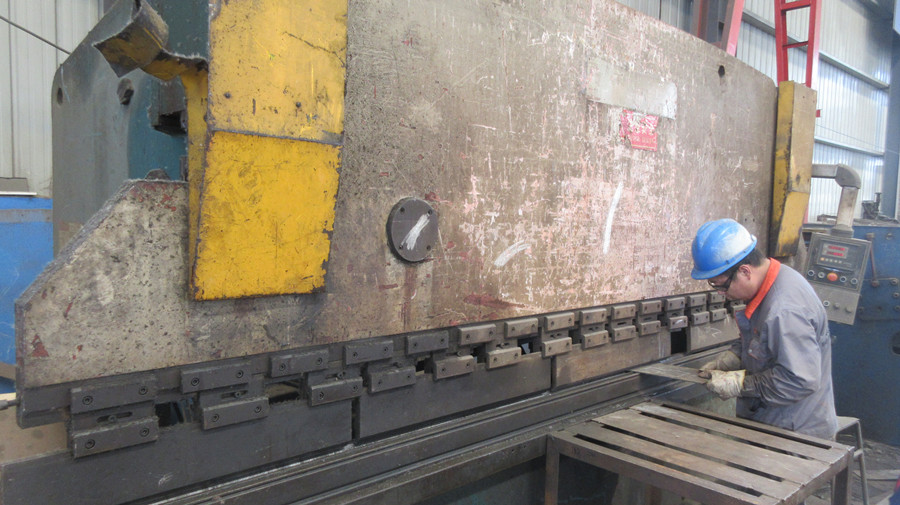
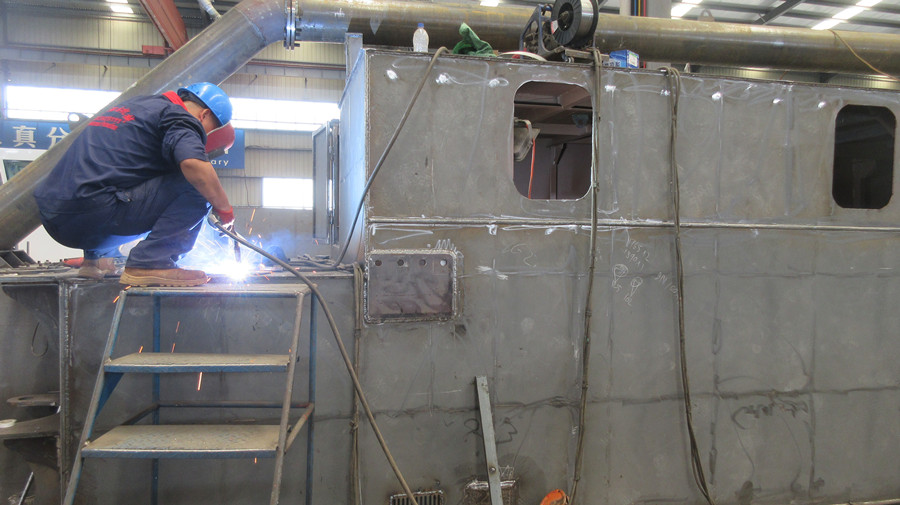
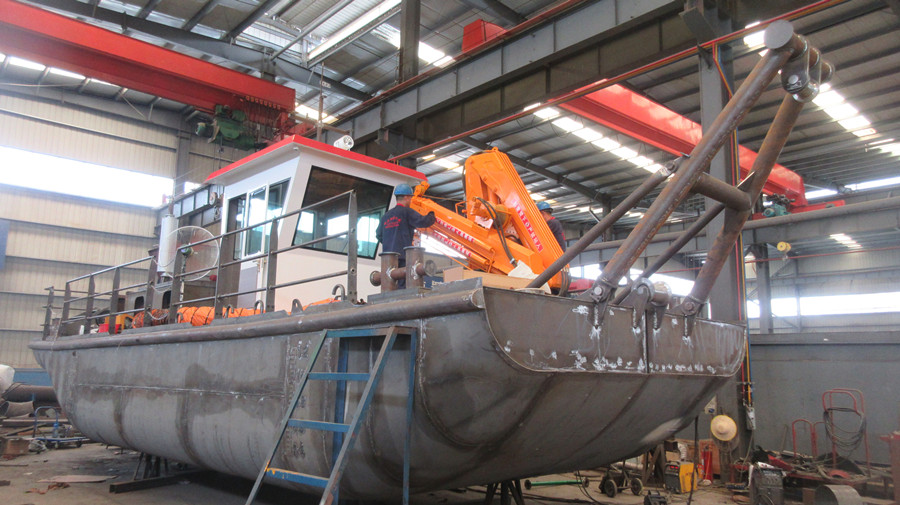
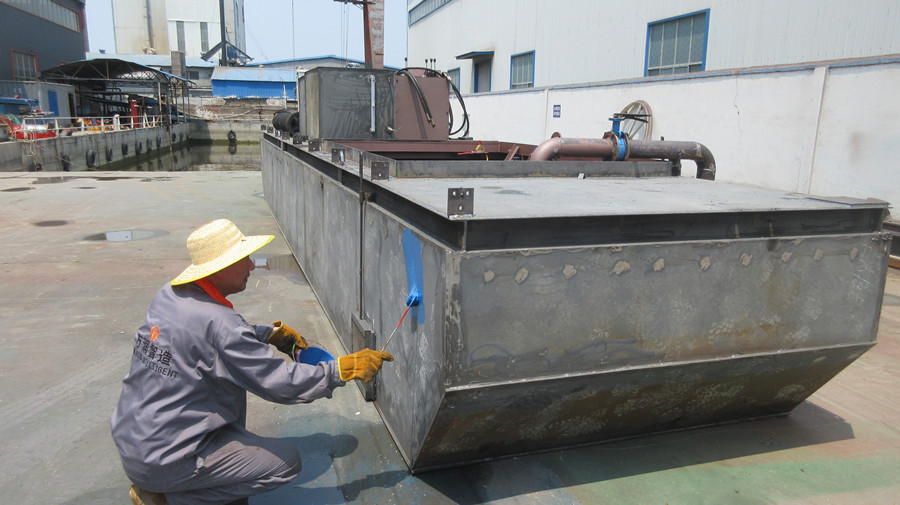
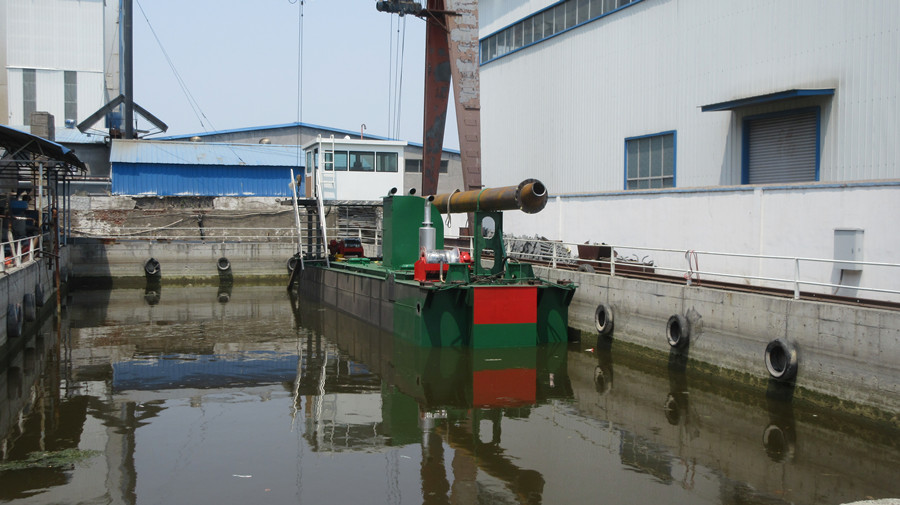
Changi Logistics also integrates advanced manufacturing and equipment fabrication into its operations. By producing our own structural racks, metal components, and specialized container modifications, we ensure cargo security and support customized transport requirements. Below is an overview of our fabrication processes, testing standards, and machinery.
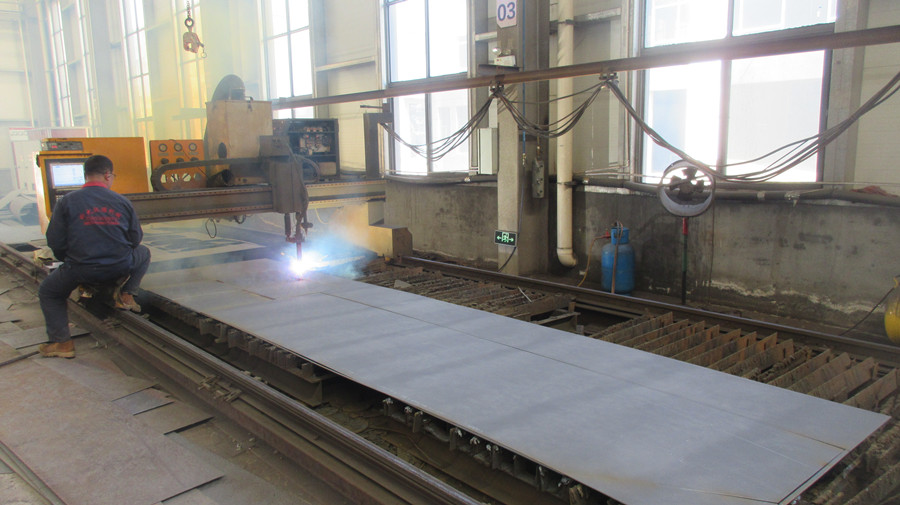
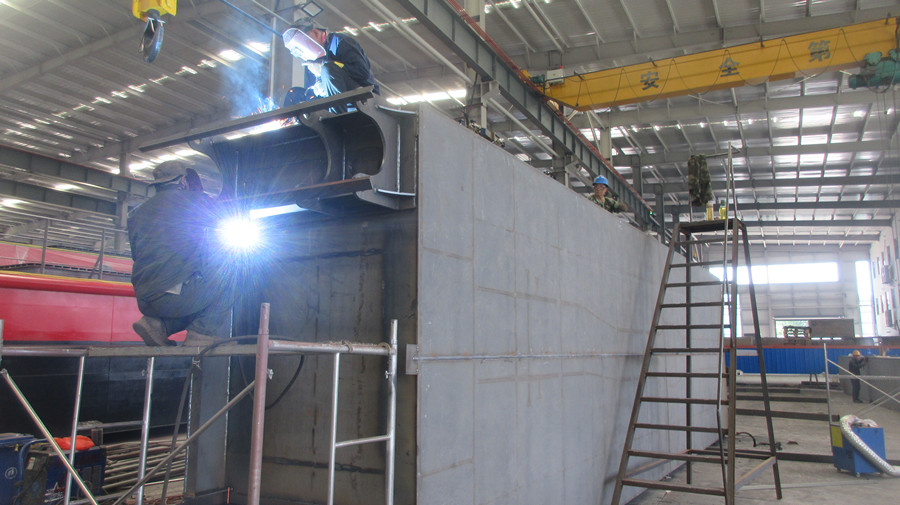
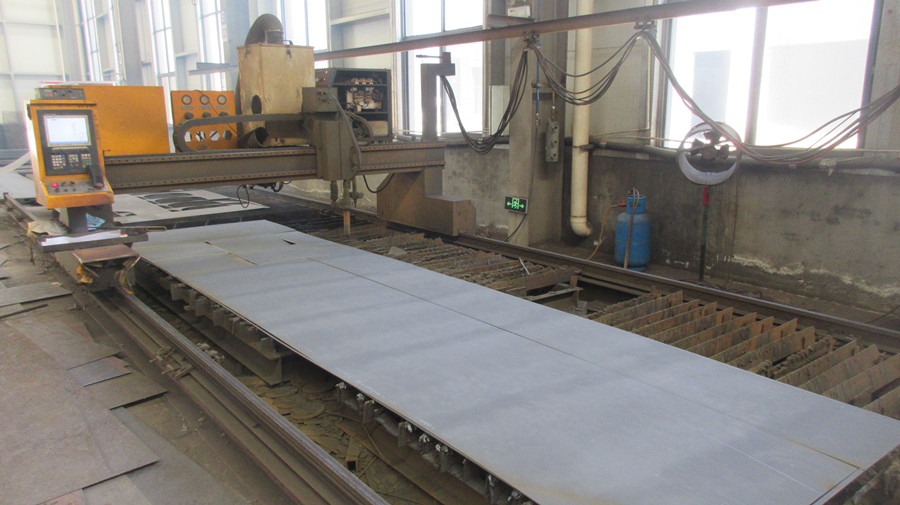
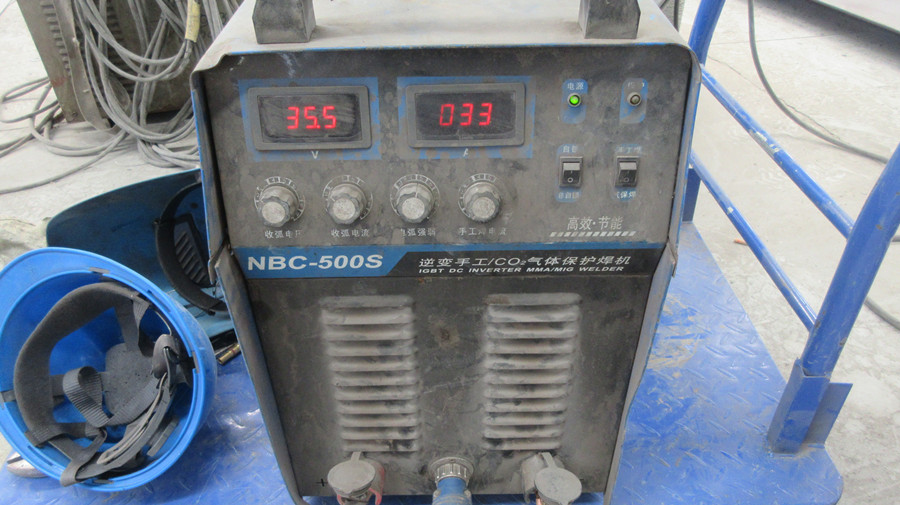
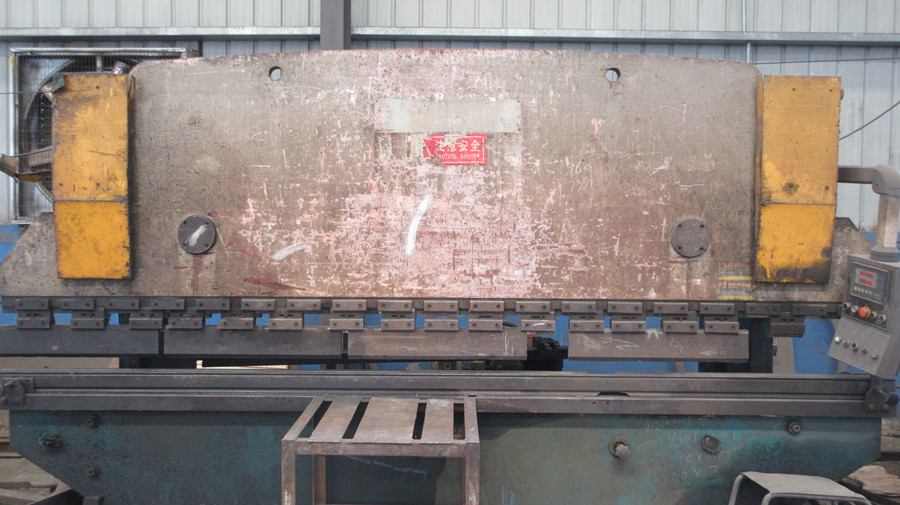
Find answers to common questions about our warehouse logistics, compliance support, and international shipping options.
Our extended service lines cover DDP delivery to Europe, transpacific routes, air charter options, and dedicated agent support for major markets.
 Changi Logistics