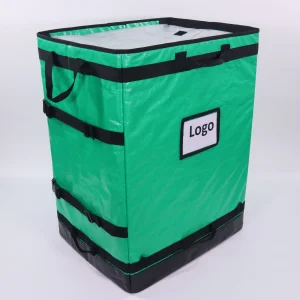
Customized global cargo solutions connecting Chinese production hubs directly to Costa Rican distribution channels.

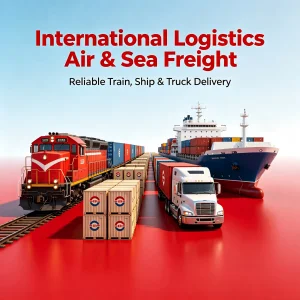

Deciphering challenges, infrastructure variables, and nearshoring impacts across Central America's most dynamic trade node.
Costa Rica presents a unique topographical and infrastructural landscape for last-mile logistics. The country is split by the rugged Central Range (Cordillera Central) and is dominated commercially by the Greater Metropolitan Area (Gran Área Metropolitana - GAM), which houses roughly 70% of the population, including the cities of San José, Alajuela, Cartago, and Heredia.
Operating last-mile logistics within the GAM requires managing high traffic density, narrow colonial roads, and sudden, severe tropical downpours. In contrast, coastal distribution zones like Limón (the key Atlantic port node) and Puntarenas (Pacific) demand long-distance corridors with complex transit stages, which frequently experience disruptions from mudslides or infrastructure limits.
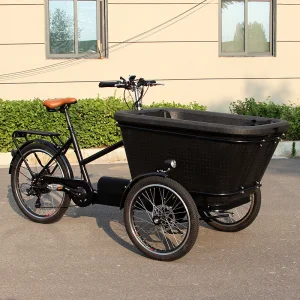
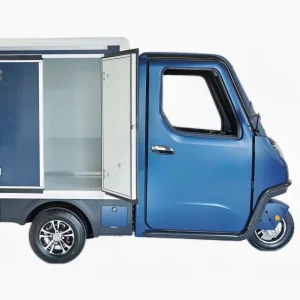
To address these conditions, global exporters and local operators are moving away from traditional diesel trucks toward lighter, highly agile transport solutions. Heavy reliance on 3-wheel electric cargo vehicles and long-range electric cargo bikes allows companies to bypass metropolitan traffic constraints and navigate the steep slopes of Costa Rica's valleys.
Costa Rica's expansion of Free Trade Zones (Zonas Francas) has attracted multinational tech, medical device, and pharmaceutical companies. This development requires precise, temperature-controlled supply chains that link manufacturing facilities to nearby airports like Juan Santamaría International (SJO).
Additionally, Costa Rica's historical lack of a standardized home-address numbering system presents a persistent hurdle. Deliveries are frequently managed using relative landmarks (e.g., "100 meters north of the old church"). To mitigate the risk of failed deliveries, logistics providers must implement three key technologies:
How Costa Rica's national green agenda is reshaping commercial vehicle acquisition and delivery operations.
Costa Rica leads Latin America in environmental initiatives, aiming to achieve a zero-carbon economy under its National Decarbonization Plan. This framework places high priority on clean energy public transit and zero-emission freight delivery. With the country's electricity grid powered by over 99% renewable sources (hydroelectric, geothermal, wind, and solar), the transition to electric last-mile delivery fleets is exceptionally cost-effective.
By shifting from internal combustion engines to 750W-1500W electric cargo bikes, electric trikes, and compact refrigerated electric vans, companies can lower their cost-per-kilometer while securing long-term compliance with municipal emissions regulations inside major urban centers.
The demand for reliable, temperature-controlled last-mile delivery has increased due to the growth of bio-pharmaceutical manufacturing, direct-to-consumer grocery services, and premium agricultural exports. Standard dry shipping is no longer sufficient. Modern fleets require electric cargo vans equipped with integrated freezer boxes and active cooling systems. These units maintain consistent temperature profiles (from -18°C to +4°C) despite Costa Rica's tropical humidity and heat.
By utilizing modular cargo systems, operators can scale their operations dynamically, switching between refrigerated compartments and dry bulk storage depending on daily route requirements.
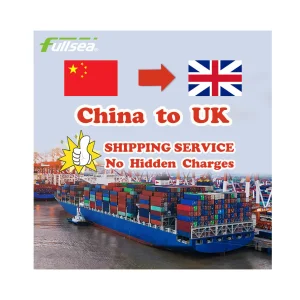
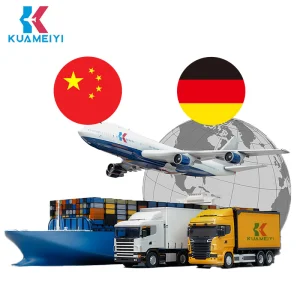
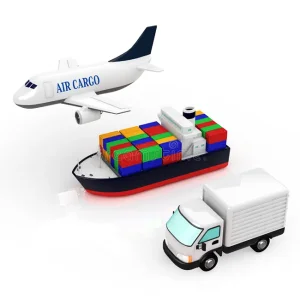
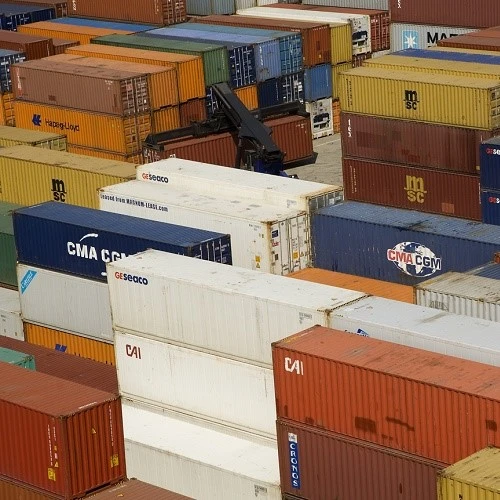
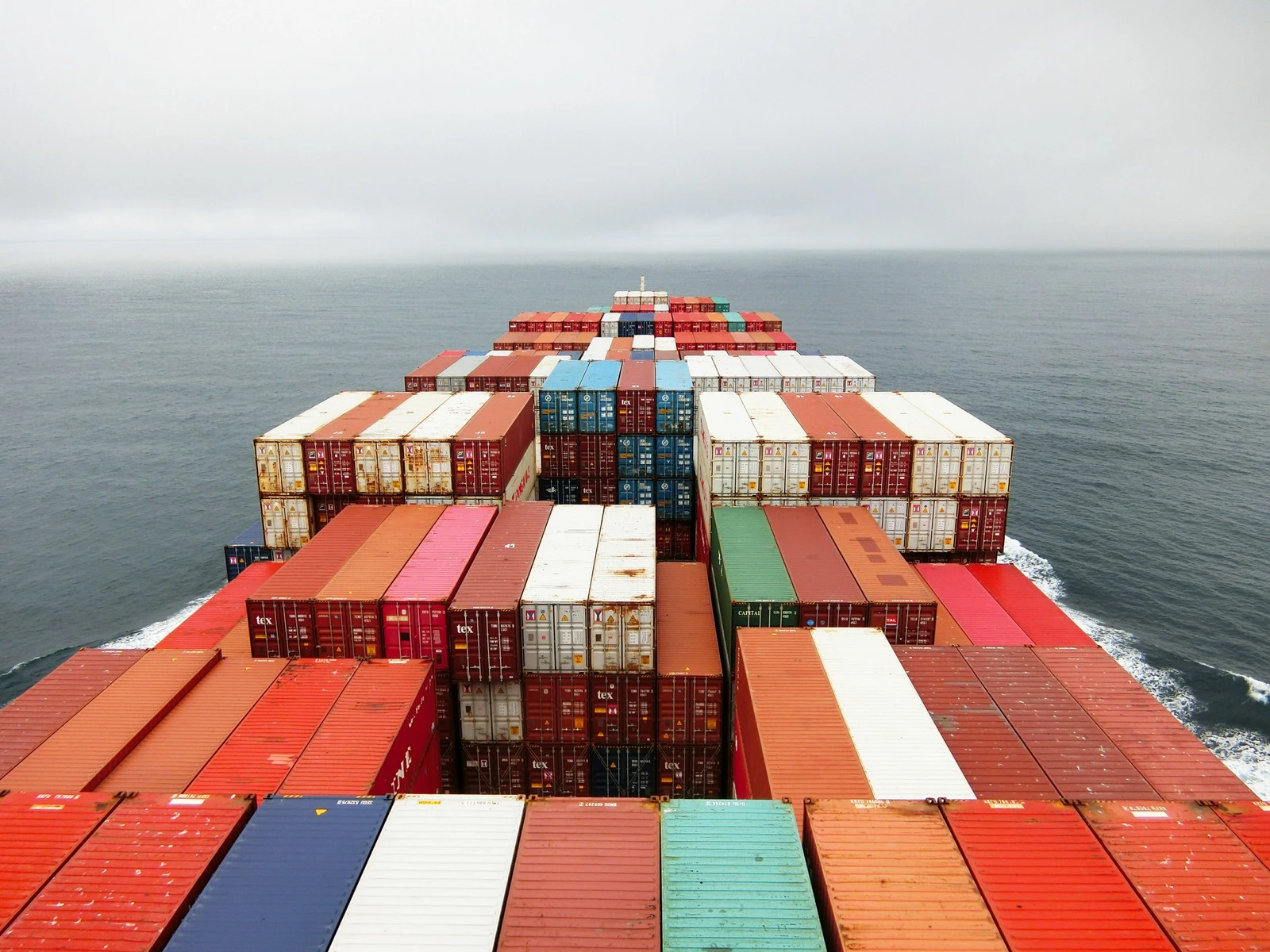
Integrated sea, air, and rail transport lines optimized for transit speed and customs clearance efficiency.

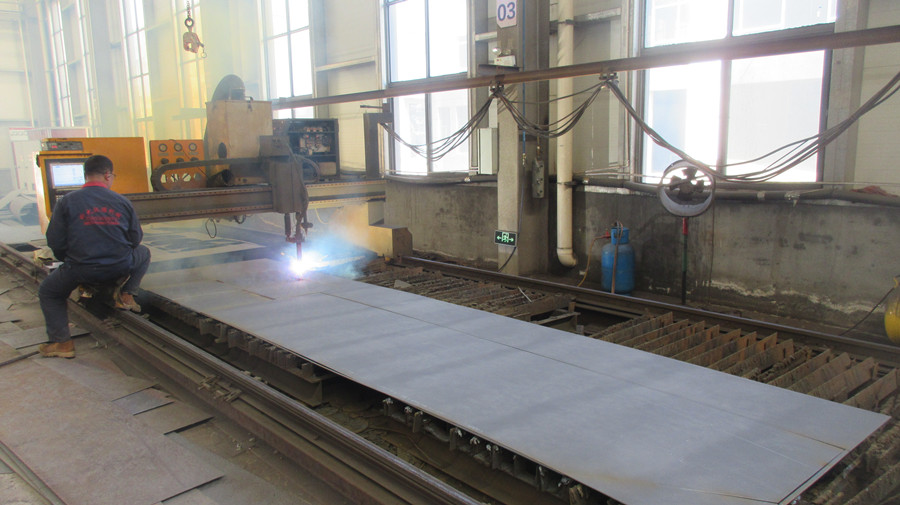
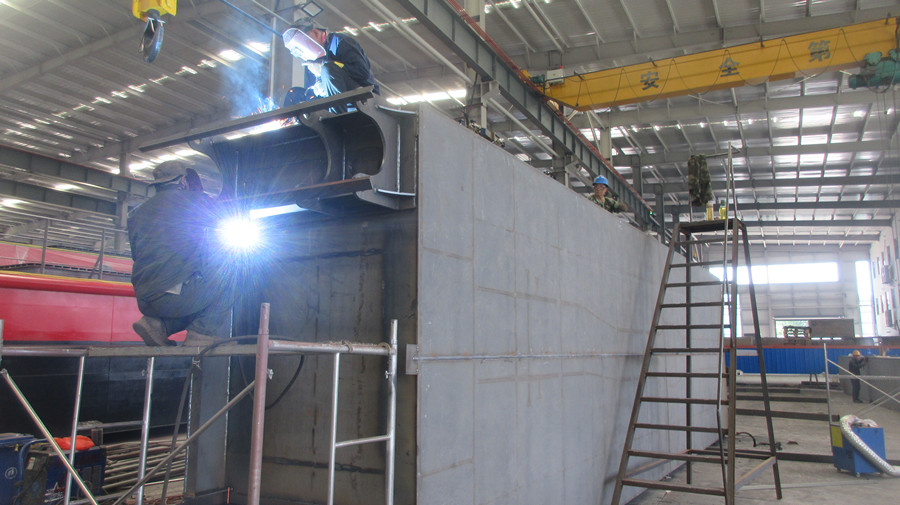
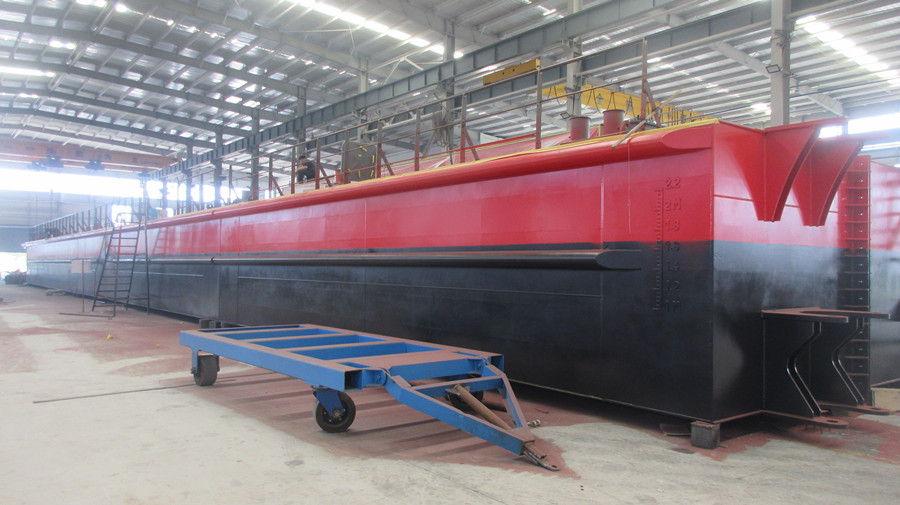
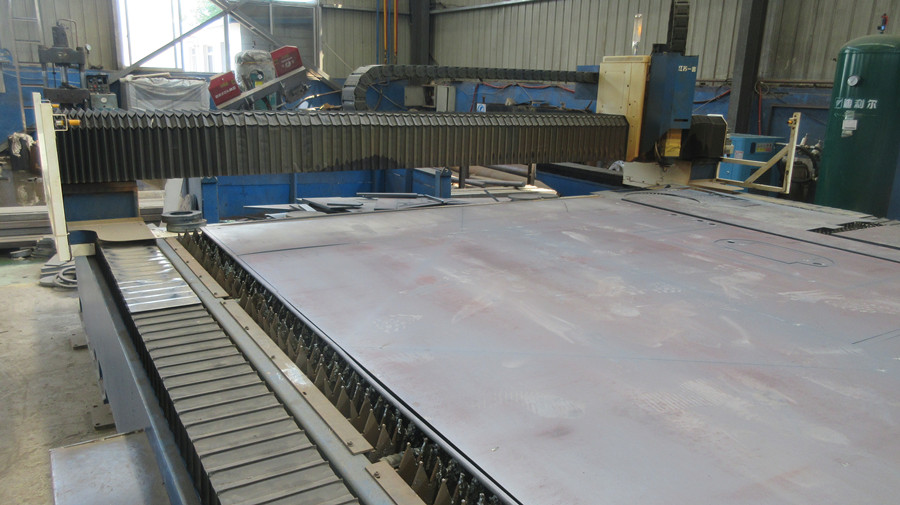
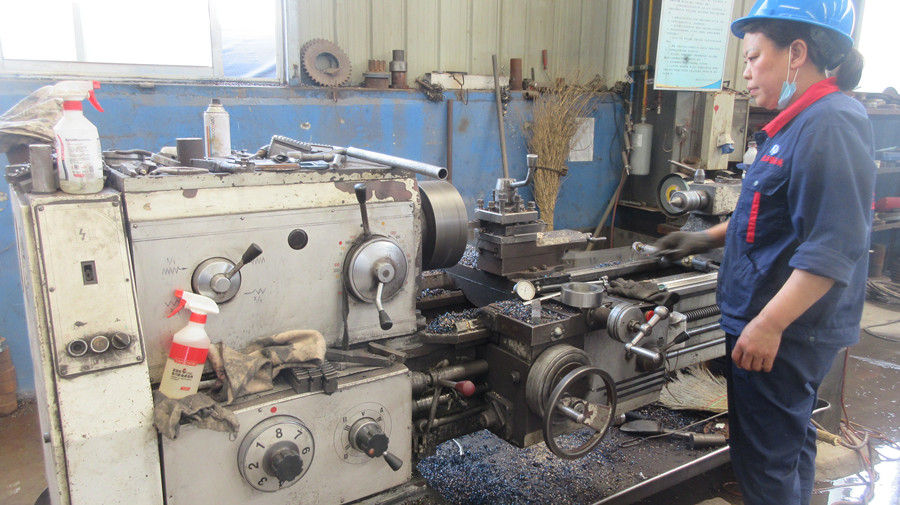
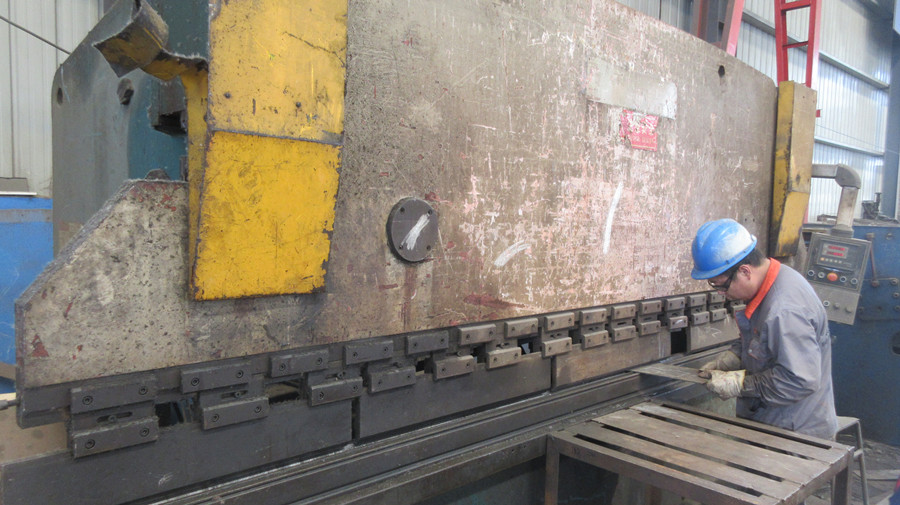
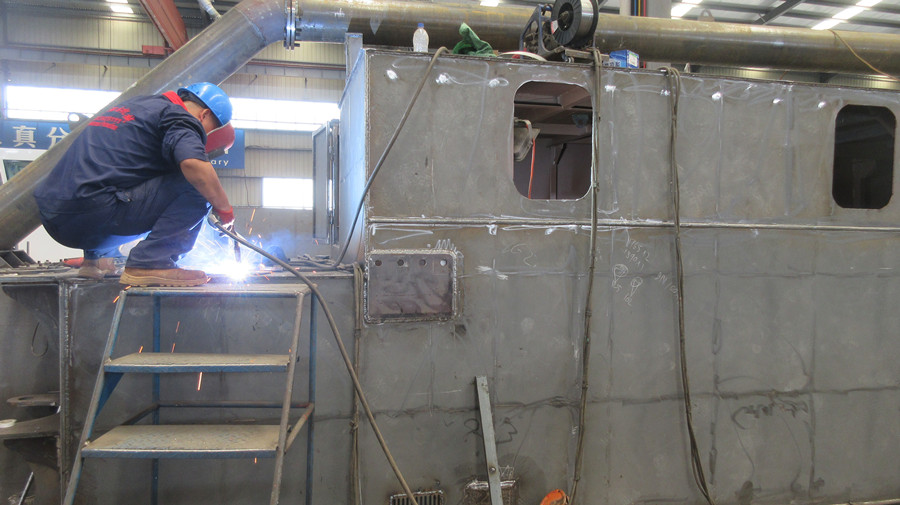
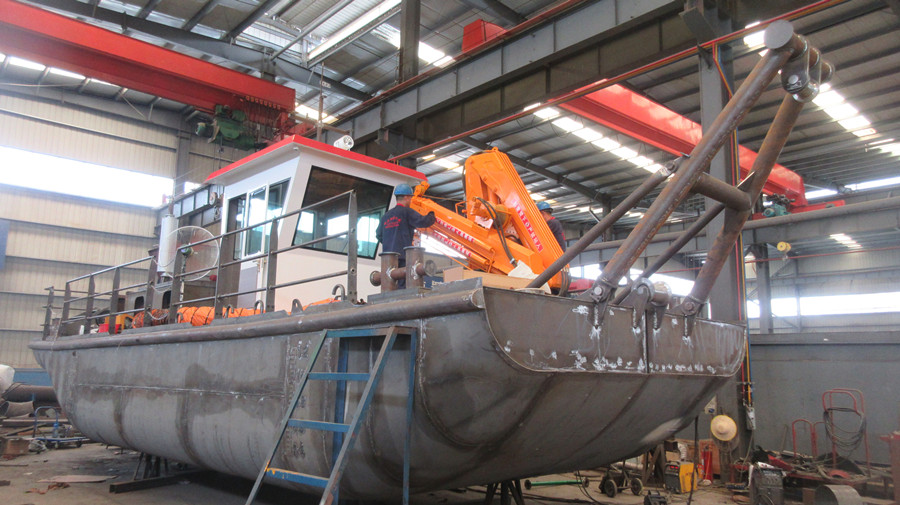
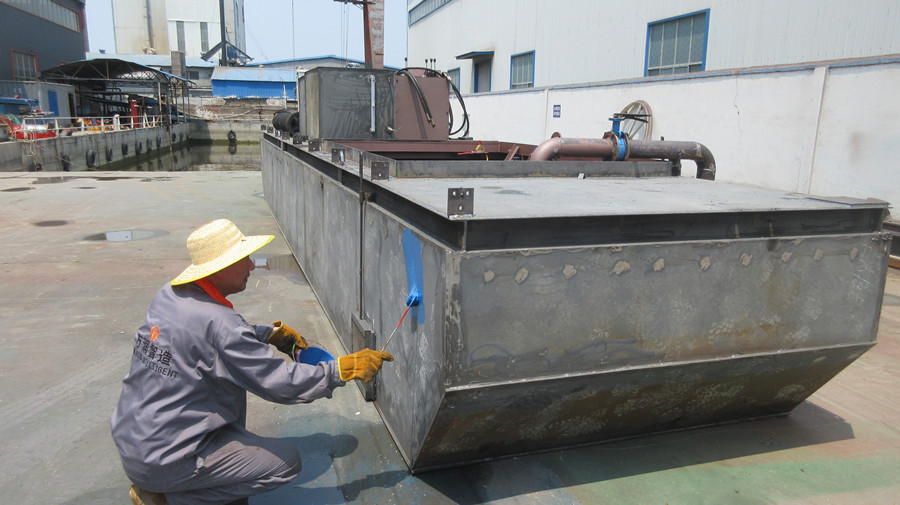
Step-by-step production flow showing advanced laser cutting, automated bending, precision welding, and comprehensive stress testing.
Guangdong Changi Logistics Co., Ltd., in partnership with leading manufacturing hubs, leverages Factory 4.0 production processes to produce resilient logistics hardware. By utilizing automated CNC machining, robotic welding lines, and environmental stress chambers, we ensure our delivery bikes, smart lockers, and transport boxes can withstand high-humidity, coastal salinity, and rough terrain.
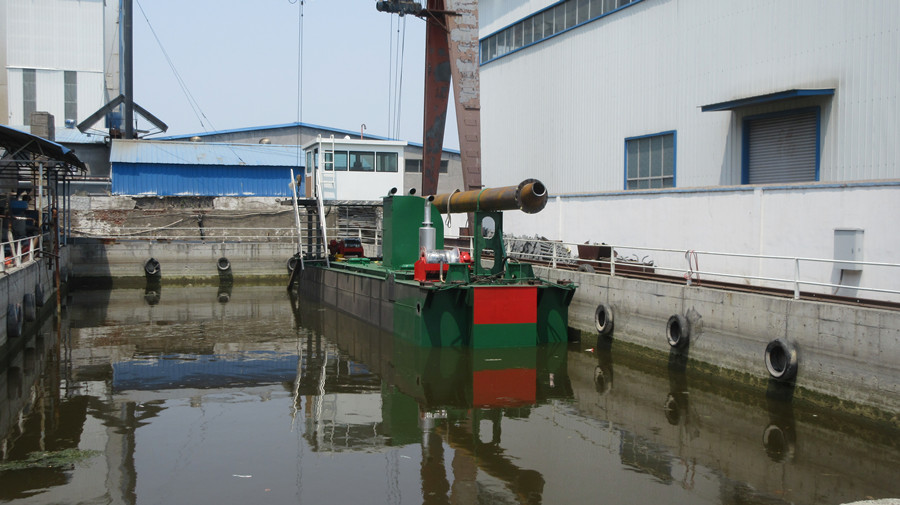
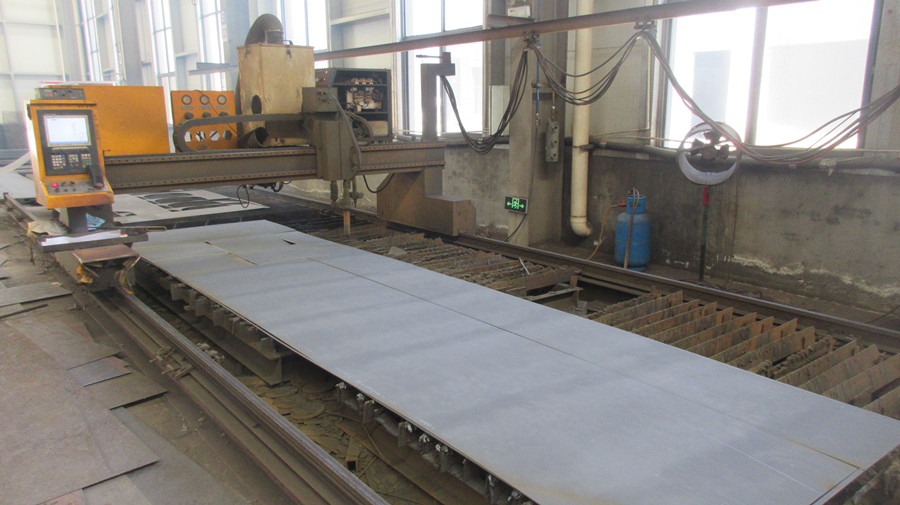

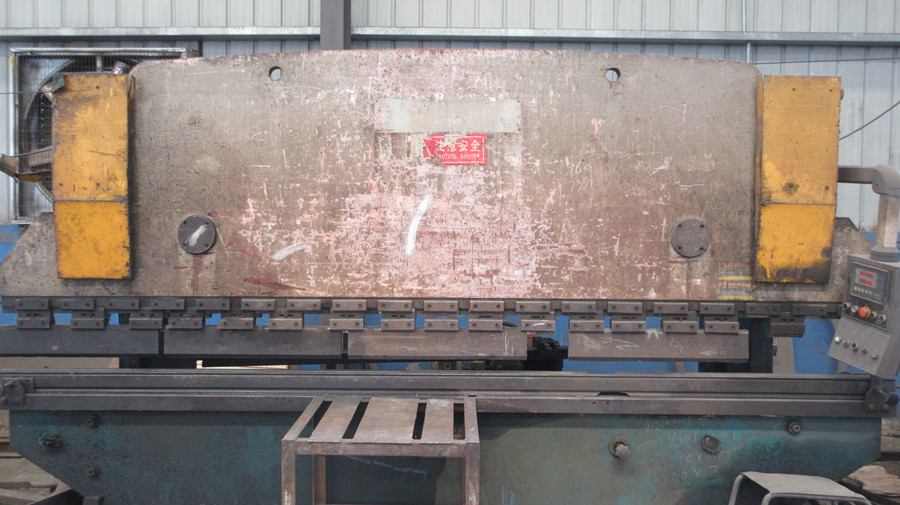
Guangdong Changi Logistics Co., Ltd. is a comprehensive logistics enterprise established in 2018, specializing in international freight forwarding and integrated supply chain solutions. The company is committed to providing efficient, reliable, and customized logistics services for global trade and cross-border e-commerce clients.
Our core services include international sea freight, air freight, rail transportation, multimodal transport, warehousing, customs clearance, and end-to-end supply chain management. With a strong global agency network and advanced digital logistics systems, we deliver cost-effective and time-efficient solutions to customers across various industries.
Founded in 2018, Guangdong Changi Logistics Co., Ltd. has grown alongside the rapid expansion of global trade and the rise of cross-border e-commerce. Starting as a traditional freight forwarding service provider, the company has evolved into a full-service logistics and supply chain solutions provider. Over the years, we have continuously enhanced our operational capabilities by integrating intelligent logistics management systems and real-time tracking technologies.
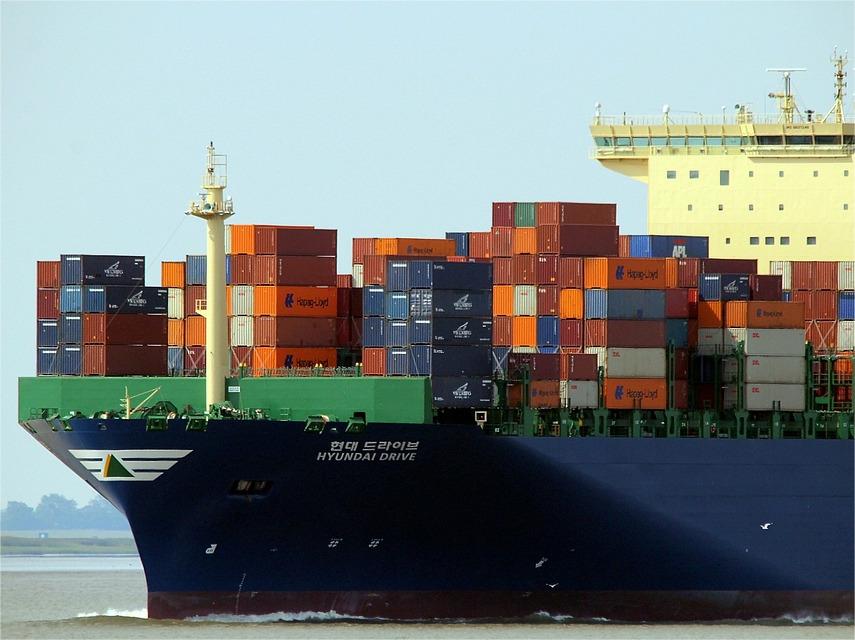

Our Vision: To become a leading global logistics and supply chain partner, driven by innovation and powered by technology. We aim to build a smarter, greener, and more efficient global logistics network that enables seamless international trade and sustainable business growth for our clients.
Our Mission: At Guangdong Changi Logistics Co., Ltd., we are committed to delivering long-term value to our clients through innovative logistics solutions and professional service excellence. We seek to:
We believe logistics is more than transportation—it is the foundation that connects global commerce and drives business success.
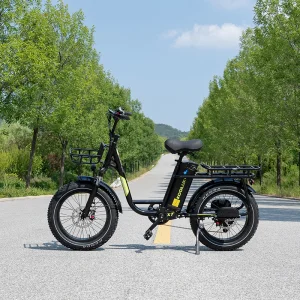
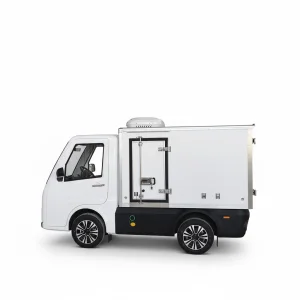
Electric utility cargo bikes, temperature-regulated cargo trikes, courier sorting gear, and intelligent collection lockers.

Expert insights regarding custom configurations, transport regulations, and logistics execution in Central America.
Costa Rica presents a unique mix of dense urban centers (like San José's Gran Área Metropolitana - GAM) and mountainous terrain. The absence of standard street numbering in residential areas requires drivers to use coordinates or landmarks, making real-time geocoding tools and agile delivery equipment essential.
Yes. Since Costa Rica’s grid is powered almost entirely by renewable energy, utilizing our electric cargo bikes, trikes, and light electric vans helps companies align with Costa Rica's National Decarbonization Plan while reducing fuel costs.
We provide full-service DDP (Delivered Duty Paid) shipping. We manage ocean freight, inland transport, and Costa Rican customs clearance (through Caldera or Puerto Limón), handling import duties and local taxes before final delivery.
Yes. Our cold chain electric vans and trikes are designed with high-grade polyurethane insulation and rust-resistant aluminum structural components, allowing them to perform reliably in humid, coastal environments.
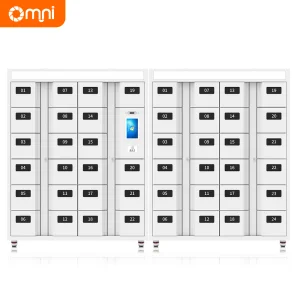
Our smart locker systems feature modular software interfaces compatible with major e-commerce platforms and courier sorting applications, enabling automated PIN delivery and SMS tracking updates.
Connect with our technical support team to design custom vehicle configurations, negotiate container rates, or schedule DDP logistics lines directly to Costa Rica.
 Changi Logistics