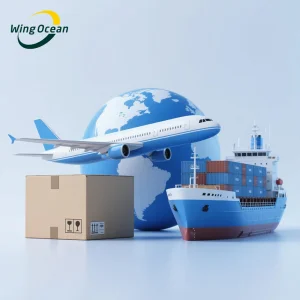
Premium specialized components and strategic customs broker clearances engineered for Romanian business corridors.
An in-depth whitepaper on navigating Romanian import/export codes, regulatory frameworks, and maritime pathways.
Positioned at the eastern border of the European Union, Romania acts as a vital trade bridge connecting Central and Eastern Europe with the Black Sea and Central Asia. The Port of Constanta, the largest port on the Black Sea, serves as the main point of entry for deep-sea cargo, providing direct access to the Danube River. The Danube-Black Sea Canal and Pan-European transport corridor VII offer a cost-effective, environmentally friendly inland waterway route to central European industrial hubs like Hungary, Austria, and southern Germany.
However, accessing these strategic benefits requires navigating the complex regulatory environment of the EU Customs Union. In Romania, customs management is overseen by the National Agency for Fiscal Administration (ANAF) and the General Directorate of Customs (Vama Romana). Since Romania follows EU-wide harmonized tariff schedules, importers must comply with strict systems such as the Integrated Tariff of the European Communities (TARIC), Union Customs Code (UCC) mandates, and the Import Control System 2 (ICS2) safety protocols.
Delivering compliance and logistics solutions for standard and complex supply chains since 2018.
Global supply chains face ongoing disruptions, including maritime rate volatility, geopolitical shifts, and changing port capacities. In this environment, diversifying logistics corridors is essential. For bilateral trade between China and Romania, our services provide multi-modal routes that balance speed, reliability, and cost.
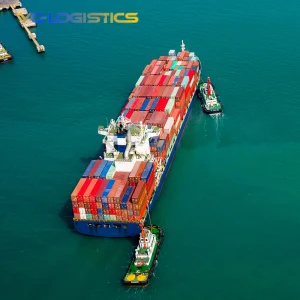
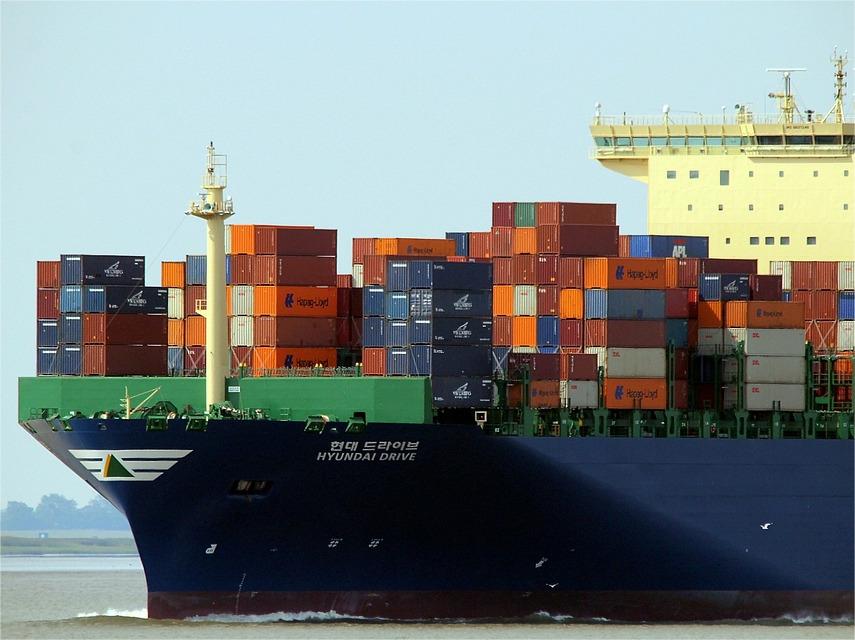
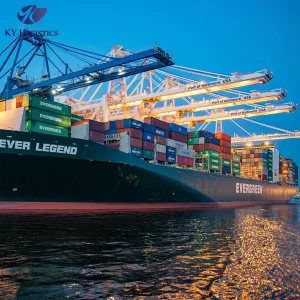
For urgent goods, air transport to Bucharest Otopeni Airport (OTP) is the fastest option. However, for industrial equipment, custom fabrications, and consumer goods, sea freight to the Port of Constanta remains the primary shipping method. We utilize direct shipping routes from key Chinese ports (Shenzhen, Ningbo, Shanghai) to Constanta, which reduces transit times compared to transshipment via major western European ports. Additionally, the New Silk Road rail connection via Curtici offers a reliable alternative land route when ocean shipping is congested.
Our logistics network is supported by bonded warehousing solutions at strategic locations, including Otopeni and Constanta. This allows businesses to store imported goods under custom control without immediate payment of import duties and taxes, improving cash flow and inventory management.
Traditional customs clearance methods are often slow and error-prone. Modern operations rely on digital integration. Our automated Electronic Data Interchange (EDI) systems connect directly with Romania's SIIV customs platform, enabling fast pre-declarations and reducing clearance delays.
Additionally, our automated HS Code classification system helps identify correct TARIC classifications, reducing the risk of customs disputes and fines. By utilizing electronic cargo tracking (ECT) and real-time transit status updates, we provide full visibility into the shipping process from factory departure to delivery in Romania.
Your strategic partner in global multi-modal logistics, compliance, and industrial supply chain solutions.
Guangdong Changi Logistics Co., Ltd. is a comprehensive logistics enterprise established in 2018, specializing in international freight forwarding and integrated supply chain solutions. The company is committed to providing efficient, reliable, and customized logistics services for global trade and cross-border e-commerce clients.
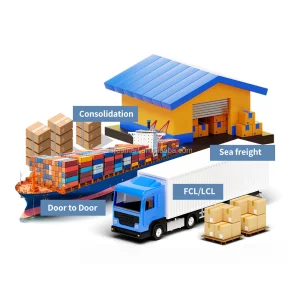
Our core services include international sea freight, air freight, rail transportation, multimodal transport, warehousing, customs clearance, and end-to-end supply chain management. With a strong global agency network and advanced digital logistics systems, we deliver cost-effective and time-efficient solutions to customers across various industries.
Over the years, we have continuously enhanced our operational capabilities by integrating intelligent logistics management systems and real-time tracking technologies. These improvements have significantly increased service efficiency, transparency, and customer satisfaction, enabling us to become a competitive independent logistics provider in the industry.
To become a leading global logistics and supply chain partner, driven by innovation and powered by technology. We aim to build a smarter, greener, and more efficient global logistics network that enables seamless international trade and sustainable business growth for our clients.
At Guangdong Changi Logistics Co., Ltd., we are committed to delivering long-term value to our clients through innovative logistics solutions and professional service excellence. We optimize global supply chains to reduce operational friction and costs.
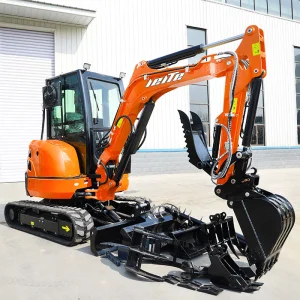
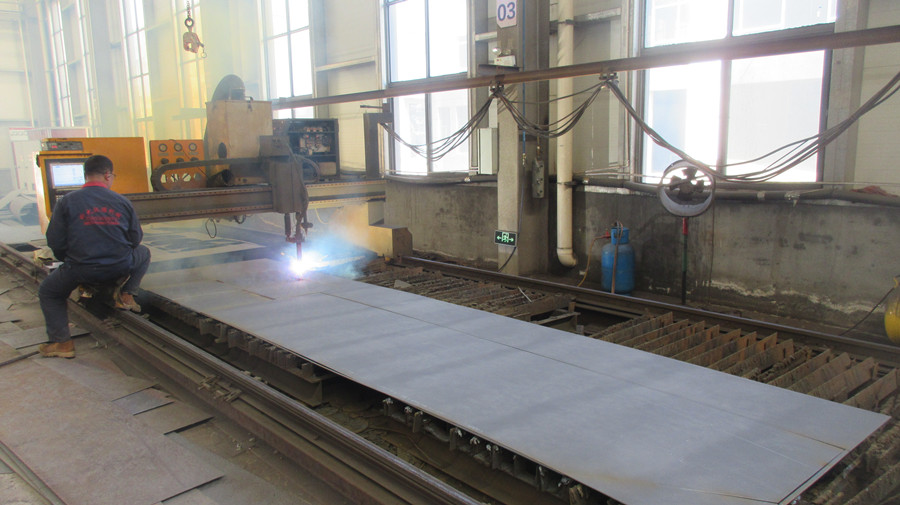
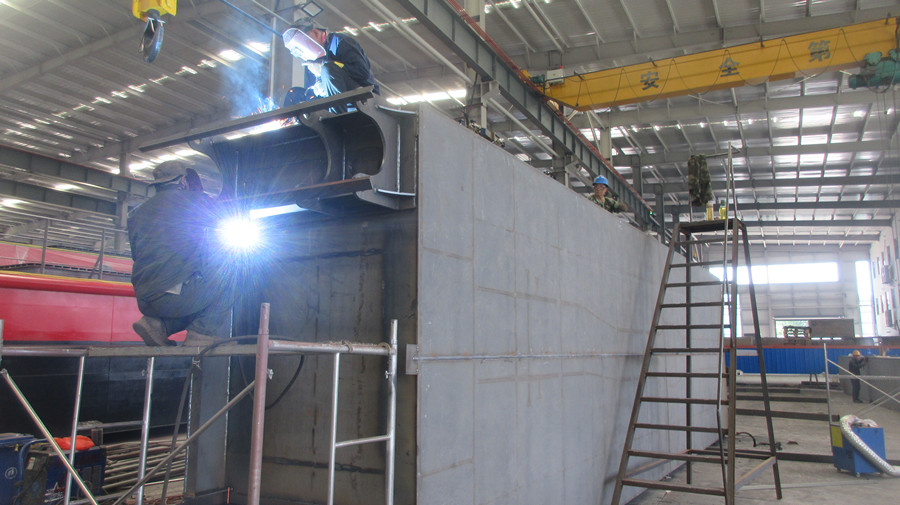
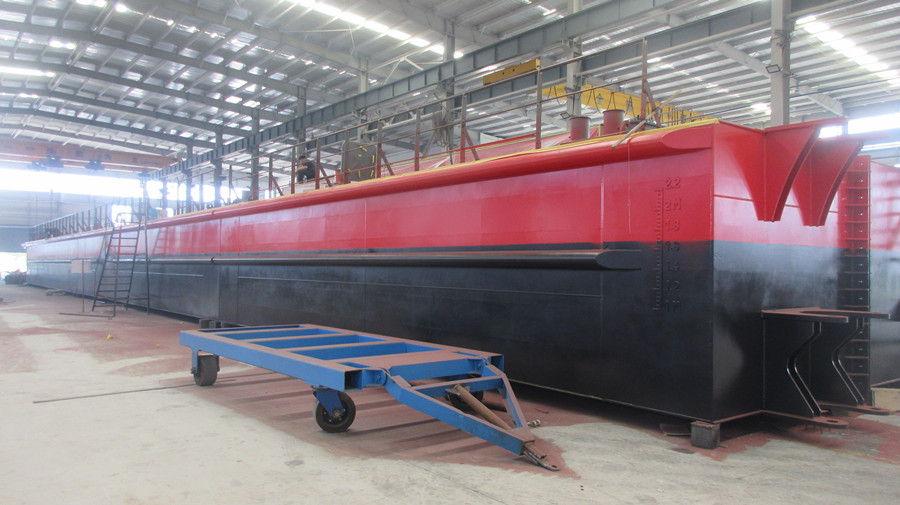
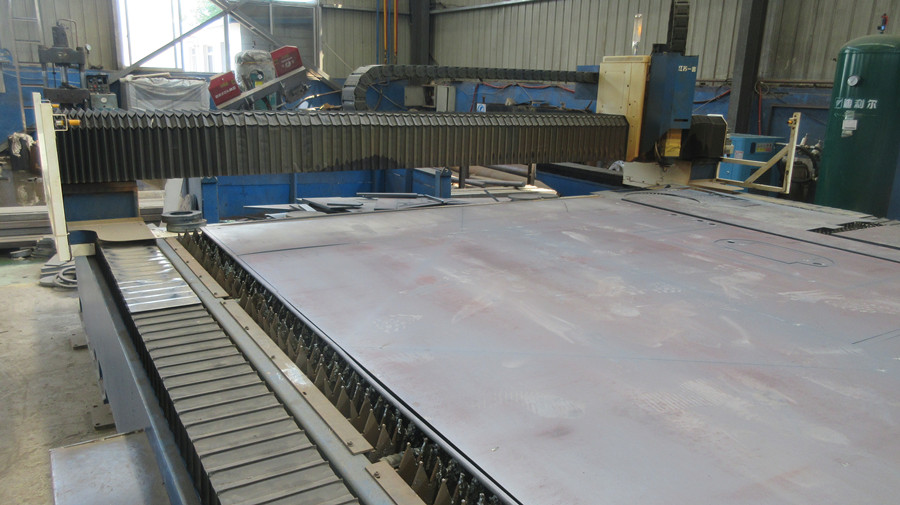
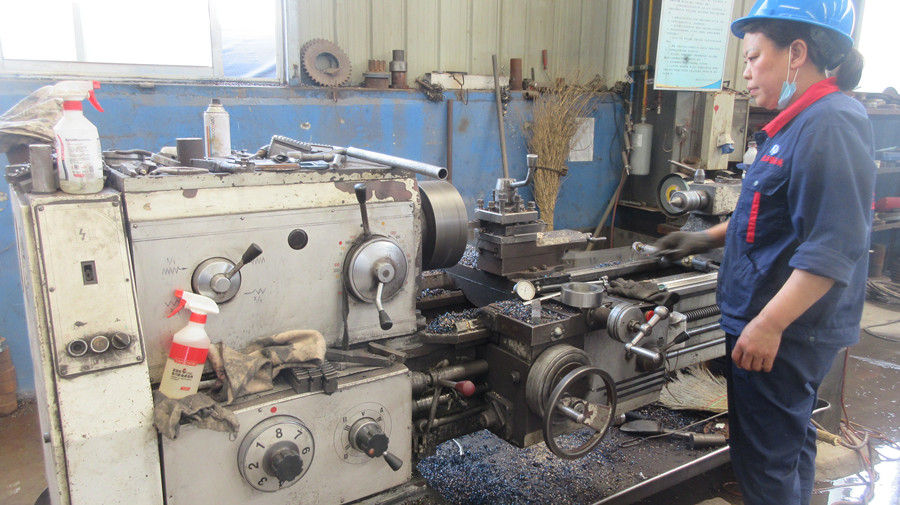
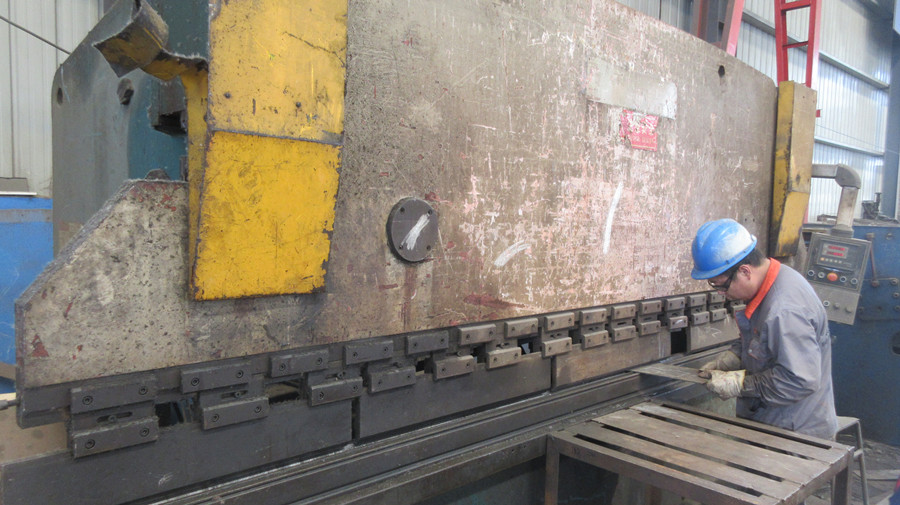
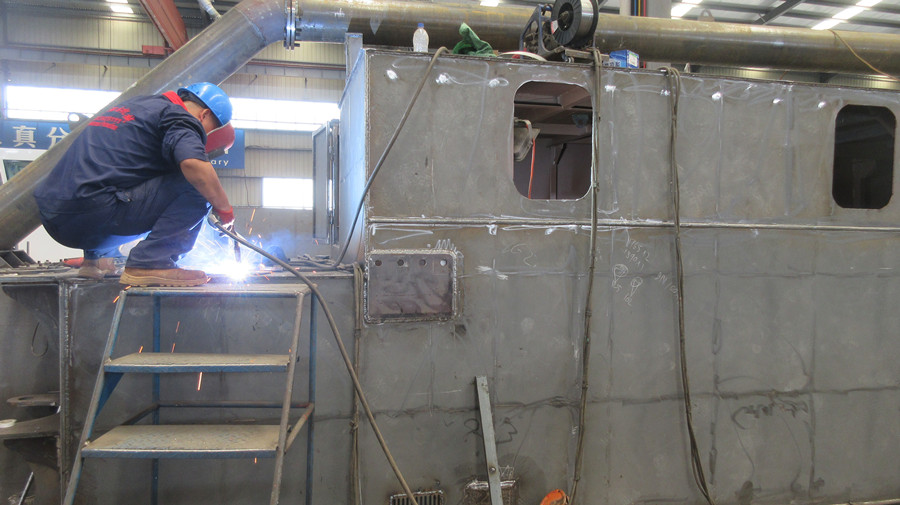
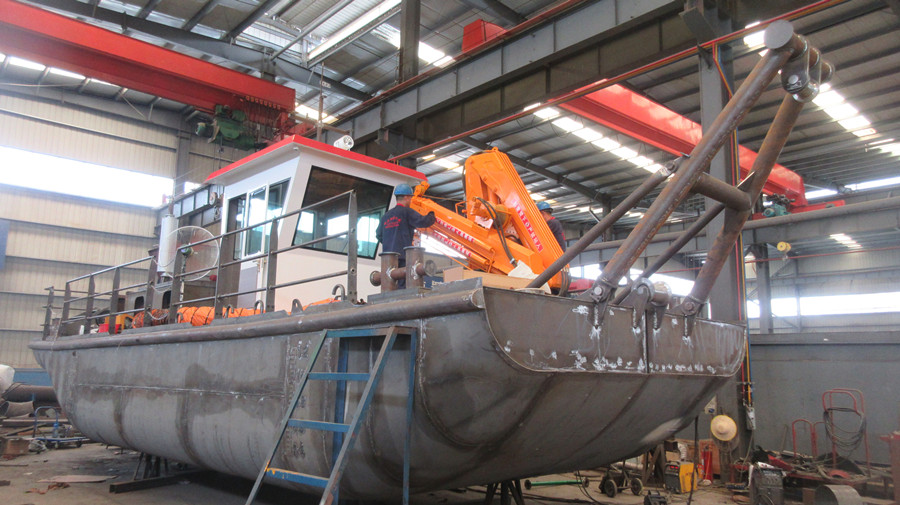
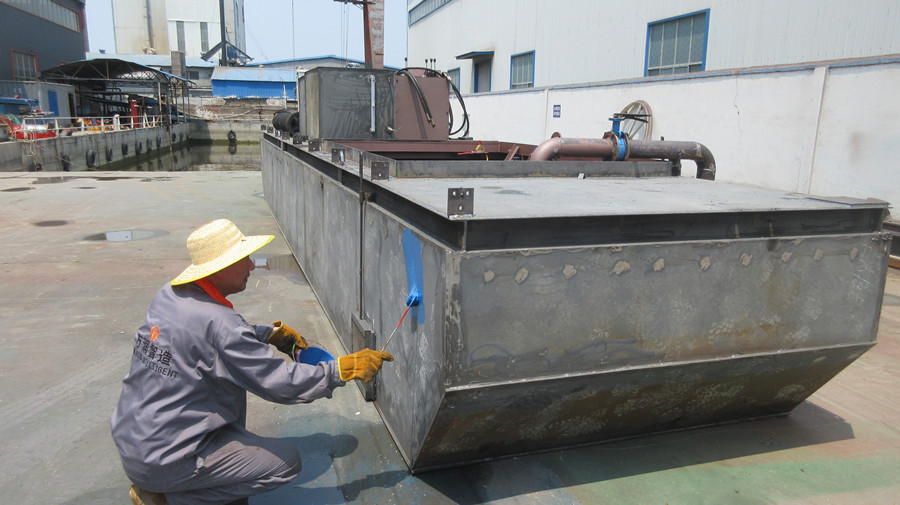
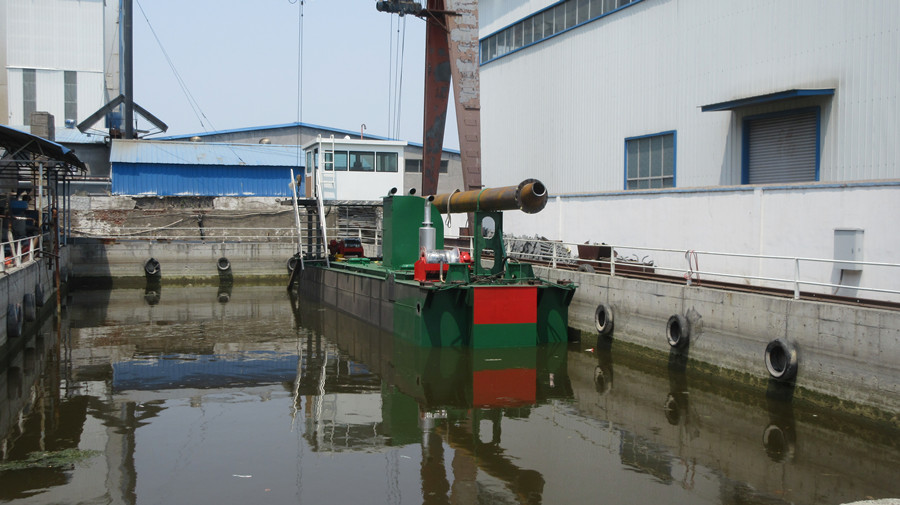
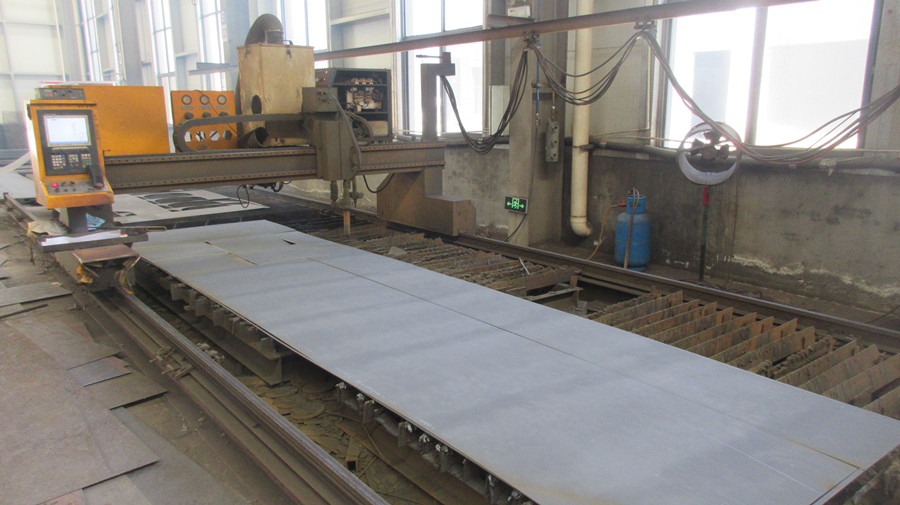
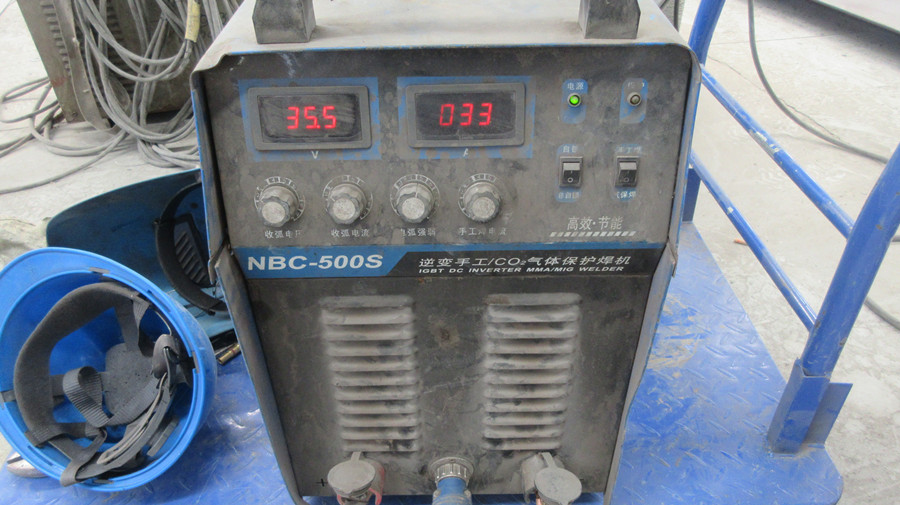
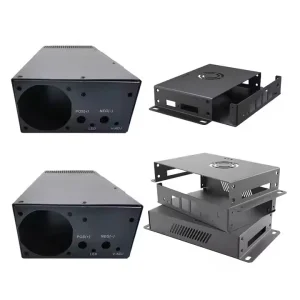
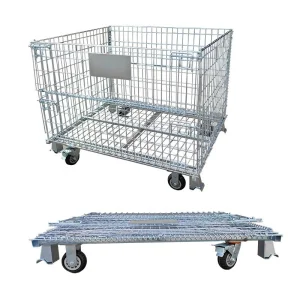
Supporting our logistics clients with manufacturing, packaging, and custom steel fabrication services for global exports.
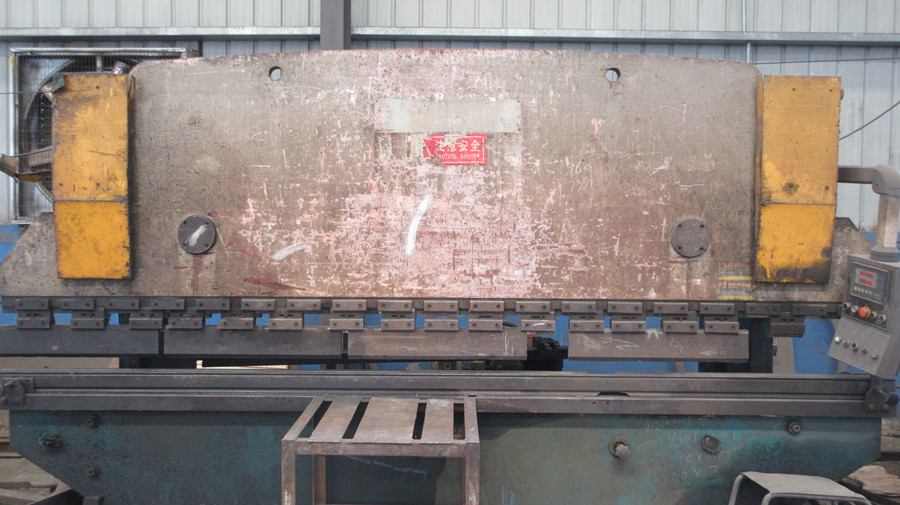
Understanding the processes, costs, and compliance requirements for shipping goods into Romania.
Complete supply chain solutions, freight forwarding, and custom fabrications for the international and Romanian markets.

 Changi Logistics