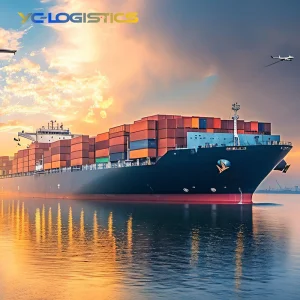
Customs Brokerage & Clearance Solutions in the Houston Market

Seamless Gulf Coast Import-Export Compliance, Freight Forwarding, and Smart Supply Chain Management for Global Enterprise Trade.

Send Inquiry Now

Strategic Customs Management in the Gulf Coast Trade Hub

The Houston Market: An Industrial Logistics Powerhouse

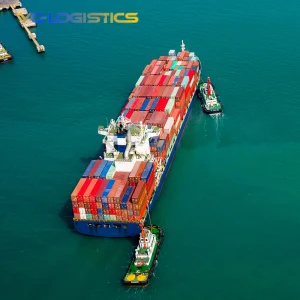
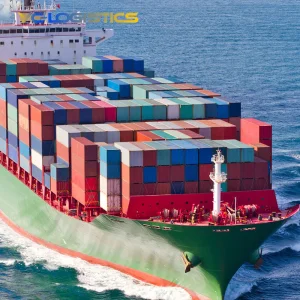
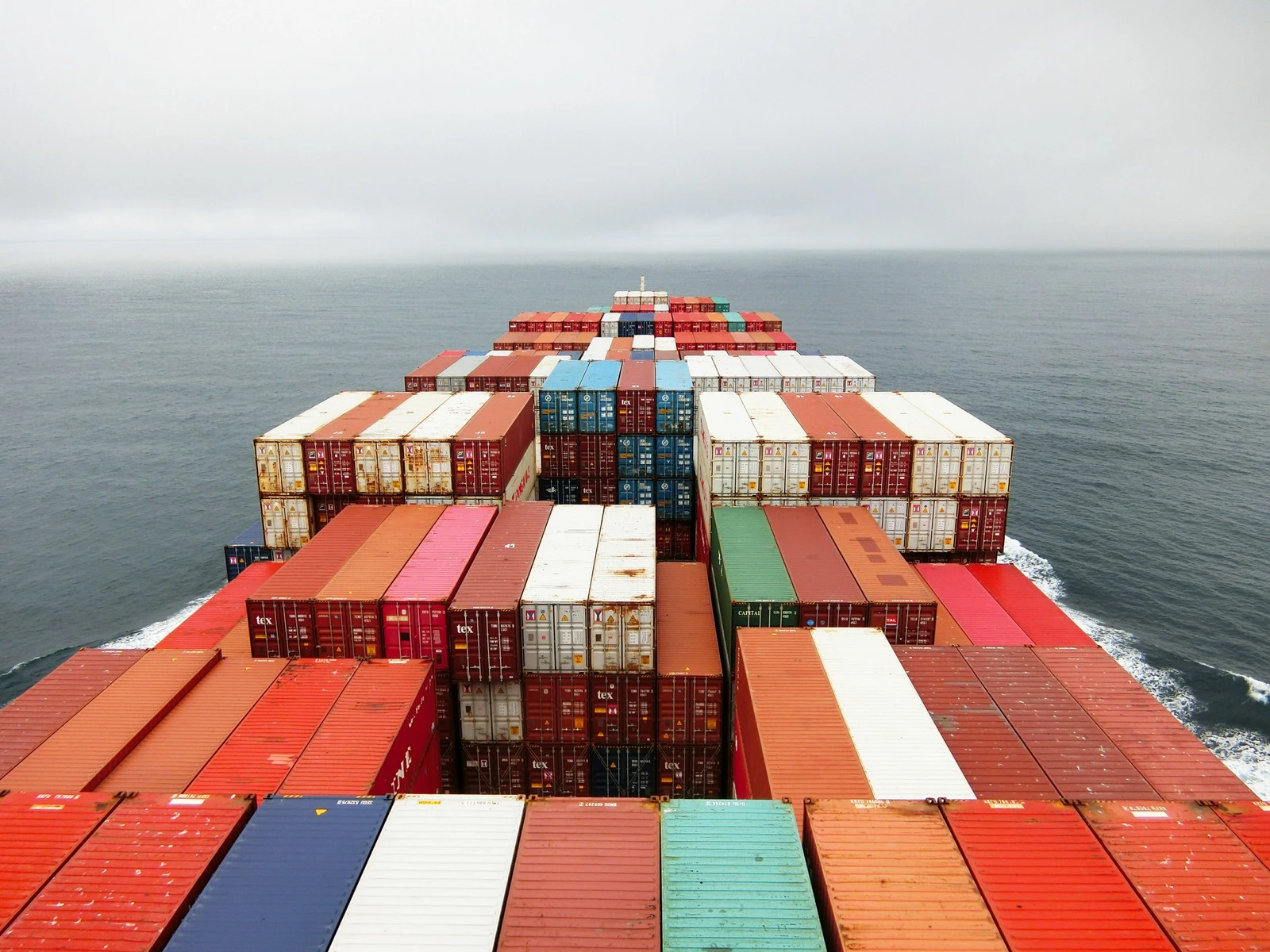
The Houston metropolitan area is one of the most critical commercial gateways in North America. Dominated by the Port of Houston—the largest port on the Gulf Coast and the leading U.S. port in foreign waterborne tonnage—this region serves as a massive consumption center and a key transit gateway for imports destined for the American South and Midwest. For global manufacturing enterprises, handling customs brokerage and clearance in the Houston market requires more than simple document submissions; it demands an intricate understanding of the local maritime infrastructure, massive petrochemical clusters, heavy industrial projects, and the fast-growing e-commerce retail networks.

Industrial sectors such as energy, manufacturing, infrastructure development, and agricultural equipment rely heavily on high-value machinery imports. Navigating U.S. Customs and Border Protection (CBP) regulations in these high-stakes industries requires expert classification, duty mitigation strategies, and integration with Partner Government Agencies (PGAs) such as the Environmental Protection Agency (EPA), Department of Transportation (DOT), and the Federal Maritime Commission (FMC).

Information Gain: Overcoming Key Regulatory Obstacles

Importers sourcing heavy machinery, structured steel, or warehouse components from Chinese manufacturing hubs face strict regulatory challenges. To bypass excessive delays and costly demurrage fees at Port of Houston terminals like Bayport and Barbours Cut, logistics operators must master the following:

  • HTS Code Optimization: Ensuring proper Harmonized Tariff Schedule classification to prevent audits, heavy fines, or retroactive duty assessments under Section 301.
  • Anti-Dumping & Countervailing Duties (AD/CVD): Managing risk profiles for fabricated steel, warehouse racking, and metal alloys coming from specific international origins.
  • Foreign Trade Zone (FTZ) Strategy: Utilizing Houston’s extensive FTZ 84 network to defer, reduce, or eliminate duty fees until products enter the domestic market.

Synergy with High-Capacity Chinese Manufacturing

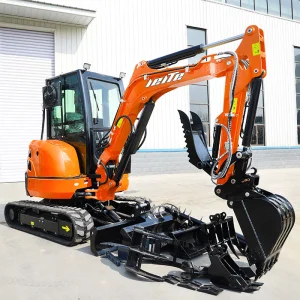
The competitive advantage of modern supply chains lies in combining Chinese production capacity with expert customs logistics. Chinese suppliers excel at manufacturing high-demand industrial equipment (such as mini-excavators and specialized warehouse racking systems) with unmatched cost-efficiency. Our role is to bridge the geopolitical and geographical gaps, providing complete end-to-end transparency. With pre-customs clearing protocols, DDP (Delivered Duty Paid) shipping lanes, and synchronized digital manifests, we ensure that products manufactured in Guangdong or other high-tech production regions arrive at Houston job sites or distribution facilities without friction.

Customs Compliance Checklist for Houston Imports

Make sure your cargo complies with all Federal and State protocols before shipping:

  • Importer Security Filing (ISF 10+2): Must be submitted at least 24 hours before loading at the origin port.
  • Continuous Customs Bond: Highly recommended for regular importers to prevent terminal holds.
  • EPA Certifications: Required for all diesel engines, farm excavators, and motorized machinery.
  • FDA/USDA Declarations: Needed for raw cargo, timber packaging, and specific consumer goods.
Get Compliance Assessment

Our Global Supply Chain Capabilities

Enabling high-performance logistics through infrastructure, technology, and compliance expertise.

2018
Established & Scaling
99.8%
Customs Clearance Rate
50+
Destinations Worldwide
24/7
Support & Digital Tracking

Company Profile & Strategic Footprint

Guangdong Changi Logistics Co., Ltd. — Pioneering smart digital logistics across the globe.

About Guangdong Changi Logistics Co., Ltd.

Guangdong Changi Logistics Co., Ltd. is a comprehensive logistics enterprise established in 2018, specializing in international freight forwarding and integrated supply chain solutions. The company is committed to providing efficient, reliable, and customized logistics services for global trade and cross-border e-commerce clients.

Our core services include international sea freight, air freight, rail transportation, multimodal transport, warehousing, customs clearance, and end-to-end supply chain management. With a strong global agency network and advanced digital logistics systems, we deliver cost-effective and time-efficient solutions to customers across various industries.

Our Dynamic History

Founded in 2018, Guangdong Changi Logistics Co., Ltd. has grown alongside the rapid expansion of global trade and the rise of cross-border e-commerce. Starting as a traditional freight forwarding service provider, the company has evolved into a full-service logistics and supply chain solutions provider.

Over the years, we have continuously enhanced our operational capabilities by integrating intelligent logistics management systems and real-time tracking technologies. These improvements have significantly increased service efficiency, transparency, and customer satisfaction, enabling us to become a competitive independent logistics provider in the industry.

Our Vision

Our vision is to become a leading global logistics and supply chain partner, driven by innovation and powered by technology. We aim to build a smarter, greener, and more efficient global logistics network that enables seamless international trade and sustainable business growth for our clients.

Our Mission

At Guangdong Changi Logistics Co., Ltd., we are committed to delivering long-term value to our clients through innovative logistics solutions and professional service excellence. Our mission is to:
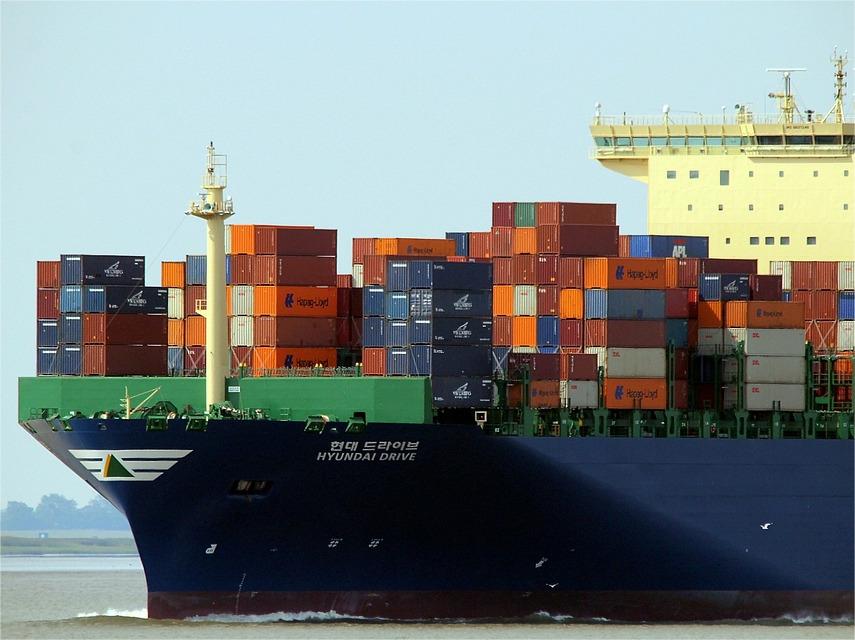
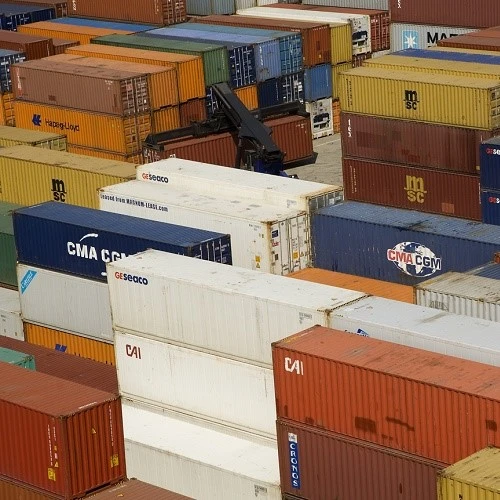
  • Provide safe, stable, and efficient international logistics services.
  • Optimize global supply chain structures to reduce overall logistics costs.
  • Enhance digitalization and visibility across the entire shipping process.
  • Build trusted and long-term partnerships with global clients and partners.
Logistics Operations 1 Logistics Operations 2 Logistics Operations 3 Logistics Operations 4

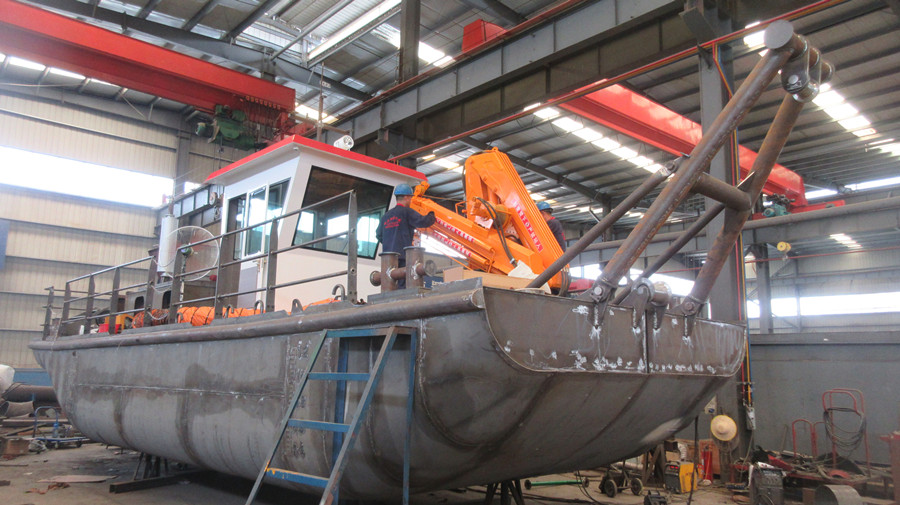
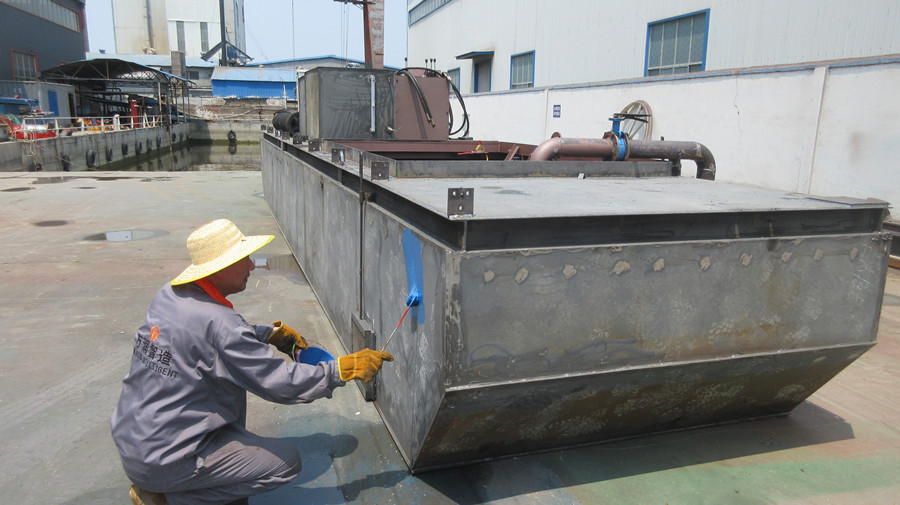
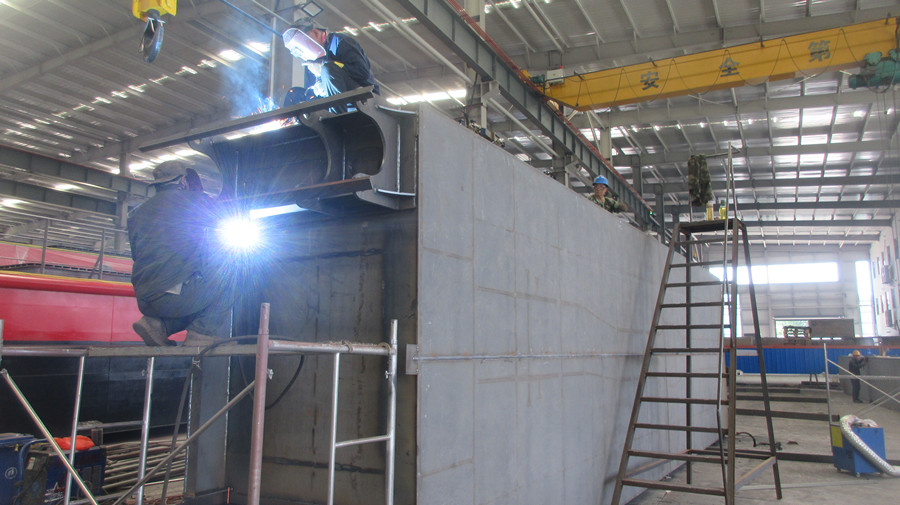
Custom Industrial & Metal Fabrication Facilities

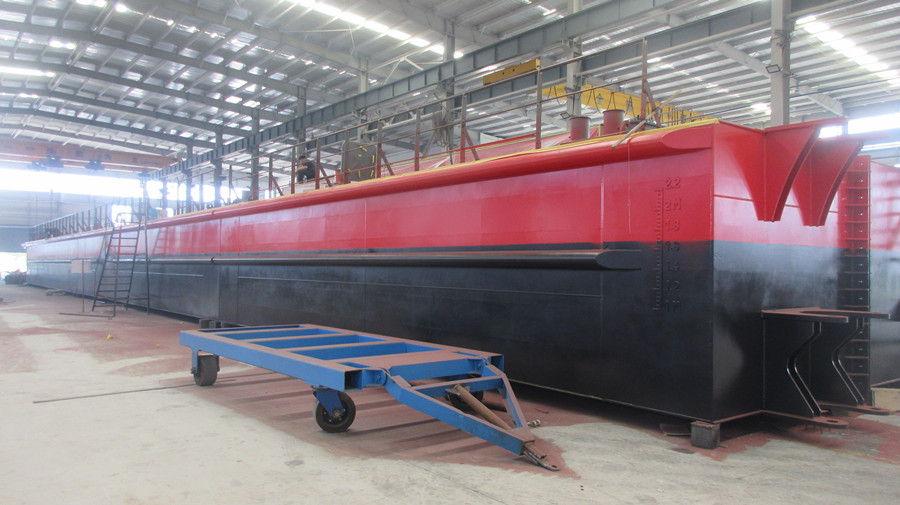
Underpinning our logistics expertise with vertical integration in machinery custom fabrication, parts production, and quality assurance.
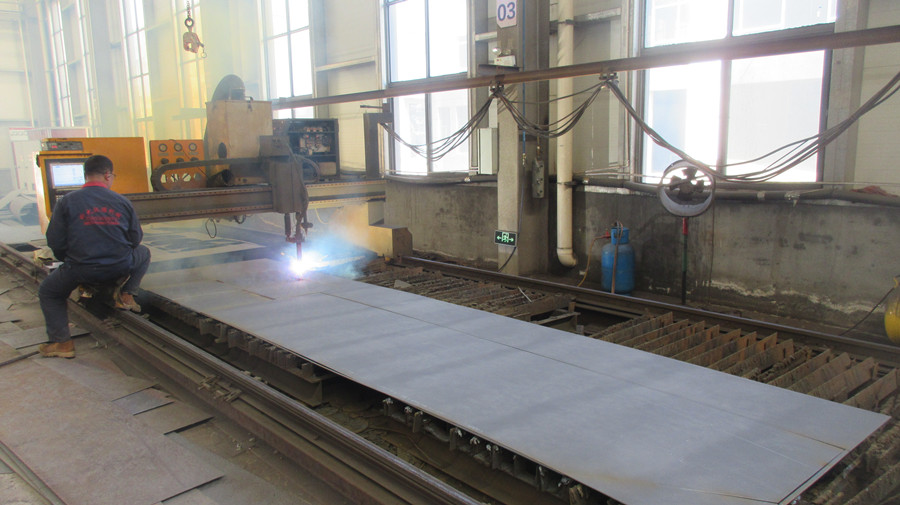
Manufacturing & Production Stages

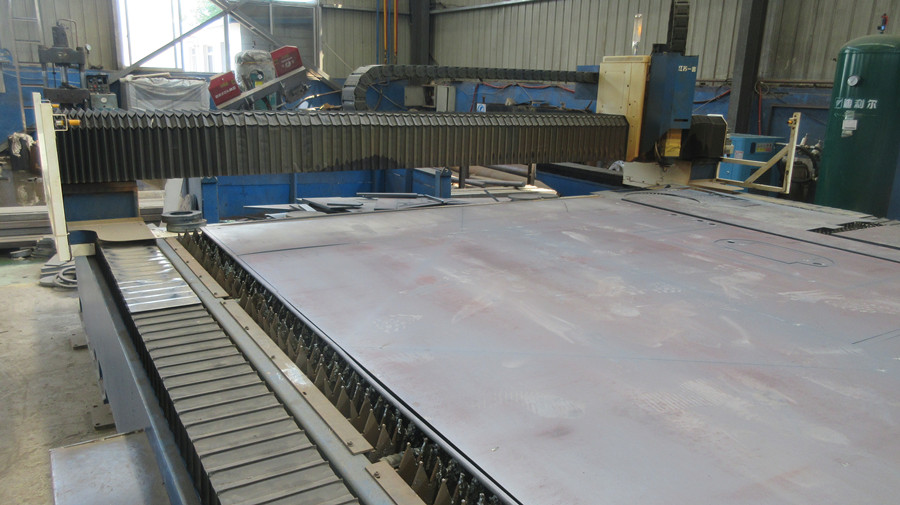
Cutting process
Cutting
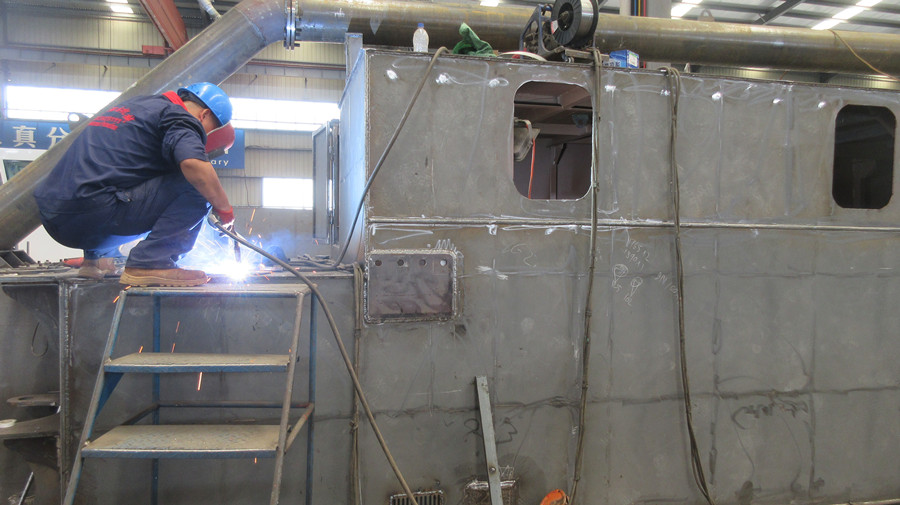
Welding process
Welding
Assembling process
Assembling
Second Cutting stage
Cutting
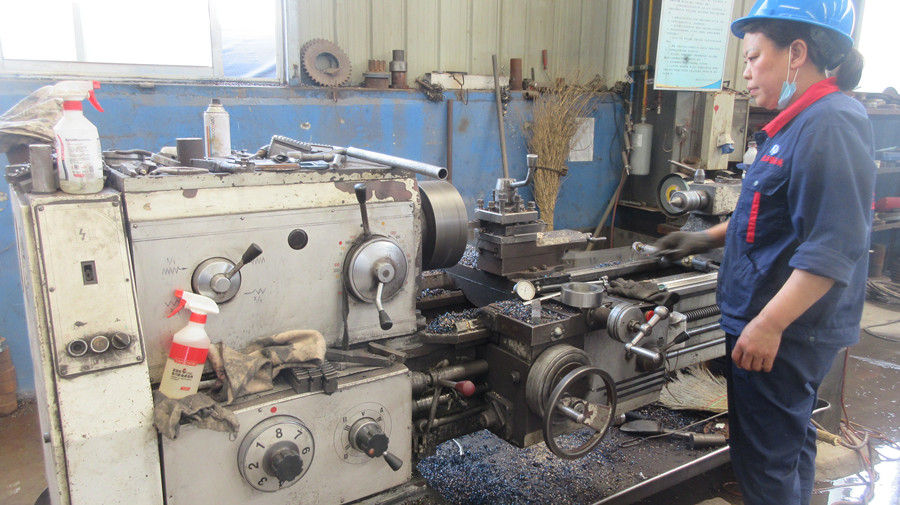
Machining process
Machining
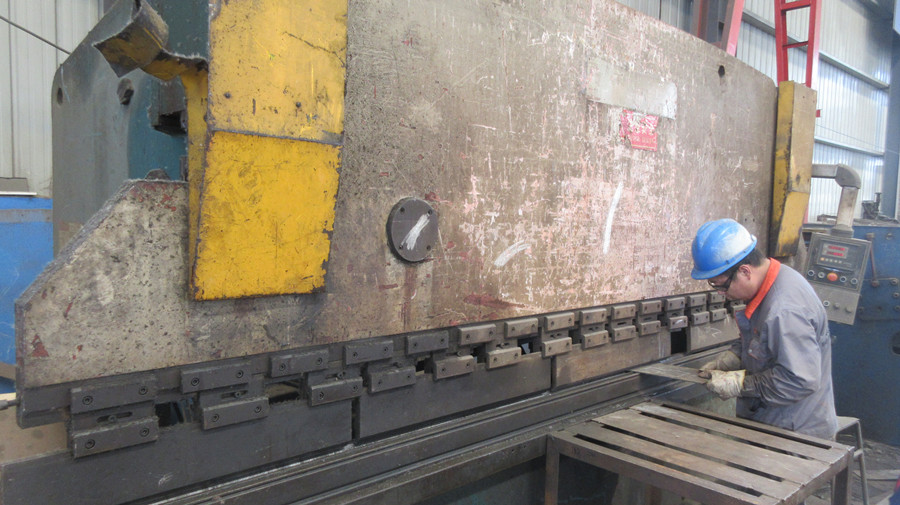
Bending process
Bending
Heavy Welding stage
Welding
Final Assembly stage
Assembling
Painting stage
Painting
Testing stage
Testing

Production Equipment Overview

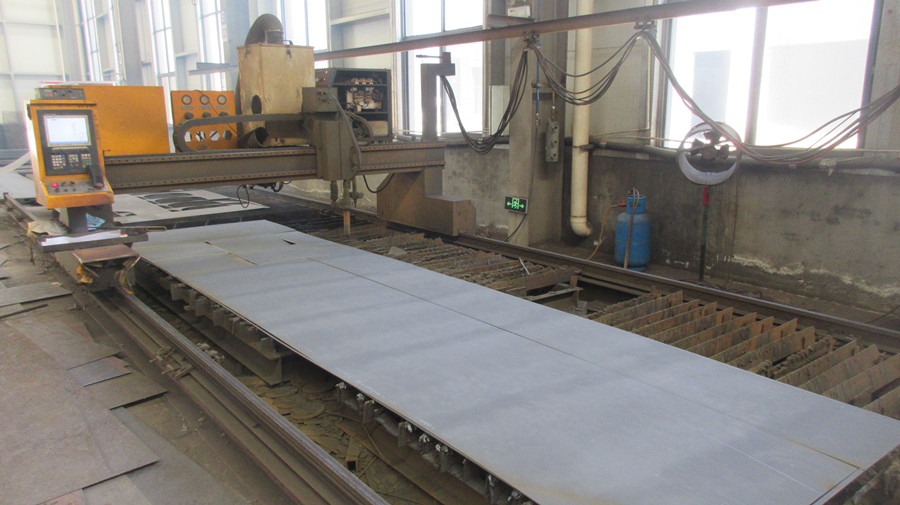
CNC Cutting Machine
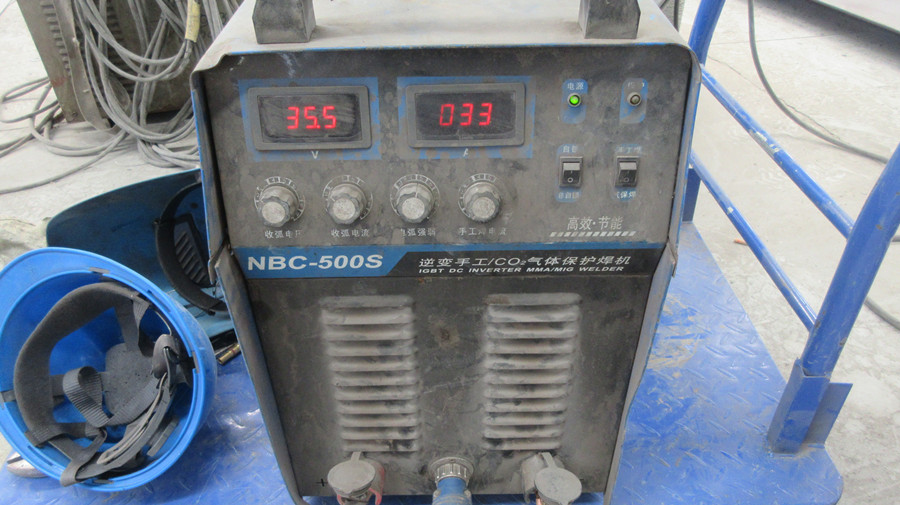
Cutting Machine
Automatic Welding Machine
Welding Machine
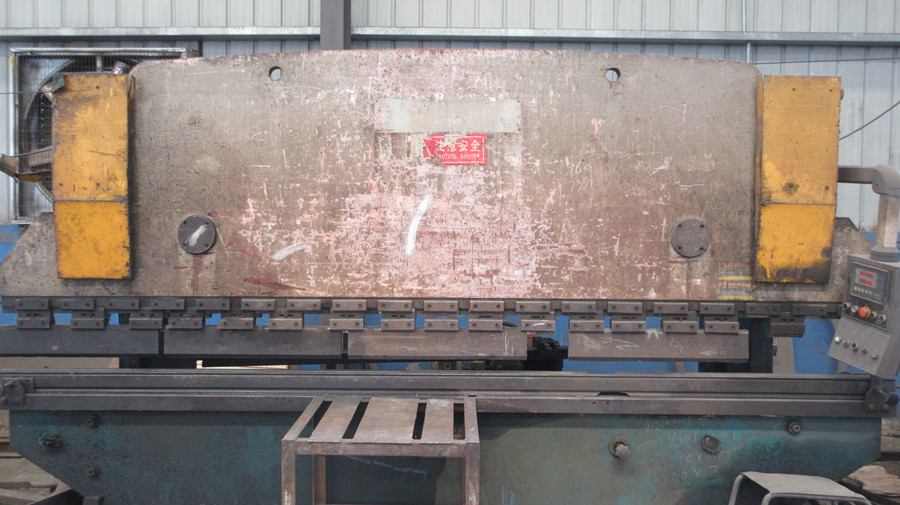
Precision Bending Machine
Bending Machine

Houston Customs Clearance & Logistics FAQ

Expert technical insights to optimize your commercial import-export operations in the state of Texas.

1. What are the key entry requirements for importing industrial machinery through the Port of Houston?
To import heavy machinery (such as crawler diggers and manufacturing gear), you must declare proper HTS codes to CBP, provide EPA/clean air compliance paperwork (e.g., EPA Form 3520-21 for engines), show proof of a valid continuous customs bond, and declare timber packaging treatment (ISPM 15 compliance). Working with an experienced broker prevents the goods from being placed on local holds.
2. How does DDP (Delivered Duty Paid) shipping mitigate risk for Houston-based buyers?
Under DDP terms, the seller takes complete responsibility for shipping, export clearance, ocean/air freight, import customs clearance at the Port of Houston, paying duties/tariffs, and final delivery to the buyer's Texas facility. This eliminates hidden terminal handling fees and simplifies operations for local distributors who lack dedicated customs departments.
3. What role does ISF 10+2 play in the cargo clearing process at Gulf ports?
The Importer Security Filing (ISF) must be filed electronically at least 24 hours prior to containerized cargo being loaded onto the vessel at the origin port. Failure to file correctly or on time can result in severe CBP penalties (typically starting at $5,000 per violation) and automatic examinations when the ship reaches Houston terminals.
4. Can I store imported machinery in a Houston Foreign Trade Zone (FTZ) to defer duty?
Yes. Port Houston operates FTZ 84, one of the most active Foreign Trade Zones in the United States. Utilizing an FTZ allows you to import machinery or steel fabrications, hold them indefinitely without paying U.S. customs duties, and only pay duties once the product enters the U.S. domestic market. If the product is re-exported, the duty is waived entirely.
5. What is the typical transit and clearing timeframe from Chinese ports to Houston?
Ocean transit from major Chinese manufacturing hubs (like Shenzhen, Ningbo, or Shanghai) to Houston via the Panama Canal ranges between 30 to 45 days. Once the vessel docks, digital customs clearance (ACE system) can take as little as 24 to 48 hours, provided all manifests are pre-cleared and no PGA flags or physical inspections are triggered.
6. How are duties and Section 301 tariffs calculated for structural steel and warehouse storage containers?
Duties are determined based on the specific HTS classification and country of origin. Structural steel and metal storage bins are subject to standard tariffs, Section 301 tariffs (if manufactured in China), and potential Anti-Dumping and Countervailing Duties (AD/CVD). Accurate structural classification by a licensed customs broker is vital to prevent overpaying duties.