Direct access to our certified LCL, FCL, express transport routes, and specialized logistics hardware.
In the modern paradigm of supply chain management, cargo dispatch agility dictates profitability. Global buyers no longer rely solely on massive, capital-intensive Full Container Load (FCL) shipments. Instead, **Less-Than-Container-Load (LCL) consolidation** has graduated from a tactical shipping alternative to a cornerstone of robust, resilient procurement strategies.
By leveraging LCL ocean freight, enterprises optimize working capital, reduce inventory carrying costs, and mitigate market volatility. As a dominant force in this sector, specialized Chinese freight manufacturing hubs and logistics consolidators provide the structural foundation for this agile shipping revolution.
The manufacturing dominance of Southern and Eastern China is deeply linked with an unparalleled maritime logistics network. When sourcing from Chinese industrial hubs like Shenzhen, Guangzhou, Ningbo, or Shanghai, the structural advantages of choosing a localized, asset-heavy consolidator include:
Established Year
Clearance Success Rate
Global Routes Covered
Digital Cargo Tracking
Procurement departments face unprecedented geopolitical and operational headwinds. The key to maintaining supply chain continuity lies in utilizing versatile logistics configurations suited to specific end-market needs.
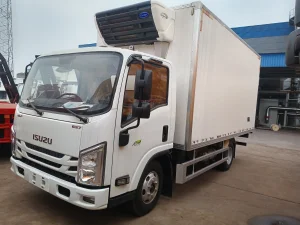
Pharmaceuticals, cosmetics, and organic food products cannot tolerate standard ambient maritime temperatures. Utilizing advanced engineering solutions like Copeland Multi-Temp Commercial Reefer Containers within LCL operations ensures strict temperature regulation across every cubic meter of consolidated cargo, preventing thermal degradation.
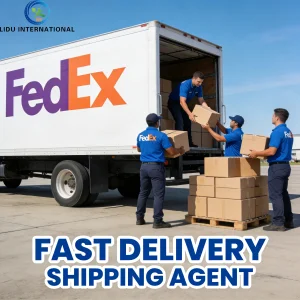
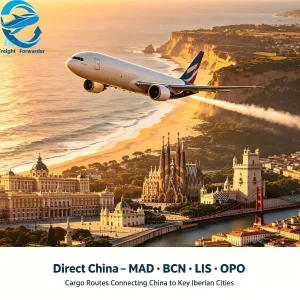
Velocity is the lifeforce of cross-border e-commerce. Importers require predictable transit schedules coupled with direct Delivery Duty Paid (DDP) or Delivered At Place (DAP) capabilities. Our logistics structures link physical ocean transport with localized distribution networks, facilitating direct-to-warehouse delivery to USA, UK, Europe, and Asia.
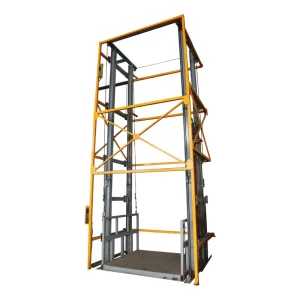
LCL is not limited to retail boxes. Industrial entities regularly ship heavy materials, hydraulic elevators, and machinery components. This demands robust, heavy-duty cargo handling solutions at CFS warehouses, including dedicated industrial freight elevator systems and customized packing setups to secure heavy cargo alongside general merchandise.
Tailored FBA consolidation schemes featuring automated inventory split mitigation and dedicated customs clearance vectors.
Dedicated heavy cargo securing and block-and-brace packaging services utilizing certified industrial timber and hardware.
End-to-end GPS and sensor tracking inside consolidation units, giving buyers real-time access to temperature, humidity, and location.
Guangdong Changi Logistics Co., Ltd. is a comprehensive logistics enterprise established in 2018, specializing in international freight forwarding and integrated supply chain solutions. The company is committed to providing efficient, reliable, and customized logistics services for global trade and cross-border e-commerce clients.
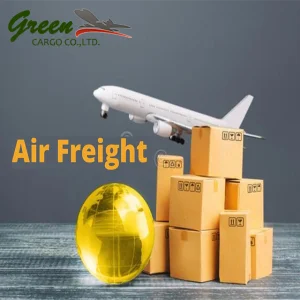
Our core services include international sea freight, air freight, rail transportation, multimodal transport, warehousing, customs clearance, and end-to-end supply chain management. With a strong global agency network and advanced digital logistics systems, we deliver cost-effective and time-efficient solutions to customers across various industries.
Founded in 2018, Guangdong Changi Logistics Co., Ltd. has grown alongside the rapid expansion of global trade and the rise of cross-border e-commerce. Starting as a traditional freight forwarding service provider, the company has evolved into a full-service logistics and supply chain solutions provider.
Over the years, we have continuously enhanced our operational capabilities by integrating intelligent logistics management systems and real-time tracking technologies. These improvements have significantly increased service efficiency, transparency, and customer satisfaction, enabling us to become a competitive independent logistics provider in the industry.
Our vision is to become a leading global logistics and supply chain partner, driven by innovation and powered by technology. We aim to build a smarter, greener, and more efficient global logistics network that enables seamless international trade and sustainable business growth for our clients.
At Guangdong Changi Logistics Co., Ltd., we are committed to delivering long-term value to our clients through innovative logistics solutions and professional service excellence. Our mission is to:
We believe logistics is more than transportation—it is the foundation that connects global commerce and drives business success.
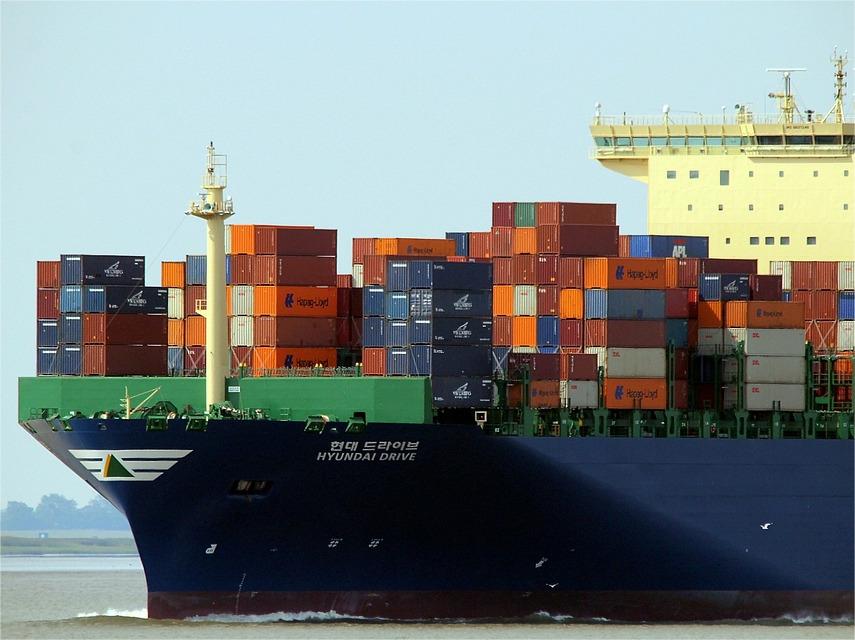
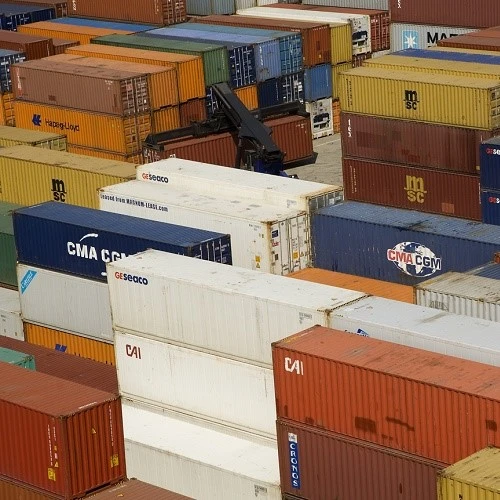
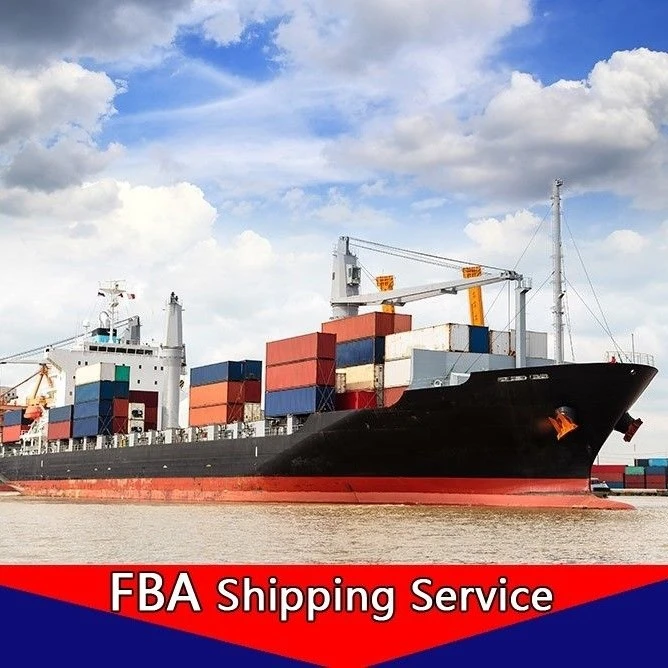
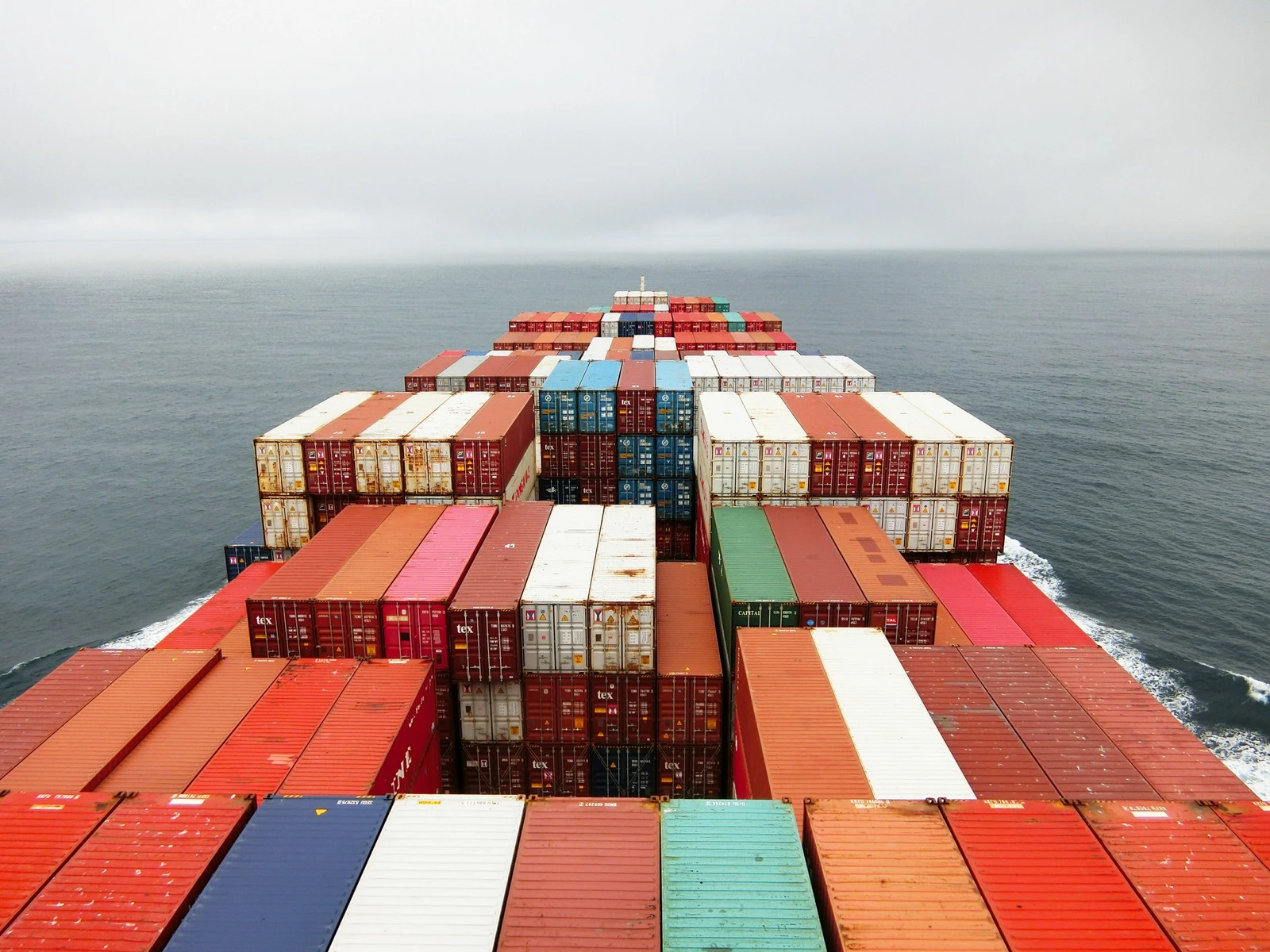
In addition to freight coordination, Changi Logistics oversees the technical fabrication and maintenance of its heavy logistics assets, including custom cold chain reefers, heavy-lift elevators, and container platforms. Our production lines maintain a zero-tolerance policy for design defects, ensuring all physical transportation units withstand the rigors of multi-modal transits.
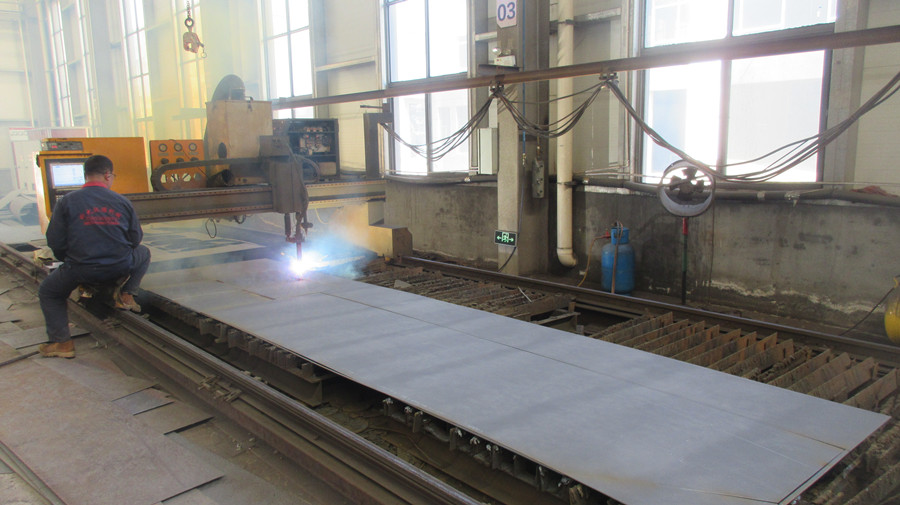
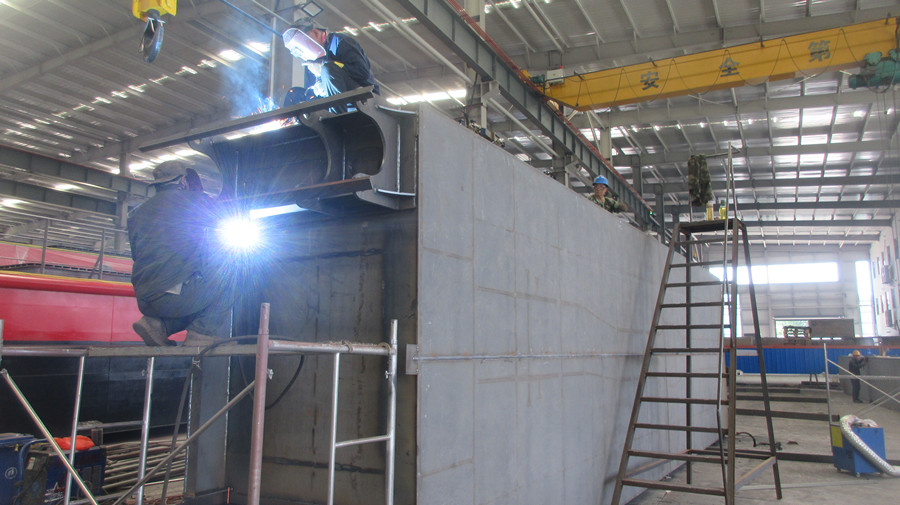
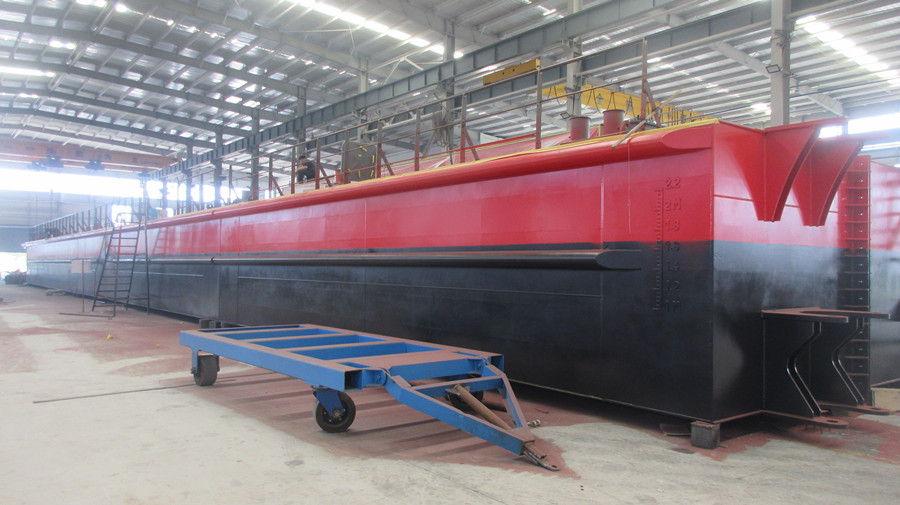
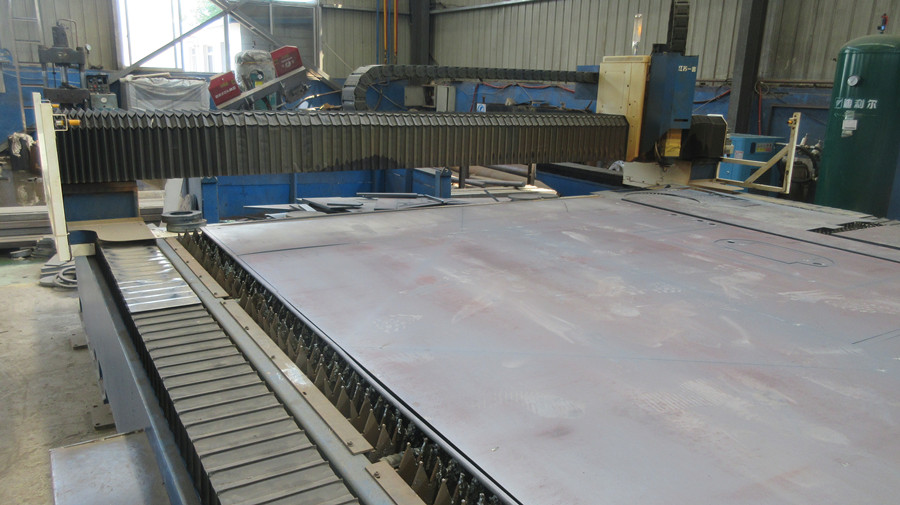
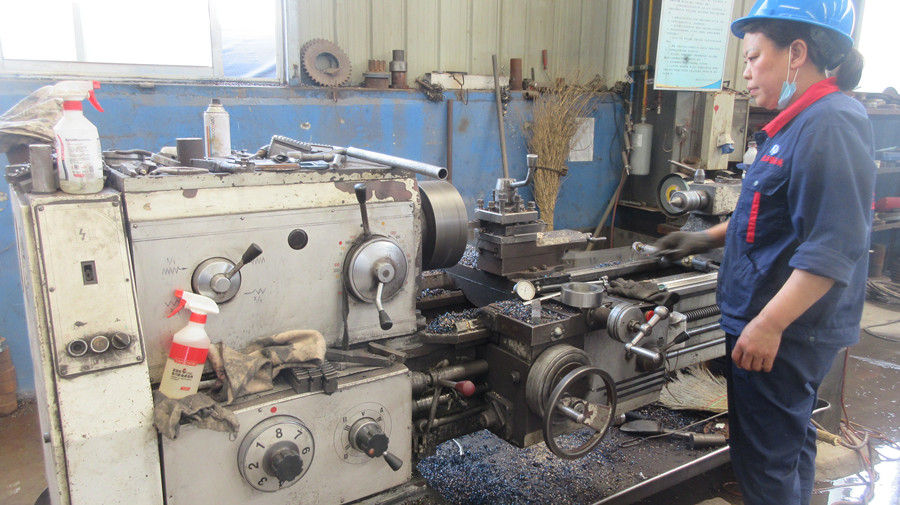
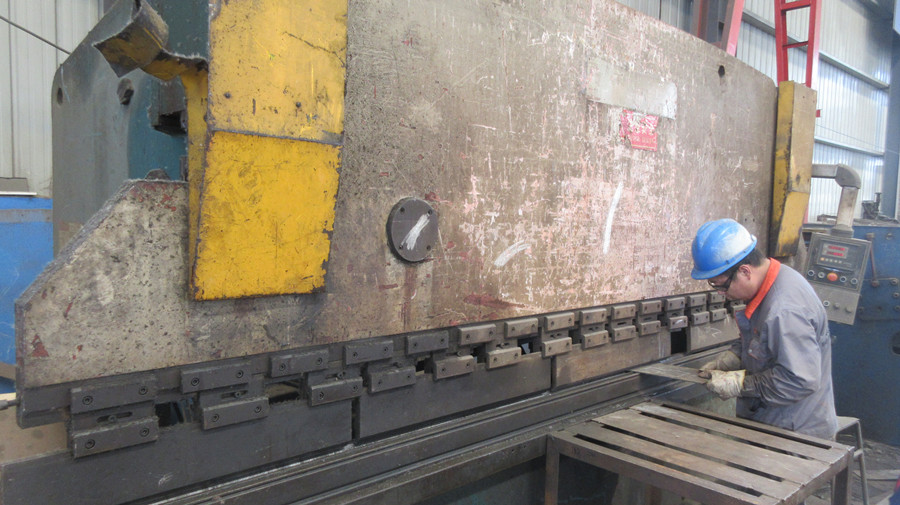
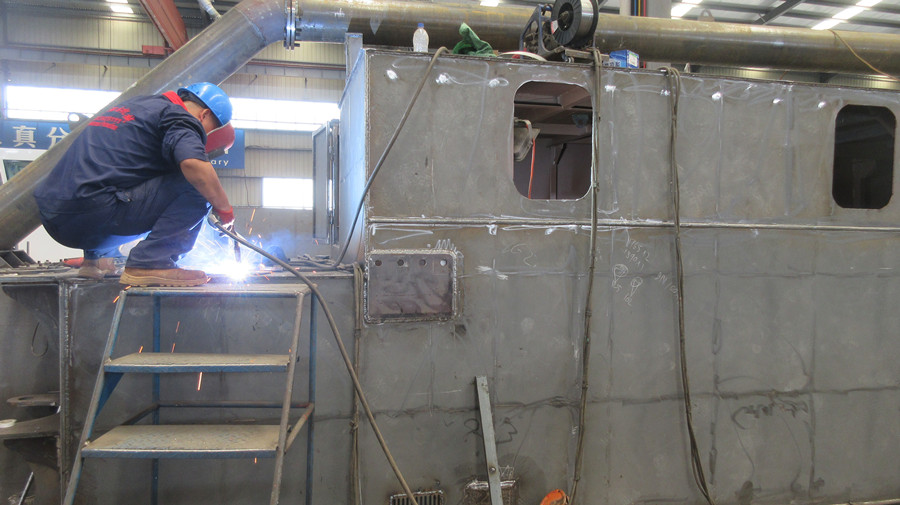
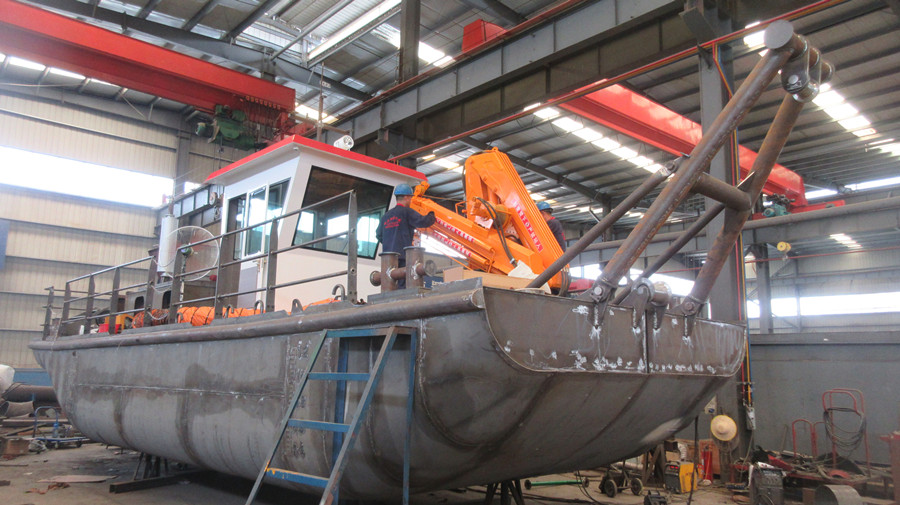
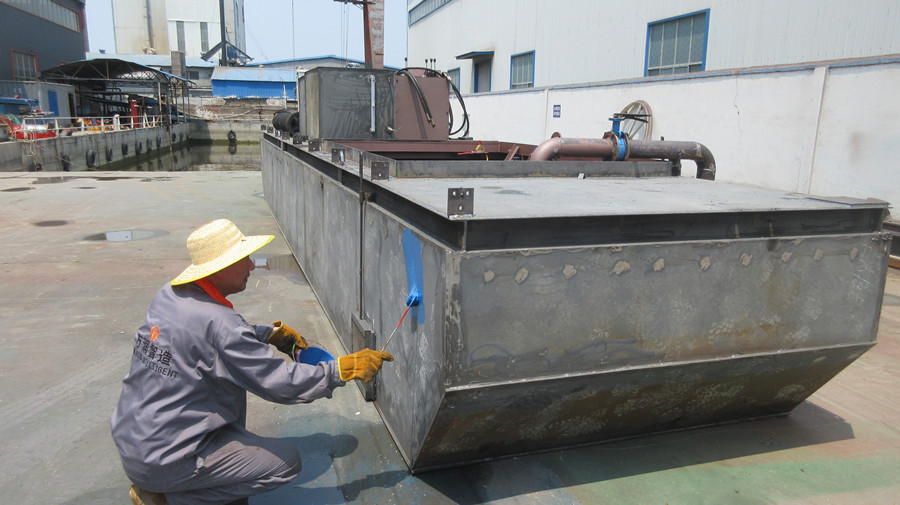
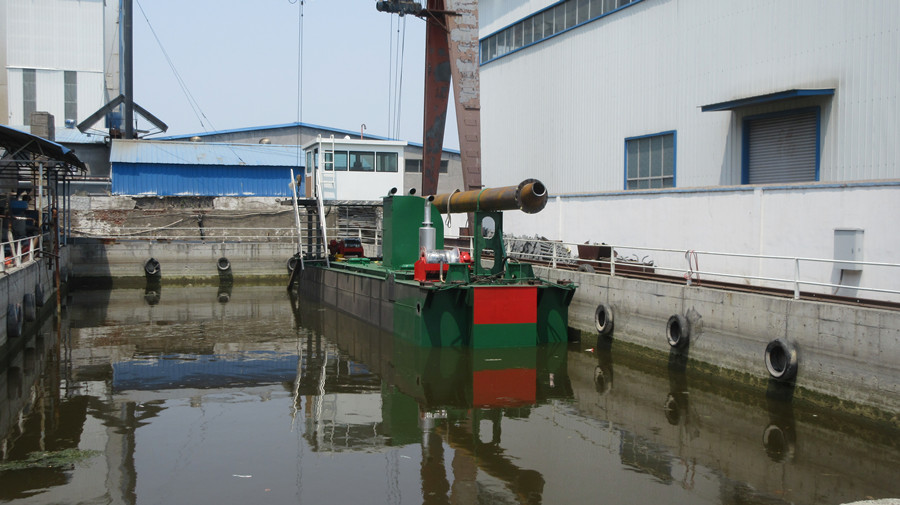
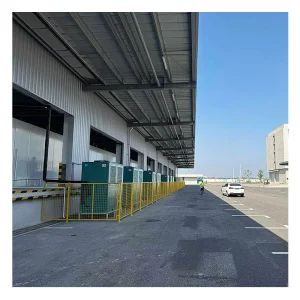
Our facilities are outfitted with advanced industrial machinery to produce durable container framework, freight lifts, and structural materials. This infrastructure enables customized container designs tailored to unique maritime applications.
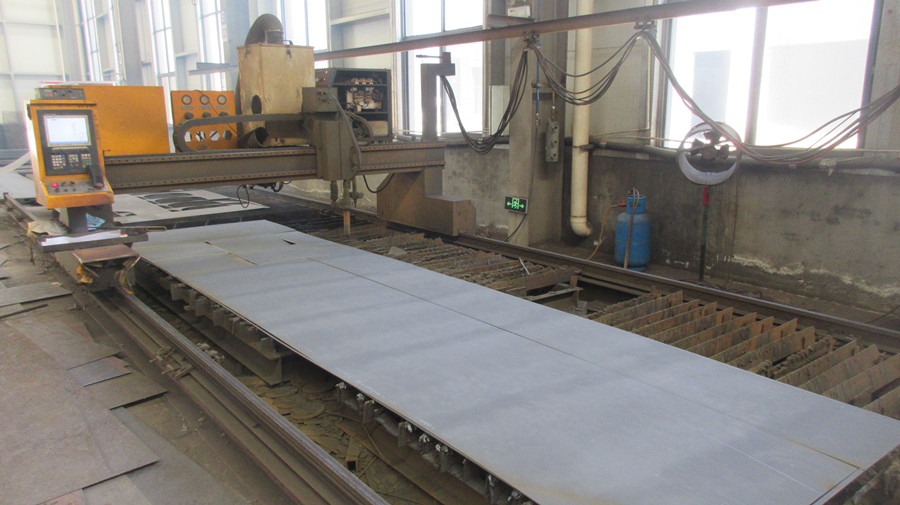
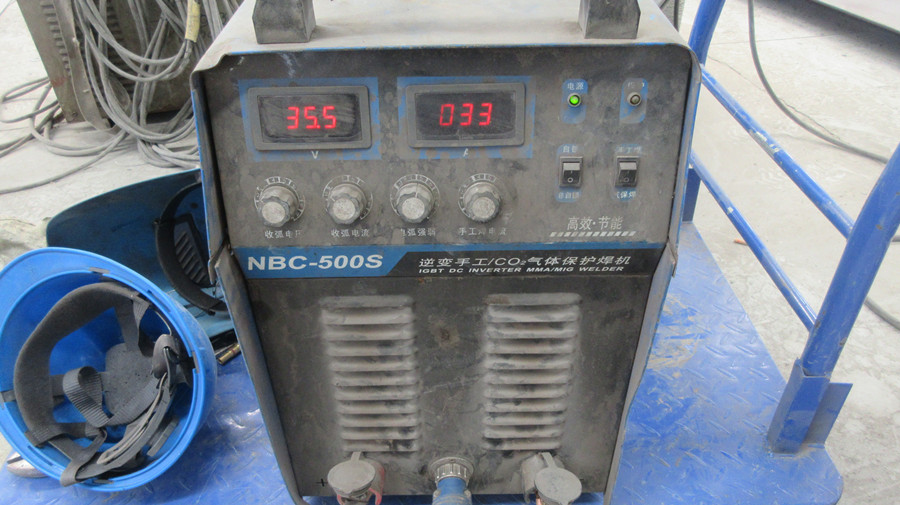
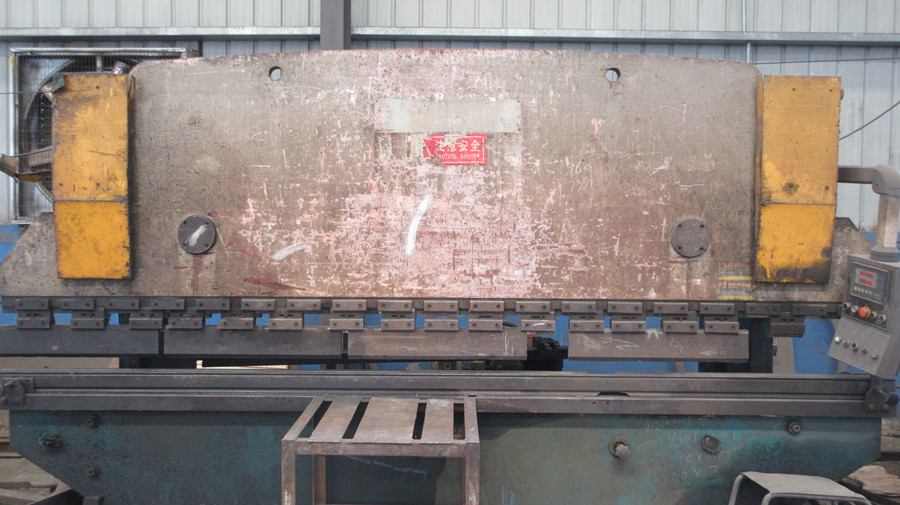
To implement an optimized logistics strategy, buyers must understand the mechanics of consolidated ocean transit. This section explores key concepts in LCL shipping to help guide sourcing decisions.
The Container Freight Station (CFS) serves as the primary hub of LCL logistics. Here, LCL cargo is received from multiple shippers, cataloged, and packed into a single shipping container. Upon arrival at the port of destination, the container is transferred to an import CFS, where the cargo is unpacked and prepared for final delivery.
Ocean freight rates for LCL cargo are calculated based on a Weight or Measurement (W/M) basis. The freight charge is determined by comparing the total weight (in metric tons) and the total volume (in cubic meters) of the cargo, with the rate applied to the larger value. Knowing these dynamics helps shipping departments optimize packaging to avoid unnecessary expenses.
Because LCL containers carry cargo from multiple shippers, incorrect documentation for one shipment can cause customs clearance delays for the entire container. Ensuring accurate Bills of Lading, Commercial Invoices, and Packing Lists is essential for preventing delays at import gateways.
Expert answers to common questions about global Less-Than-Container-Load shipping.
LCL (Less than Container Load) consolidates shipments from multiple shippers into a single container. You pay only for the volume your cargo occupies. FCL (Full Container Load) reserves the entire container for your goods. LCL is ideal for smaller shipments, helping lower warehouse inventory costs.
Rates are determined using a Weight or Measurement (W/M) system, comparing the volume in Cubic Meters (CBM) against the weight in Metric Tons (1 Ton = 1 CBM equivalent threshold). The higher value determines the billable freight unit.
Guangdong's proximity to major international ports ensures high departure frequencies. This minimizes consolidation delays at the CFS, allowing goods to reach international markets efficiently.
Delivered Duty Paid (DDP) means the shipper handles transport, customs clearance, duties, and taxes, delivering the goods directly to the buyer's warehouse. We provide DDP options for LCL shipping to major destinations, including the USA and Europe.
We apply strict load planning policies, using industrial freight lifts and secure bracing to prevent shifting during transit. This helps ensure your cargo arrives in good condition.
Yes, we utilize specialized assets like Copeland Multi-Temp Commercial Reefer Containers to maintain constant, monitored temperatures for cold chain shipments.
Explore additional routing and specialized equipment solutions.
 Changi Logistics