Industrial logistics options connecting manufacturers, sorting centers, and reverse distribution operations globally.
An in-depth structural analysis of return flows, factory processing hubs, and the impact of the circular economy.
In the modern retail ecosystem, reverse logistics has transitioned from a backend operational necessity to a front-line competitive battlefield. The exponential growth of e-commerce has naturally triggered a parallel rise in returns. Managing this complex flow is not simply about shipping items back; it requires complex industrial systems designed to inspect, grade, repair, refurbish, and restock products with minimal margin loss. A "Returns Management Manufacturer" functions as a dedicated partner specialized in building, equipping, or managing facilities to handle high-frequency item processing.
Globally, manufacturers and 3PL partners face the daunting task of establishing local screening hubs near core consumer demographics. This regional positioning is critical to mitigate the ecological and economic footprints of long-haul transport for low-margin goods. By implementing advanced screening systems at the warehouse level, companies can determine immediately whether a returned asset can be re-routed directly to nearby secondary markets, sent back to primary distribution hubs, or marked for direct recycling.
Regulatory frameworks such as the European Union's Circular Economy Action Plan and Extended Producer Responsibility (EPR) mandates are forcing industrial manufacturers to trace the lifecycle of products. A qualified returns manufacturer provides the physical automation (grading tables, testing rigs) and structural layouts needed to salvage raw components, preventing landfill disposal and guaranteeing compliance.
Recovering capital from returned stock relies heavily on processing speed. Products lose value daily. Utilizing dynamic inventory routing and real-time grading allows 3PL providers to quickly funnel goods to secondary liquidation auctions, outlet markets, or component harvesting lines, effectively saving millions in capital loss.
Guangdong Changi Logistics Co., Ltd. - Integrating advanced logistics and reverse supply chain systems since 2018.
Guangdong Changi Logistics Co., Ltd. is a comprehensive logistics enterprise established in 2018, specializing in international freight forwarding and integrated supply chain solutions. The company is committed to providing efficient, reliable, and customized logistics services for global trade and cross-border e-commerce clients.
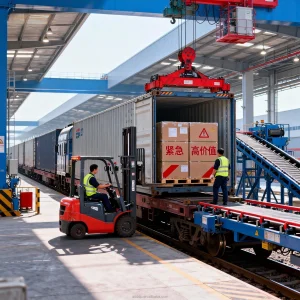
Our core services include international sea freight, air freight, rail transportation, multimodal transport, warehousing, customs clearance, and end-to-end supply chain management. With a strong global agency network and advanced digital logistics systems, we deliver cost-effective and time-efficient solutions to customers across various industries.
Through our advanced integration of 3PL warehousing and transport networks, we support the operational foundation required by high-volume Returns Management entities, ensuring customs clearance, storage, and cross-border routing run smoothly.
Founded in 2018, Guangdong Changi Logistics Co., Ltd. has grown alongside the rapid expansion of global trade and the rise of cross-border e-commerce. Starting as a traditional freight forwarding service provider, the company has evolved into a full-service logistics and supply chain solutions provider.
Over the years, we have continuously enhanced our operational capabilities by integrating intelligent logistics management systems and real-time tracking technologies. These improvements have significantly increased service efficiency, transparency, and customer satisfaction, enabling us to become a competitive independent logistics provider in the industry.
Our Vision: Our vision is to become a leading global logistics and supply chain partner, driven by innovation and powered by technology. We aim to build a smarter, greener, and more efficient global logistics network that enables seamless international trade and sustainable business growth for our clients.
Our Mission: At Guangdong Changi Logistics Co., Ltd., we are committed to delivering long-term value to our clients through innovative logistics solutions and professional service excellence. Our mission is to:
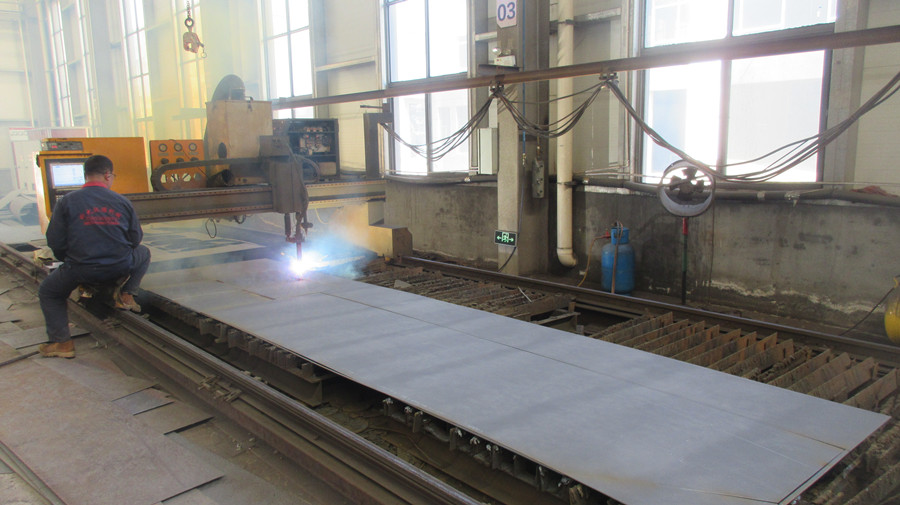
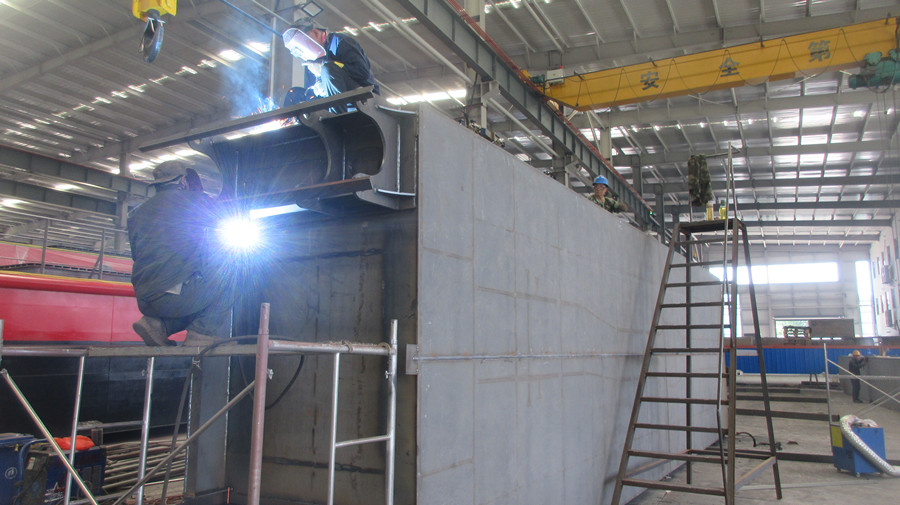
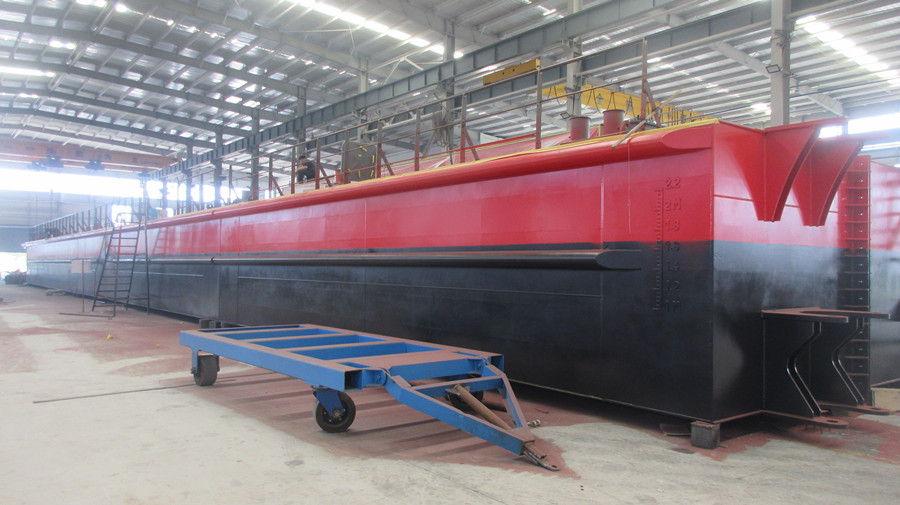
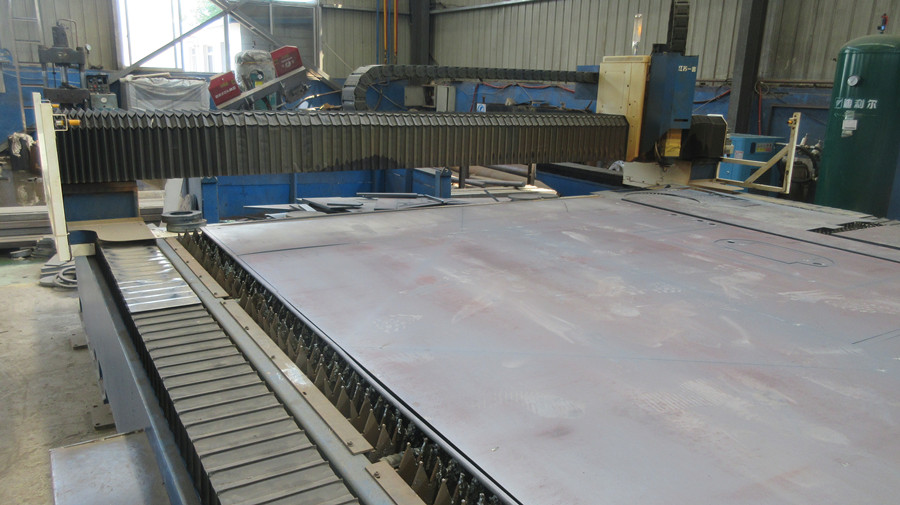
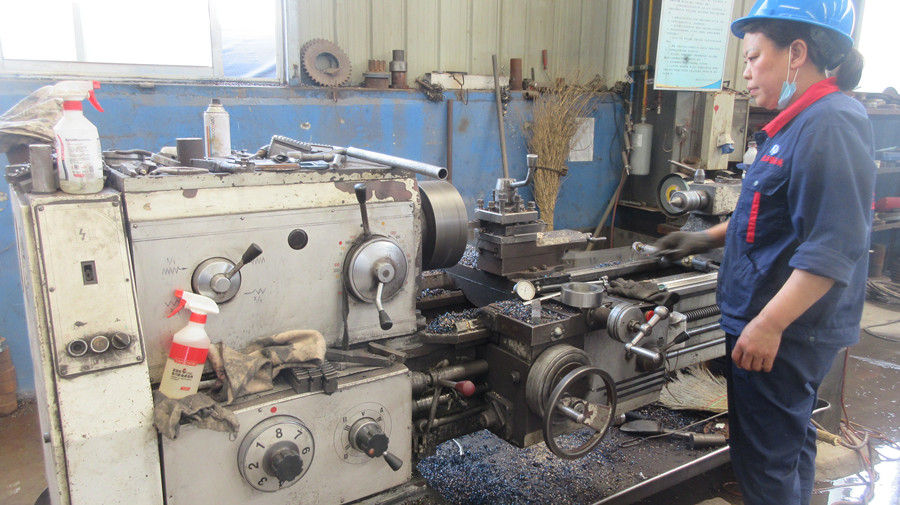
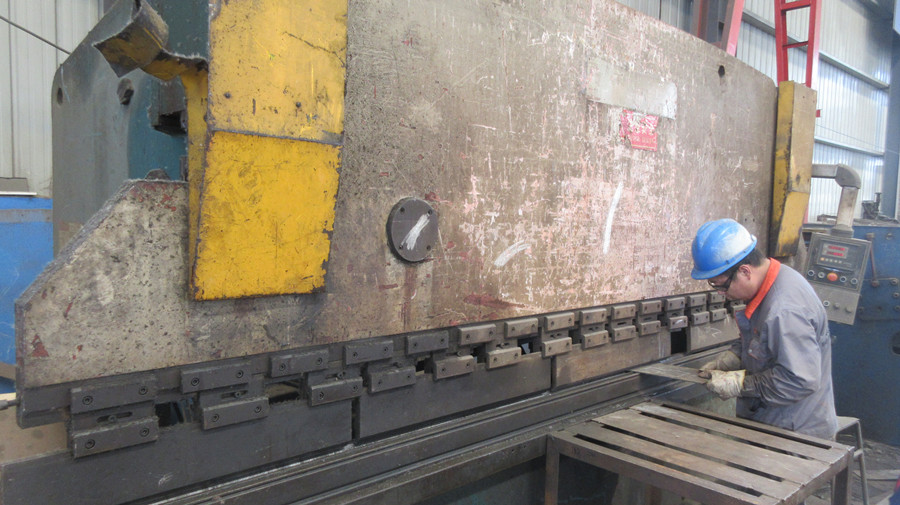
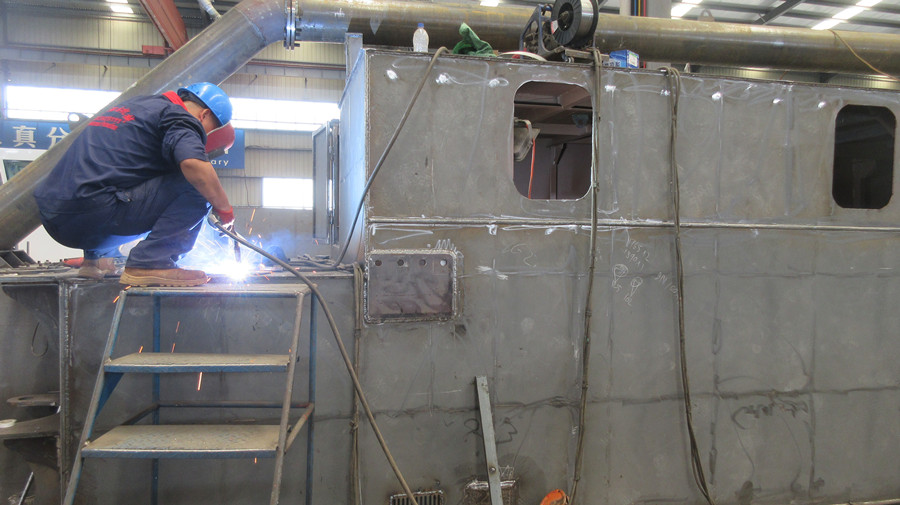
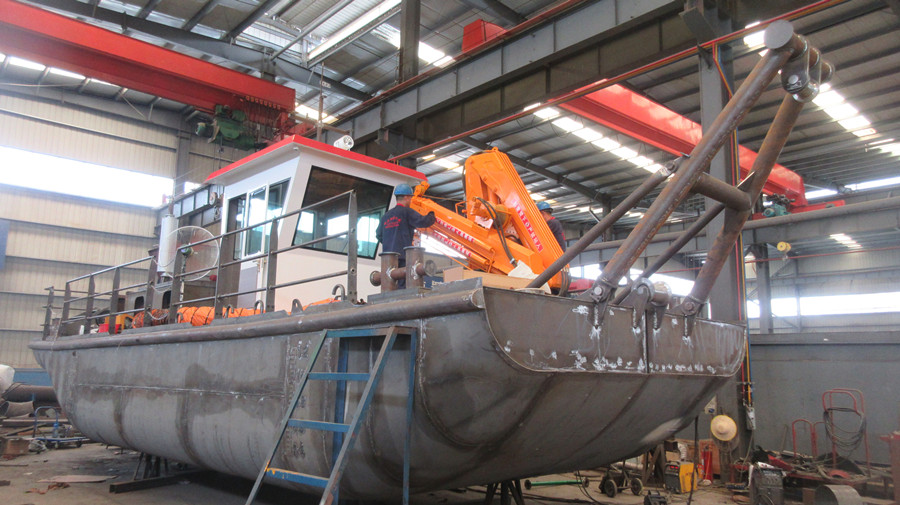
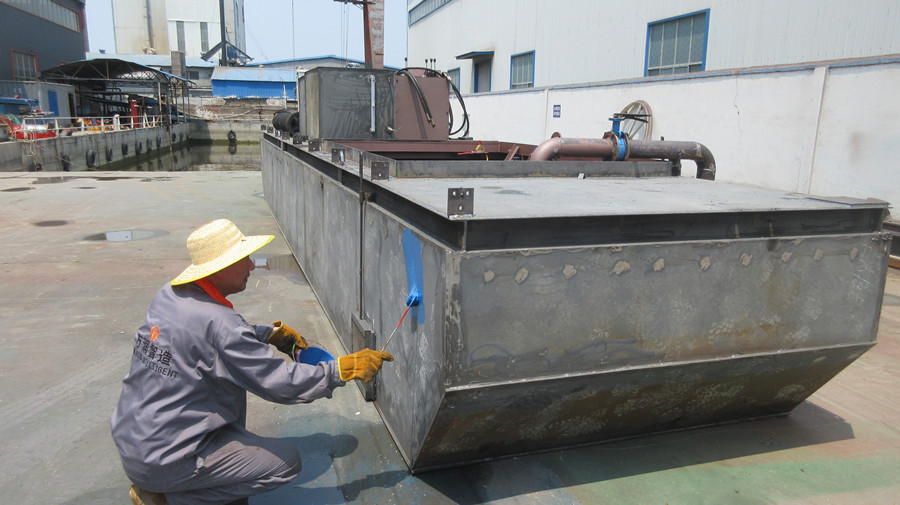
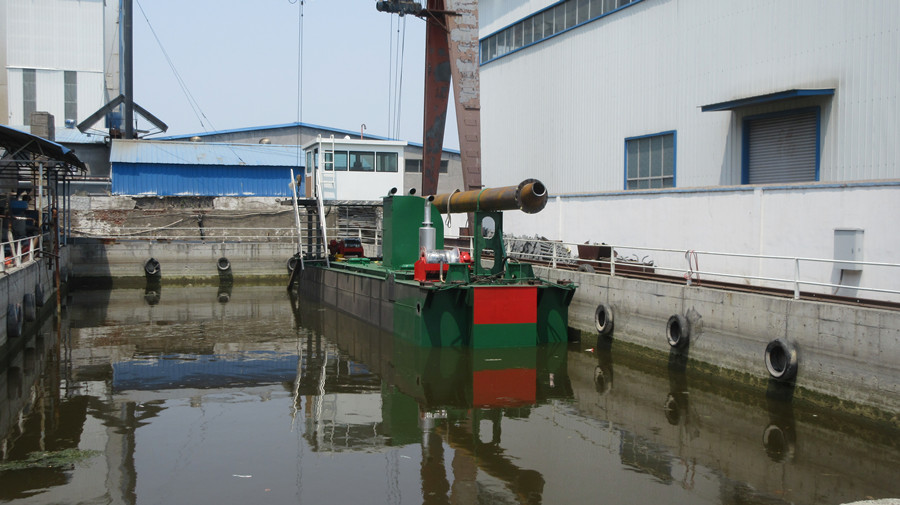
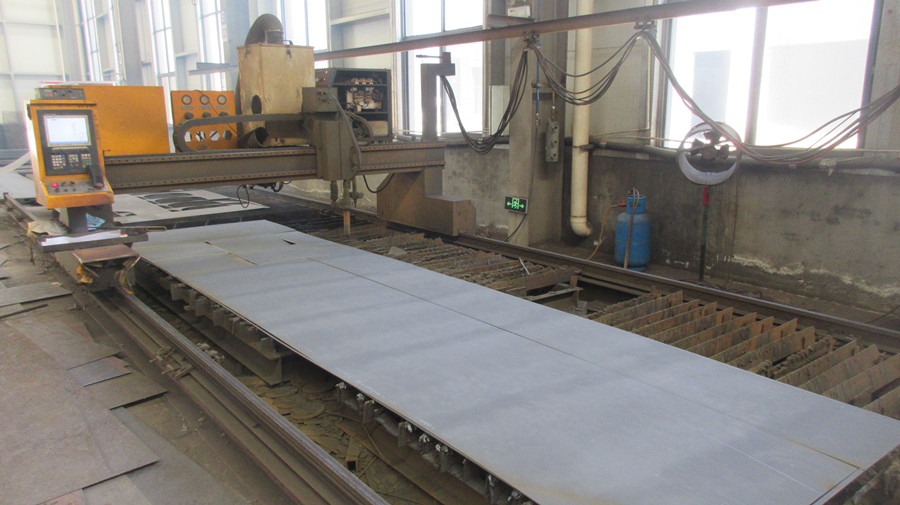
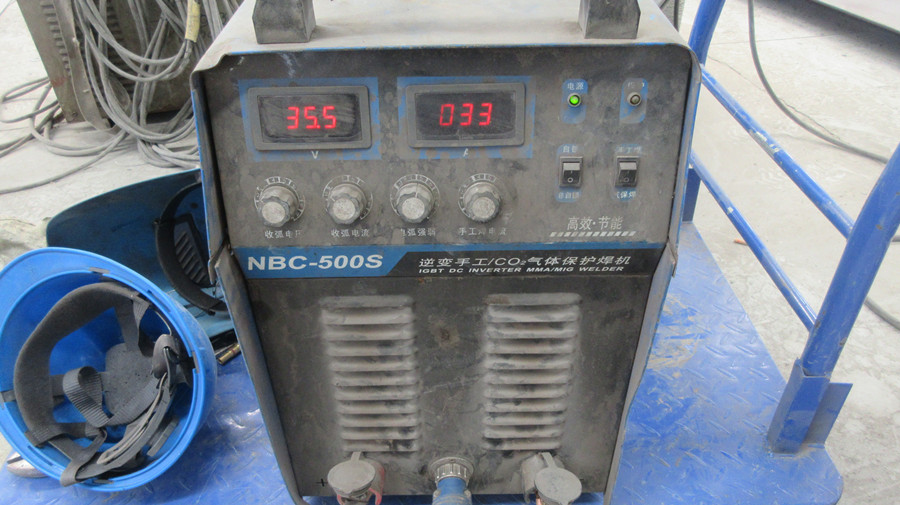
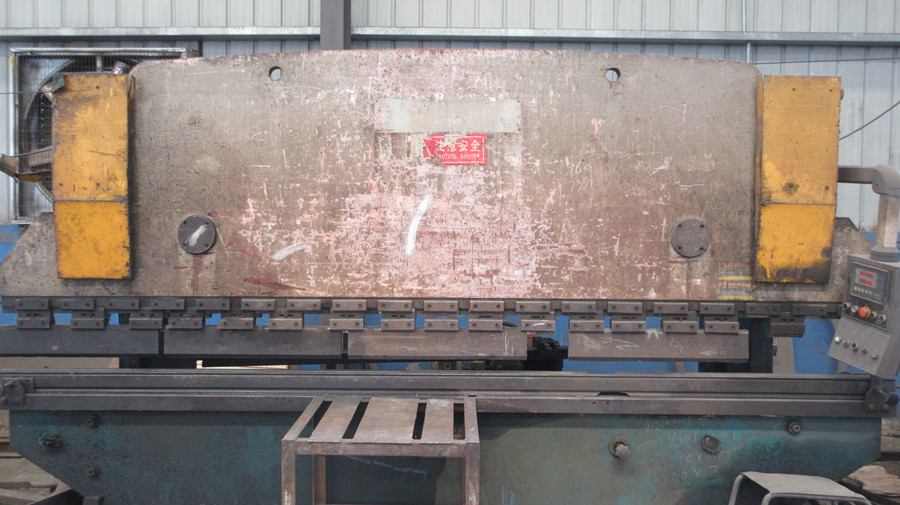
Our structural capabilities, precision machining, and industrial manufacturing steps behind heavy shipping containers, sorting racks, and handling equipment.
How top-tier returns networks handle import taxation, product sorting, and regulatory friction across borders.
A crucial bottleneck in international reverse logistics is cross-border customs clearance and re-entry tax compliance. Often, when a high-value product is returned across borders, it faces secondary taxation or regulatory delays unless filed correctly. Using standardized procedures like DDP (Delivered Duty Paid) or temporary import carnet agreements, top returns factories and logistics agents process items without incurring duplicate duties.
For example, high-technology battery shipments (like battery cargo shipping to the UK) require strict environmental and safety clearances. The same applies to machinery, medical gear, and retail apparel. Top 10 Returns Management Manufacturers build direct connectivity into localized networks to handle regional processing:
Electronic returns inside the UK, Belgium, Poland, and Germany must be processed following strict waste recovery goals. Our close partner networks ensure all sorted electronic components receive formal certificates of destruction or recovery.
Utilizing Section 321 de minimis entry rules allows sellers to return low-value items into localized 3PL distribution centers efficiently, minimizing processing fees and standard custom delays.
Navigating Saudi Customs requires SASO/SABER compliance certificates. Utilizing verified shipping agents with direct clearance expertise ensures returns bypass structural delays.
The transformation from manually intensive inspection yards to AI-fueled automated classification plants.
Future returns systems depend heavily on AI and Computer Vision integration. In manual setups, a worker takes 3-5 minutes to inspect, scan, photograph, and determine the grade of a returned clothing item or tablet. Next-generation facilities use automated scanning tunnels that detect surface scratches, missing labels, and fabric tears instantly. Using these image data arrays, the warehouse management software automatically applies a grade (A, B, C, or Scrap) and prints the localized shipping routing label immediately.
Moreover, predictive returns algorithms analyze past shipping patterns, seasonality, and regional sales metrics to pre-allocate storage slots inside regional fulfillment hubs. If return rates for a specific vacuum cleaner spike in France, the system redirects incoming returns directly to local refurbishing centers, eliminating long-distance hub transfers. Below is the multi-year technology timeline adopted by industry leaders:
Everything you need to know about returns management, reverse logistics compliance, and supply chain partners.
Reverse logistics refers to the physical transportation, distribution, and routing of returned goods from consumer back to the warehouse. Returns management is the overarching business strategy, including customer return policy setup, value recovery, inspection workflows, tax reconciliation, and sorting algorithms.
By deploying regional consolidation hubs and utilizing duty drawback systems. Under special customs arrangements (like temporary importations or returning goods relief), import duties previously paid can often be reclaimed, or new duties bypassed when returns are processed near consumer hubs.
Lithium batteries are classified as Class 9 Dangerous Goods. Returns processes must follow strict packaging guidelines (such as UN-approved boxes) and require shipping lines that have certification for dangerous goods transport. Professional logistics agencies must manage this to avoid heavy penalties and security risks.
AI automatically estimates market demand and current pricing levels in secondary markets, determining whether refurbished stock should be sold immediately, broken down for spare parts, or liquidated in bulk, avoiding depreciation losses.
Comprehensive customs brokerage, trucking, warehouse consolidation, and specialized cargo handling.
 Changi Logistics