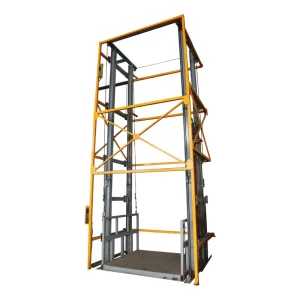
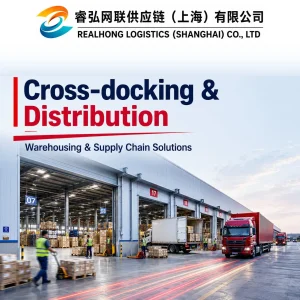

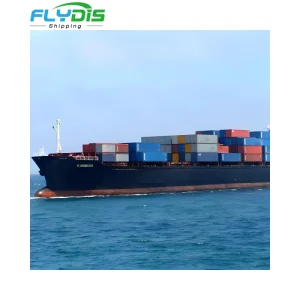

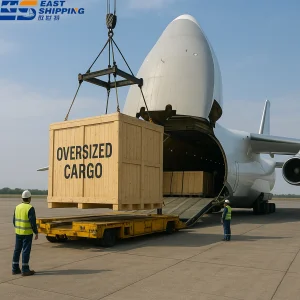
Last-mile delivery has transitioned from a standard transport sequence into a highly technological, multi-dimensional ecosystem. Accounting for over 53% of overall logistics expenditures, this stage is the critical focus of global supply chain optimization. The rapid growth of urban population centers, combined with the expectations of fast B2C delivery models, has forced enterprises to reconstruct their logistics framework. The transition from heavy freight hubs to localized fulfillment centers is driving demand for advanced hardware: from smart 750W light electric cargo vehicles (LEVs) to massive hydraulic cargo elevator platforms that optimize warehouse storage.
In this context, modern suppliers must offer more than raw manufacturing capabilities. Industrial partners are now required to provide end-to-end integration, custom fabrication tolerances (such as ISO-certified sheet metal components), and global freight forwarding solutions that guarantee reliable delivery. Enterprise buyers require robust supply chains, strict compliance guarantees, and advanced product life-cycles that withstand rigorous operational use.
Guangdong Changi Logistics Co., Ltd. is a comprehensive logistics enterprise established in 2018, specializing in international freight forwarding and integrated supply chain solutions. The company is committed to providing efficient, reliable, and customized logistics services for global trade and cross-border e-commerce clients.
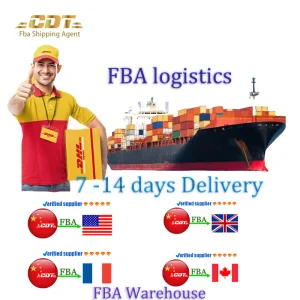
Our core services include international sea freight, air freight, rail transportation, multimodal transport, warehousing, customs clearance, and end-to-end supply chain management. With a strong global agency network and advanced digital logistics systems, we deliver cost-effective and time-efficient solutions to customers across various industries.
Founded in 2018, Guangdong Changi Logistics Co., Ltd. has grown alongside the rapid expansion of global trade and the rise of cross-border e-commerce. Starting as a traditional freight forwarding service provider, the company has evolved into a full-service logistics and supply chain solutions provider.
Over the years, we have continuously enhanced our operational capabilities by integrating intelligent logistics management systems and real-time tracking technologies. These improvements have significantly increased service efficiency, transparency, and customer satisfaction, enabling us to become a competitive independent logistics provider in the industry.
Our Vision: Our vision is to become a leading global logistics and supply chain partner, driven by innovation and powered by technology. We aim to build a smarter, greener, and more efficient global logistics network that enables seamless international trade and sustainable business growth for our clients.
Our Mission: At Guangdong Changi Logistics Co., Ltd., we are committed to delivering long-term value to our clients through innovative logistics solutions and professional service excellence. Our mission is to:
We believe logistics is more than transportation—it is the foundation that connects global commerce and drives business success.
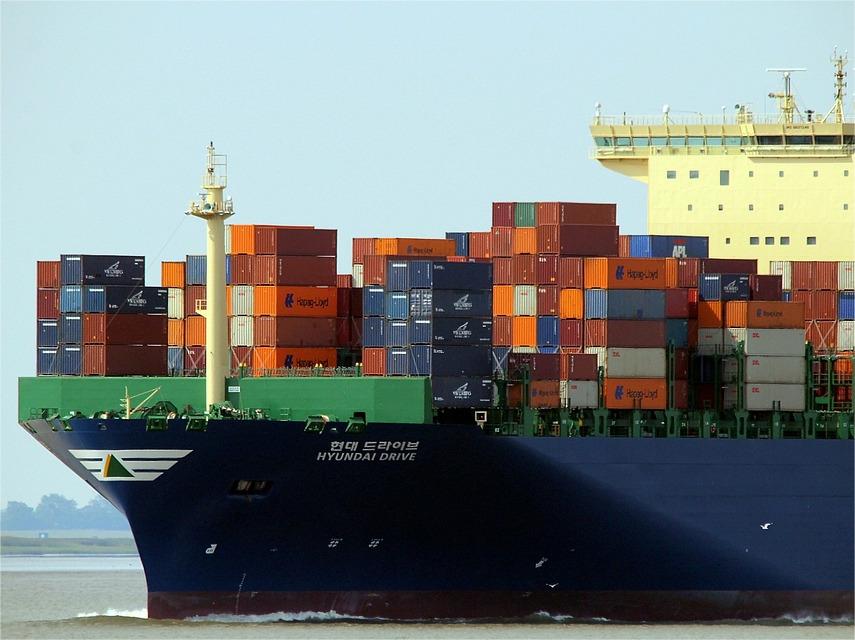
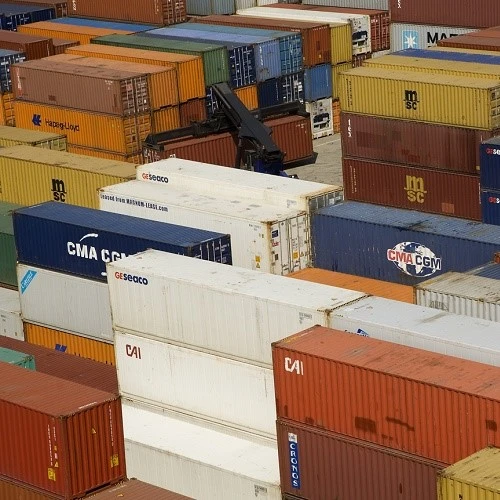

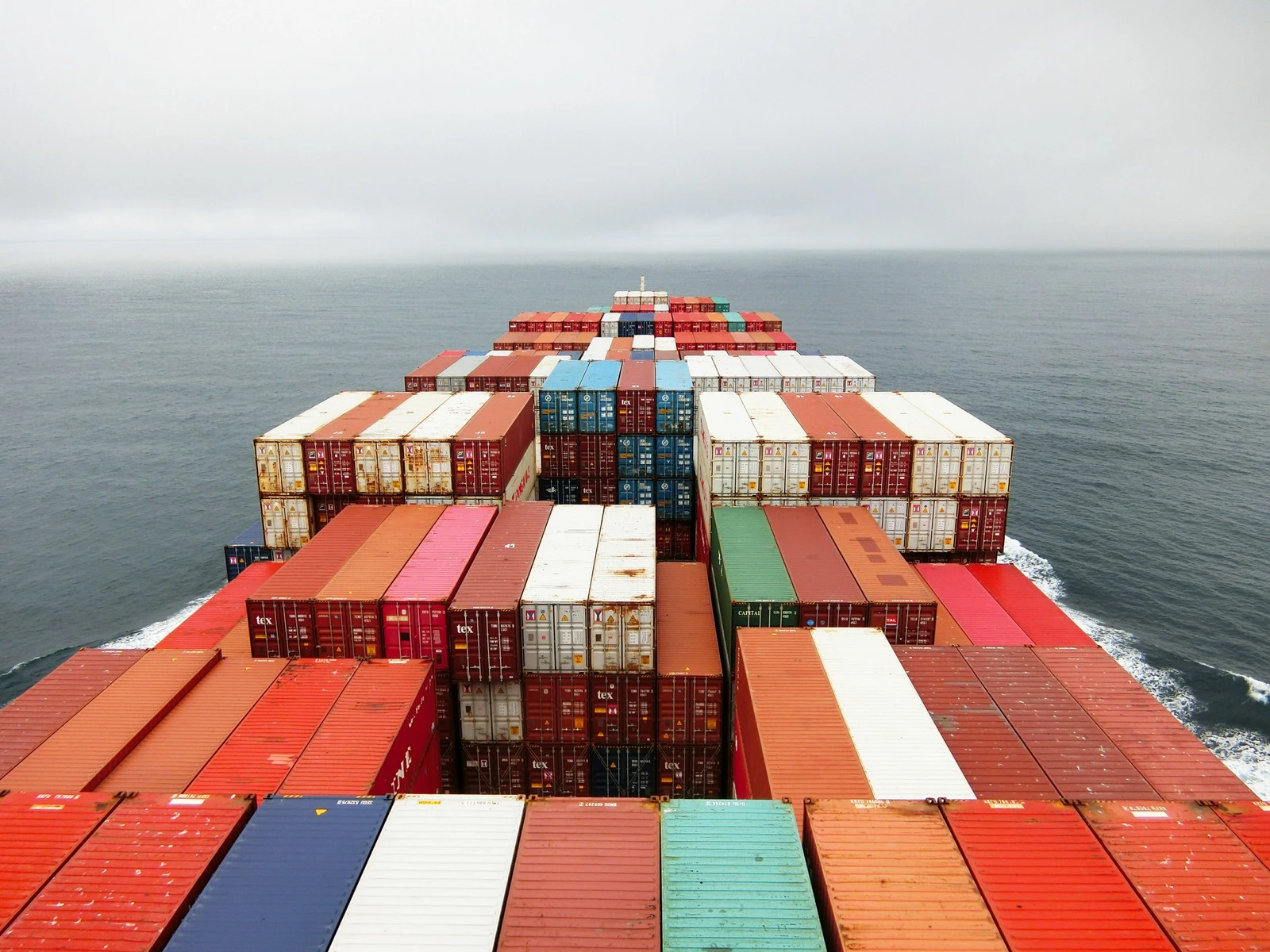
Advanced manufacturing is key to stabilizing the global last-mile supply chain. The factory floor has evolved from mechanical assembly into an intelligent, data-driven environment. Heavy cargo lifts, specialized cargo racks, custom stainless steel components, and high-performance delivery vehicles are produced using advanced Industry 4.0 fabrication processes. This integration of automated laser cutting, precise robotic welding, structural machining, and multi-stage testing ensures high structural integrity and operational safety.
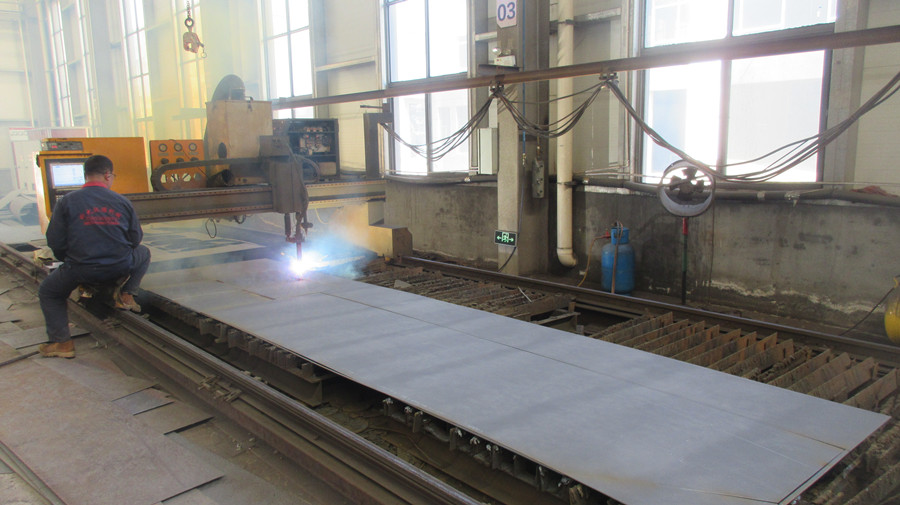
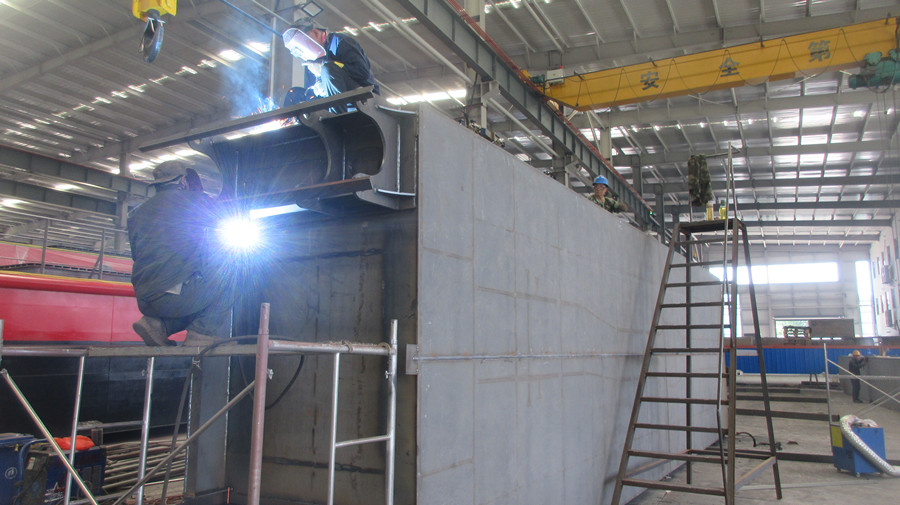
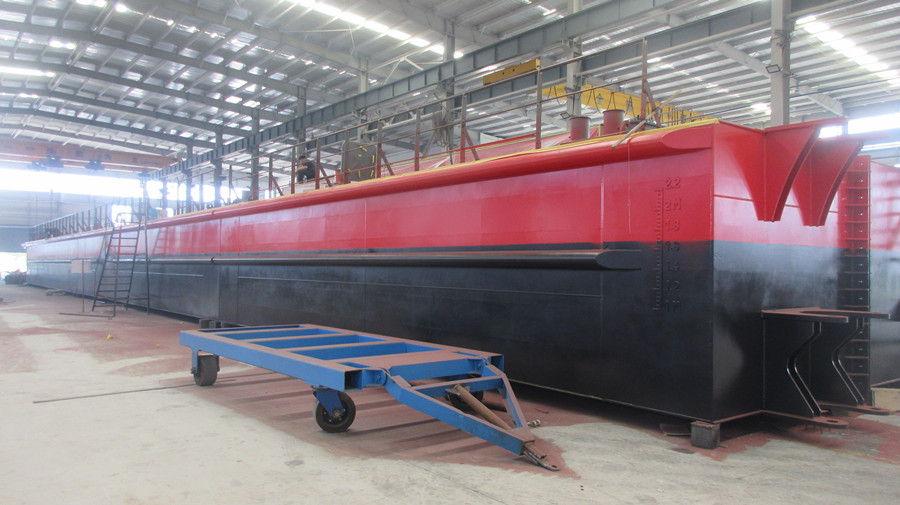
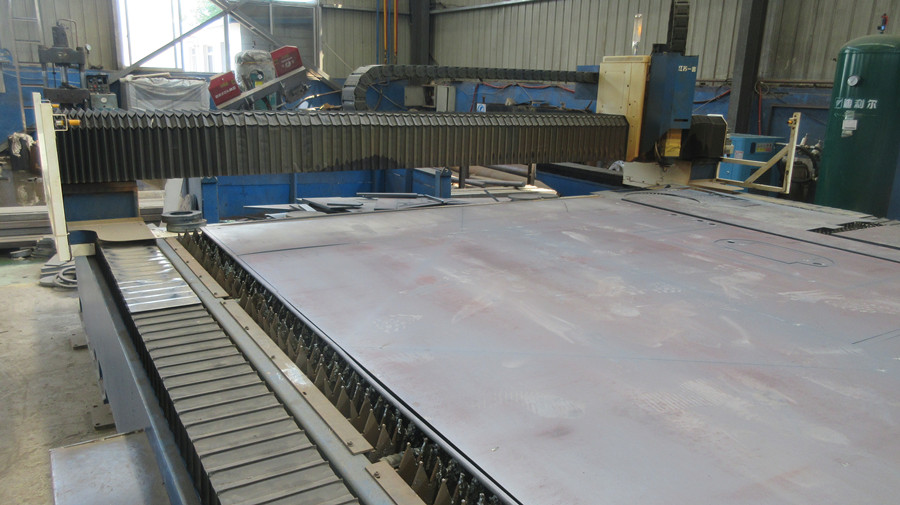
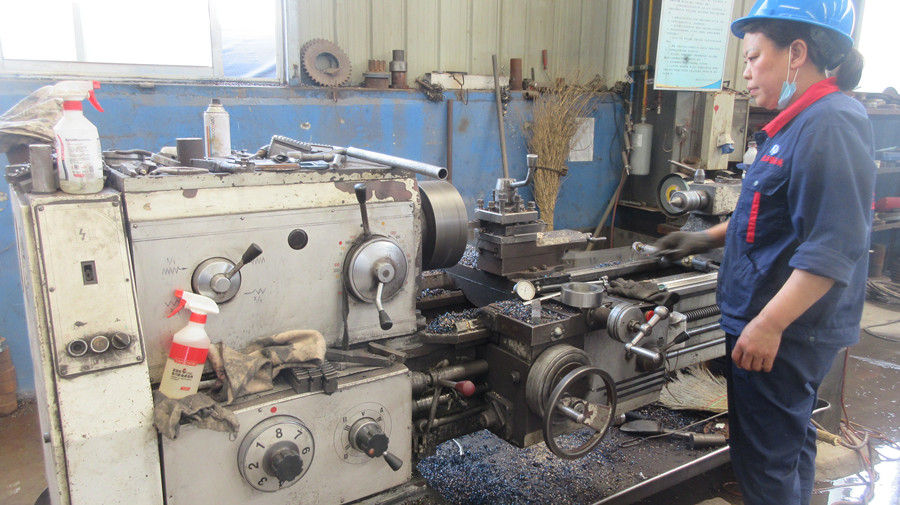
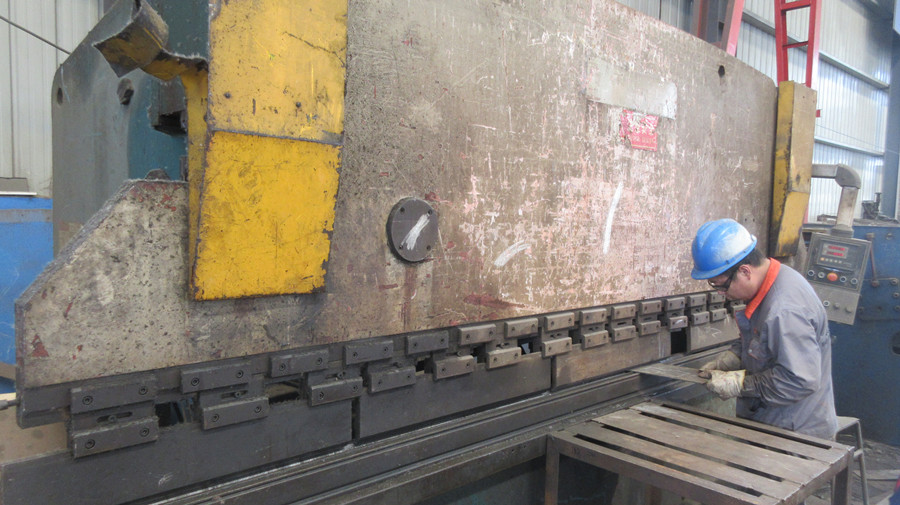
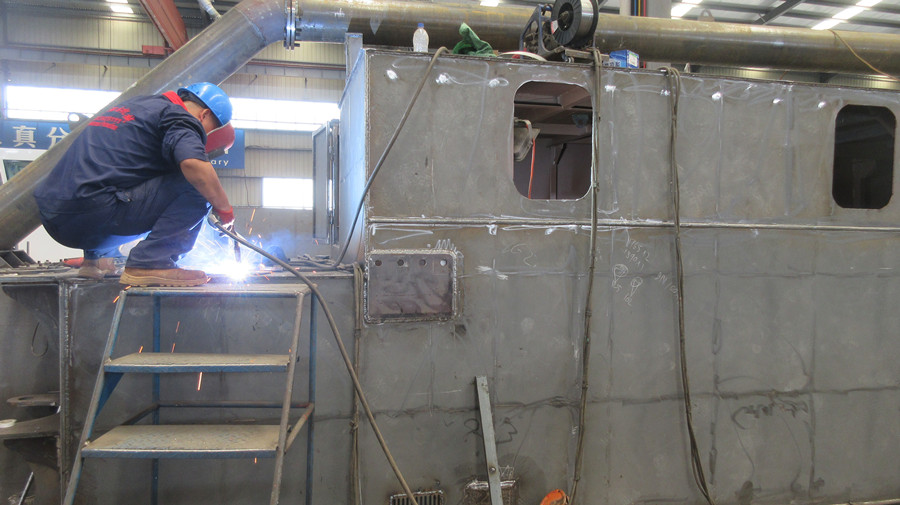
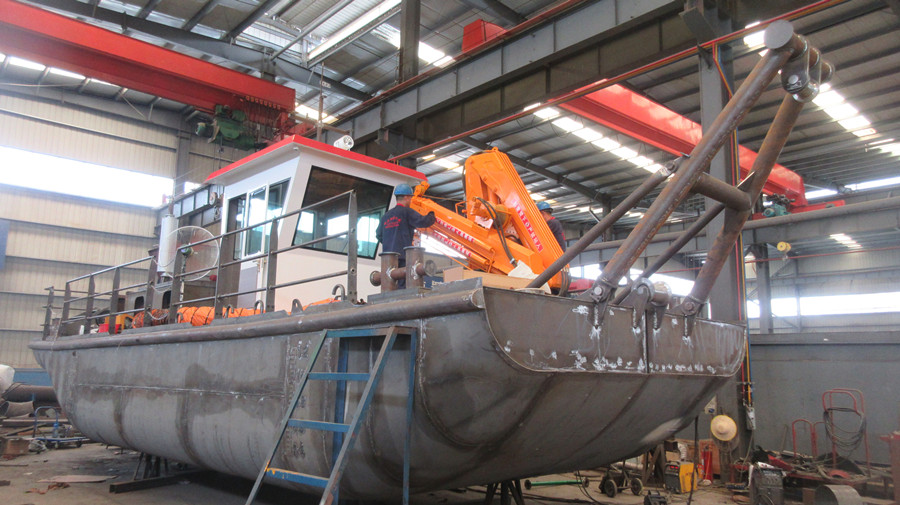
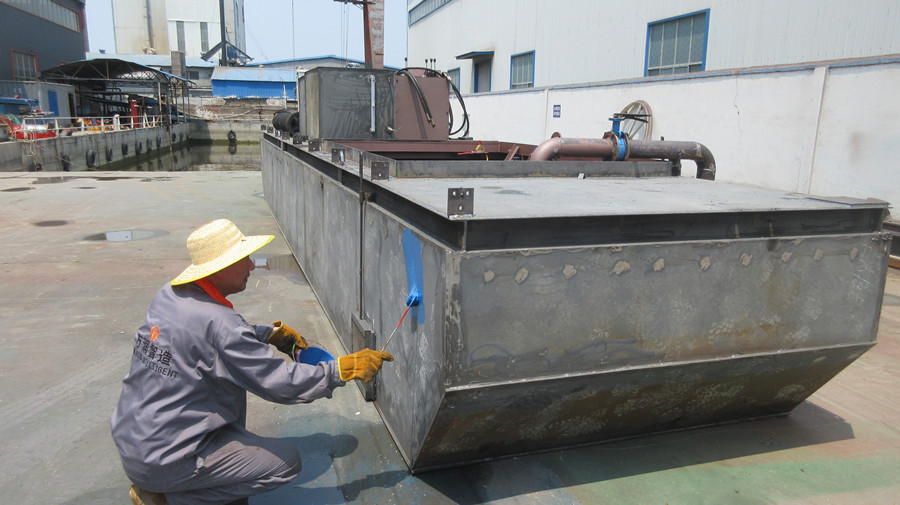
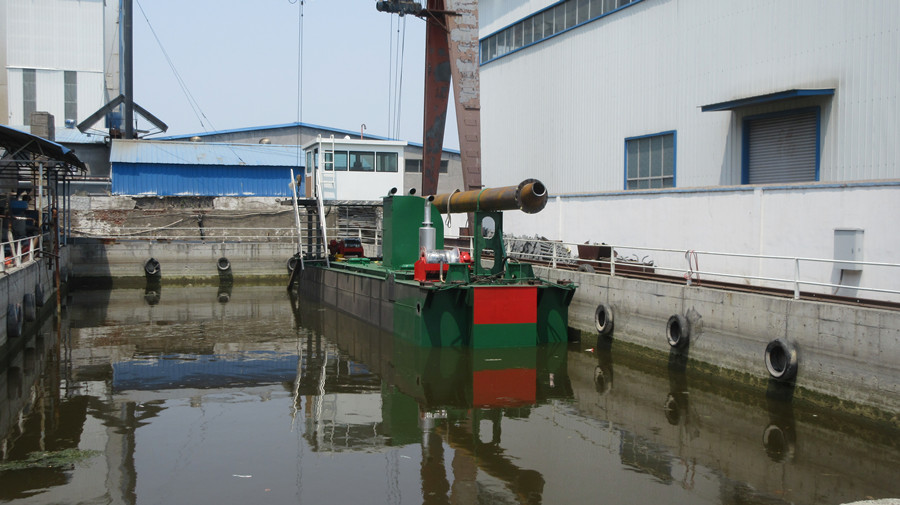
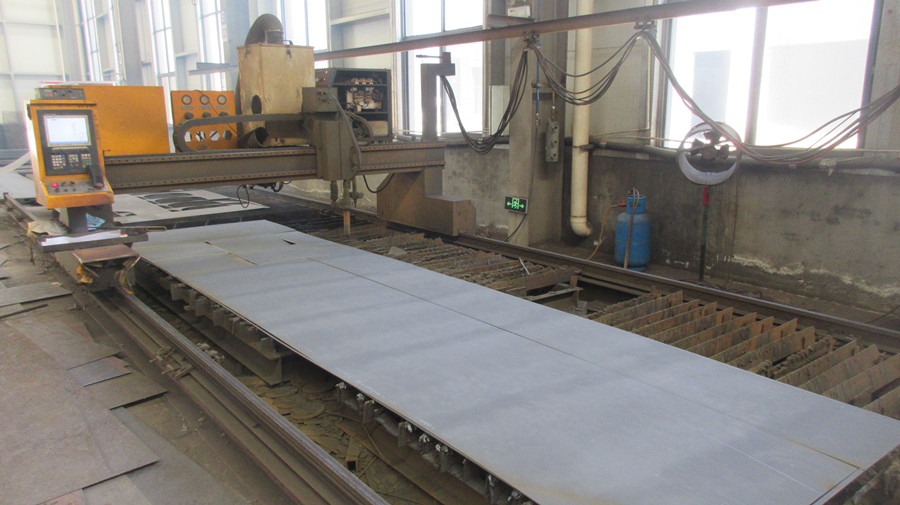
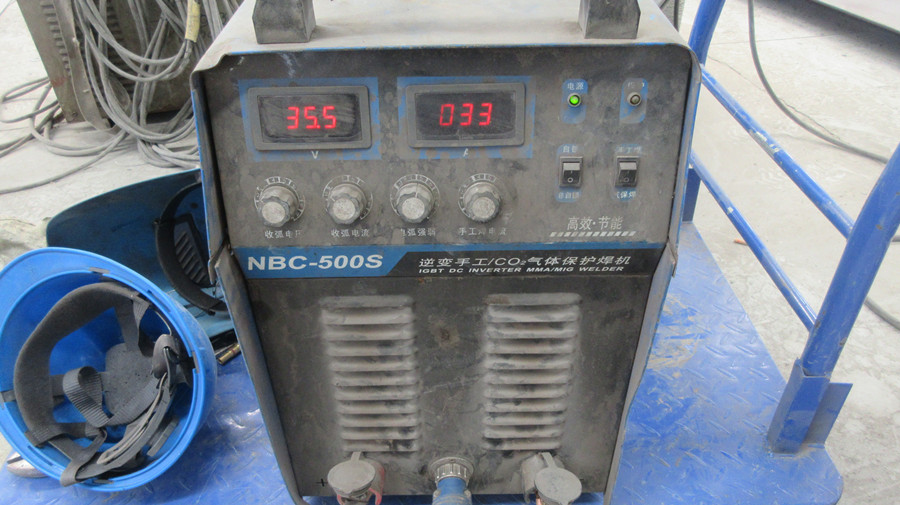
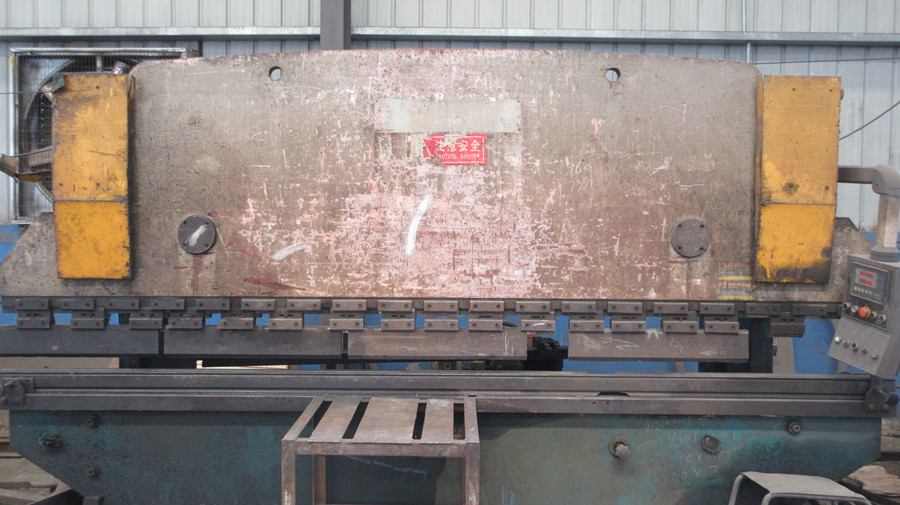
To achieve high structural performance in heavy load environments, raw sheet metal undergoes CNC-guided Bending and Cutting. High-strength structural framing is constructed via automated Welding systems to eliminate defects in joints. Following structural fabrication, the chassis or platform undergoes multi-stage anti-corrosion Painting, followed by load limits, calibration, and fatigue testing in the Testing phase. Our utilization of specialized industrial machinery—such as heavy-duty CNC Bending, Cutting, and Robotic Welding units—ensures strict dimensional accuracy, allowing components to perform reliably under demanding logistics schedules.
A successful last-mile logistics model requires integrating hardware with professional freight services. Modern multi-modal supply chains must balance three key operational pillars:
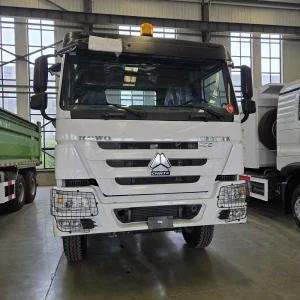
Integrating heavy-duty cargo handling platforms, diesel tractor trucks, and industrial hydraulic freight elevators is critical for high-volume micro-fulfillment warehouses. These tools allow rapid vertical sorting and dispatch, maximizing warehouse utilization rates.
For dense urban networks, the deployment of long-range 750W 48V25Ah electric cargo bikes with digital telemetry allows delivery agents to bypass gridlock. This approach lowers carbon emissions, avoids parking fines, and maintains consistent delivery schedules.
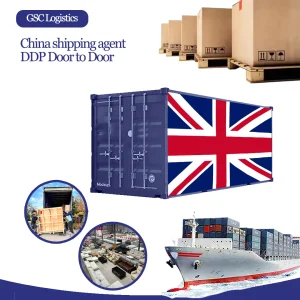
To align these assets, logistics operators coordinate with international shipping forwarders to manage import customs clearance, DDP (Delivered Duty Paid) compliance, and warehousing. Linking raw production capacity with reliable freight solutions helps enterprises mitigate transit risks and maintain cargo integrity.
Cross-border logistics requires managing complex international customs regulations. Importers must navigate varying tariff frameworks, strict local safety requirements, and complex customs documentation. Partnering with a logistics provider that maintains domestic warehousing and established DDP clearance protocols is essential for avoiding customs delays.
Different regions require specific logistics strategies. For instance, shipping goods to the United States (such as the Chicago industrial region) requires compliance with FMC guidelines and customs bonds. Deliveries to the Middle East (specifically Saudi Arabia via Jeddah and Dammam ports) require SABER system registration and SASO certification. Moving cargo into South America (such as Shopee fulfillment networks in Sao Paulo, Brazil) requires managing complex local tax laws (ICMS) and DDP clearance protocols.
In European routes (servicing major logistics hubs like MAD in Spain, BRU in Belgium, and CDG/MRS in France), shipments must align with EU product directives, including CE markings and WEEE rules for electric cargo vehicles. Operating with pre-cleared LCL (Less than Container Load) and DDP air cargo solutions helps enterprises streamline their delivery timelines and protect their cargo.
The next decade of last-mile logistics will be defined by automation, green fleet electrification, and predictive AI systems. Hardware manufacturers and third-party logistics (3PL) providers are aligning to build dynamic, responsive supply chains. Below is the projected development roadmap for these key technologies:
Modern cargo fleets are integrating real-time GPS tracking, battery management system (BMS) telemetry, and payload sensors. For electric delivery vehicles, monitoring cell health, temperature, and motor efficiency helps fleet managers predict maintenance needs and extend vehicle service life.
Fulfillment structures are moving closer to end consumers. Inner-city micro-warehouses will rely on automated guided vehicles (AGVs) and high-load hydraulic cargo lifts to handle multi-level vertical inventory sorting without manual intervention, decreasing fulfillment times.
AI dispatch platforms will integrate with municipal traffic management systems, weather tracking, and parcel weight sensors. This integration will dynamically route electric cargo fleets, adjusting delivery priorities in real time to optimize energy efficiency and dispatch speeds.
Procuring logistics hardware and managing international shipping routes requires a structured risk-mitigation framework. To maintain supply chain continuity, procurement officers should evaluate potential suppliers against several key operational benchmarks:
Delivered Duty Paid (DDP) arrangements place the responsibility for import customs clearance, international duties, local taxes, and final delivery logistics on the logistics provider. This minimizes shipping delays at import ports and eliminates unexpected import expenses for the buyer.
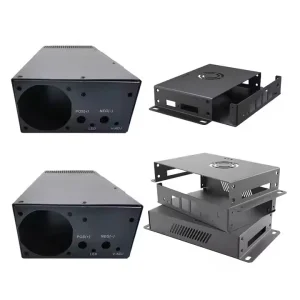
Automated fabrication uses CNC bending and robotic welding to achieve precise mechanical tolerances (within +/- 0.1mm). This accuracy prevents stress fractures in heavy cargo lift platforms, custom brackets, and vehicle frames during intensive, long-term operational use.
Lithium battery packs (such as 48V25Ah systems) are classified as Class 9 Dangerous Goods. Sourcing from factories that provide UN38.3 certified battery packs and MSDS documentation is necessary to comply with IATA (air) and IMDG (ocean) freight shipping regulations.
Industrial cargo shipped to Saudi Arabia (Jeddah or Dammam) requires registration via the SABER system. Products must pass conformity tests to receive an electronic Certificate of Conformity (eCoC), which is required to clear Saudi Customs.


 Changi Logistics