Highly customized, end-to-end logistics solutions connecting China's industrial hubs to worldwide distribution networks.
Global trade paradigms in the post-pandemic era require more than simple transactional interactions between buyers and sellers. Today, China wholesale procurement solutions are characterized by multi-tiered, highly integrated structures that blend advanced manufacturing capabilities with sophisticated logistics architecture. When multinational corporations seek to import goods from Chinese factories and exporters, they are facing a complex ecosystem that demands dynamic compliance structures, quality assurance protocols, and seamless multi-modal shipping lines.
By implementing macro-industry procurement frameworks, global buyers can mitigate systemic risks associated with trade tariff volatility, shifting manufacturing epicenters, and port congestion. This whitepaper analyzes how professional freight forwarders and logistics integrators work hand-in-hand with state-of-the-art Chinese exporters. From raw materials cutting and machine assembling to complex regulatory customs clearance under DDP/DDU terms, we offer a comprehensive view of how to optimize international supply chains for maximum resilience, reliability, and cost-efficiency.
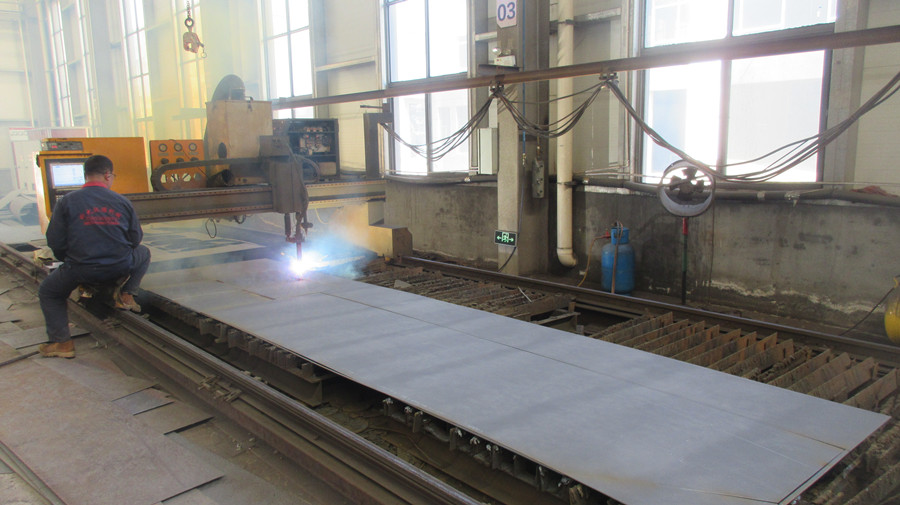
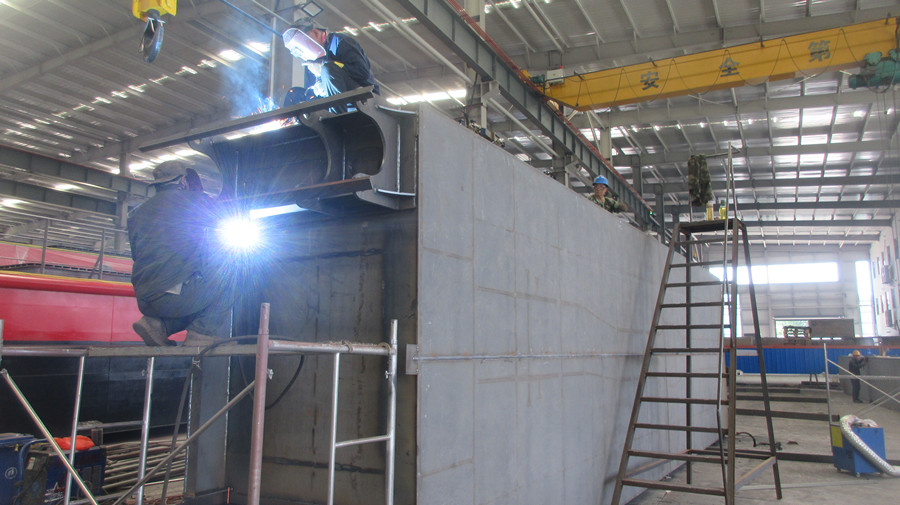
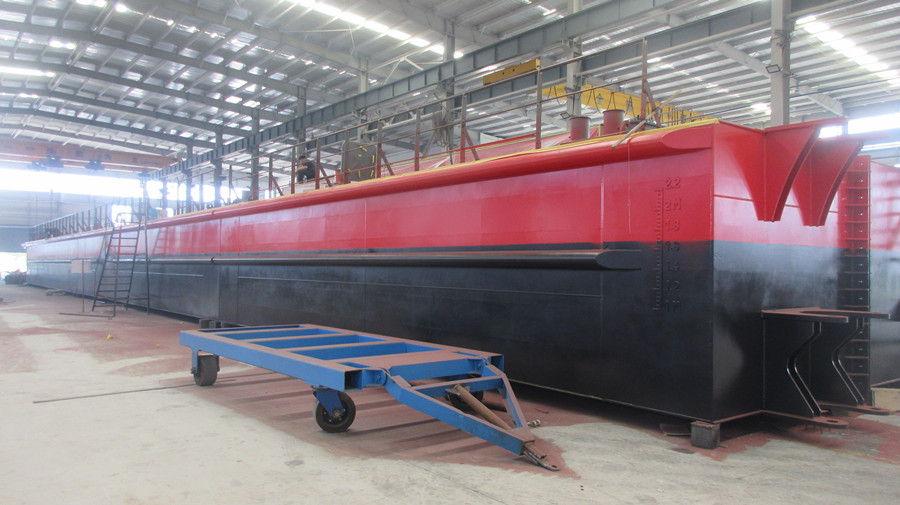
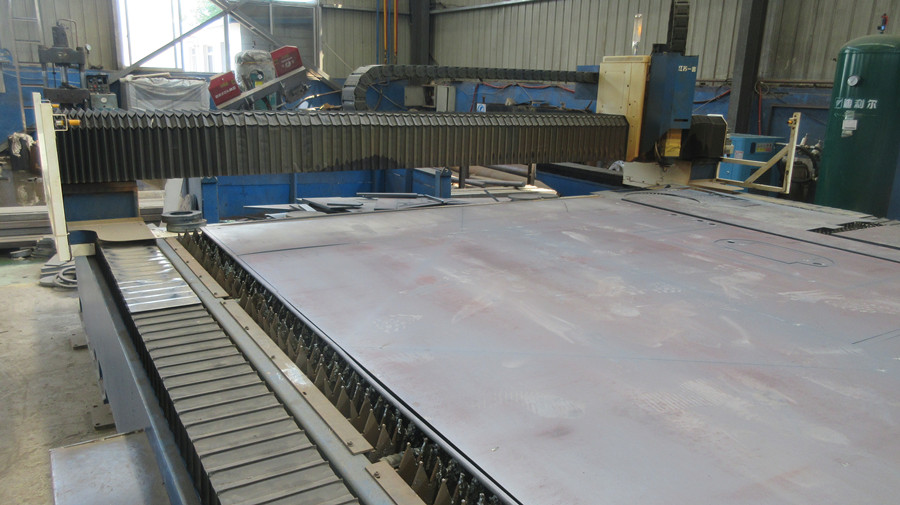
Modern Chinese manufacturing has evolved from basic assembly tasks to highly automated, smart industrial plants—often referred to as Factory 4.0. By implementing cyber-physical systems, precision CNC machining, and automated logistics handling, exporters guarantee high dimensional accuracy and consistency across bulk orders. This rigorous production sequence ensures that every container product, heavy project component, and electric delivery vehicle meets global safety and operational benchmarks.
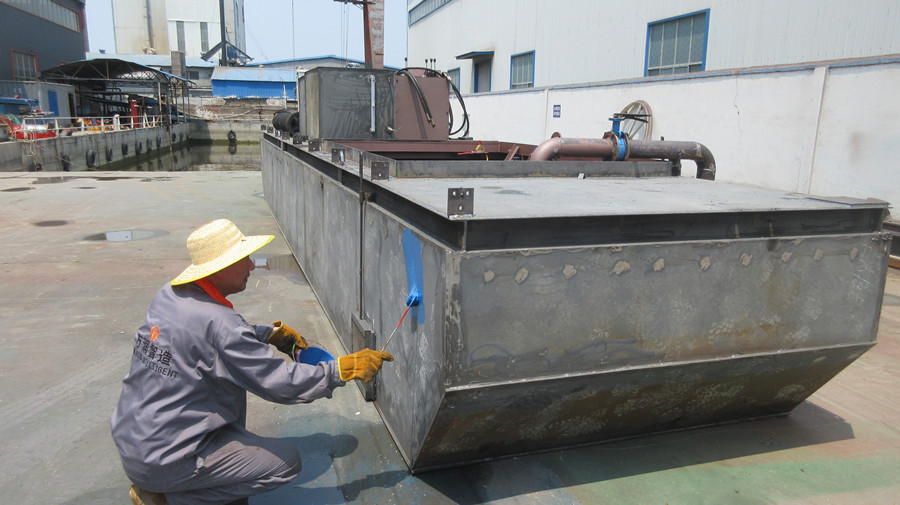
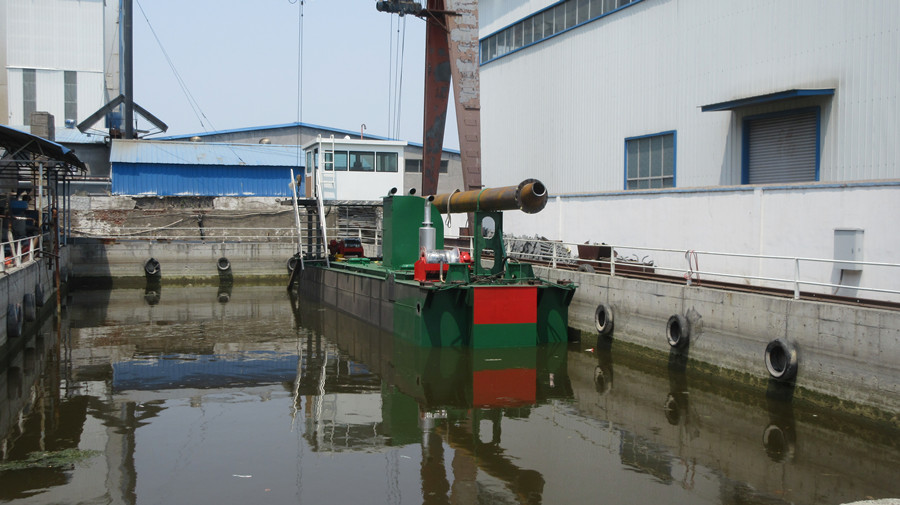
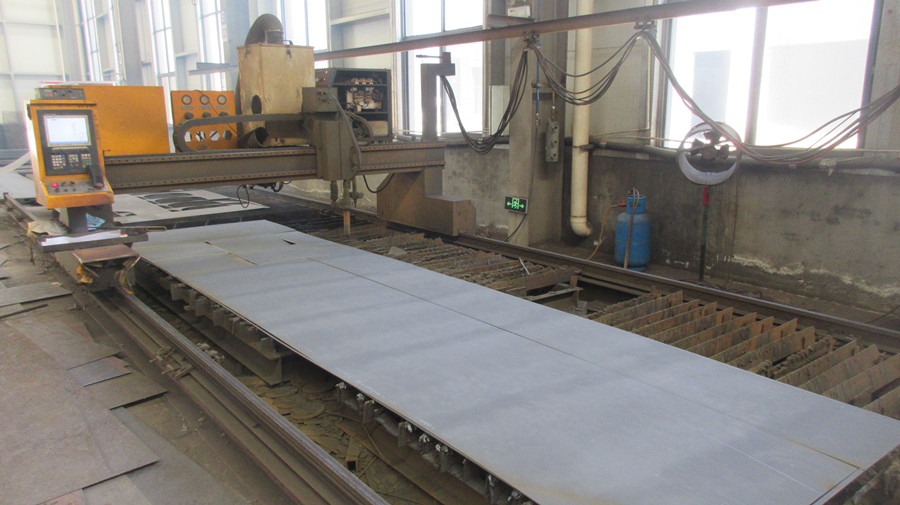
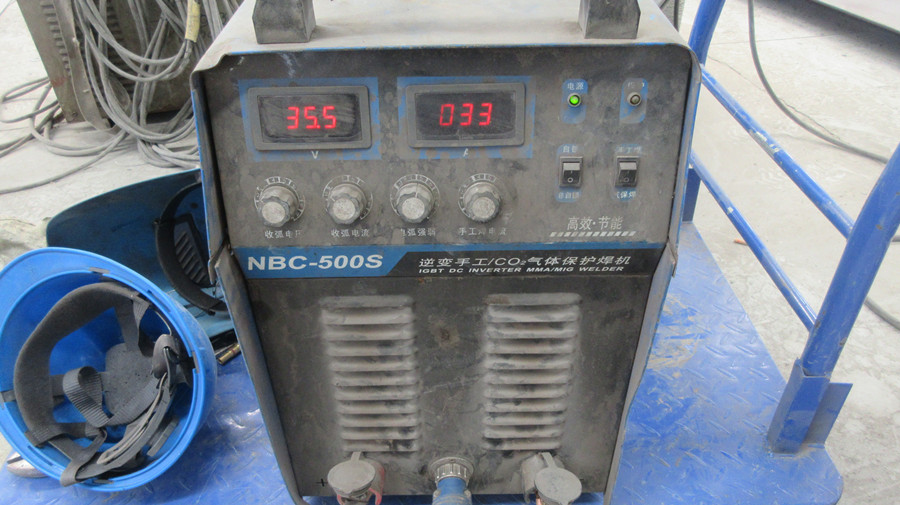
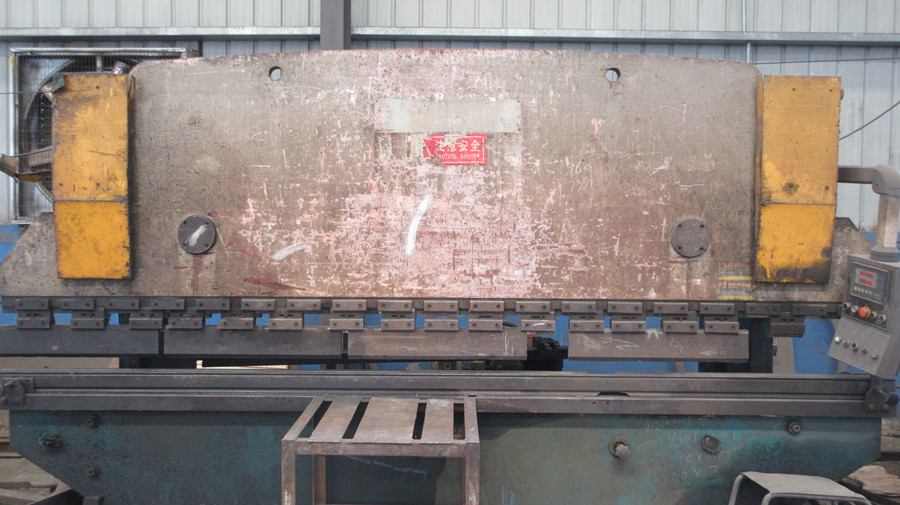
Our integrated partner factories deploy standardized, audit-ready operational procedures. Whether producing heavy transport containers, customizable diesel generators, or high-capacity reefer systems, every component undergoes strict verification steps including laser cutting, robotic welding, heavy bending, precision machining, structural assembly, surface painting, and final load testing. Below is an overview of the critical phases within this advanced manufacturing and engineering chain:
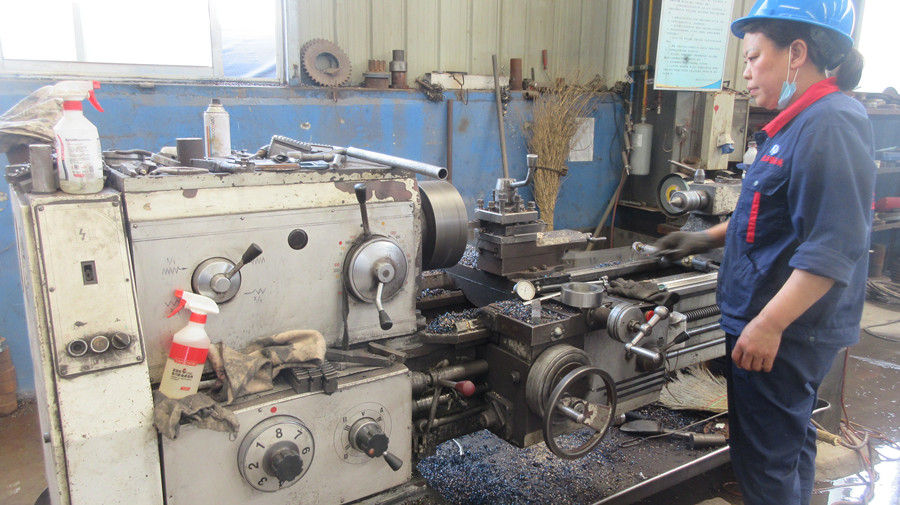
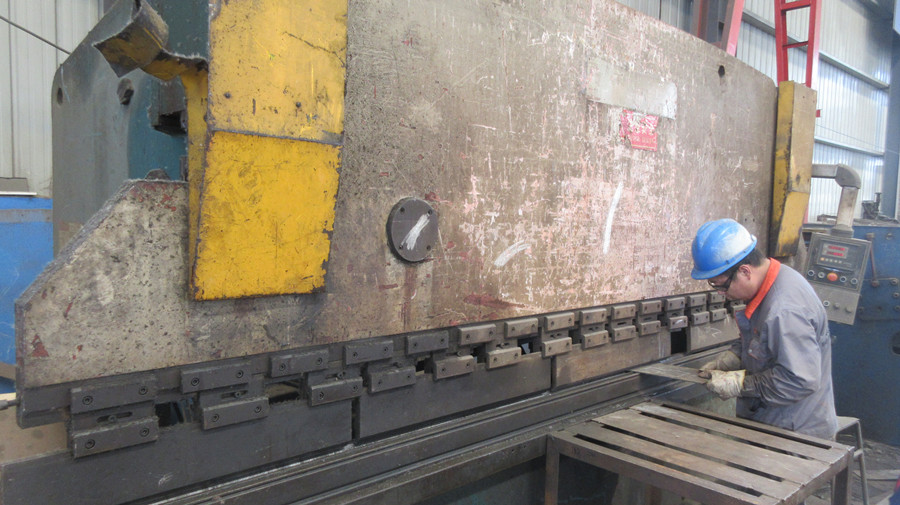
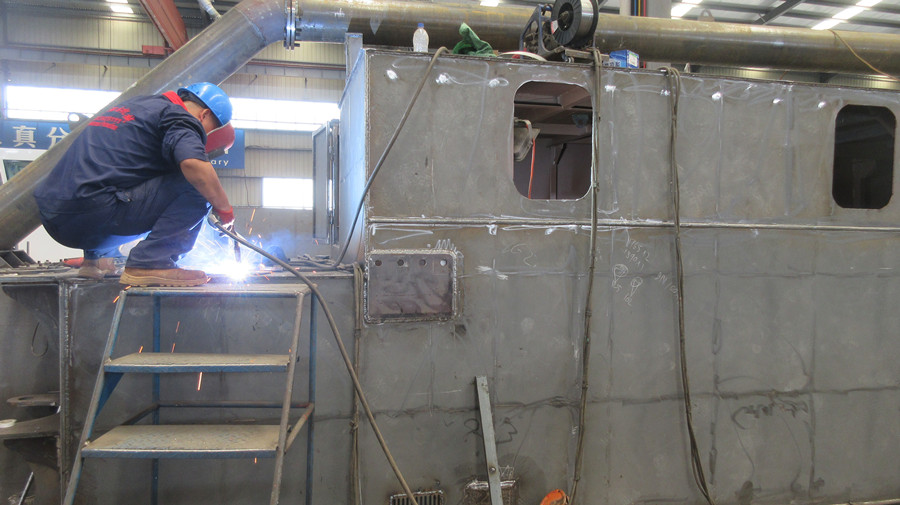
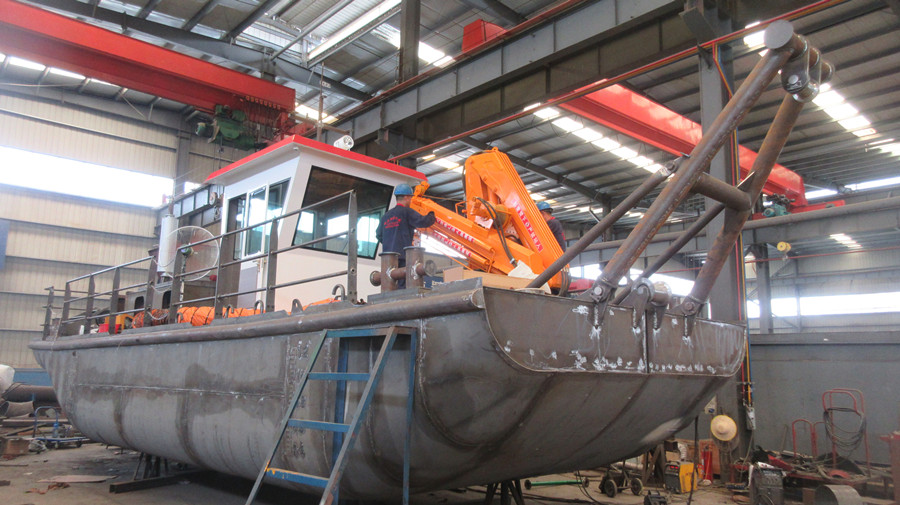
Guangdong Changi Logistics Co., Ltd. is a comprehensive logistics enterprise established in 2018, specializing in international freight forwarding and integrated supply chain solutions. The company is committed to providing efficient, reliable, and customized logistics services for global trade and cross-border e-commerce clients.
Our core services include international sea freight, air freight, rail transportation, multimodal transport, warehousing, customs clearance, and end-to-end supply chain management. With a strong global agency network and advanced digital logistics systems, we deliver cost-effective and time-efficient solutions to customers across various industries.
Company History: Founded in 2018, Guangdong Changi Logistics Co., Ltd. has grown alongside the rapid expansion of global trade and the rise of cross-border e-commerce. Starting as a traditional freight forwarding service provider, the company has evolved into a full-service logistics and supply chain solutions provider. Over the years, we have continuously enhanced our operational capabilities by integrating intelligent logistics management systems and real-time tracking technologies. These improvements have significantly increased service efficiency, transparency, and customer satisfaction, enabling us to become a competitive independent logistics provider in the industry.
Our Vision & Mission: Our vision is to become a leading global logistics and supply chain partner, driven by innovation and powered by technology. We aim to build a smarter, greener, and more efficient global logistics network that enables seamless international trade and sustainable business growth for our clients.
At Guangdong Changi Logistics Co., Ltd., we are committed to delivering long-term value to our clients through innovative logistics solutions and professional service excellence. Our mission is to:
We believe logistics is more than transportation—it is the foundation that connects global commerce and drives business success.
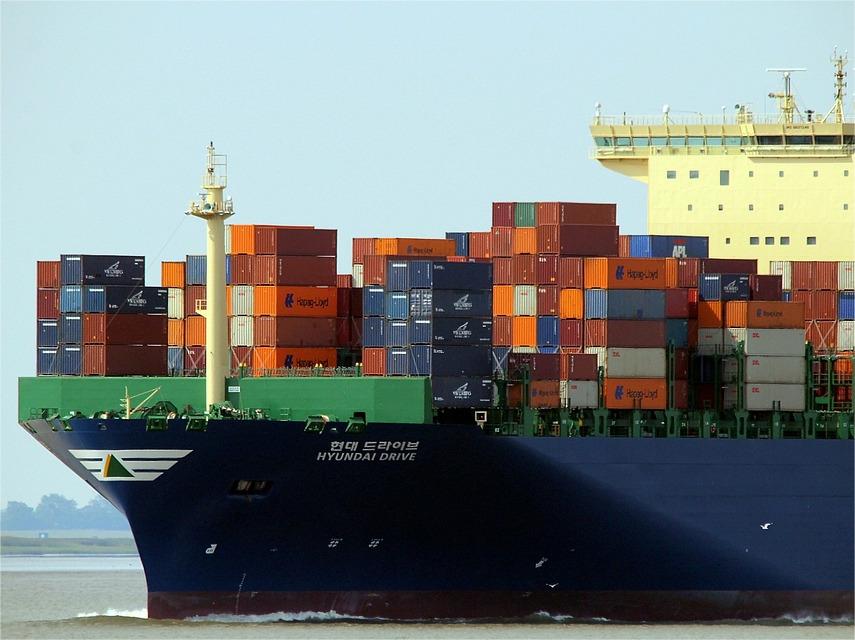
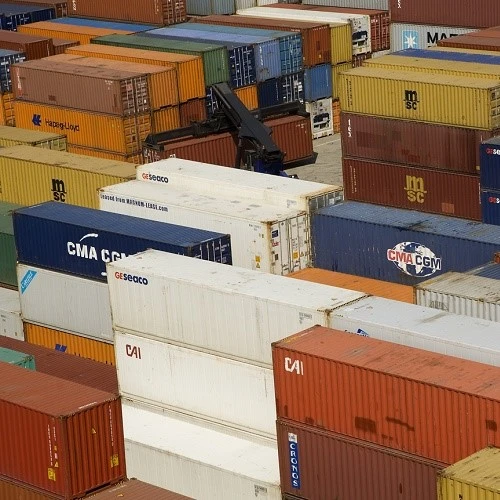
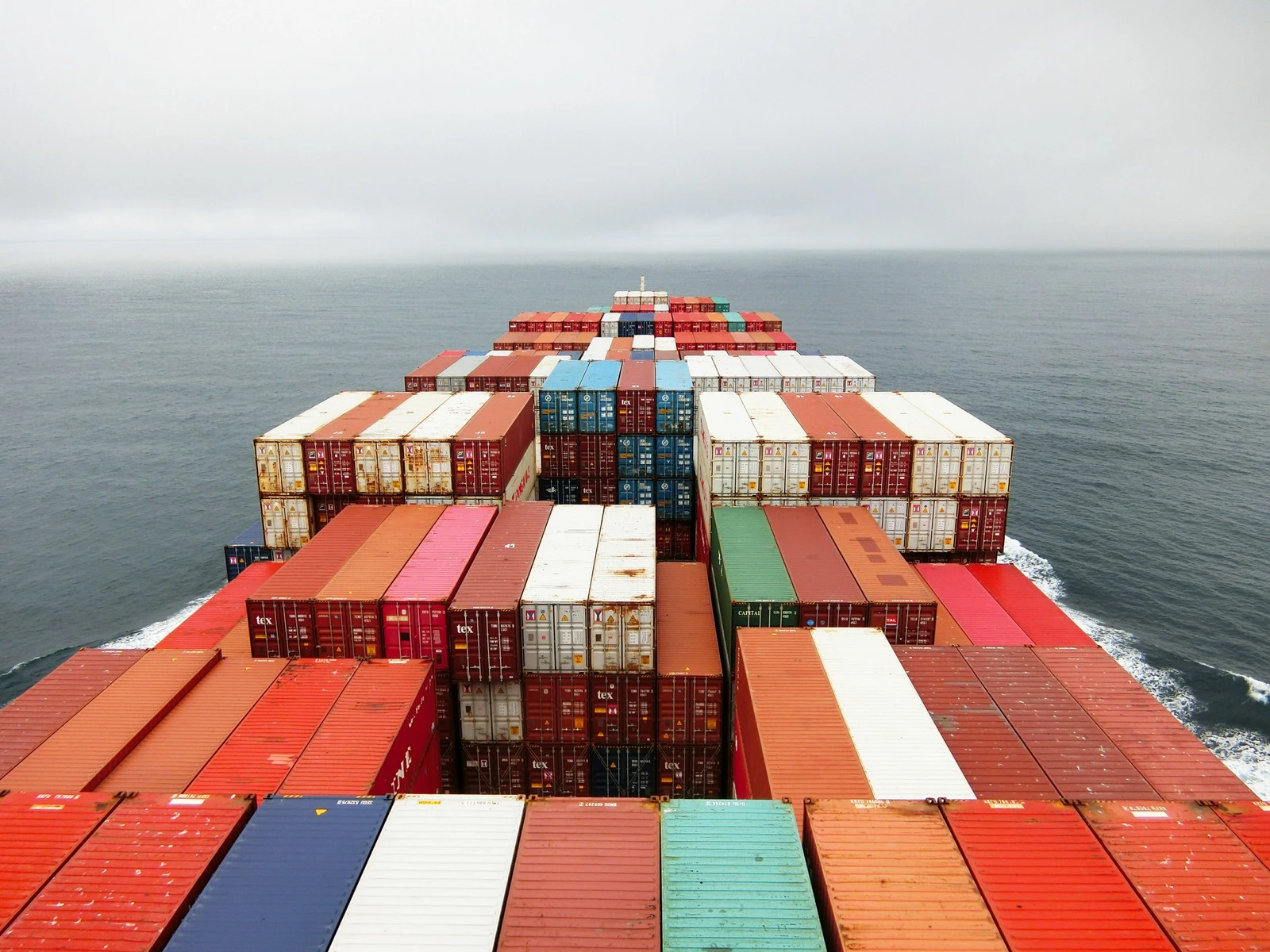
The future of international trade logistics hinges on full visibility, carbon reduction, and artificial intelligence. Over the next five years, the industry is transitioning from reactive logistics models to predictive supply chain architectures. By integrating Internet of Things (IoT) sensors into shipping containers (particularly reefer containers), operators can monitor temperature shifts, mechanical load impacts, and real-time transit points, ensuring cargo integrity.
Utilizing machine learning models to analyze weather patterns, port congestion, and regional tariffs, ensuring that multimodal transshipments (like Sea+Rail routes) bypass delays while reducing carbon outputs.
Real-time updates on internal container humidity, ventilation, and diesel generator performance. This minimizes temperature excursions during trans-Pacific or Eurasian overland freight runs.
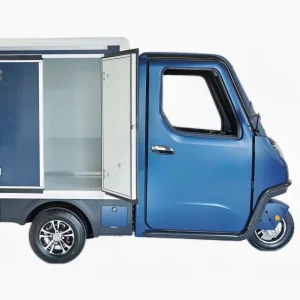
Expanding the use of electric pick-up trikes and temperature-controlled cargo vans. This offsets urban emissions and helps importers meet global Scope 3 ESG targets.
Large-scale retail chains, e-commerce giants, and engineering projects demand distinct logistical and manufacturing capabilities. Unlike standard wholesale orders, enterprise-level buyers require rigorous risk management, strict regulatory alignment, and highly flexible freight volumes. Ensuring stable supplier capabilities and navigating customs hurdles is essential to prevent costly port delays or factory shutdowns.
To address these critical requirements, our supply chain solutions are divided into four main pillars:
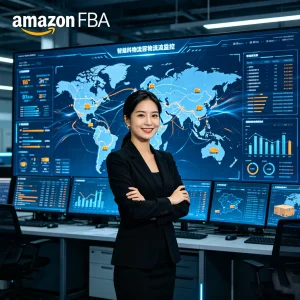
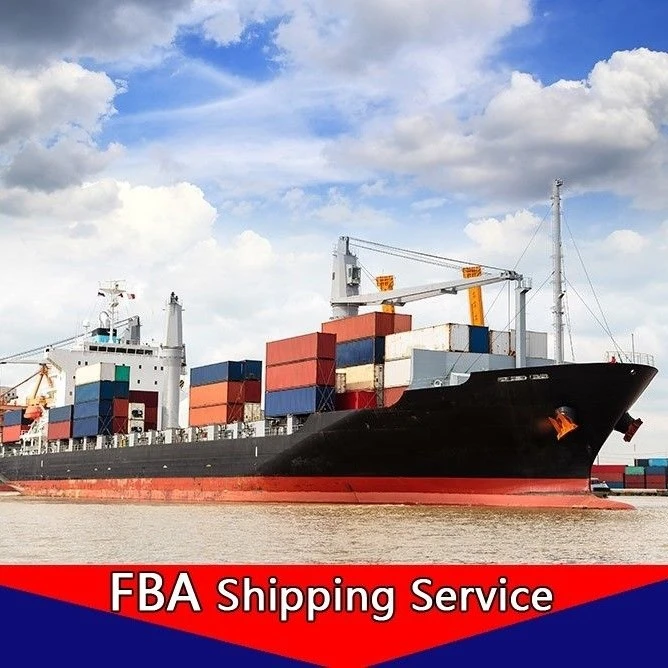
Removing international customs complexity for Amazon FBA merchants and B2B buyers. We manage import filings, customs bonds, local harbor drayage, and last-mile trucking under single-invoice agreements.
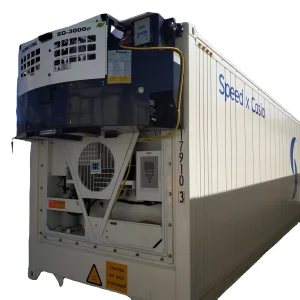
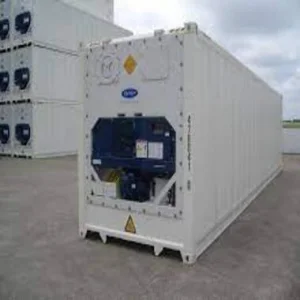
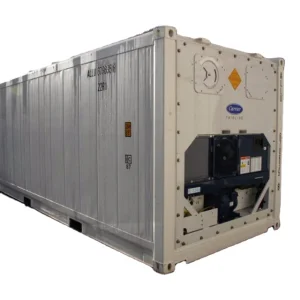
Securing temperature-sensitive materials, pharmaceutical ingredients, and perishables. We supply brand-new or inspected used 40ft HC reefers complete with backup diesel generators.
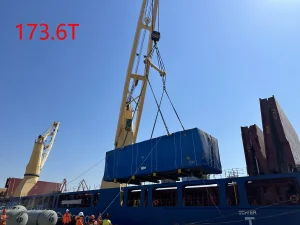
Managing oversized cargo, machinery parts, and infrastructure components. We utilize specialized sea + rail links and chartered air freight to bypass standard supply chain disruptions.
Minimizing defect ratios by conducting factory audits directly at the production site. We check raw metal cutting, robotic weld strength, assembly fitment, and paint adhesion before loading.
Navigating customs regulations at ports of origin and destination remains one of the largest obstacles in global sourcing. When importing from China, minor discrepancies in HS classifications, missing product certificates, or incorrect tariff declarations can lead to container seizures, heavy port storage fees, or legal penalties. Working with a customs broker that understands destination port requirements is crucial to maintaining supply chain flow.
Furthermore, local administrative support, contract drafting in dual languages (Chinese and English), and secure escrow payments help build long-term trust between buyers and manufacturers. By establishing rigorous factory audit guidelines, validating import declarations (such as FDA, EPA, and CE requirements), and working with certified trade entities, global enterprises can safely establish procurement hubs in China while ensuring full compliance with domestic and international trade laws.
Clear answers to crucial questions about international logistics, customs, container selection, and factory audits.
Under FOB (Free on Board), the seller is responsible for cargo costs and clearance until the goods are loaded onto the vessel at the port of origin; the buyer takes over shipping fees and insurance. CIF (Cost, Insurance, and Freight) requires the exporter to cover ocean transport and base insurance to the destination port, though risk transfers once loaded. DDU (Delivered Duty Unpaid) means the shipping agent brings the cargo to your door, but you are responsible for paying import customs duties. DDP (Delivered Duty Paid) provides a hassle-free, door-to-door option where the logistics agency handles all shipping, customs clearing, and local tax duties, leaving you to simply receive the goods.
Maintaining temperature stability requires choosing a modern refrigerated container equipped with a built-in electric cooling unit, alongside a self-powered diesel generator (genset). The generator ensures the refrigeration unit remains operational when moving via rail or over long truck routes where direct terminal electrical hookups are unavailable. Automated remote monitoring systems trace moisture, airflow, and temperature settings in real time, alerting operations staff to any changes.
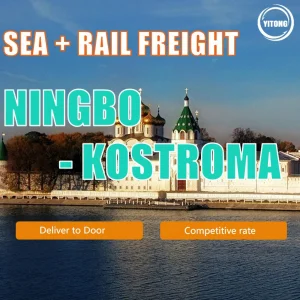
Sea + Rail multimodal routes offer a balanced alternative to slower, all-water ocean freight and expensive air shipping. This approach is highly effective for landlocked hubs or inland destinations (such as Kostroma). By using rail connections from major coastal terminals, shippers bypass crowded ports and cut total transit times by 30% to 50% compared to pure sea routes, while keeping freight rates competitive.
IP protection starts with working with verified factories and registering your trademarks locally in China. Importers should draft NNN (Non-disclosure, Non-use, Non-circumvention) agreements written in both English and Chinese, governed by Chinese courts. This ensures direct, local enforceability. Splitting assembly processes across different suppliers also helps keep proprietary designs secure.
Standard documentation includes a Commercial Invoice, a Detailed Packing List, the Bill of Lading (B/L), and a signed Customs Power of Attorney (POA). Depending on the cargo, you may also need specialized compliance certificates such as EPA files, FDA approvals, CE markings, or phytosanitary certificates. Working with an integrated customs broker prevents clearance delays.
Explore our specialized cargo units, air shipping solutions, and modern vehicles designed for last-mile delivery.
 Changi Logistics