Explore our highly integrated intermodal shipping channels, combining rail, sea, air, and last-mile trucking to provide optimal global transit times and budget-friendly supply chain solutions.
In the current era of volatile maritime freight rates, shifting geopolitical alignments, and stringent environmental regulations, the demand for resilient and dynamic supply chains has reached unprecedented levels. Intermodal freight services—which utilize multiple modes of transportation (such as rail, ocean, and road) without any handling of the freight itself when changing modes—have transitioned from a cost-saving alternative to an absolute strategic necessity.
Industries worldwide, ranging from automotive manufacturing to fast-moving consumer goods (FMCG) and cross-border e-commerce, face the continuous challenge of balancing speed-to-market with operational expenditures. Traditional unimodal shipping, while straightforward, often subjects cargo owners to severe bottlenecks at ports or rail terminals. Intermodal networks bypass these constraints by offering modular cargo shifting. For instance, when deep-sea ports encounter structural delays, a seamless transition from sea to rail (such as the Sea-Rail Intermodal corridors connecting the Asia-Pacific to Europe via Eurasian routes) ensures supply chain continuity.
Moreover, the global push toward ESG (Environmental, Social, and Governance) compliance is driving a modal shift. Rail transport, a key pillar of intermodal systems, generates up to 75% fewer greenhouse gas emissions than long-haul trucking over equivalent distances. By combining the efficiency of long-haul rail or ocean voyages with the precise targeting of last-mile road freight, modern shippers are achieving substantial carbon reductions without sacrificing transit speed.
China stands as the undisputed global epicenter of logistics engineering and manufacturing throughput. This status is backed by massive capital investment in port automation, high-speed cargo rail networks, and integrated multimodal consolidation zones. When global buyers contract with a China wholesale intermodal services supplier, they tap into an ecosystem optimized for high-volume, rapid-turnaround global distribution.
From Shanghai and Ningbo-Zhoushan to Shenzhen, China’s primary ports utilize fully automated, AI-directed container terminals, reducing container dwell times to fractions of Western standards.
The China-Europe Railway Express (Yuxinou, Chang'an, etc.) links major Chinese manufacturing hubs directly to Central Asia, Eastern Europe, and Western Europe within 12 to 18 days.
China’s digitalized customs infrastructure minimizes paperwork, accelerating the cross-border transit of multimodal LCL and FCL cargo with absolute compliance.
Established in 2018, Guangdong Changi Logistics Co., Ltd. is a comprehensive logistics enterprise specializing in international freight forwarding and integrated supply chain solutions. The company is committed to providing efficient, reliable, and customized logistics services for global trade and cross-border e-commerce clients.
Our core services include international sea freight, air freight, rail transportation, multimodal transport, warehousing, customs clearance, and end-to-end supply chain management. With a strong global agency network and advanced digital logistics systems, we deliver cost-effective and time-efficient solutions to customers across various industries.
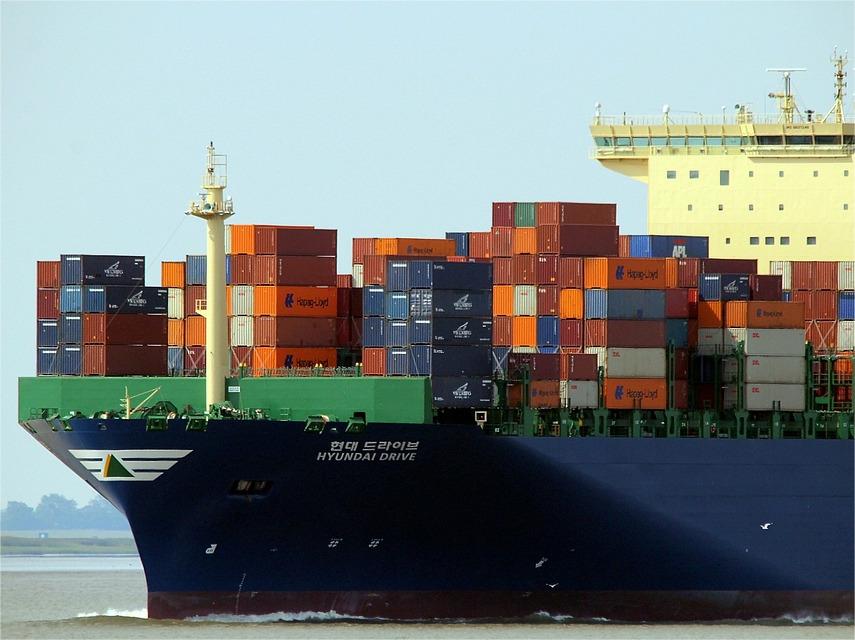
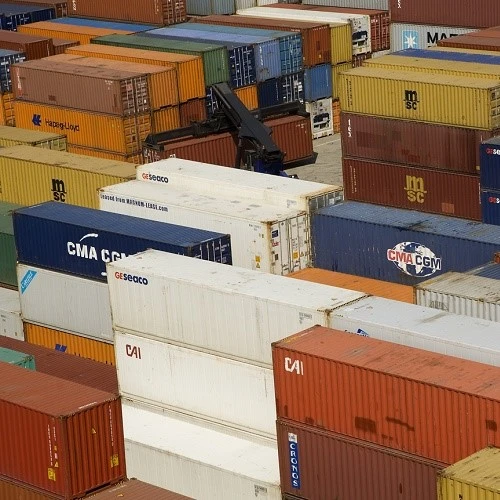
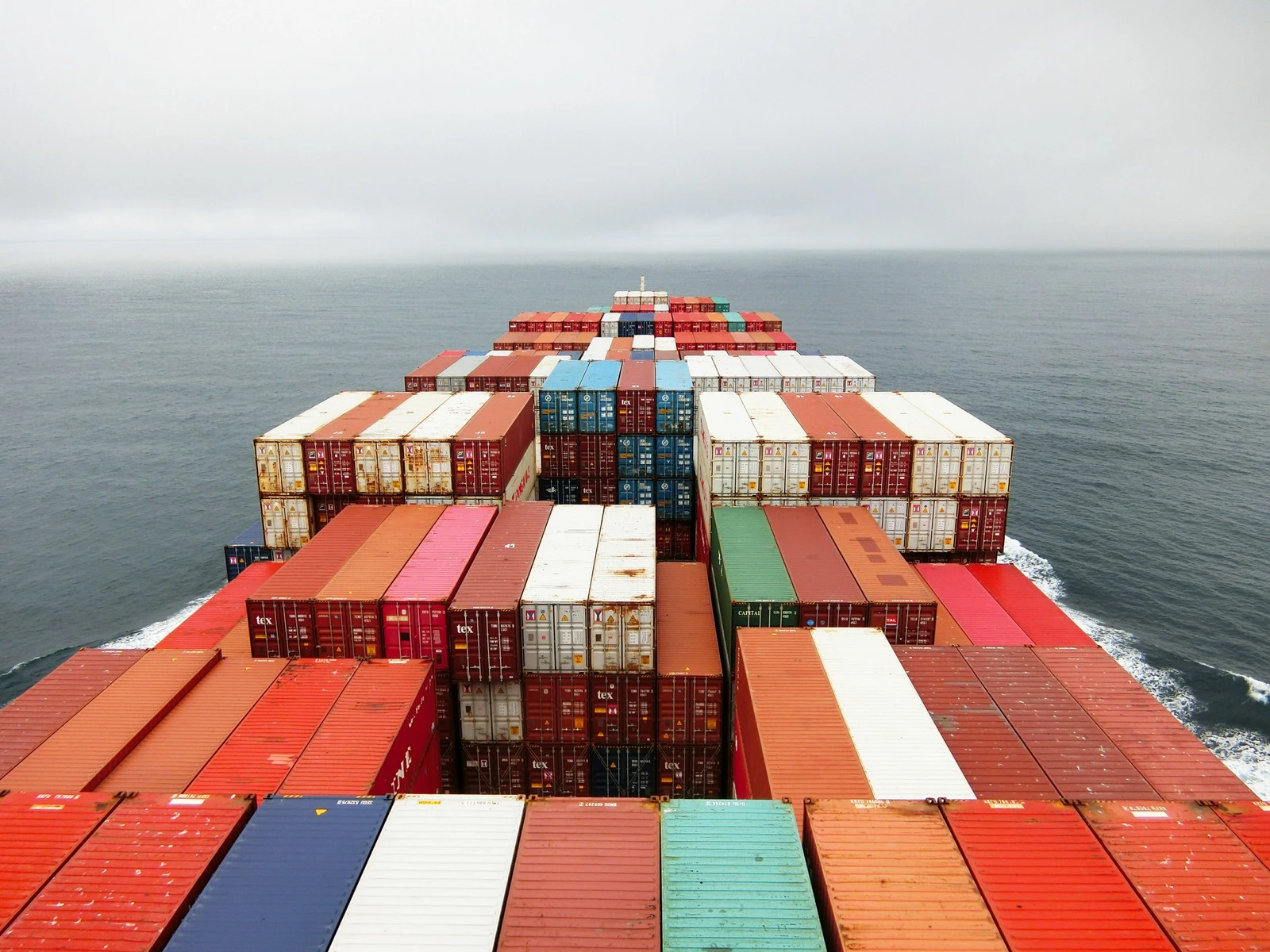
Founded in 2018, Guangdong Changi Logistics Co., Ltd. has grown alongside the rapid expansion of global trade and the rise of cross-border e-commerce. Starting as a traditional freight forwarding service provider, the company has evolved into a full-service logistics and supply chain solutions provider.
Over the years, we have continuously enhanced our operational capabilities by integrating intelligent logistics management systems and real-time tracking technologies. These improvements have significantly increased service efficiency, transparency, and customer satisfaction, enabling us to become a competitive independent logistics provider in the industry.
Our vision is to become a leading global logistics and supply chain partner, driven by innovation and powered by technology. We aim to build a smarter, greener, and more efficient global logistics network that enables seamless international trade and sustainable business growth for our clients. We believe logistics is more than transportation—it is the foundation that connects global commerce and drives business success.
At Guangdong Changi Logistics Co., Ltd., we are committed to delivering long-term value to our clients through innovative logistics solutions and professional service excellence. Our mission is to:
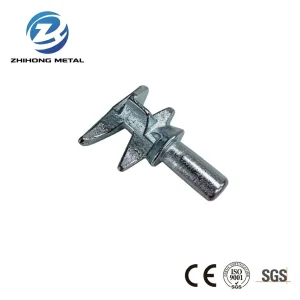
Our logistics capabilities are backed by advanced physical infrastructure manufacturing. From cold storage warehouse steel structures to high-strength container locks and accessories, we ensure the equipment used to carry your cargo is engineered to the highest global standards. Below is a breakdown of our industrial fabrication steps:
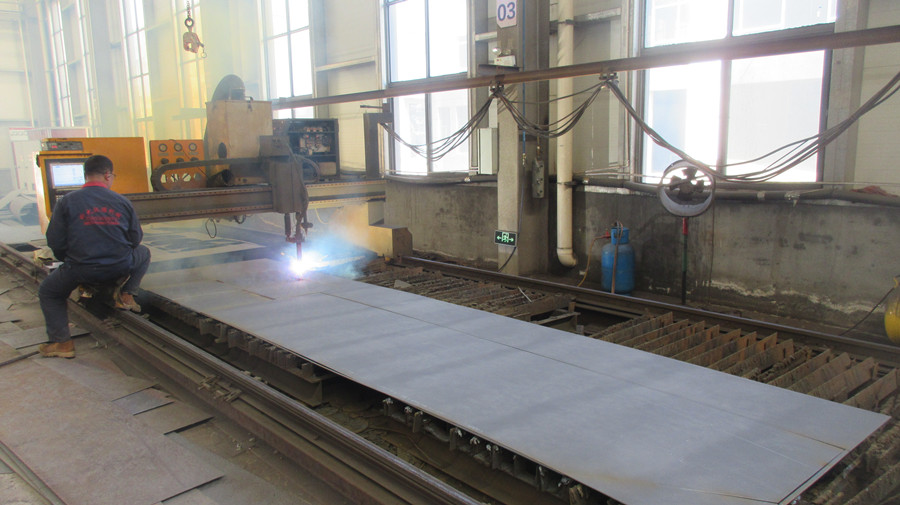
Precision CNC laser and plasma steel plate sizing.
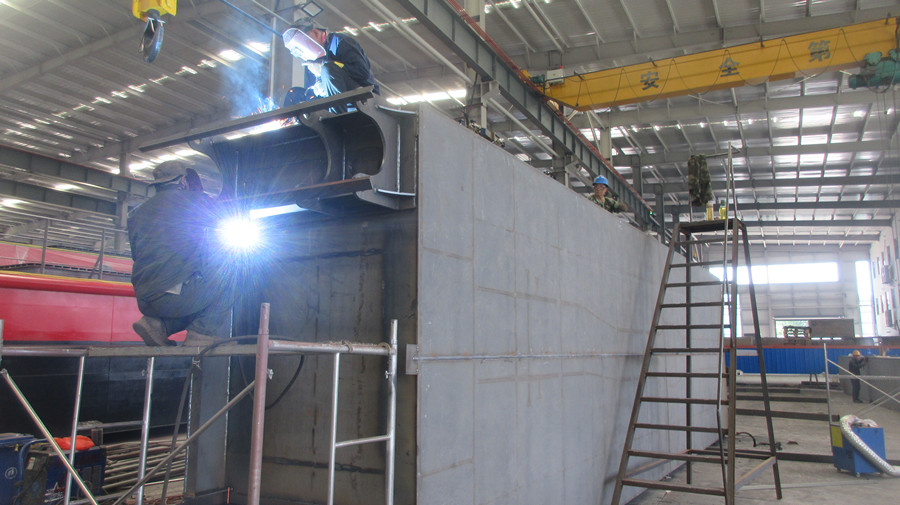
Robotic and MIG/TIG structural gas welding.
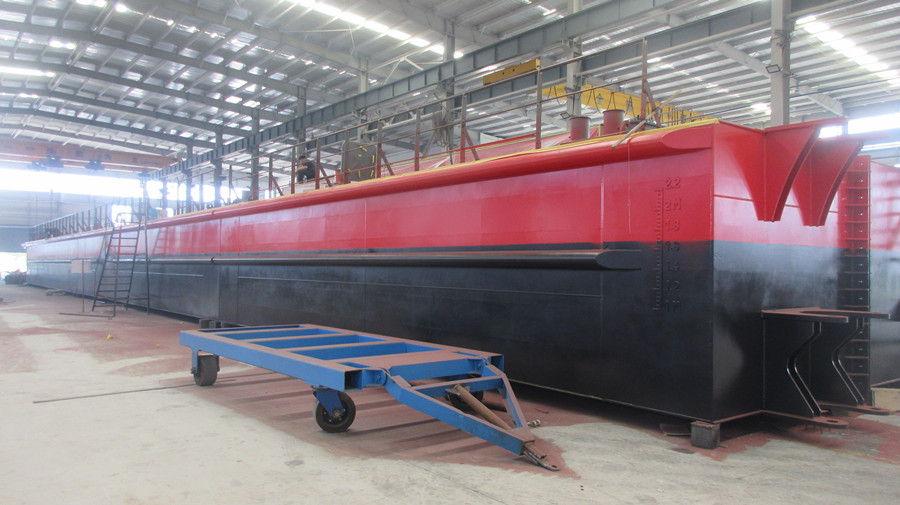
Component integration and dynamic testing.
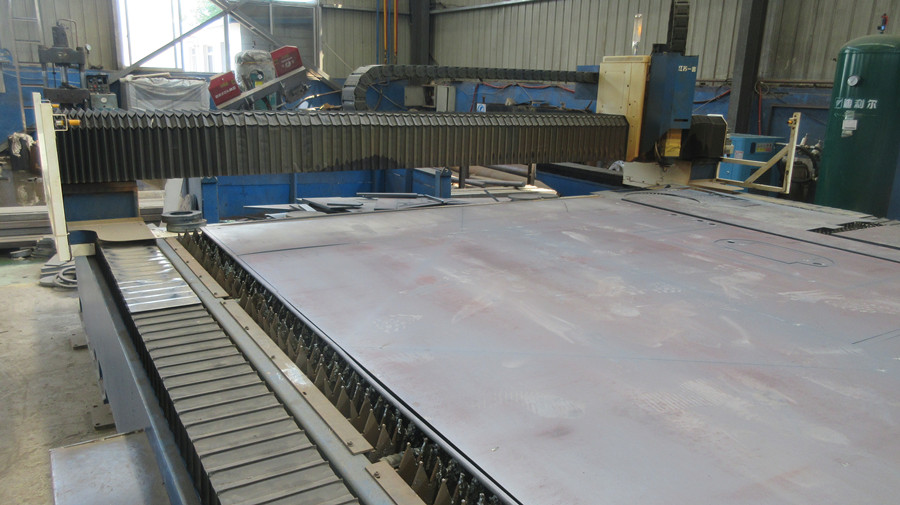
Profile raw material shearing and prep.
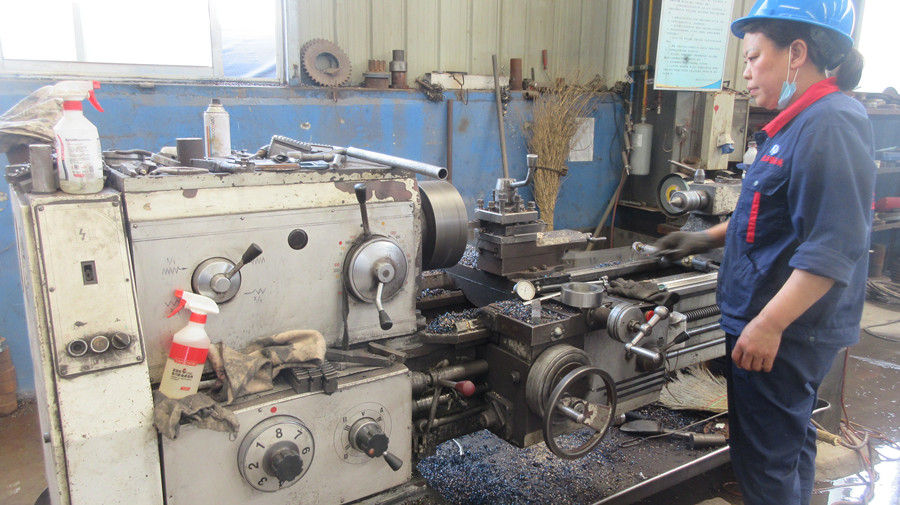
High-tolerance boring, milling, and turning.
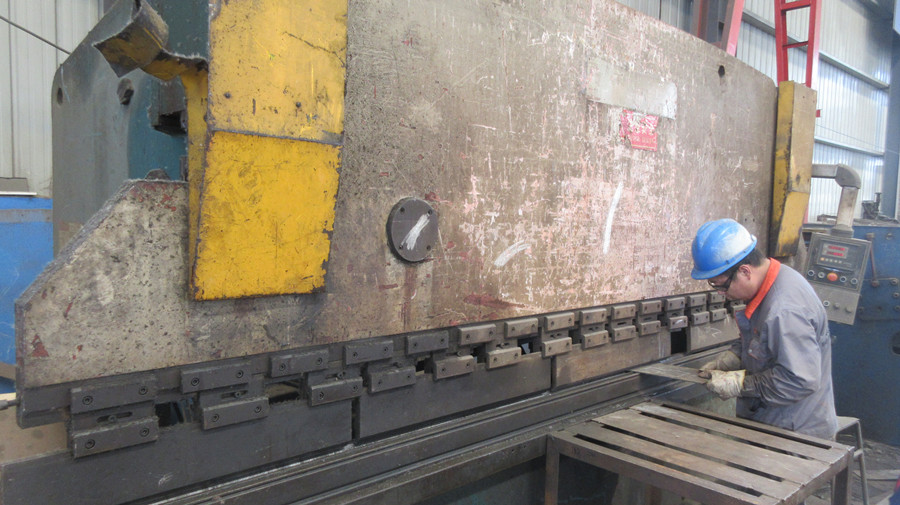
Hydraulic bending of heavy steel plates.
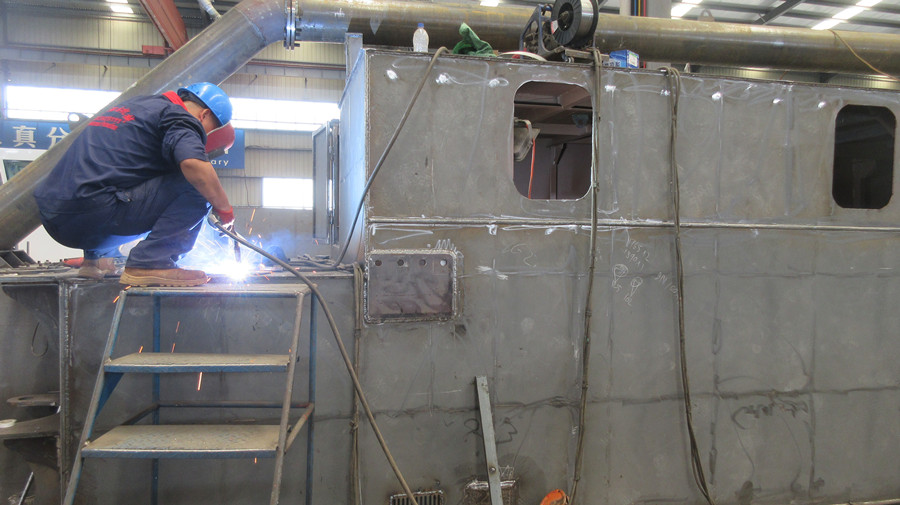
Secondary structure reinforcement and joining.
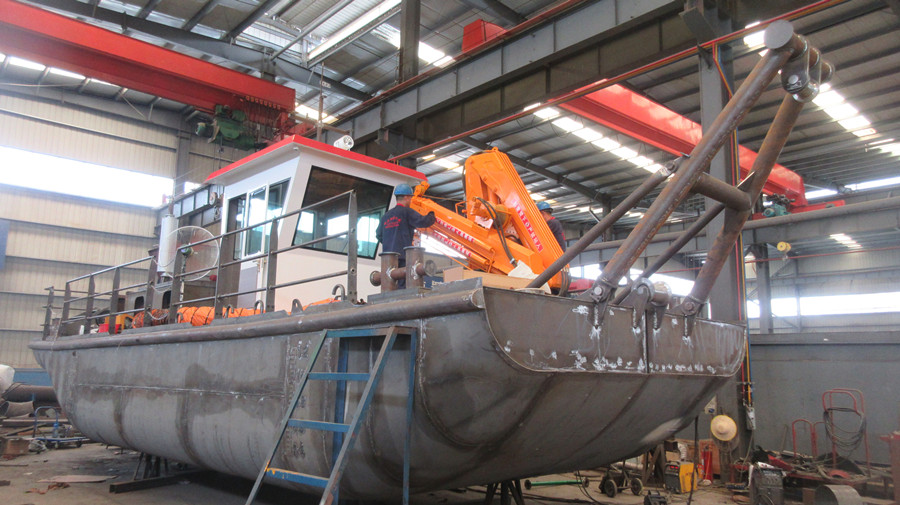
Mechanical and hydraulic part alignment.
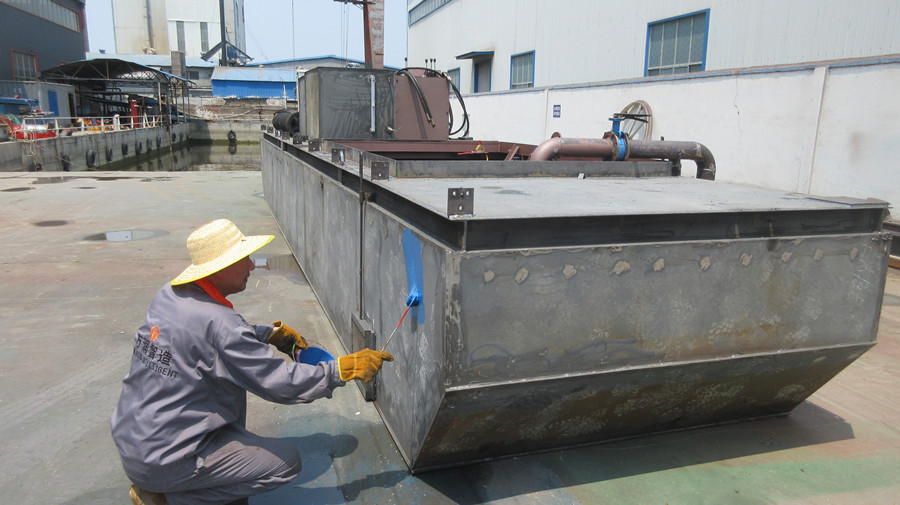
Anti-corrosive primer and top-coat spraying.
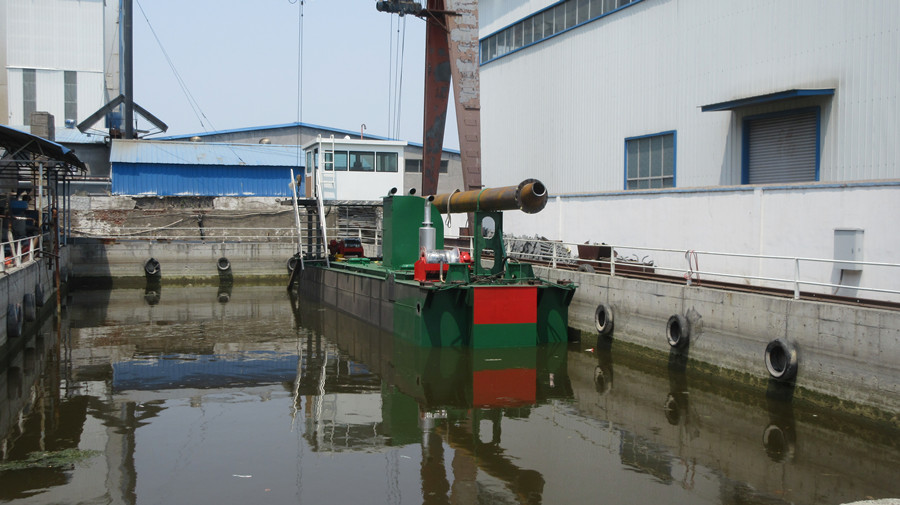
Nondestructive testing (NDT) & load tests.
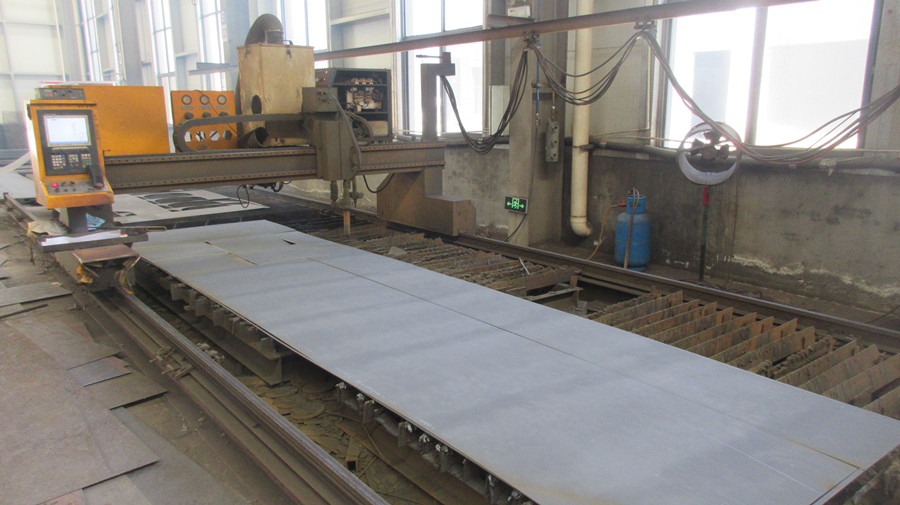
Precision high-power fiber laser setup.
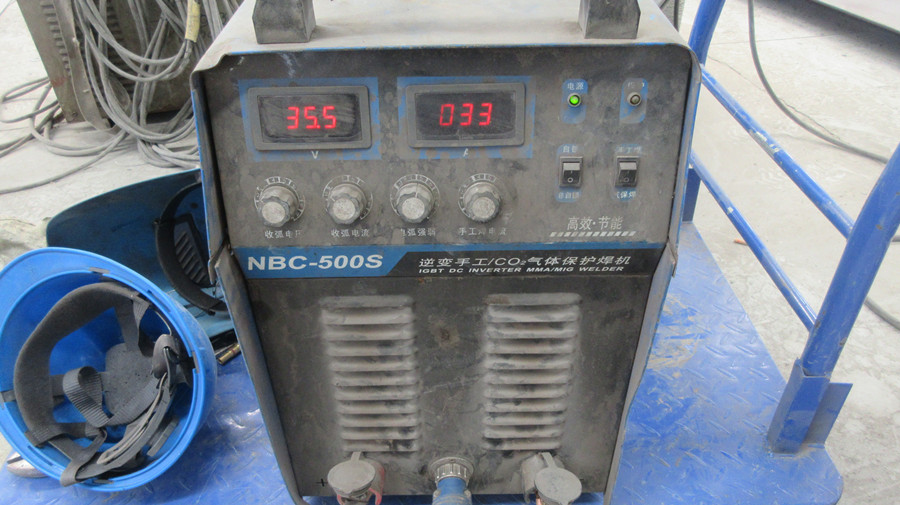
Programmable automated welding system.
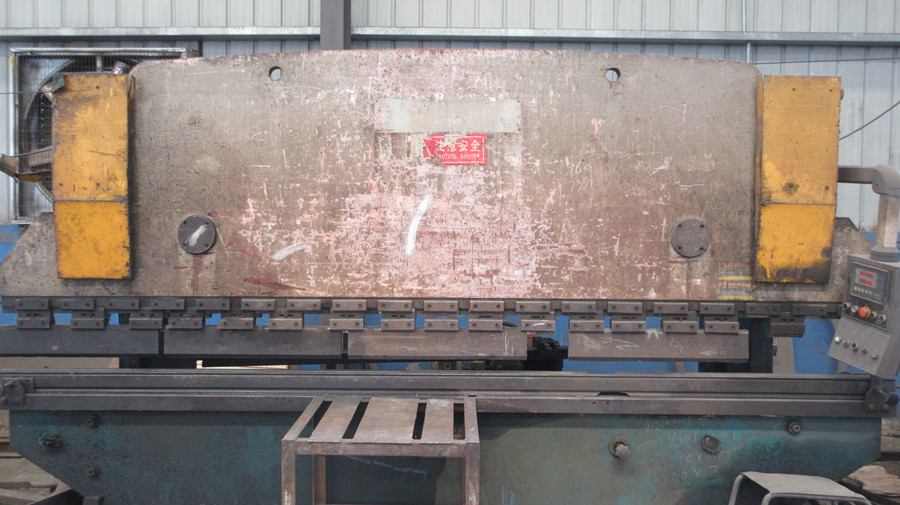
CNC multi-axis hydraulic press brake.
Intermodal delivery manifests differently based on destination-specific constraints. Our operations cover the following specialized configurations:
The future of intermodal services is being shaped by digitization and green transit. Real-time GPS/IoT tracking inside container boxes provides minute-by-minute updates on cargo temperature, humidity, and location. Concurrently, the deployment of intelligent AI routers allows logistics managers to re-route sea-rail-road cargo dynamically on the fly, avoiding strike actions, climatic hazards, or unexpected port blockades. Additionally, clean-energy last-mile fleets (like electric cargo bikes and hydrogen trucks) are taking over urban deliveries to meet strict regional clean-air mandates in the UK and Europe.
B2B buyers, purchasing managers, and supply chain directors evaluate logistics vendors on strict criteria: operational capacity, transparency, cost structures, and liability management. At Guangdong Changi Logistics Co., Ltd., we align our services to these core corporate demands:
Regardless of how many rail links, sea transshipments, or trucking companies touch your shipment, we provide one clean invoice with detailed breakdowns, saving accounting resources.
We offer SLA guarantees for transit times and cargo safety, backed by comprehensive maritime and land cargo insurance options to secure capital assets throughout the journey.
For major enterprise clients, our cargo tracking systems can integrate directly via API into your ERP, ensuring seamless visibility of inventory levels from China warehouse loading to final delivery.
Get professional answers from our engineering and logistics specialists regarding transit operations, customs clearance, and global transport channels.
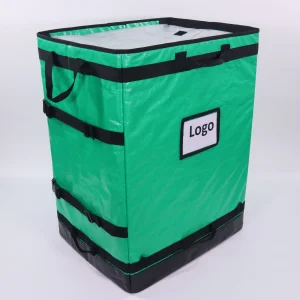
Beyond freight forwarding, we supply crucial mechanical parts, packaging solutions, and smart network hardware that form the bedrock of global physical distribution networks.
 Changi Logistics