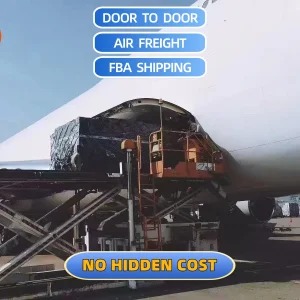
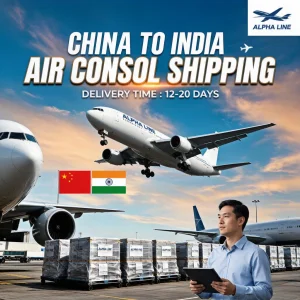
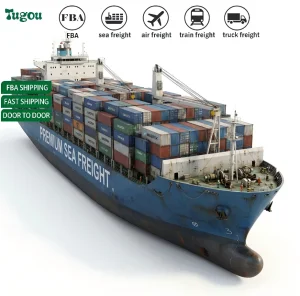
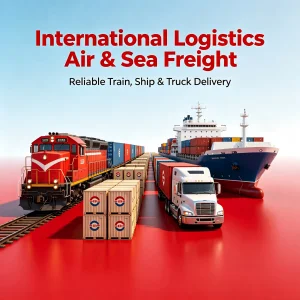
Explore our primary cargo logistics capabilities designed to manage transit, compliance, and custom fulfillment workflows globally.
Understanding the engineering demands and precise coordination that define oversized cargo moves.
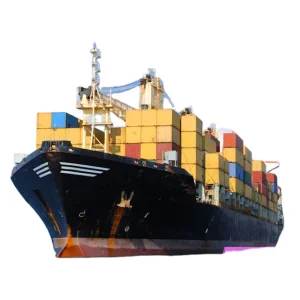
Oversized freight requires configuration beyond standard shipping containers. Successful planning integrates custom flat racks, open tops, and specialized container systems to maintain dynamic load balance, structural stability, and clearance across global overland networks.
When cargo exceeds containerization standards entirely, breakbulk is required. By securing large structures directly onto the vessel deck, this methodology circumvents traditional packaging limitations, leveraging advanced crane configurations and customized cradles.
Moving a turbine or a chemical reactor requires a unified coordination of rail, sea, inland waterway barges, and hydraulic flatbeds. Seamless handoffs depend on structural integrity audits and certified lashing points to minimize load stress during transit shifts.
A deep dive into why sourcing heavy-lift logistics equipment and freight services from China represents a strategic advantage for global enterprises.
China's heavy industrial regions, particularly in Guangdong, Jiangsu, and Shandong, host advanced ecosystems that bring steel production, precision machining, structural welding, and testing facilities into tight geographical proximity. This concentration allows manufacturers to build, customize, and load project cargo without long inland pre-carriage transits.
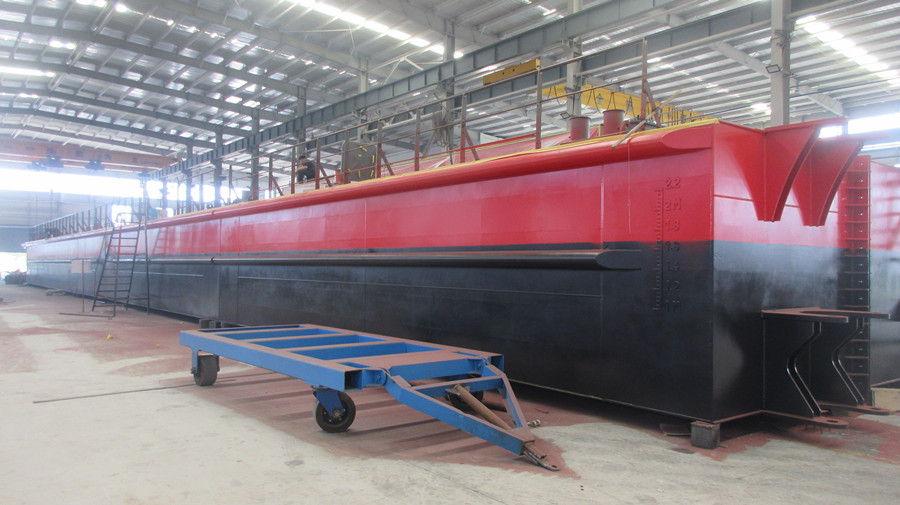
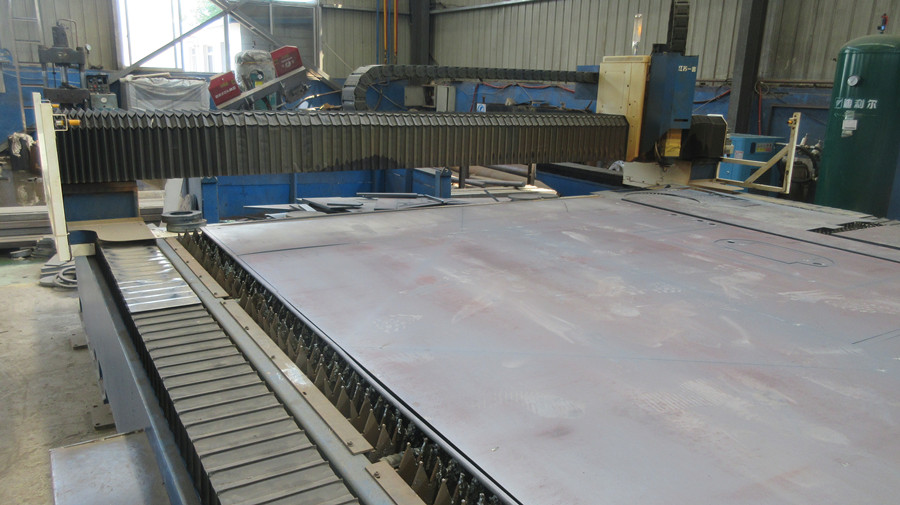
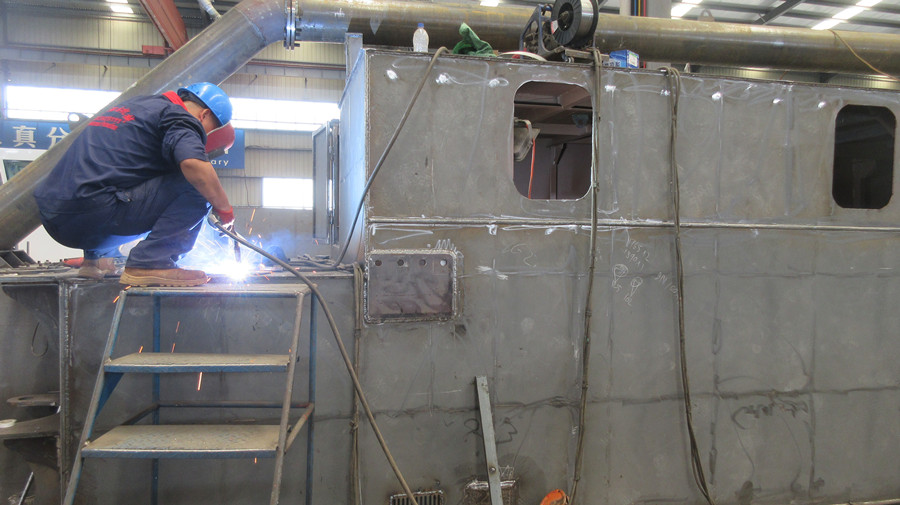
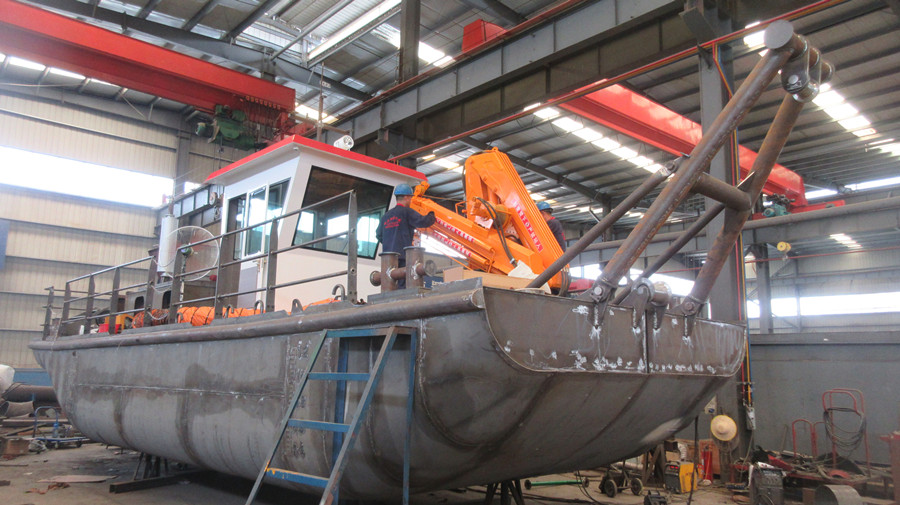
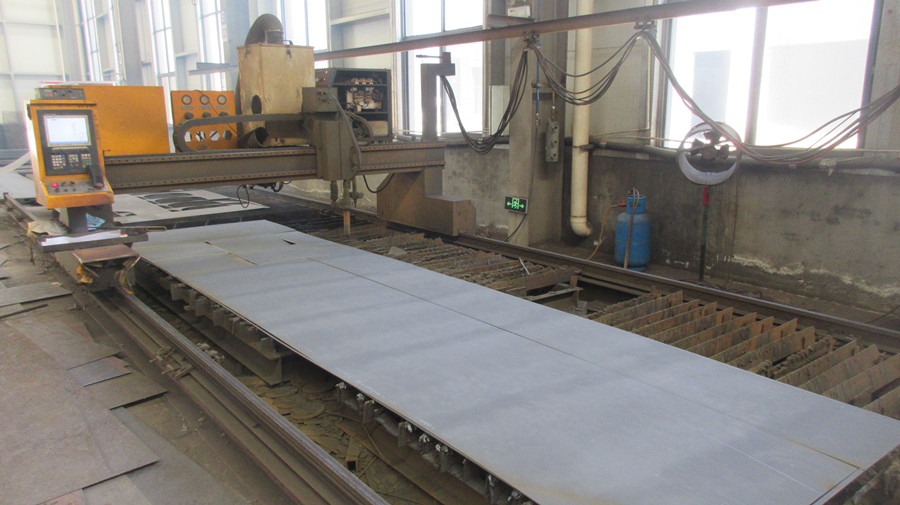
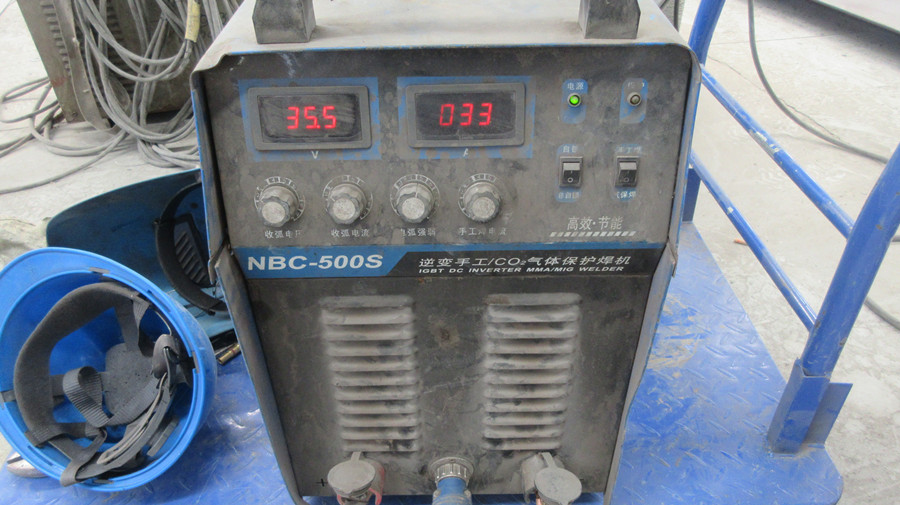
From custom cradles for wind turbine blades to multi-axle modular trailers, Chinese manufacturers rely on highly automated assembly lines. Innovations in robot-assisted welding, laser cutting, and non-destructive testing (NDT) ensure that every component meets rigorous international standards (such as EN, ASME, and ISO) before departure.
Proximity to mega-ports like Shanghai, Ningbo-Zhoushan, and Guangzhou-Nansha provides direct access to deep-water berths designed for heavy-lift vessels and roll-on/roll-off (RO-RO) operations. This direct-to-port infrastructure reduces handling risks, lowering port-to-port and door-to-door transit times for complex project cargo shipments.
Your strategic partner for global logistics, shipping, and supply chain management.
Guangdong Changi Logistics Co., Ltd. is a comprehensive logistics enterprise established in 2018, specializing in international freight forwarding and integrated supply chain solutions. The company is committed to providing efficient, reliable, and customized logistics services for global trade and cross-border e-commerce clients.
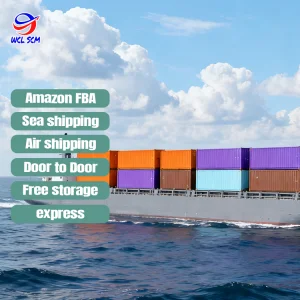
Our core services include international sea freight, air freight, rail transportation, multimodal transport, warehousing, customs clearance, and end-to-end supply chain management. With a strong global agency network and advanced digital logistics systems, we deliver cost-effective and time-efficient solutions to customers across various industries.
Founded in 2018, Guangdong Changi Logistics Co., Ltd. has grown alongside the rapid expansion of global trade and the rise of cross-border e-commerce. Starting as a traditional freight forwarding service provider, the company has evolved into a full-service logistics and supply chain solutions provider.
Over the years, we have continuously enhanced our operational capabilities by integrating intelligent logistics management systems and real-time tracking technologies. These improvements have significantly increased service efficiency, transparency, and customer satisfaction, enabling us to become a competitive independent logistics provider in the industry.
Our Vision: To become a leading global logistics and supply chain partner, driven by innovation and powered by technology. We aim to build a smarter, greener, and more efficient global logistics network that enables seamless international trade and sustainable business growth for our clients.
Our Mission: At Guangdong Changi Logistics Co., Ltd., we are committed to delivering long-term value to our clients through innovative logistics solutions and professional service excellence. Our mission is to:
We believe logistics is more than transportation—it is the foundation that connects global commerce and drives business success.
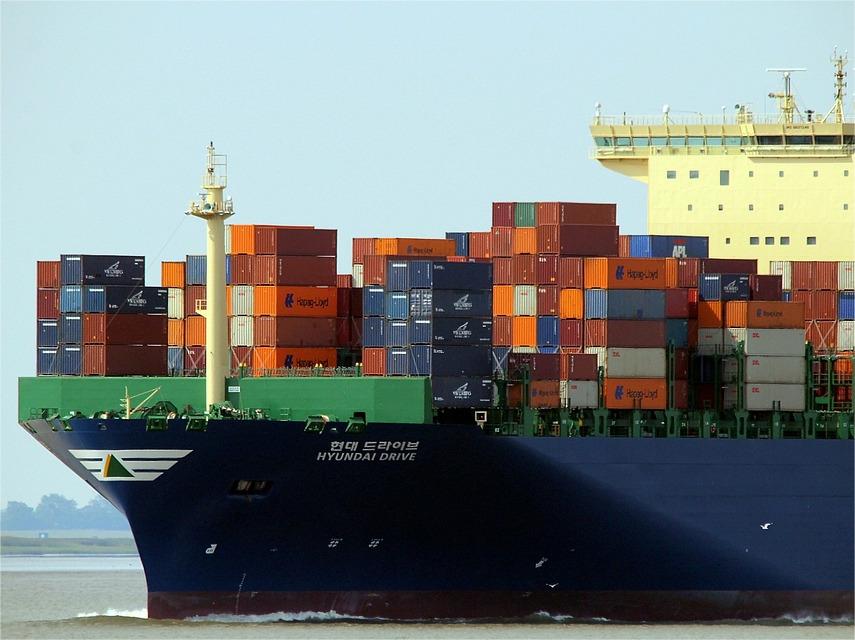
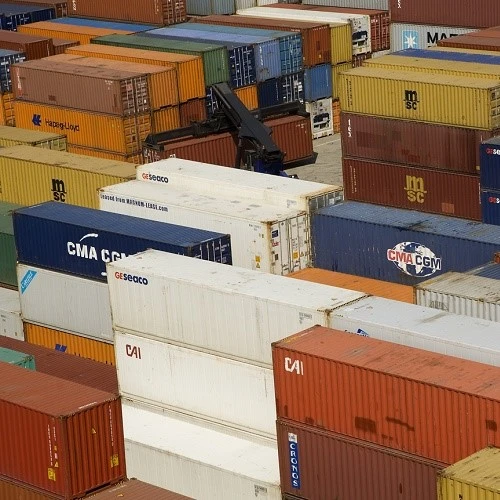
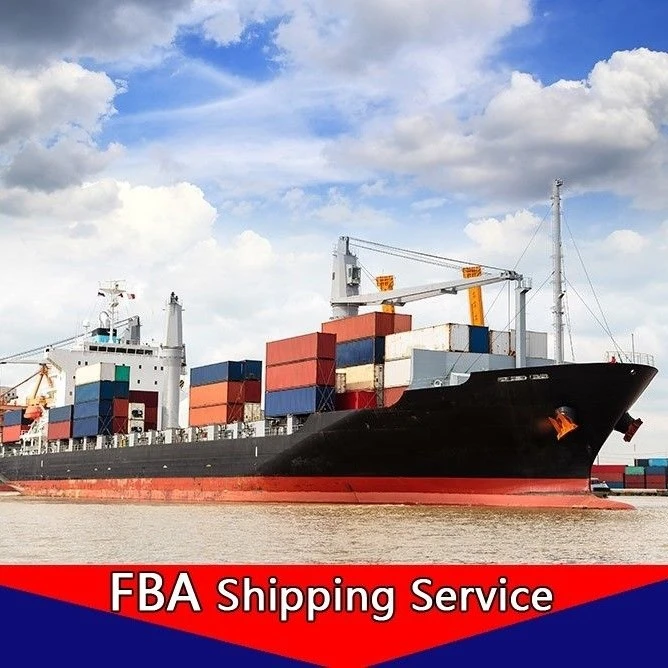
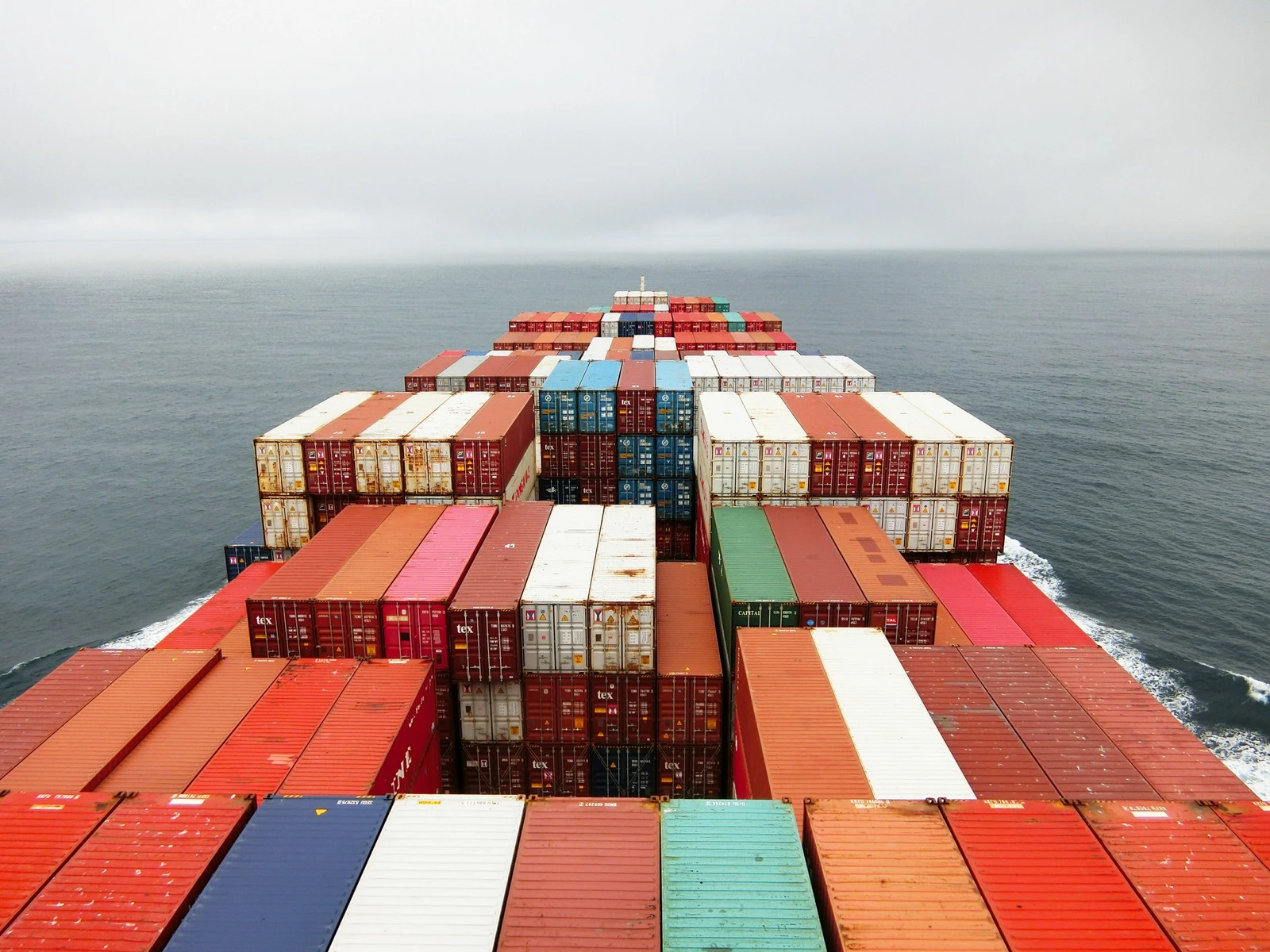
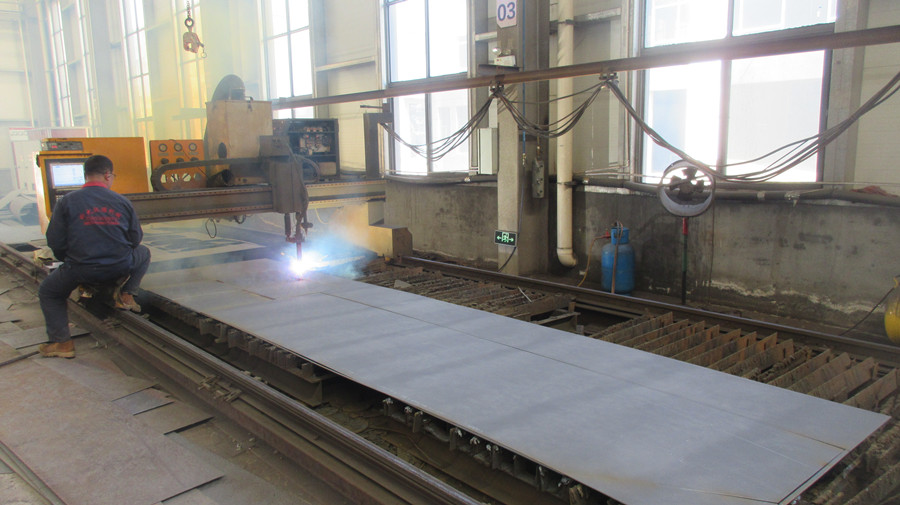
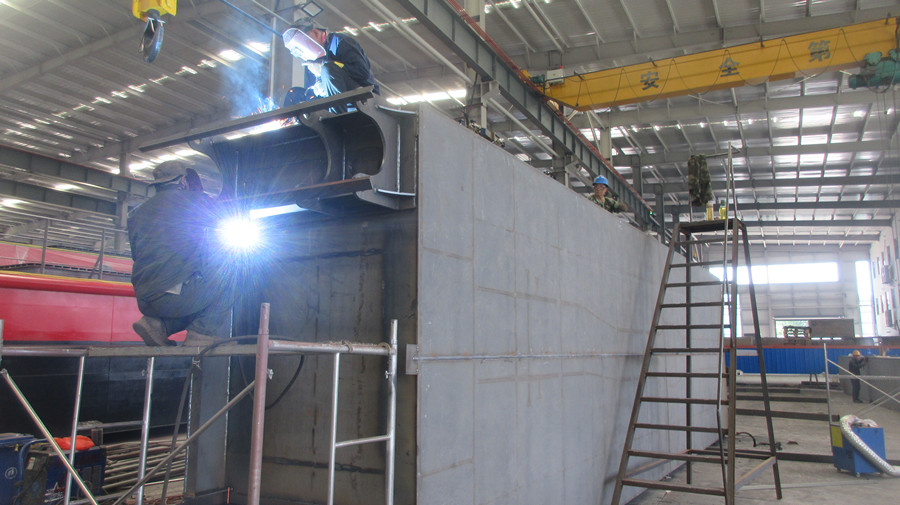
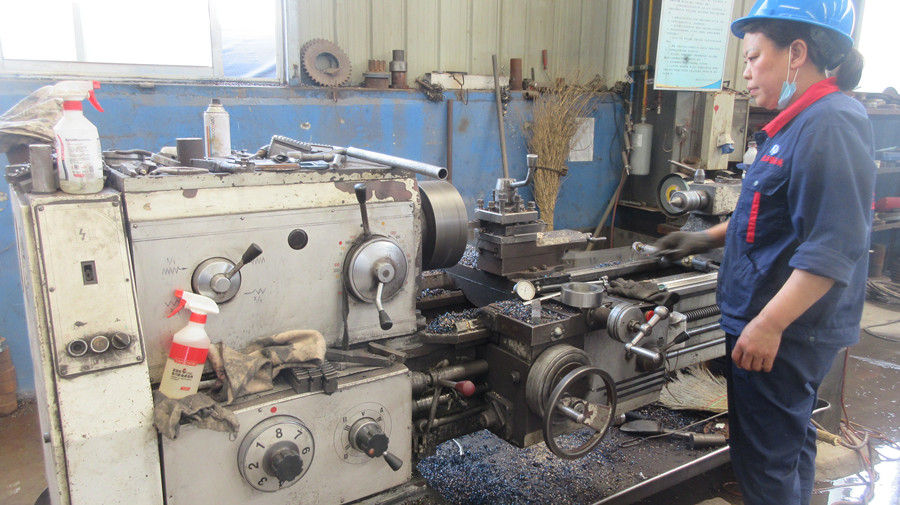
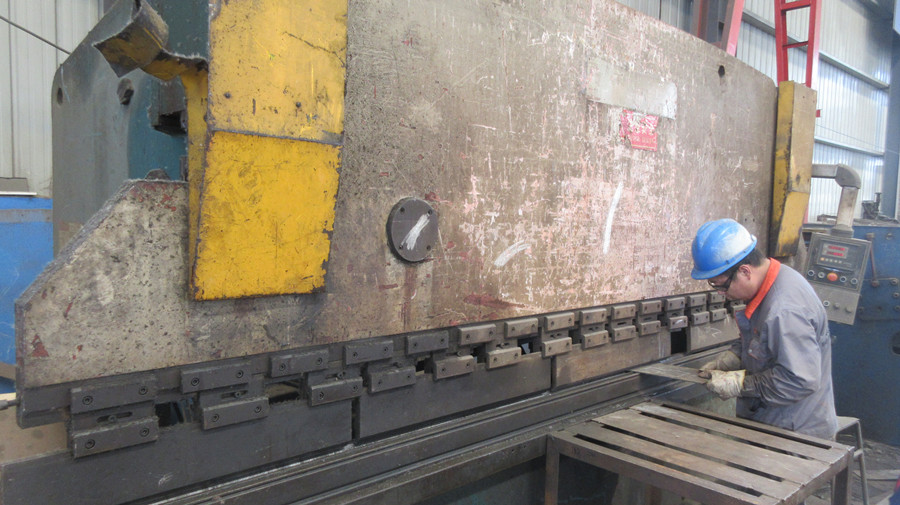
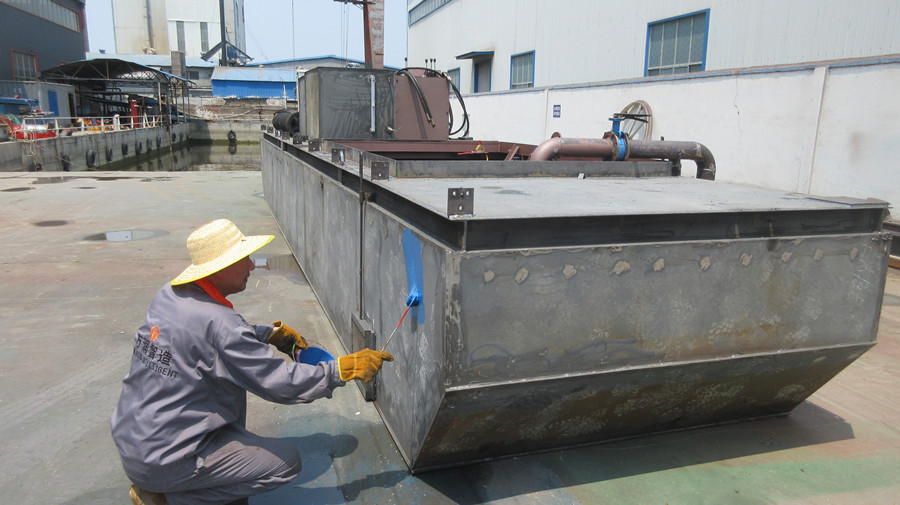
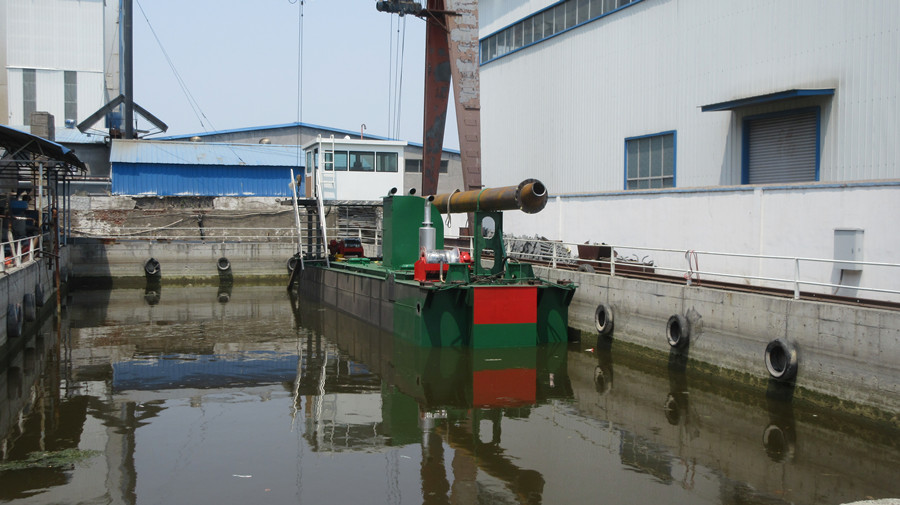
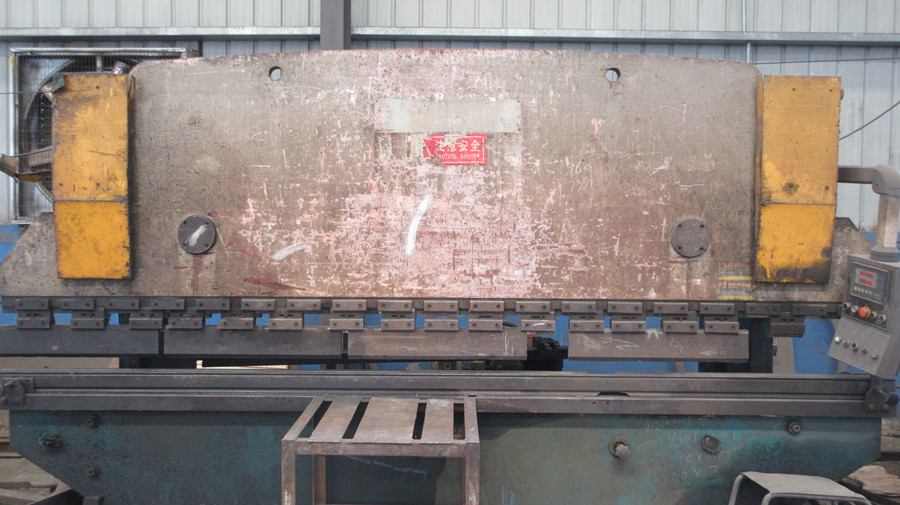
Visualizing the manufacturing processes and production capabilities supporting our high-capacity cargo services.
How international buyers structure RFQs, perform risk assessment, and select logistical suppliers.
Large-scale global buyers require route surveys before cargo moves. This involves height, weight, and radius validation on roads, power grid lines, toll plazas, and bridges. Logistics providers must generate detailed swept-path analyses and bridge load calculation models to prevent delays.
Global procurement teams prioritize security over speed. Providers are vetted against strict ESG benchmarks, cargo insurance liability thresholds, and business continuity policies. Clear procedures for marine surveys and lashing calculations are required.
Modern EPC (Engineering, Procurement, and Construction) companies demand real-time visibility. Tracking cargo milestones via IoT temperature, moisture, and impact sensors is essential to protect high-precision machinery during multi-month transit schedules.
Managing the complexities of cross-border customs, environmental regulations, and safety standards.
Oversized project cargo often falls under non-standard harmonized system (HS) codes. Incorrectly classified equipment can lead to structural delays at destination ports. Our specialized team works directly with customs authorities, leveraging bonded warehouse exemptions and temporary importation licenses to prevent bottlenecks.
Through our comprehensive DDP (Delivered Duty Paid) networks across North America, Europe, and Asia-Pacific, we handle tax structures, local tariffs, and multi-agency declarations to keep cargo moving legally.
Every dynamic lift requires adherence to maritime safety frameworks like the IMO CSS Code (Code of Safe Practice for Cargo Stowage and Securing). We supply detailed rigging plans, certified lifting beams, and load-spreading calculations verified by independent third-party marine surveyors.
This hands-on engineering focus guarantees that heavy components—regardless of volume or irregular dimensions—are secured to withstand dynamic acceleration forces experienced during rough ocean transits.
A technological lookahead into the solutions shaping the future of heavy lift operations.
Stricter global carbon taxes and corporate mandates are shifting project logistics toward fuel-efficient ocean fleets, bio-fuels, and hybrid port crane operations. Logistics providers must document and optimize their Scope 3 greenhouse gas emissions.
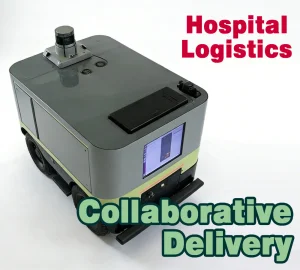
The rise of automated last-mile vehicles, autonomous delivery robots, and heavy-payload electric cargo platforms is reshaping short-haul port movements. This lowers operator error rates and keeps high-risk zones clean and productive.
Simulating port dynamics, vessel stability, and road clearances through digital twins of heavy-lift equipment is shifting from cutting-edge to industry standard. This preventative virtual modeling helps avoid physical structural interference during critical operations.
Exemplifying how logistics capabilities solve unique operational challenges across sectors.
Moving wind turbine blades exceeding 80 meters in length and nacelles weighing upwards of 150 metric tons requires custom extendable trailers. This work demands coordinated police escorts and structural road modifications to safely transition components from coastal factories to high-altitude mountain wind farm sites.
Sourcing and transporting massive pressure vessels, distillation columns, and industrial boilers. These logistics routes demand a combination of inland barge networks, heavy-duty self-propelled modular transporters (SPMTs), and marine cranes to ensure safe, on-schedule delivery to regional petrochemical complexes.
Transporting advanced CNC tooling centers, lithography units, and assembly robots. The primary challenge is maintaining strict temperature controls and low vibration limits. This requires specialized air-ride suspension trucks, active temperature regulation, and high-resolution digital shock monitoring throughout transit.
Clarifying technical details, compliance metrics, and commercial practices in project logistics.
High-capacity cargo networks, express routing options, and specialized warehousing services.
 Changi Logistics