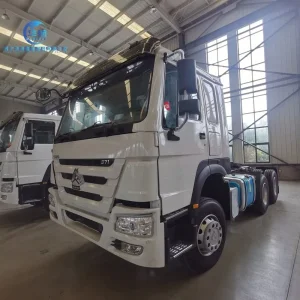
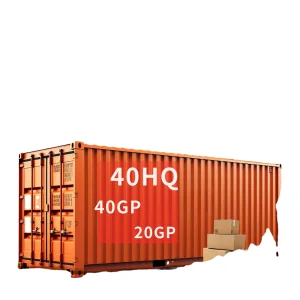
High-capacity equipment, customized bulk carriers, and direct corridor container routing from the absolute best optimization pipelines.
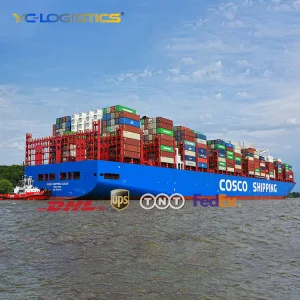
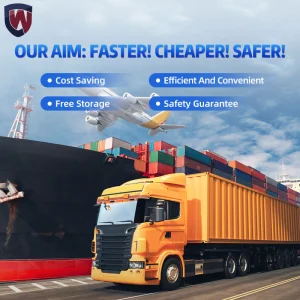
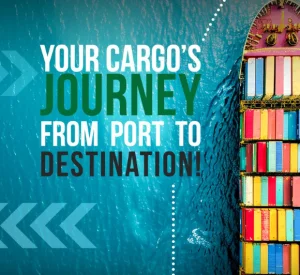
Modern global logistics is undergoing a core transformation driven by algorithms, deep network optimization, and robust physical manufacturing quality. The target of contemporary Supply Chain Management (SCM) is no longer merely moving items from point A to B; it centers on building operational resilience, eliminating empty space, and ensuring load security. Through sophisticated packaging methodologies, load optimization algorithms, and advanced cargo-routing models, businesses can drastically reduce container waste, eliminate demurrage charges, and secure predictable lead times.
By establishing manufacturing processes built specifically for shipping environments—including heavy load-bearing containment, structural steel reinforcement, and climate control isolation—enterprises achieve structural cost containment. Selecting the right combination of physical equipment and shipping intelligence guarantees compliance and protection against maritime shocks.
Guangdong Changi Logistics Co., Ltd. is a comprehensive logistics enterprise established in 2018, specializing in international freight forwarding and integrated supply chain solutions. The company is committed to providing efficient, reliable, and customized logistics services for global trade and cross-border e-commerce clients.
Our core services include international sea freight, air freight, rail transportation, multimodal transport, warehousing, customs clearance, and end-to-end supply chain management. With a strong global agency network and advanced digital logistics systems, we deliver cost-effective and time-efficient solutions to customers across various industries.
The strategic evolutionary history of Guangdong Changi Logistics Co., Ltd. from a localized carrier to a dynamic global supply chain system optimizer.
Founded in 2018, Guangdong Changi Logistics Co., Ltd. has grown alongside the rapid expansion of global trade and the rise of cross-border e-commerce. Starting as a traditional freight forwarding service provider, the company has evolved into a full-service logistics and supply chain solutions provider.
Over the years, we have continuously enhanced our operational capabilities by integrating intelligent logistics management systems and real-time tracking technologies. These improvements have significantly increased service efficiency, transparency, and customer satisfaction, enabling us to become a competitive independent logistics provider in the industry.
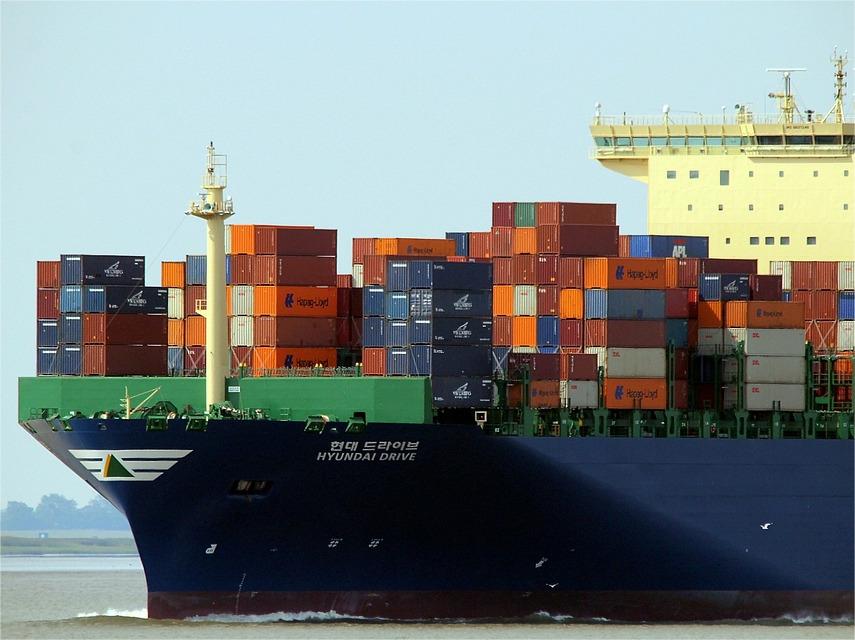
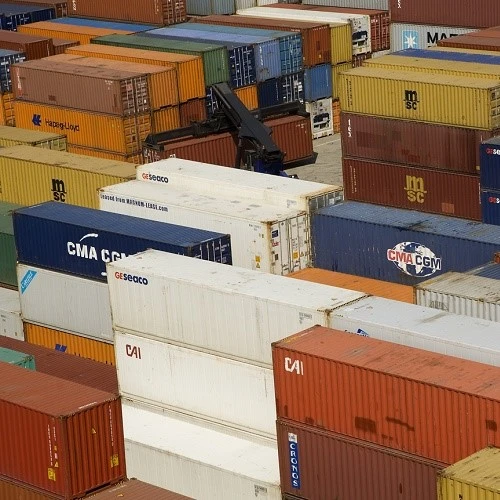
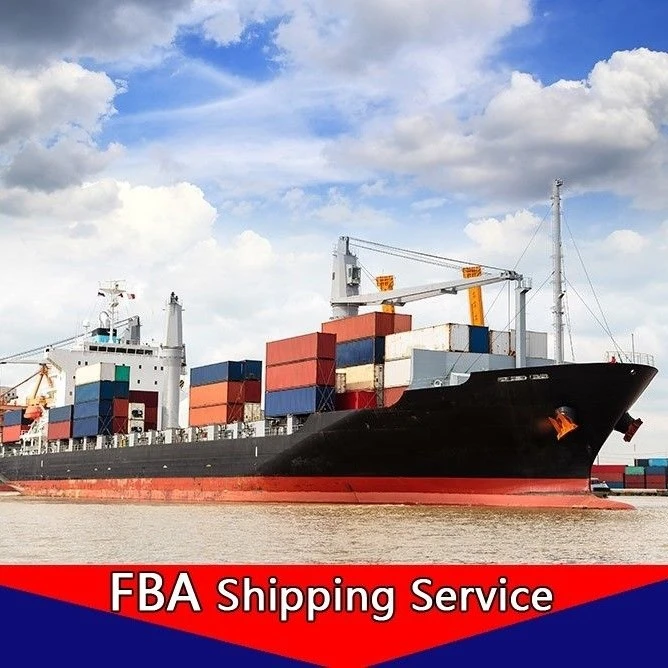
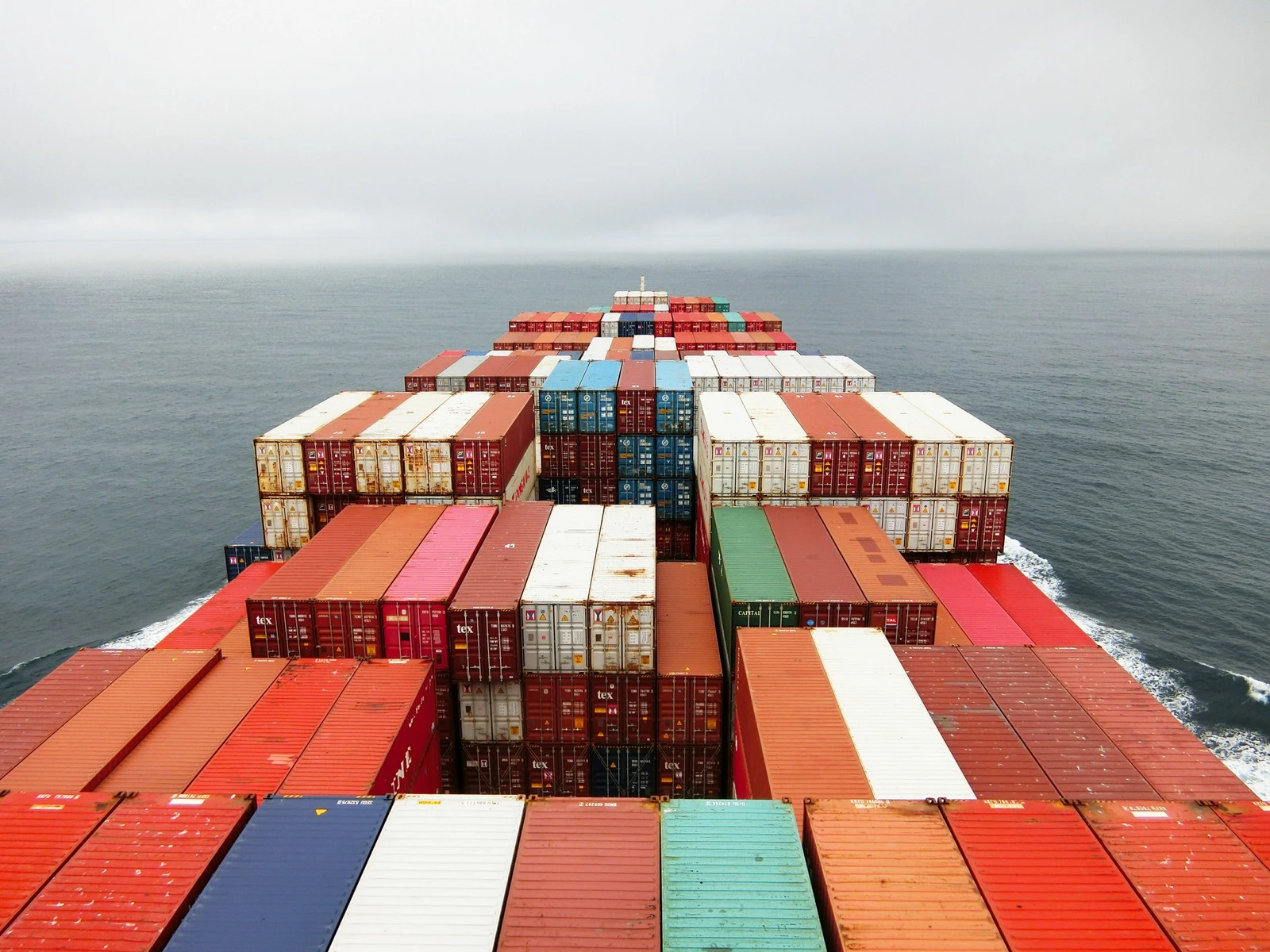
Our vision is to become a leading global logistics and supply chain partner, driven by innovation and powered by technology. We aim to build a smarter, greener, and more efficient global logistics network that enables seamless international trade and sustainable business growth for our clients.
Through the execution of advanced algorithmic modeling for container consolidation, integrated multi-vendor warehousing ecosystems, and a strong pivot toward carbon-neutral transportation networks, we are redefining modern cross-border logistics standards.
At Guangdong Changi Logistics Co., Ltd., we are committed to delivering long-term value to our clients through innovative logistics solutions and professional service excellence. Our core objectives are defined by:
We believe logistics is more than transportation—it is the foundation that connects global commerce and drives business success.
Deciphering key challenges and operational standards required by enterprise supply chain directors globally.
Enterprises require flexible, cost-optimized container loading models. Reducing empty cargo space by utilizing customized 3D loading blueprints lowers per-unit transport expenses by up to 22%.
Cross-border platforms and brands demand full Delivered Duty Paid (DDP) solutions. Removing unexpected customs holdups and managing last-mile delivery directly determines market retention.
Standardizing the packaging, repacking, and shipping of hazardous or chemical cargos under international regulations (IMDG/ADR) protects brands against supply chain liabilities.
Pharmaceuticals, high-value agricultural assets, and delicate chemicals require precise refrigerated transport conditions, necessitating advanced thermal isolation systems.
Combining sea, road, air, and rail into unified transit routes allows companies to bypass localized maritime congestion, keeping product lines humming under strict JIT timelines.
Supply chain visible intelligence is mandatory. Global buyers expect IoT-enabled cargo status updates detailing coordinates, temperatures, humidity, and tamper warnings.
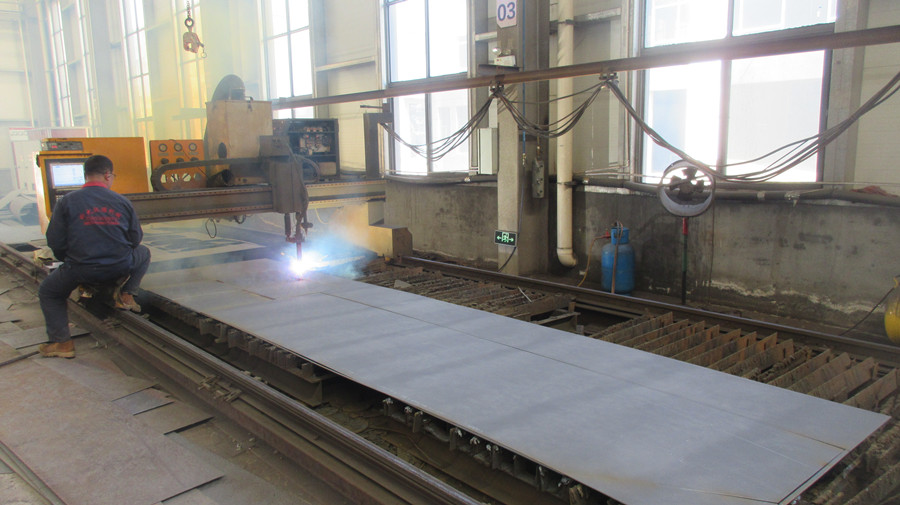
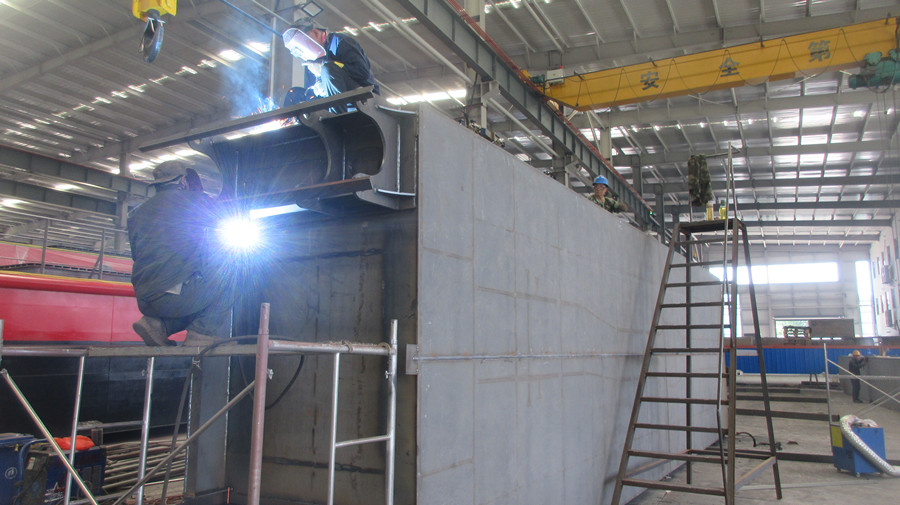
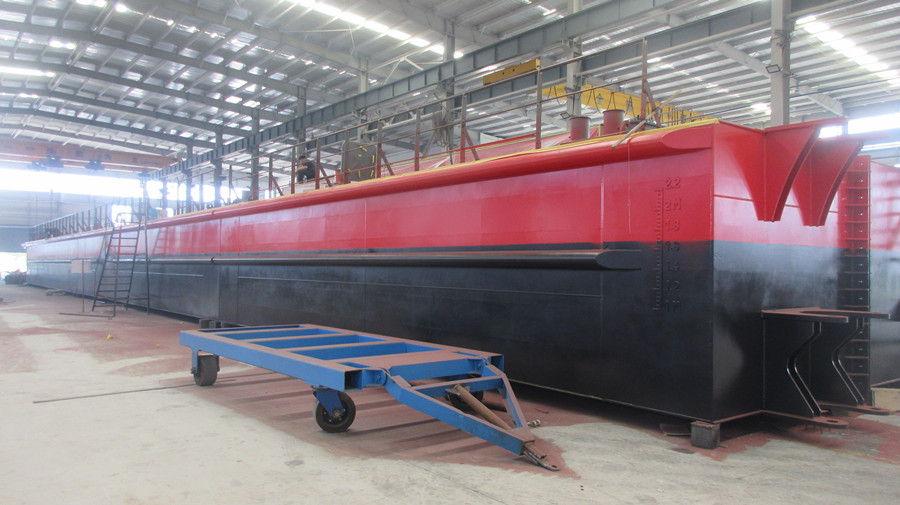
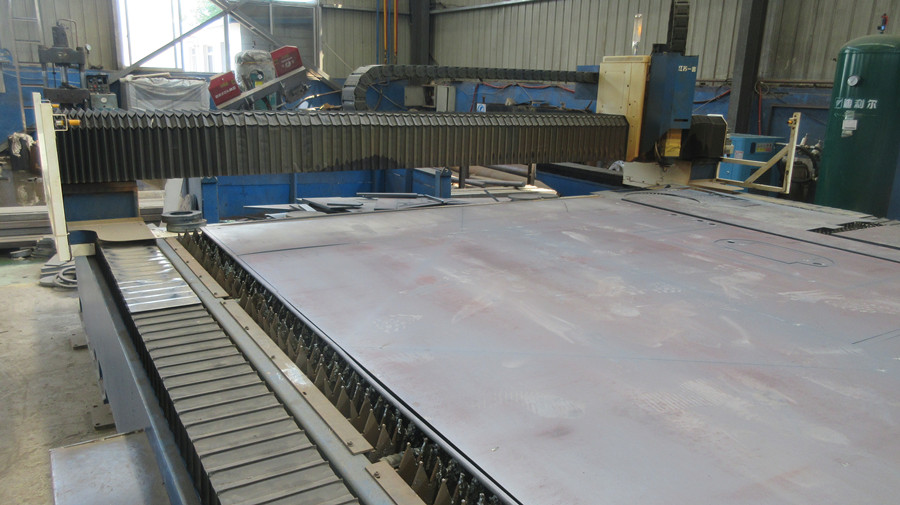
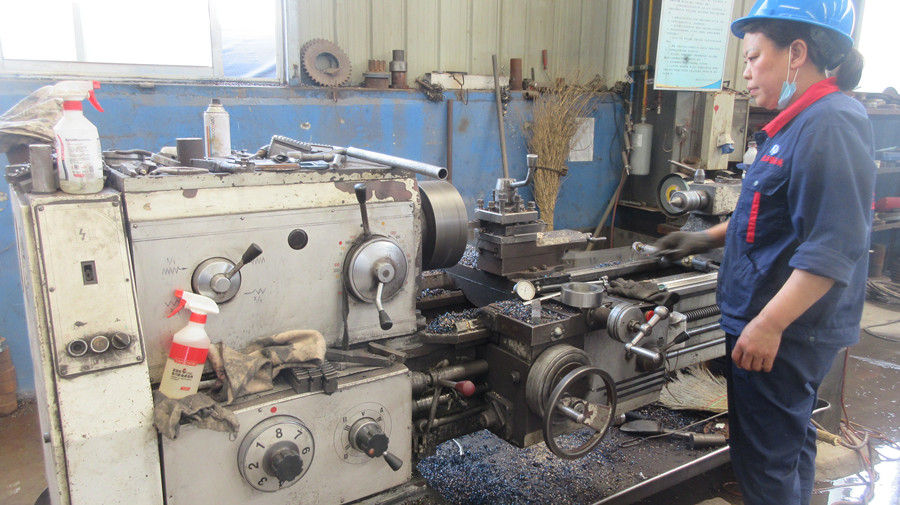
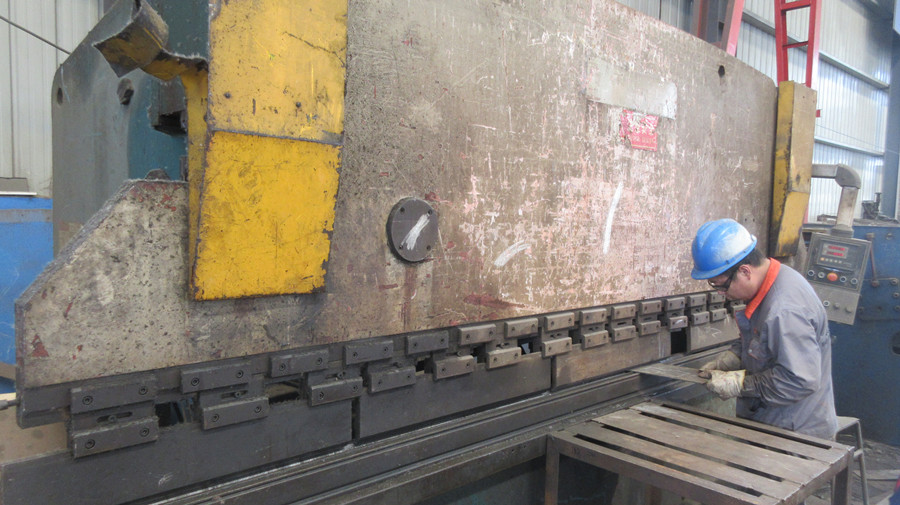
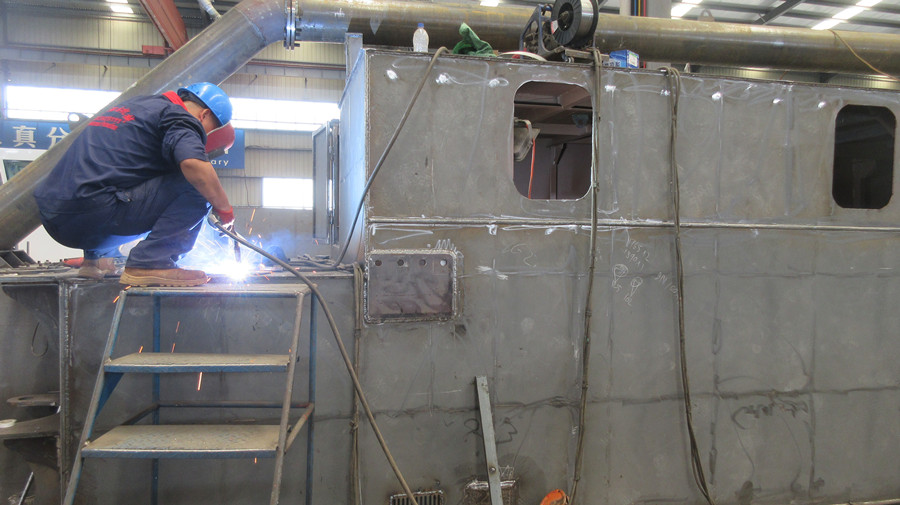
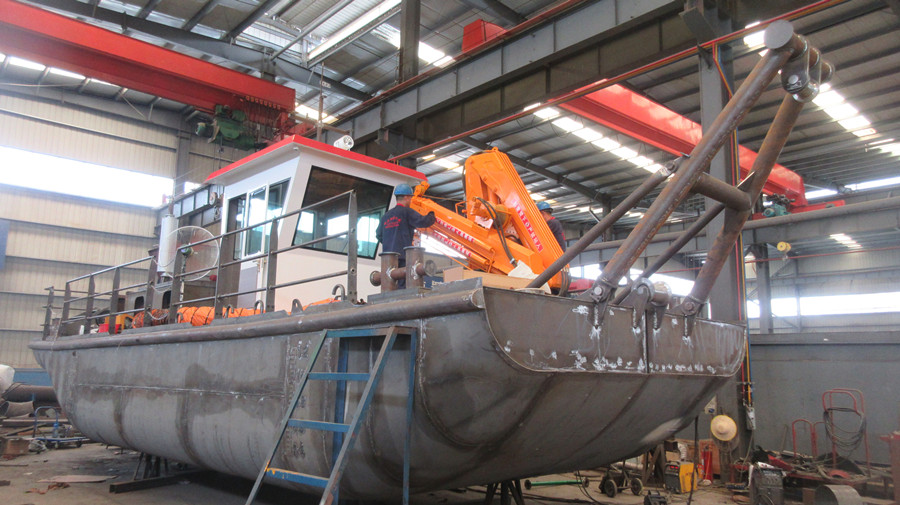
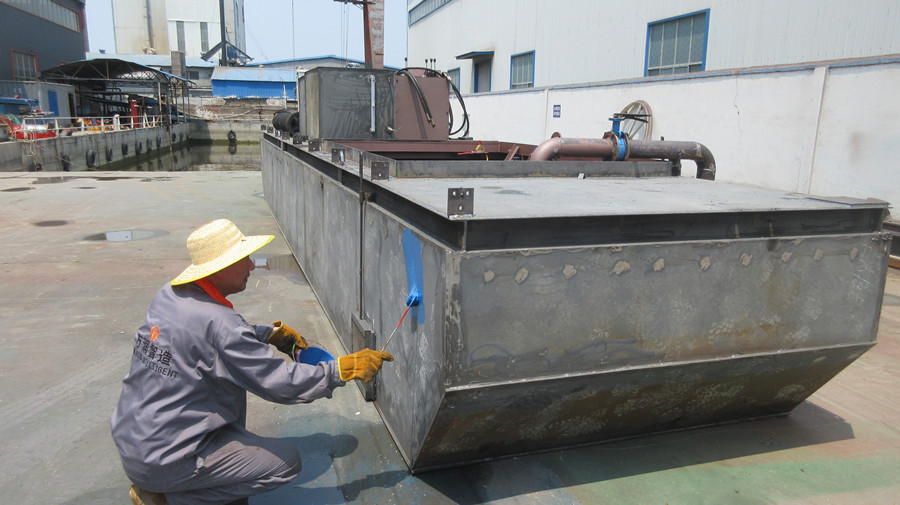
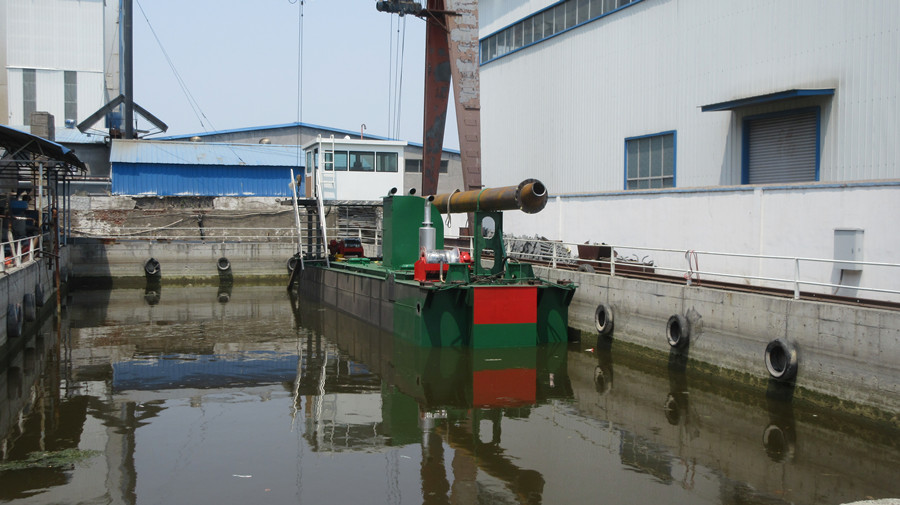
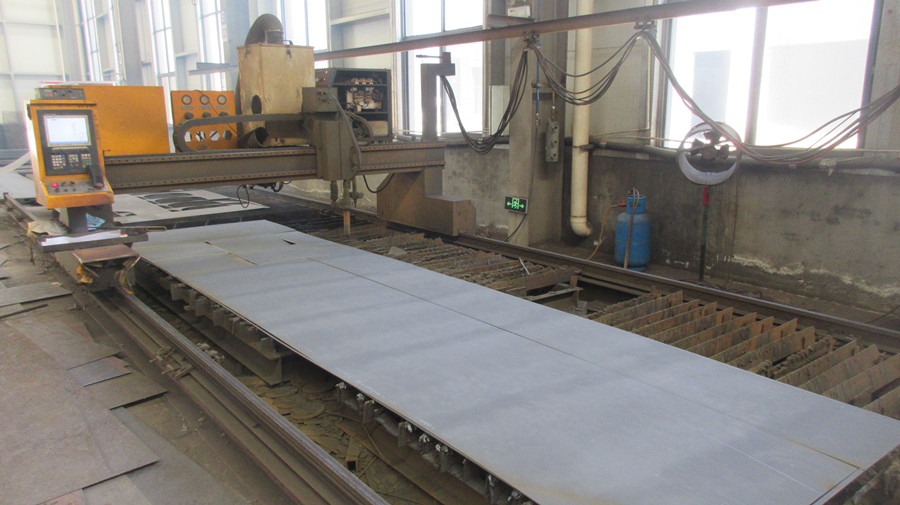
The precision infrastructure backing our supply chain optimization. The quality of containment, packaging structural integrity, and custom steel transport mechanisms begins right on the factory floor.


Customs Pass Rate
Countries Served
Average Cost Saved
Active Support
Tailored frameworks designed for specific enterprise fields to optimize cashflow and delivery cycles.
Direct supply paths from factories to overseas networks (FBA/FBM) require extreme coordination. Through regional hubs and specialized warehousing in Australia, Europe, and the Americas, businesses can reduce transit delays. Grouping multiple local suppliers at Chinese ports allows cost-effective LCL options, maintaining product stock levels during peak commercial periods.
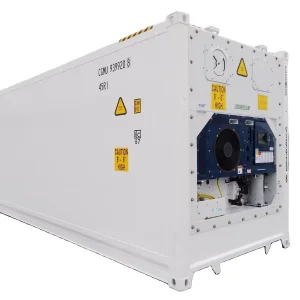
For cargo highly sensitive to heat and moisture, stable thermal containers are required. Precise climate regulation technology ensures food products, biologics, and specialized materials remain undamaged during long sea journeys. This optimization prevents costly freight rejections at destination ports.
Moving outsized agricultural, industrial, or mining gear involves specialized logistics. Robust machinery and diesel tractor units handle transshipments easily. Heavy-weight container platforms secure bulky components, safeguarding both crew and valuable customer cargo throughout the route.
Transporting hazardous compounds calls for careful regulatory adherence. Comprehensive third-party handling protocols manage the repackaging, labeling, insurance coverage, and shipping of dangerous classes. This removes liabilities and confirms smooth transshipment checks at global border crossings.
International logistics success depends on adhering to domestic customs regulations. Every jurisdiction—such as the European Union with its CBAM rules, or North America with its Customs-Trade Partnership Against Terrorism (C-TPAT)—features distinct regulatory challenges. Experienced operators bypass these bottlenecks by handling duties, localized taxes, and filing import declarations ahead of cargo arrivals.
Establishing native local warehousing networks, such as dedicated DDP spaces in Europe, Australia, and Brazil, allows businesses to manage parcel distribution directly inside destination countries. This bypasses the uncertainty of third-party sorting facilities, ensuring fast delivery and predictable costs.
To eliminate shipping failures, pre-shipment inspections are vital. Testing containment materials, verifying dimensional parameters, and reviewing load stability guarantees that goods leaving factory yards meet strict destination standards. Investing in quality inspection prior to port loading prevents expensive returns and delays.
Whether using double-stitched bulk bags or heavy-duty machinery transport frames, verifying mechanical compliance prevents transit shifts. Protecting packaging durability reduces insurance claims and maintains buyer confidence.
Our structured evolution plan for the integration of artificial intelligence and ecological responsibility in international shipping.
Utilizing machine learning to process ocean carrier space, port congestion indices, and local weather patterns. This dynamic system automatically selects the fastest, most cost-effective corridors in real time.
Standardizing connected multisensor telemetry across all FCL container classes. Providing clients real-time visibility into internal cargo temperatures, moisture levels, shocks, and door security.
Upgrading regional distribution centers with automated automated guided vehicles (AGVs) and robotic sorting systems. Improving packing speeds while minimizing damage during handling.
Switching our packaging designs to biodegradable components. Offering verified green shipping programs that help global import partners balance their Scope 3 greenhouse emissions.
Authoritative answers to common technical queries on global shipping compliance, cost control, and product protection.
Shipping optimization is the combination of cargo dimensional planning, load-density calculations, and route selection. By designing packaging tailored to standard container volumes and employing automated consolidation, companies can reduce empty space. This process limits unnecessary weight and lowers freight charges while preventing product movement during transit.
Under DDP terms, the seller manages the import processes, customs clearance, duties, and regional taxes. This prevents cargo from being held up at import hubs due to processing errors. Advanced customs integration ensures paperwork is processed before the ship docks, allowing immediate transfer to last-mile fulfillment.
Shipping hazardous items requires strict compliance with IMDG, IATA, and ADR frameworks. Key requirements include utilizing UN-certified impact-resistant containment, applying compliant external warning labels, and purchasing cargo risk insurance. Partnering with a licensed 3PL agent ensures correct classification and documentation, preventing delays or fines.
Third-party pre-shipment evaluations confirm that cargo matches technical drawings and packing guidelines prior to leaving the loading yard. This checks load ratings, tests packaging seal integrity, and verifies material composition. Resolving problems at the source avoids expensive returns and ensures smooth integration at destination facilities.
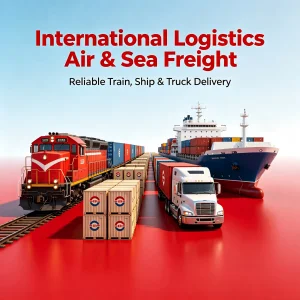
Intermodal transport combines multiple shipping modes—such as rail, sea, air, and trucking—under a single bill of lading. When key maritime gateways face delays, swapping freight to rail corridors (like the China-Europe railway network) or utilizing fast air charter options keeps supplies moving, balancing transit costs with delivery requirements.
Standard packaging often fails to prevent internal shifting under high maritime stress. Custom double-stitched bulk designs, robust metal supports, and custom containers keep heavy or fragile items secure. Minimizing movement within the container protects cargo from vibration, shock, and pressure changes, ensuring safe arrival.
Explore our technical hardware, refrigerated containers, and global express capabilities.


 Changi Logistics