Tracking your sea freight shipment in real time can feel like navigating through fog. Experts in the logistics industry, like Dr. Alan Chen, emphasize this challenge. "Many factors affect real-time tracking, making it complex," he states. Understanding these obstacles is crucial for importers and exporters.
Common issues include outdated technology or lapses in communication between carriers. These hurdles can hinder visibility during the shipping process. Many shippers expect seamless updates, but reality often falls short. Infrastructure discrepancies can delay tracking information, leaving businesses in the dark.
Moreover, some shipment types, like bulk carriers, may lack advanced tracking features. Real-time tracking can be especially elusive during port congestion or adverse weather. These conditions make it hard to pinpoint locations accurately. Ask yourself, why can’t I track my sea freight shipment in real time? Reflecting on these factors is essential for improving logistics approaches in the future.
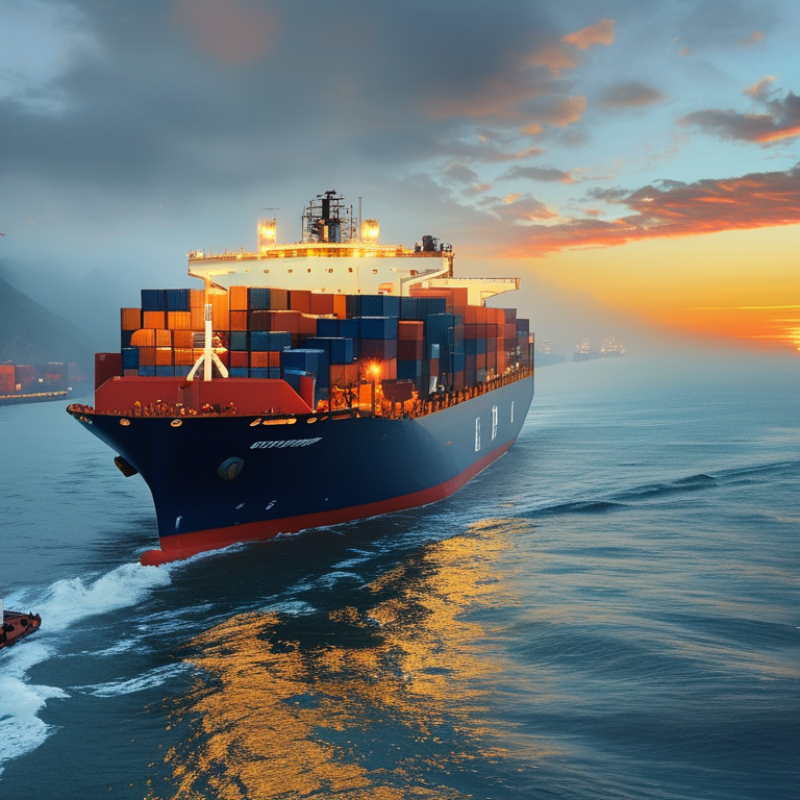
Tracking sea freight shipments can be challenging due to various technical issues.
One significant problem is the inconsistencies in data transmission.
According to recent industry reports, nearly 30% of tracking errors stem from
outdated technology. Many systems rely on legacy infrastructure that struggles to
synchronize data in real time.
Another issue revolves around GPS and satellite technology.
When shipments are at sea, GPS signals can be weak or lost. A report from the
International Maritime Organization highlights that up to 20% of
containers are untracked during transit. This gap creates uncertainty for shippers and
freight forwarders trying to provide accurate status updates.
Moreover, human error can complicate tracking processes.
Scanning mistakes, incorrect data entry, or mislabeling can lead to significant tracking discrepancies.
The logistics sector experiences an average error rate of around 7% in data entry,
highlighting the need for improved training and automated systems. Addressing these technical challenges
is crucial for enhancing the reliability of sea freight tracking.
Effective communication is critical in logistics, particularly in sea freight shipments. Miscommunication can lead to delays and confusion. Stakeholders, including shippers, carriers, and customs agents, need to share information clearly. When expectations are not aligned, tracking becomes nearly impossible.
Tips for improving communication include setting up regular updates. Consider using shared platforms where everyone can access real-time data. This way, all parties stay informed. Another tip is to designate a communication leader. This person helps facilitate discussions and ensures that everyone understands their roles.
Lack of clarity in roles can create gaps. Some stakeholders may rely on outdated methods. Relying on emails alone can cause important messages to get lost. It's vital to establish direct lines of communication. Encourage stakeholders to use phone calls or video meetings when needed. These small changes can help everyone stay on the same page, reducing the chance of miscommunication.
Insufficient data integration across shipping platforms is a significant hurdle for tracking sea freight shipments. Many companies rely on multiple systems for logistics, often creating silos of information. According to a report from the World Economic Forum, 70% of global trade is affected by such fragmentation. Each platform may store unique data formats, inhibiting real-time visibility throughout the supply chain.
Moreover, industry studies suggest that 60% of logistics managers struggle with data discrepancies. When containers move through various ports and carriers, inconsistent data can complicate tracking efforts. Without standardized formats, shipping updates may come in delayed or inaccurate. This situation often leads to misunderstandings and poor customer experiences, as important details get lost in translation.
Reflecting on this issue, many stakeholders must reconsider their data management strategies. Companies that prioritize seamless data integration can enhance visibility and improve customer satisfaction. As the industry continues to evolve, embracing technology and collaboration is essential for overcoming these challenges. The shipping world is complex, but with better data practices, the path can become clearer.
Geographical limitations significantly impact tracking capabilities for sea freight shipments. Many regions lack the advanced infrastructure necessary for real-time updates. According to a recent industry report, about 30% of global shipping routes operate in areas with poor satellite coverage. This hinders effective tracking.
Additionally, remote locations can face delays in data transmission. Environmental factors like weather can also disrupt signals. In regions with weaker technology infrastructures, businesses may struggle to receive updates. They rely on traditional methods, which can be incomplete or outdated.
Data from the World Shipping Council shows that tracking accuracy varies widely. In some developing areas, shipment visibility can drop below 50%. This uncertainty complicates logistics and impacts supply chain efficiency. Companies must acknowledge these challenges. Finding ways to improve tracking in less accessible regions remains crucial for better service.
| Reason | Impact | Geographical Example | Possible Solution |
|---|---|---|---|
| Inadequate Infrastructure | Poor communication and data transmission. | Remote areas in developing countries. | Invest in modernizing port facilities. |
| Limited Technology Adoption | Lack of real-time tracking capabilities. | Small ports in Asia and Africa. | Promote technologies such as IoT. |
| Language Barriers | Miscommunication can lead to tracking errors. | Regions with diverse languages. | Implement multilingual tracking platforms. |
| Regulatory Variability | Different tracking regulations per country. | Customs in South America. | Standardize tracking compliance protocols. |
| Geographical Challenges | Inaccessibility due to natural barriers. | Islands and remote coastal regions. | Improve transportation routes to remote areas. |
| Environmental Conditions | Severe weather impacts tracking devices. | Tropical storm-prone areas. | Use weather-resistant tracking equipment. |
| Cybersecurity Risks | Increased risk of data breaches. | Regions with high cybercrime rates. | Enhance cybersecurity measures for tracking systems. |
| Data Integration Issues | Inconsistent data from multiple sources. | Interconnected global shipping lanes. | Develop unified data management systems. |
| Lack of Training | Staff unable to use tracking systems. | Logistics hubs worldwide. | Provide continuous training programs. |
| Cultural Differences | Diverse business practices affect tracking. | Various countries with unique shipping cultures. | Encourage cross-cultural training. |
Real-time tracking in sea freight is crucial yet often hindered by regulatory constraints. Various countries have implemented strict laws controlling data sharing. These regulations can limit visibility into shipments. For instance, a report by the International Maritime Organization notes that nearly 40% of shipping delays are due to regulatory compliance issues. This slows down the adoption of modern tracking technologies.
Moreover, customs clearance processes can be cumbersome. In some regions, customs require extensive documentation for each shipment. This not only delays real-time updates but also creates vulnerabilities in the tracking chain. A study found that up to 25% of companies experience shipment discrepancies due to regulatory delays. This discrepancy often leads to mistrust among stakeholders.
Furthermore, discrepancies in tracking technologies further complicate matters. Different countries use varying standards for data exchange. This variance creates a patchwork of tracking capabilities. Some systems cannot communicate effectively across borders. Industry experts argue that harmonizing these standards could significantly enhance tracking reliability. However, this remains a long-term goal amid current challenges.
: Common issues include data transmission inconsistencies and outdated technology. Nearly 30% of errors are linked to these factors.
GPS signals can be weak at sea. Up to 20% of containers might be untracked during transit due to this.
Human error contributes to tracking issues. Mislabeling and data entry mistakes can lead to significant discrepancies.
The logistics sector experiences an average error rate of about 7% in data entry. This highlights training needs.
Insufficient data integration creates information silos. This affects nearly 70% of global trade and complicates real-time visibility.
Around 60% of logistics managers struggle with data discrepancies. This complicates tracking across various ports and carriers.
Fragmented data often leads to misunderstandings and poor customer experiences. Important shipping details can get lost.
Companies should prioritize seamless data integration. This can enhance visibility and improve overall customer satisfaction.
Embracing technology can address current challenges. It fosters better data practices and enhances coordination among stakeholders.
In the complex world of sea freight shipping, many individuals and businesses often wonder, "why can't I track my sea freight shipment in real time?" This question reveals several underlying issues that hinder effective tracking. Common technical problems with tracking systems can lead to delays and inaccuracies, while a lack of effective communication among stakeholders creates further complications. Additionally, insufficient data integration across different shipping platforms limits visibility into shipment statuses.
Geographical limitations also play a crucial role, as certain remote areas may lack the necessary infrastructure for comprehensive tracking. Furthermore, regulatory constraints can impede the functionality of real-time tracking systems, making it difficult for shippers to provide timely updates. By understanding these challenges, stakeholders can work towards improving the tracking process and enhance transparency in sea freight shipments.

Changi Logistics