Delays in air freight shipments can be frustrating for businesses and individuals alike. When a shipment doesn’t arrive on time, the natural question arises: “why did my air freight shipment get delayed at the airport?” Understanding the reasons behind these delays is crucial. Various factors can contribute, from customs clearance issues to weather conditions.
Sometimes, the situation might seem out of your control. For instance, air traffic congestion can result in unexpected hold-ups. Additionally, documentation errors are common culprits, causing packages to be held longer than anticipated. Many shippers may overlook these details, leading to unnecessary delays.
On the other hand, knowing where to find information can make a difference. Tracking tools provided by air freight carriers can reveal vital updates. Engaging with customer service also helps in understanding specific issues affecting your shipment. Recognizing these potential challenges allows for better planning and management, reducing the impact of future delays.
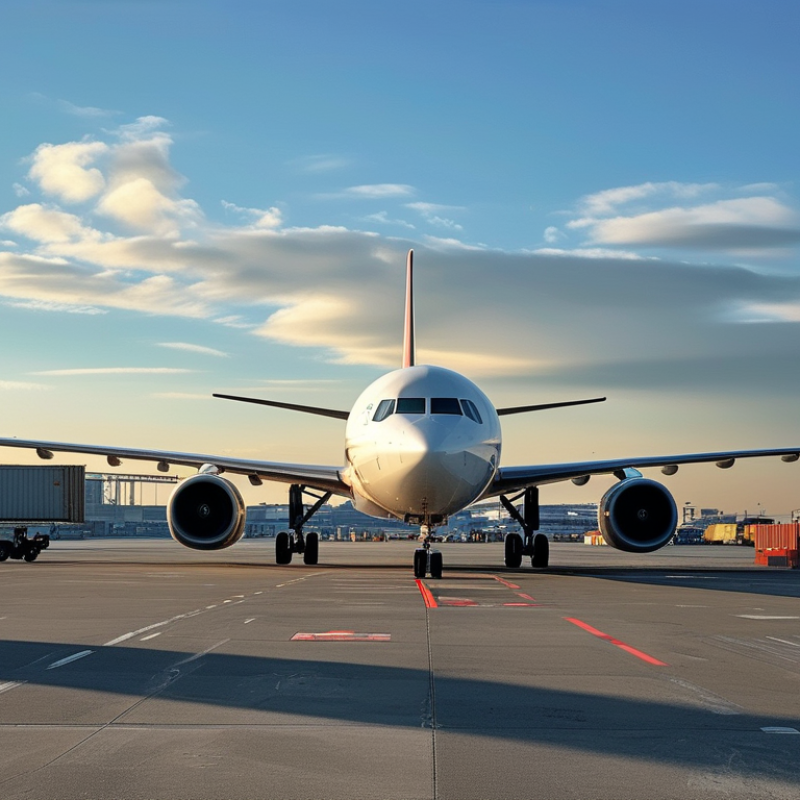
Air freight delays can be frustrating. Understanding the common causes can help you manage expectations. One major reason for delays is weather conditions. Severe storms can affect airports and flight schedules. If a storm is brewing, your shipment may sit on the runway. Monitoring weather reports provides insight into possible disruptions.
Customs Clearance is another frequent issue. Shipments often require inspections and documentation. If there are discrepancies in paperwork, the process slows down. Communication with your freight forwarder can clarify requirements. A lack of preparation can lead to unnecessary delays. Proper documentation can reduce holding times significantly, making it vital to stay organized.
Lastly, operational factors also play a role. Space availability on flights isn't guaranteed, especially during peak seasons. Sometimes shipments are delayed due to staffing shortages. Flexibility in shipment schedules can alleviate some stress. Being proactive about these details can prepare you better. While delays are inevitable at times, staying informed can help mitigate their impact on your business.
| Delay Cause | Description | Estimated Time Impact |
|---|---|---|
| Customs Clearance Issues | Delays in customs approval can hold up shipments at international borders. | 1-3 days |
| Weather Conditions | Severe weather can impact flight schedules and cause delays. | Varies |
| Airline Operational Issues | Technical problems or maintenance can delay flights. | 1-2 days |
| Inadequate Ground Handling | Poor coordination at the airport can delay unloading and loading procedures. | 1 day |
| Documentation Errors | Incorrect or missing documentation can cause significant delays. | 2-5 days |
: Major causes include bad weather, customs clearance issues, and operational factors.
Severe storms can disrupt flights and cause shipments to sit on runways longer than expected.
Paperwork discrepancies can slow down inspections, delaying shipments.
Use modern tracking tools for real-time updates and monitor your shipment's location online.
Yes, alerts notify you of status changes, allowing quick responses to issues.
Reach out for updates when delays occur; they offer crucial insights into the situation.
Reports indicate that about 20% of delays stem from customs inspections.
Be flexible and plan ahead, especially during peak seasons with high shipment volumes.
Don’t hesitate to ask your freight forwarder for clarification on any confusing details.
Yes, unforeseen delays affect nearly 30% of air cargo shipments.
Understanding why your air freight shipment is delayed can be a crucial step in managing your logistics effectively. Common causes of delays often include issues with customs clearance, unexpected weather conditions, or logistical errors. By utilizing tracking tools, you can monitor your shipment's status in real time, providing you with insights into its location and any potential hold-ups.
If you're wondering "why did my air freight shipment get delayed at the airport," reaching out to your freight forwarder can provide you with valuable updates and insights into specific issues affecting your shipment. Additionally, it’s important to take into account any external factors that might impact the timeliness of air freight, such as airport congestion or seasonal disruptions. Understanding these elements will enable you to anticipate delays and respond proactively.

 Changi Logistics