Why Are Ocean Freight Rates Changing So Much Right Now?

Time:2026-07-03 Author:Sophia
0%

Recent fluctuations in ocean freight rates have raised several questions. For businesses and consumers alike, it is crucial to understand why are ocean freight rates fluctuating so much right now. The shipping industry is complex, with many factors at play.

One major influence is the ongoing disruption in global supply chains. COVID-19 has impacted production and shipping schedules. Port congestion is another critical issue. Ships are delayed, causing a ripple effect throughout the industry. These uncertainties make predicting rates more challenging.

Additionally, demand for goods has surged. This increase strains available shipping capacity, pushing prices higher. Environmental regulations also play a role, as companies adapt to new standards. These factors create an unpredictable market, reflecting both opportunity and risk. Understanding these dynamics can help businesses navigate challenges.
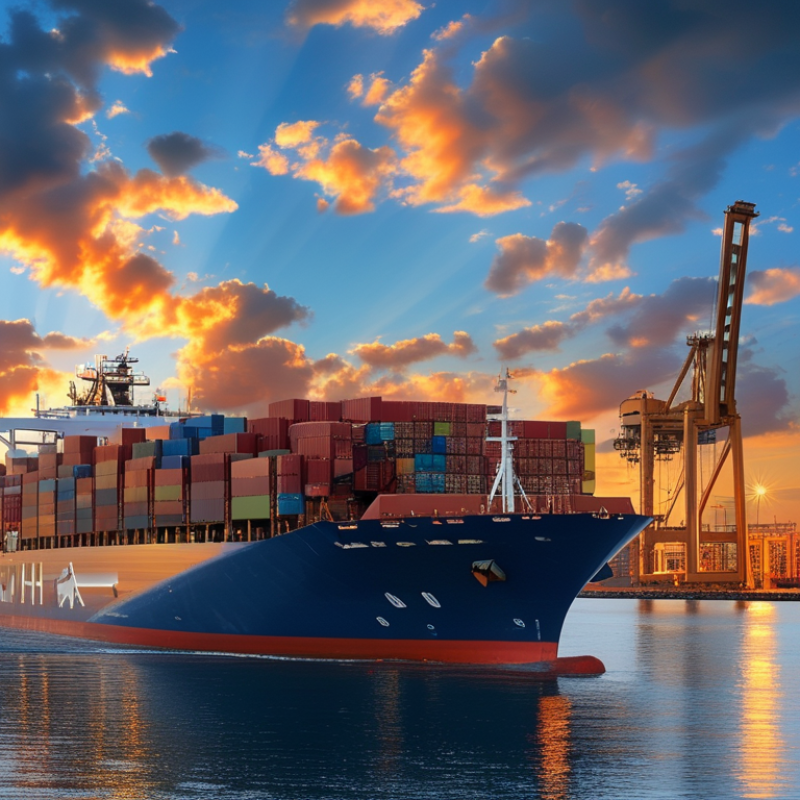
Why Are Ocean Freight Rates Changing So Much Right Now?

Factors Influencing Current Ocean Freight Rate Fluctuations

The current fluctuations in ocean freight rates are influenced by several crucial factors. Supply chain disruptions remain a major concern. Ongoing global shipping delays create a ripple effect. These delays affect delivery schedules and increase costs.

Additionally, demand for shipping services fluctuates throughout the year. Seasonal trends often lead to sudden spikes in rates. For instance, holidays can see a surge in imports. This seasonal demand impacts capacity and pricing significantly. When demand outpaces supply, rates skyrocket.

Another factor is the rising operational costs faced by shipping companies. Fuel prices continue to be volatile. Environmental regulations add further burdens to operational expenses. These costs often trickle down to customers, causing base rates to vary widely. It’s imperative for stakeholders to monitor these trends closely, as what seems like a simple fluctuation often reveals deeper complexities in global trade.

Impact of Global Trade Dynamics on Freight Pricing

The fluctuations in ocean freight rates are largely influenced by global trade dynamics. Recent changes in shipping costs reflect complex market conditions. Supply chain disruptions continue to affect shipping schedules. For example, port congestion often leads to delayed arrivals. This results in a tighter shipping capacity, driving prices upward.

Economic conditions also play a significant role in freight pricing. When demand for goods rises, carriers struggle to keep pace. Seasonal peaks, like holiday shopping, can intensify this issue. In contrast, periods of lower demand see rates drop significantly. However, predicting these cycles can be challenging. Rates may vary widely month by month.

Trade policies and geopolitical tensions further complicate matters. Tariffs on imported goods can impact shipping costs. Additionally, shifting trade routes alter transportation logistics. These changes often lead to increased uncertainty. Freight providers must remain adaptable to navigate this intricate landscape. Understanding these dynamics allows businesses to strategize better amidst rate volatility.

Why Are Ocean Freight Rates Changing So Much Right Now?

This chart illustrates the fluctuation of ocean freight rates over the past year, showcasing the impact of global trade dynamics. The data reflects average shipping costs based on the Freightos Baltic Index, highlighting peaks and troughs influenced by factors such as port congestion, supply chain disruptions, and seasonal demand variations.

Effects of Supply Chain Disruptions on Ocean Freight Costs

Ocean freight rates are experiencing significant fluctuations, largely due to ongoing supply chain disruptions. A recent analysis from the World Bank indicates that global container freight rates have increased by over 200% compared to pre-pandemic levels. This surge stems from a combination of port congestion, labor shortages, and increased shipping demand. In 2021, delays at major ports led to an average shipping time increase of 30% in trans-Pacific routes, illustrating the depth of the issue.

Furthermore, the effects of these disruptions ripple through the supply chain. For instance, the Journal of Commerce reported that shipping costs jumped by 60% during peak times due to limited container availability and high demand. Some companies have had to adjust their pricing strategies to absorb these rising costs, impacting consumer prices globally. These pressures highlight a need for better visibility and flexibility in logistics planning.

The situation is not without its flaws. While some industries are adjusting, others continue to struggle with inefficiencies. Reports show that high freight costs are still a barrier for small businesses, leading to fewer imports. Addressing these challenges will require strategic changes and a commitment to improving operational resilience.

Role of Fuel Prices in Determining Freight Rates

Freight rates on ocean transport have been shifting significantly. One major factor driving these changes is fuel prices. As fuel costs rise, shipping companies often pass these expenses onto customers. This situation impacts not only container shipping but also bulk carriers. A noticeable spike in fuel prices can lead to exorbitant freight charges, affecting global trade.

The volatility in oil markets creates uncertainty. Events affecting oil supply can quickly change shipping costs. For instance, geopolitical tensions or natural disasters can disrupt fuel supply chains. Companies might find themselves struggling to keep logistics on track. Increased freight rates can strain budgets and force businesses to rethink their supply chain strategies.

Despite these challenges, organizations must adapt their approaches. They can explore alternative fuels or more efficient shipping routes. Examining fuel management practices may also reduce costs. The situation calls for reflection on strategies to mitigate expenses in an unpredictable market. Understanding the impact of fuel prices is essential for navigating the complexities of international shipping.

Future Trends in Ocean Freight Rates and Predictions

Ocean freight rates are experiencing significant fluctuations. Various factors contribute to these changes. Trade demands, global events, and shipping capacity all play critical roles. Shippers and logistics experts predict these rates will continue to evolve over time.

Looking ahead, several trends emerge. Climate policies could reshape shipping routes. Sustainability initiatives may lead to new regulations. Consequently, carriers might adjust their pricing strategies. Experts suggest that technology can improve efficiency. Digital platforms may streamline operations and reduce costs. However, uncertainty remains about future disruptions.

Shippers need to stay informed. Analyzing market trends is essential. Communication with freight partners can provide insights. As the industry matures, adaptability will be vital. Embracing changes can foster resilience. The complexity of the global supply chain demands it. Future shipping will likely look different, yet the foundation remains the same.

FAQS

: What influences ocean freight rates?

: Ocean freight rates are mainly influenced by global trade dynamics, supply chain disruptions, and economic conditions.

How do seasonal peaks affect freight pricing?

During holiday shopping seasons, demand increases, causing carriers to struggle and driving rates upward.

Why can it be hard to predict freight rates?

Rates vary widely month to month, influenced by fluctuating demand and unexpected supply chain disruptions.

What role do trade policies play in shipping costs?

Tariffs and shifting trade routes can complicate logistics and increase uncertainty, impacting overall shipping costs.

How do fuel prices impact freight rates?

Rising fuel costs are often passed onto customers, leading to higher freight charges and affecting global trade.

What causes volatility in oil markets?

Geopolitical tensions and natural disasters can disrupt fuel supply chains, quickly changing shipping costs and logistics.

What can businesses do to adapt to changing freight rates?

Organizations can explore alternative fuels, optimize shipping routes, and reflect on their supply chain strategies.

What emerging trends may influence future freight rates?

Climate policies and sustainability initiatives could reshape shipping routes and carrier pricing strategies moving forward.

Why is market trend analysis important for shippers?

Staying informed about market changes and communication with freight partners helps businesses navigate uncertainties in shipping.

What can improve shipping efficiency in the future?

Technology and digital platforms may streamline operations, potentially reducing costs and improving overall efficiency.

Conclusion

The fluctuating ocean freight rates observed recently have become a focal point of discussion, leading many to ask, "why are ocean freight rates fluctuating so much right now?" Several key factors contribute to these changes. Firstly, the dynamics of global trade have shifted considerably, impacting demand and supply relationships. Additionally, supply chain disruptions, exacerbated by geopolitical events and pandemics, have further intensified the volatility in pricing.

Another critical factor influencing freight rates is the rising cost of fuel, which significantly affects operational expenses for shipping companies. As these elements intertwine, they create an unpredictable freight market. Looking ahead, industry experts predict that these fluctuations may continue as global commerce evolves and new challenges arise, making it crucial for stakeholders to stay informed about potential trends in ocean freight pricing.

Sophia

Sophia

Sophia is a dedicated marketing professional with an exceptional depth of knowledge about her company's products and services. With a keen understanding of market trends and customer needs, she crafts insightful blog posts that not only inform but also engage readers, enriching the company’s online......