Navigating the complexities of Amazon FBA can be daunting, especially when it comes to inventory storage fees. Many sellers struggle to manage their storage effectively, leading to unnecessary expenses. As expert Sarah Johnson states, “Understanding the nuances of inventory management is crucial for avoiding hefty fees.” This highlights the urgency in learning how to avoid Amazon FBA inventory storage fees.
Maximizing your storage strategy is essential. Amazon has specific criteria that sellers must meet to minimize costs. Keeping track of your inventory turnover rate can significantly impact your fees. Consider adjusting your product offerings to ensure that you don’t pay for storage that you don’t need. Regular audits of your inventory can help identify slow-moving items, allowing for wise decisions about restocking.
Reflecting on these considerations is vital. It is not enough to simply hope for lower fees. Sellers must actively engage with their inventory. Developing a proactive approach can save money and enhance profitability. Collaborating with industry professionals may also provide deeper insights. Ultimately, understanding how to avoid Amazon FBA inventory storage fees requires commitment and ongoing education.
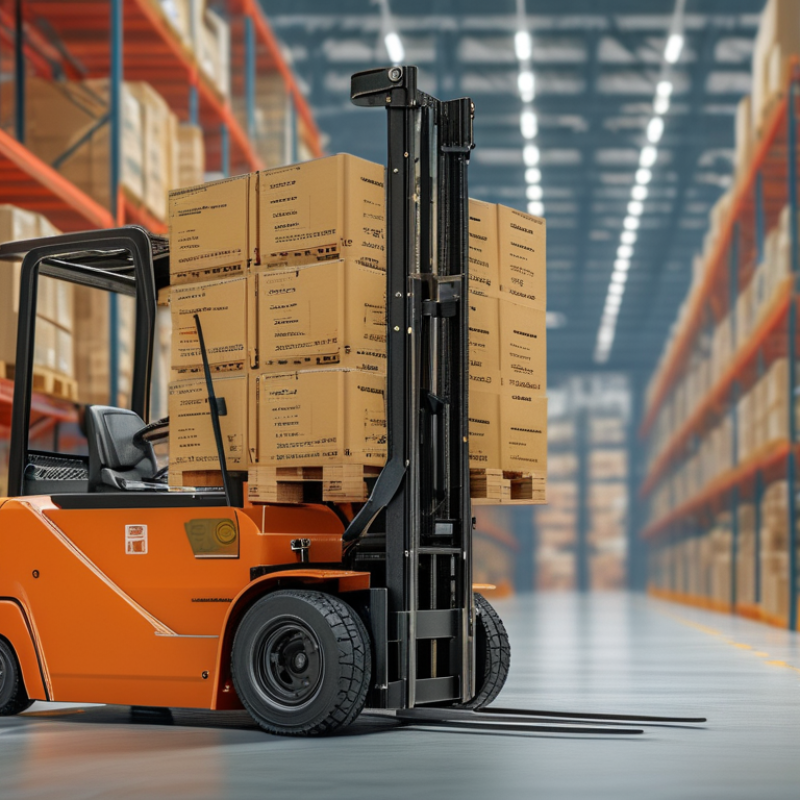
Understanding Amazon FBA Inventory Storage Fees Structure in 2026 reveals critical insights for sellers. In 2026, Amazon's storage fees will likely continue to evolve. Current trends show that these fees may increase by 20% compared to previous years. This heightens the importance of efficient inventory management. Sellers must monitor their stock levels closely.
The fee structure splits into two categories: monthly storage fees and long-term storage fees. Monthly fees typically apply to all goods stored in Amazon's fulfillment centers. Long-term fees kick in for items stored over 365 days. Reports indicate that 30% of FBA sellers incur long-term fees due to slow-moving inventory. It's essential to regularly assess product performance and adjust inventory accordingly.
Sellers should embrace data analytics to minimize fees. Tools can forecast demand based on historical sales trends. For instance, if you have a seasonal product, adjust your inventory to match demand cycles. This proactive approach can save significant costs. Yet, many sellers struggle with overstock or stockouts. It’s a critical point where reflection is necessary to improve inventory strategies.
| Month | Monthly Storage Fee (Standard Size) | Monthly Storage Fee (Oversize) | Long-Term Storage Fee | Tips to Reduce Fees |
|---|---|---|---|---|
| January | $0.75/cubic foot | $0.48/cubic foot | $6.90/item over 365 days | Inventory Forecasting |
| February | $0.75/cubic foot | $0.48/cubic foot | $6.90/item over 365 days | Reduce SKU Count |
| March | $0.75/cubic foot | $0.48/cubic foot | $6.90/item over 365 days | Optimize Listings |
| April | $0.75/cubic foot | $0.48/cubic foot | $6.90/item over 365 days | Run Promotions |
| May | $0.75/cubic foot | $0.48/cubic foot | $6.90/item over 365 days | Inventory Cleanup |
| June | $0.75/cubic foot | $0.48/cubic foot | $6.90/item over 365 days | Regular Inventory Review |
| July | $0.75/cubic foot | $0.48/cubic foot | $6.90/item over 365 days | Strengthen Supply Chain |
| August | $0.75/cubic foot | $0.48/cubic foot | $6.90/item over 365 days | Utilize Seasonal Trends |
| September | $0.75/cubic foot | $0.48/cubic foot | $6.90/item over 365 days | End of Season Sales |
| October | $0.75/cubic foot | $0.48/cubic foot | $6.90/item over 365 days | Plan for Q4 Demand |
| November | $0.75/cubic foot | $0.48/cubic foot | $6.90/item over 365 days | Evaluate Sales Performance |
| December | $0.75/cubic foot | $0.48/cubic foot | $6.90/item over 365 days | Plan for Year-End Sales |
mazon FBA storage fees?
Sellers should monitor inventory levels closely and utilize data analytics to forecast demand. Adjust inventory based on sales trends.
A higher IPI score leads to lower storage fees. Regular monitoring is needed to maintain or improve the score.
Overstocking can negatively affect your IPI and increase fees. Analyzing sales trends can help determine the right stock amount.
Promotions can boost sales velocity, which positively impacts your IPI score. Increased visibility helps quicken sales.
3PL providers offer flexible storage and fulfillment solutions. They help reduce the reliance on Amazon’s warehouses.
Dropshipping eliminates upfront inventory needs. Orders are fulfilled directly from suppliers, reducing storage costs.
Regularly analyze stock and consider liquidating or discounting unsold items. This can prevent long-term fees.
Regional partners can lower costs and delivery times. Always analyze inventory turnover rates for better management.
Thorough research ensures reliable suppliers for dropshipping. Backup options prevent risks of stockouts or delays.
In 2026, understanding how to avoid Amazon FBA inventory storage fees is crucial for sellers looking to maximize their profits. The structure of these fees has evolved, making it essential to analyze seasonal demand trends to optimize inventory levels effectively. By aligning inventory with expected sales, sellers can prevent overstock and associated costs.
Implementing Just-In-Time inventory practices not only streamlines operations but also contributes to significant cost savings. Additionally, utilizing Amazon's Inventory Performance Index (IPI) can help sellers identify areas for improvement and potentially reduce fees. Exploring alternative fulfillment strategies further minimizes storage costs, allowing sellers to maintain healthy cash flow while navigating the challenges of inventory management.

 Changi Logistics